

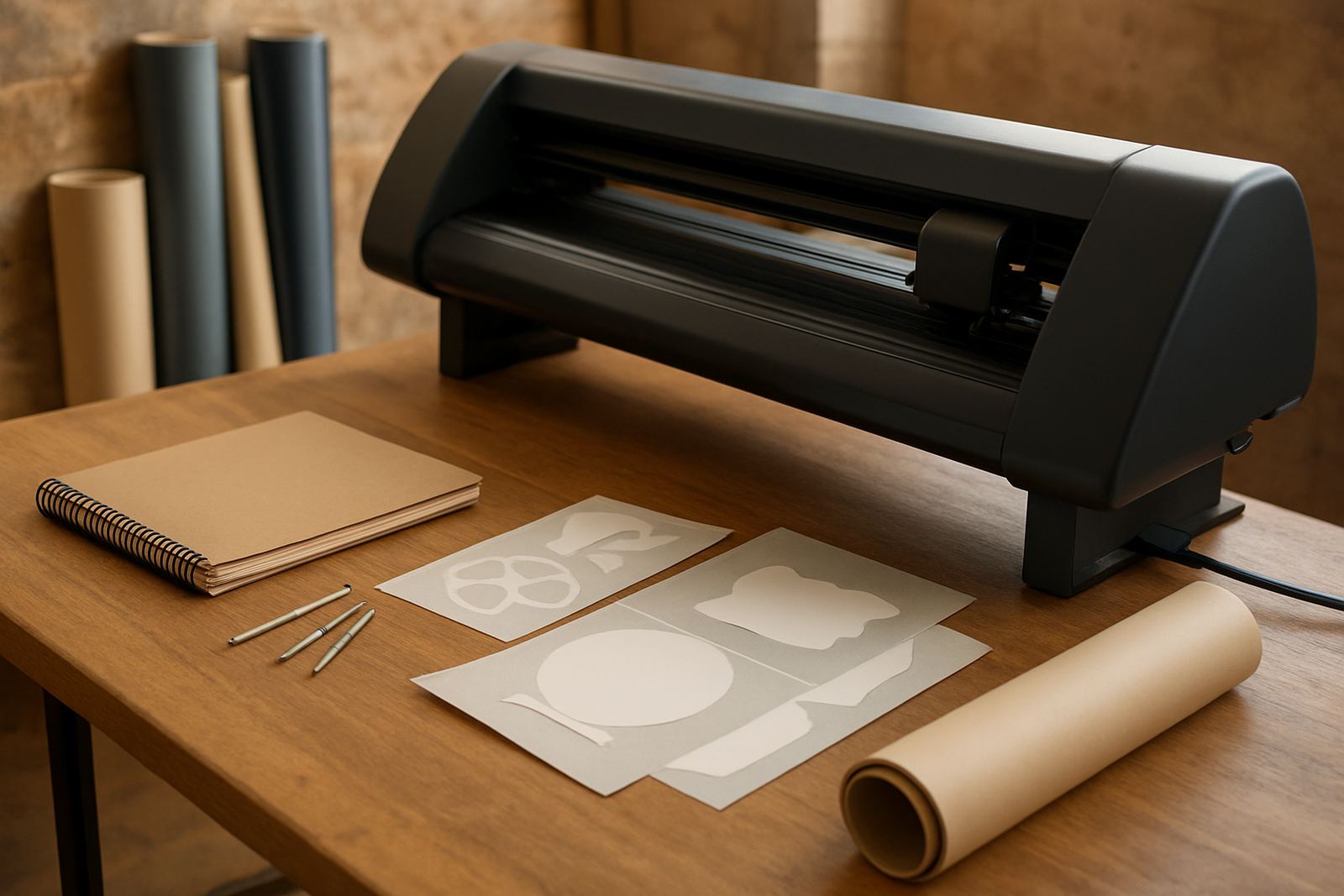
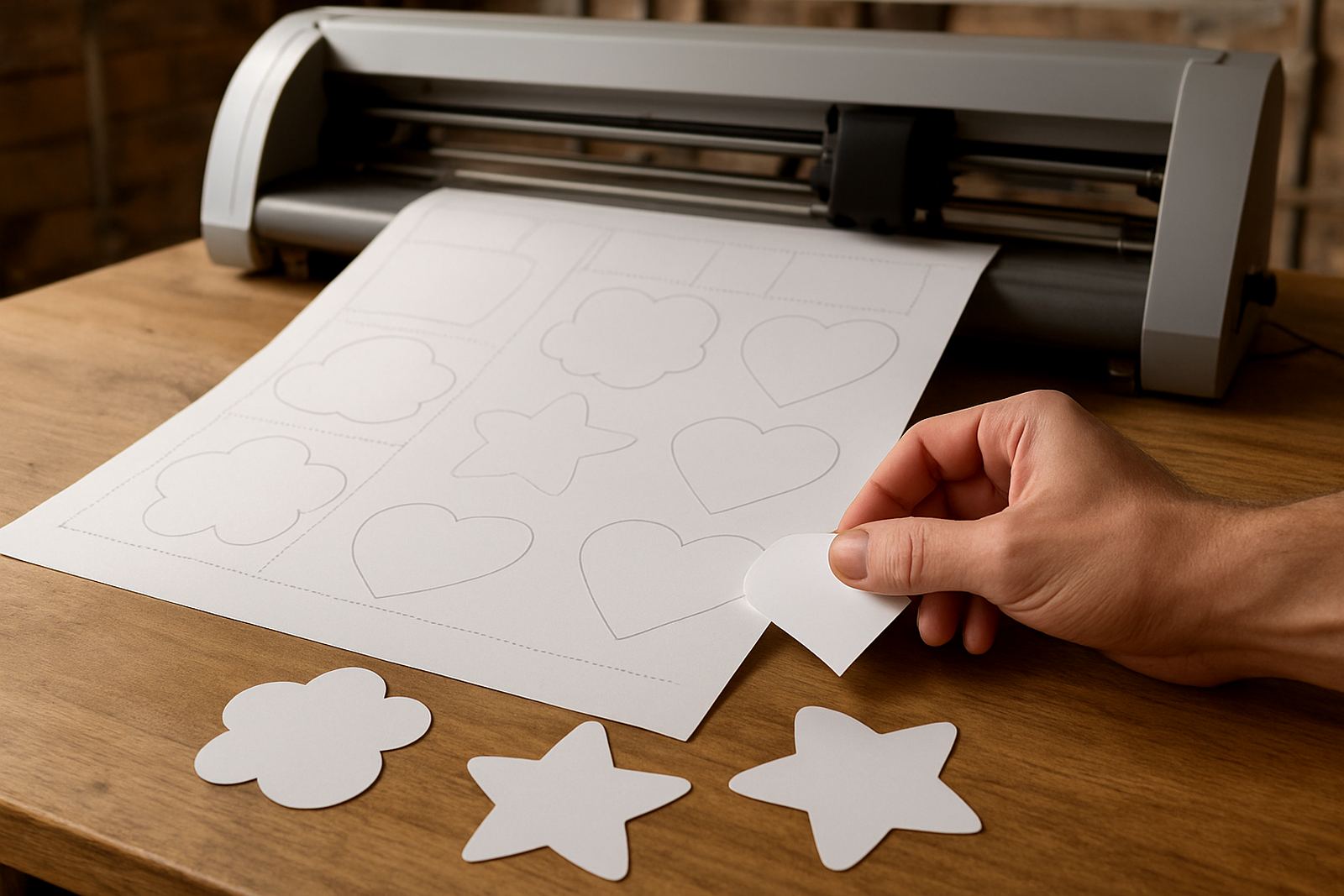
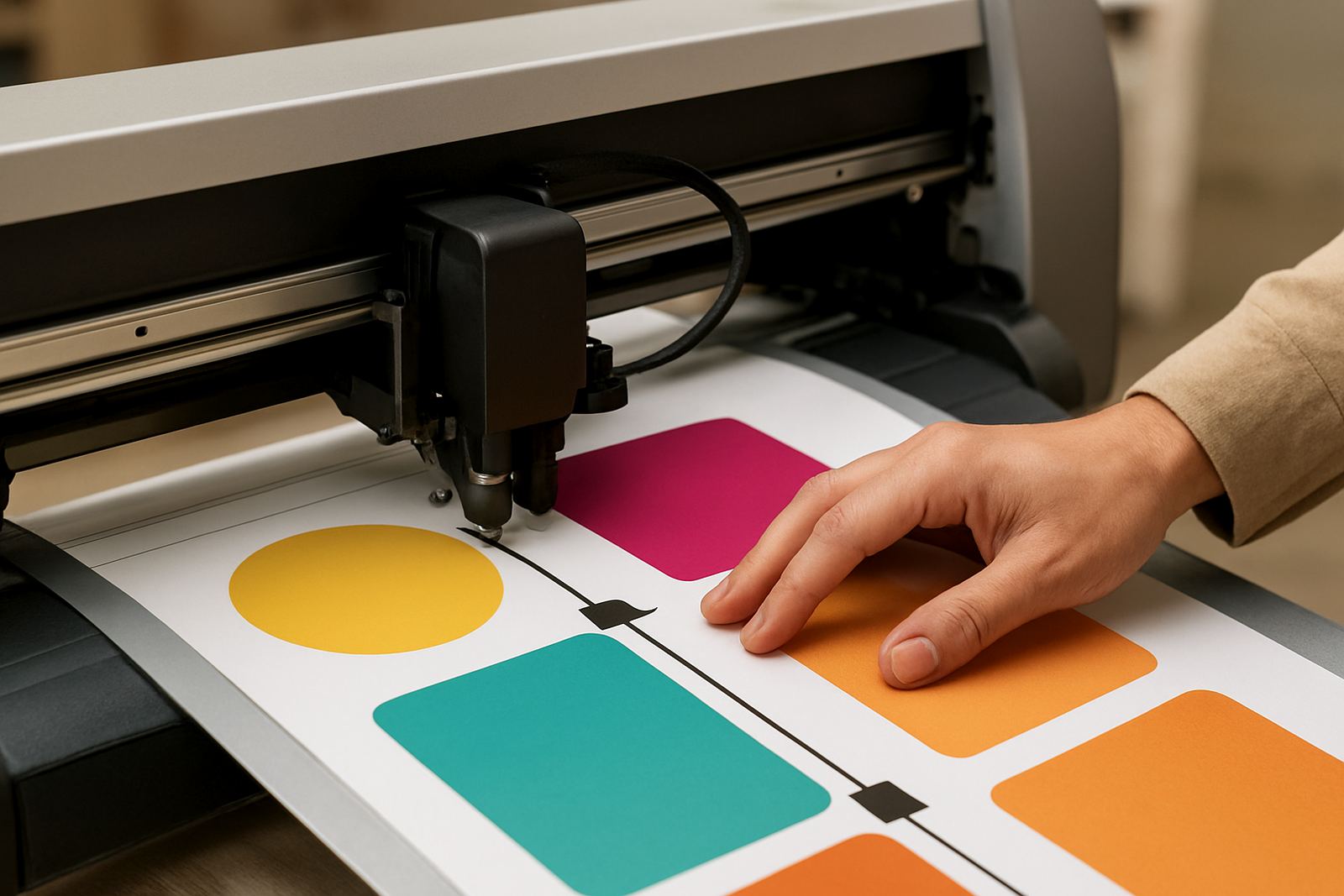
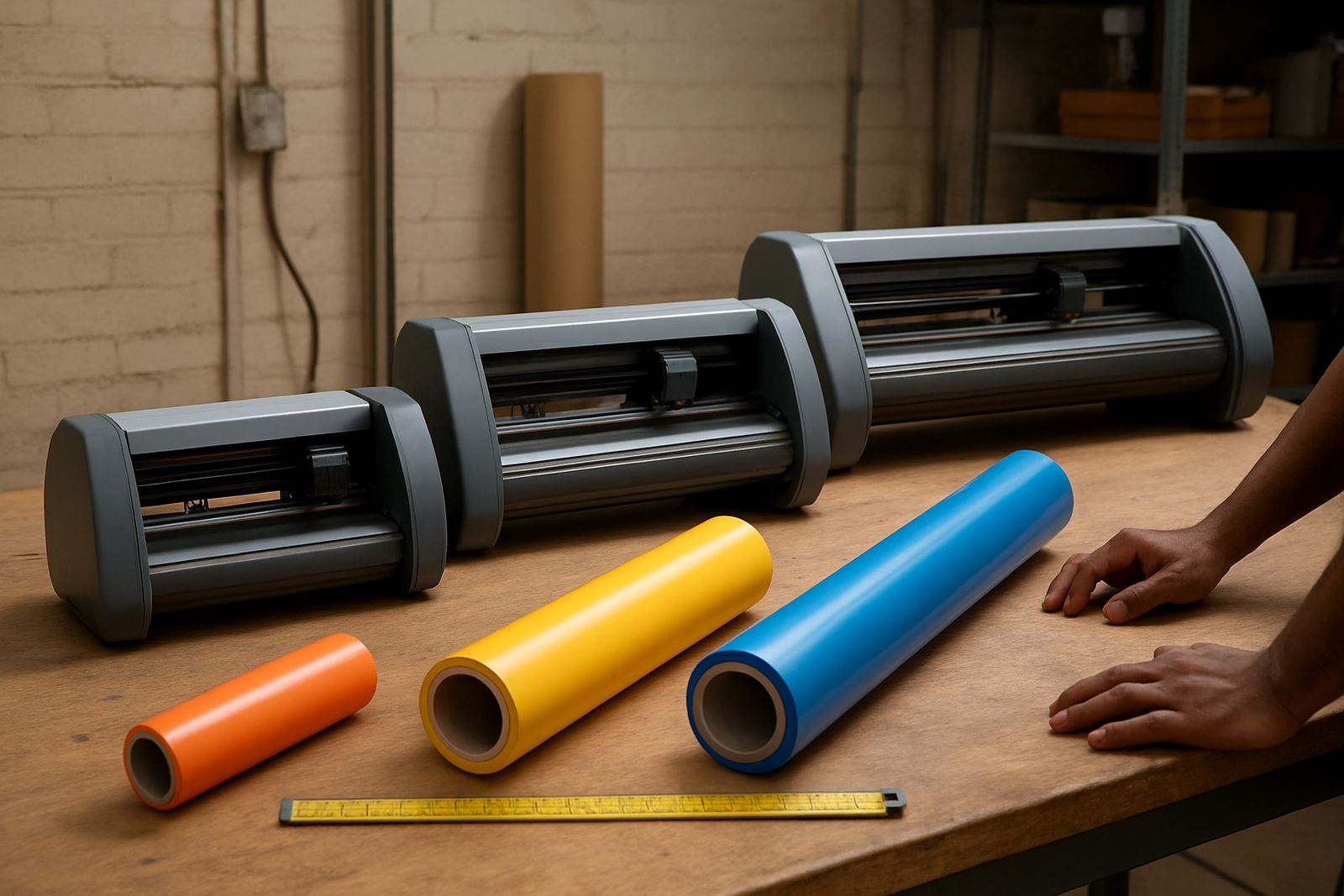
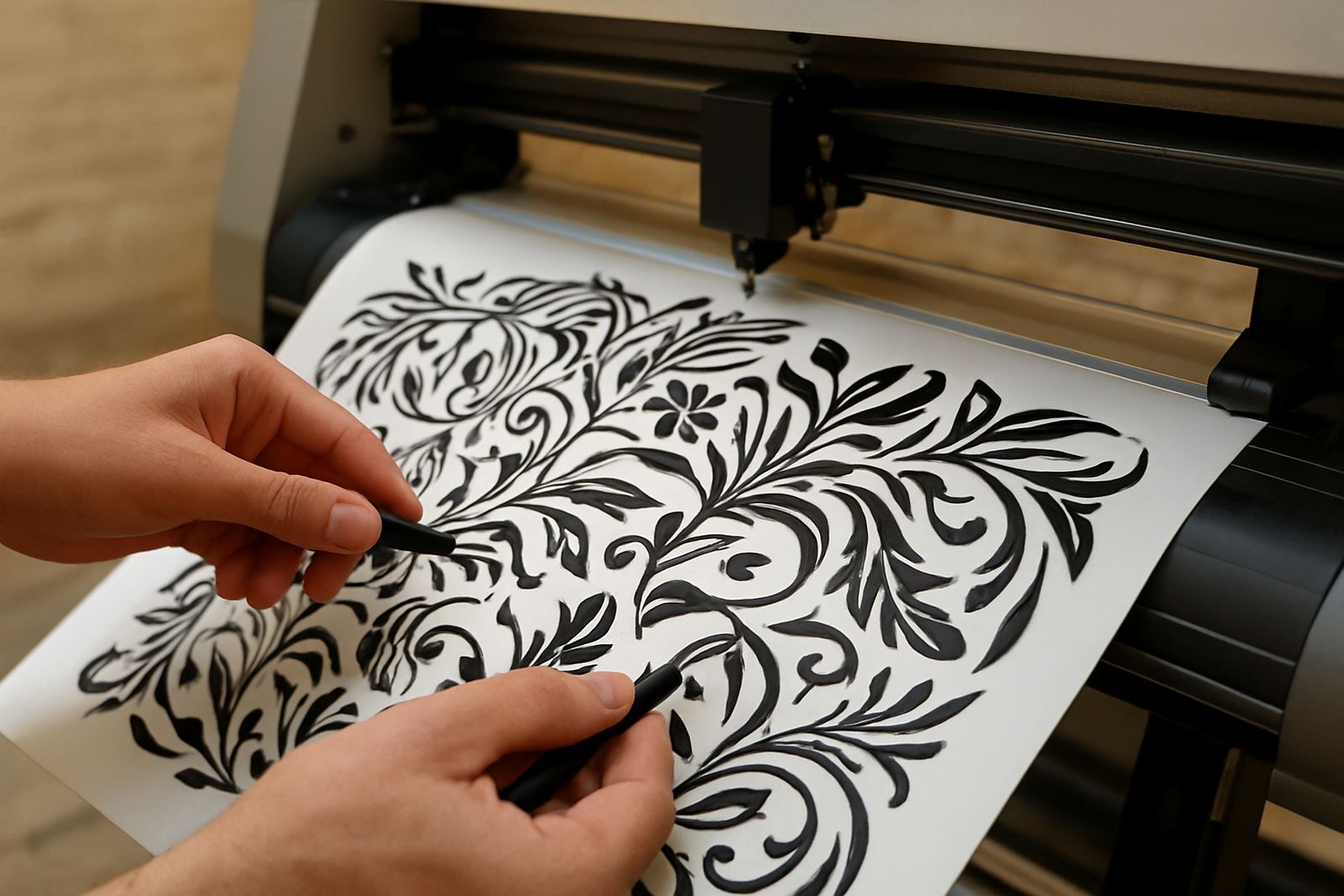
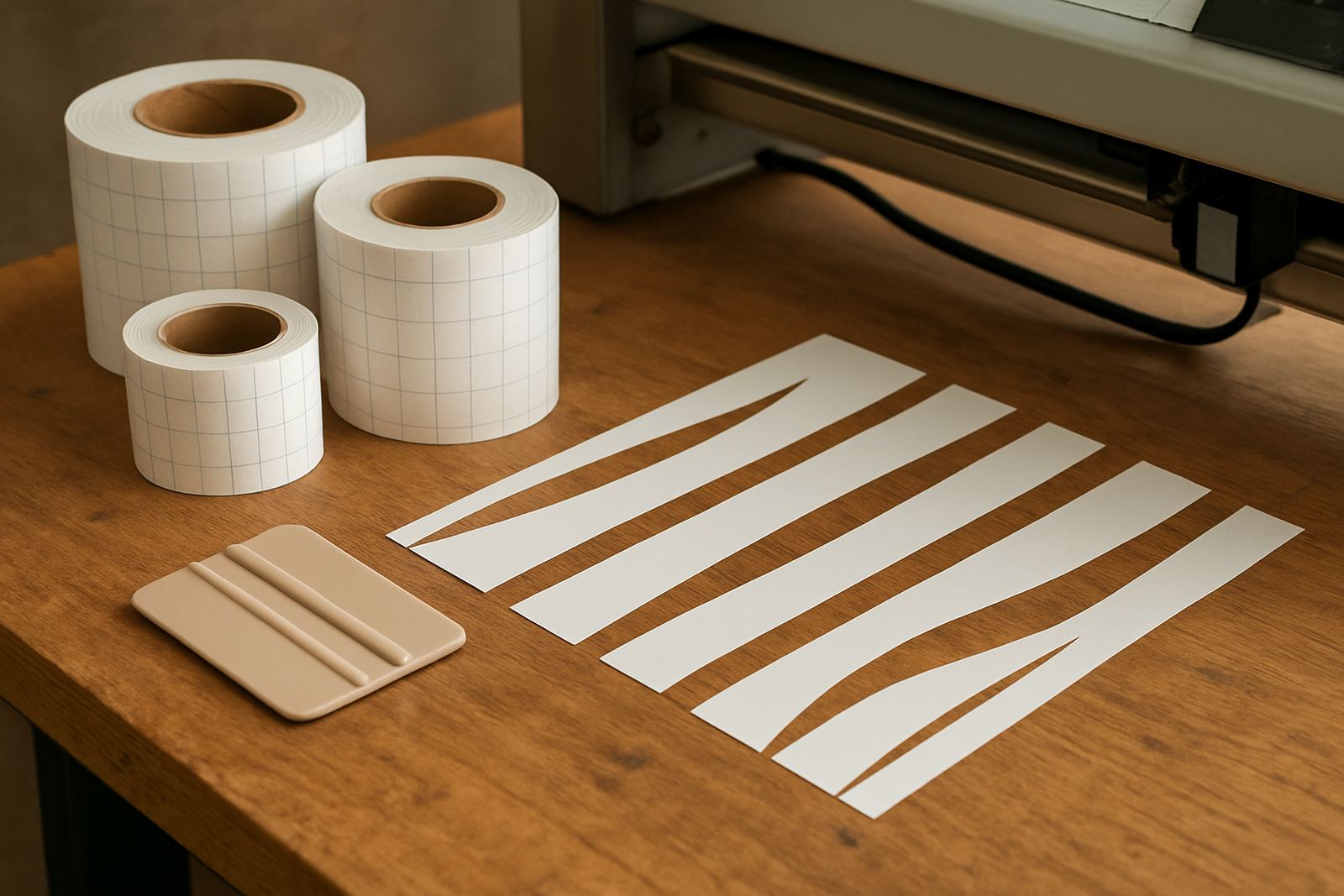
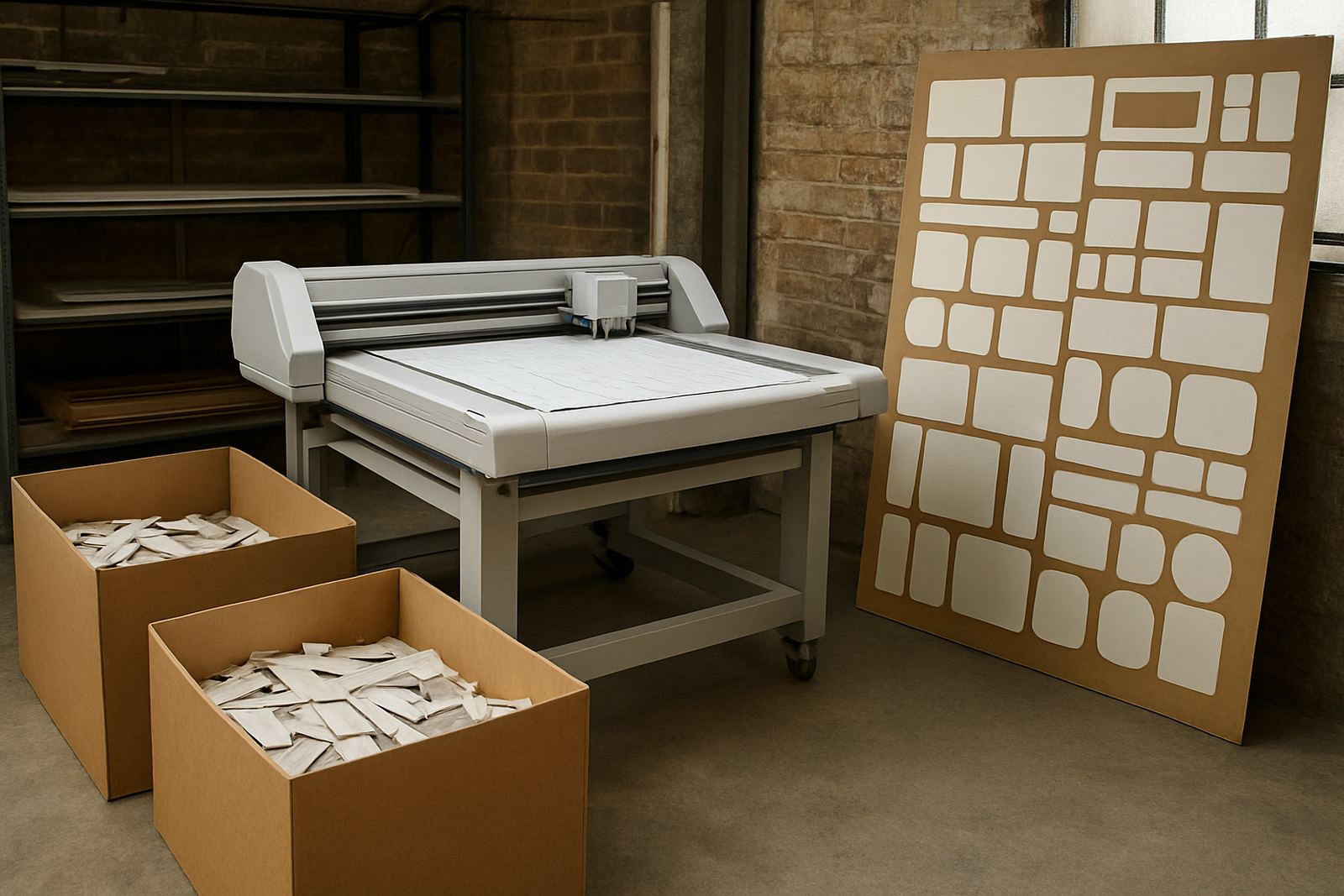


What this cutter notes hub covers
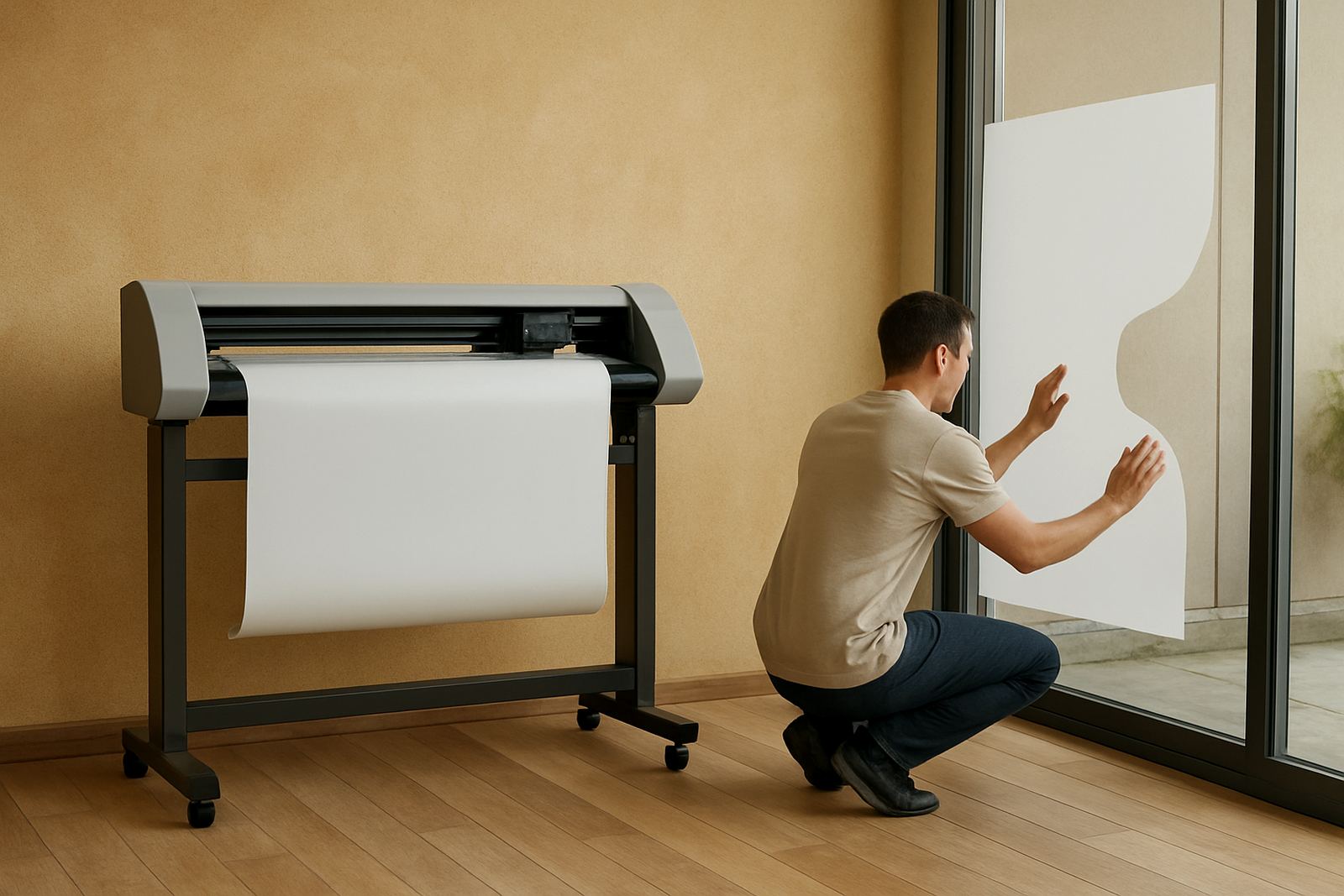
This knowledge section brings together practical guidance for contour cutting, print-and-cut workflows and day-to-day production decisions. It is written for buyers, operators and supervisors who need clear answers on what affects accuracy, speed and repeatable results.
Some articles focus on setup, while others deal with running jobs in a live shop. If you are comparing equipment for a signage workshop in Isando, a print room in Sandton or a production floor in Midrand, start by matching the article to the problem you need to solve.
How to choose the right article for your job
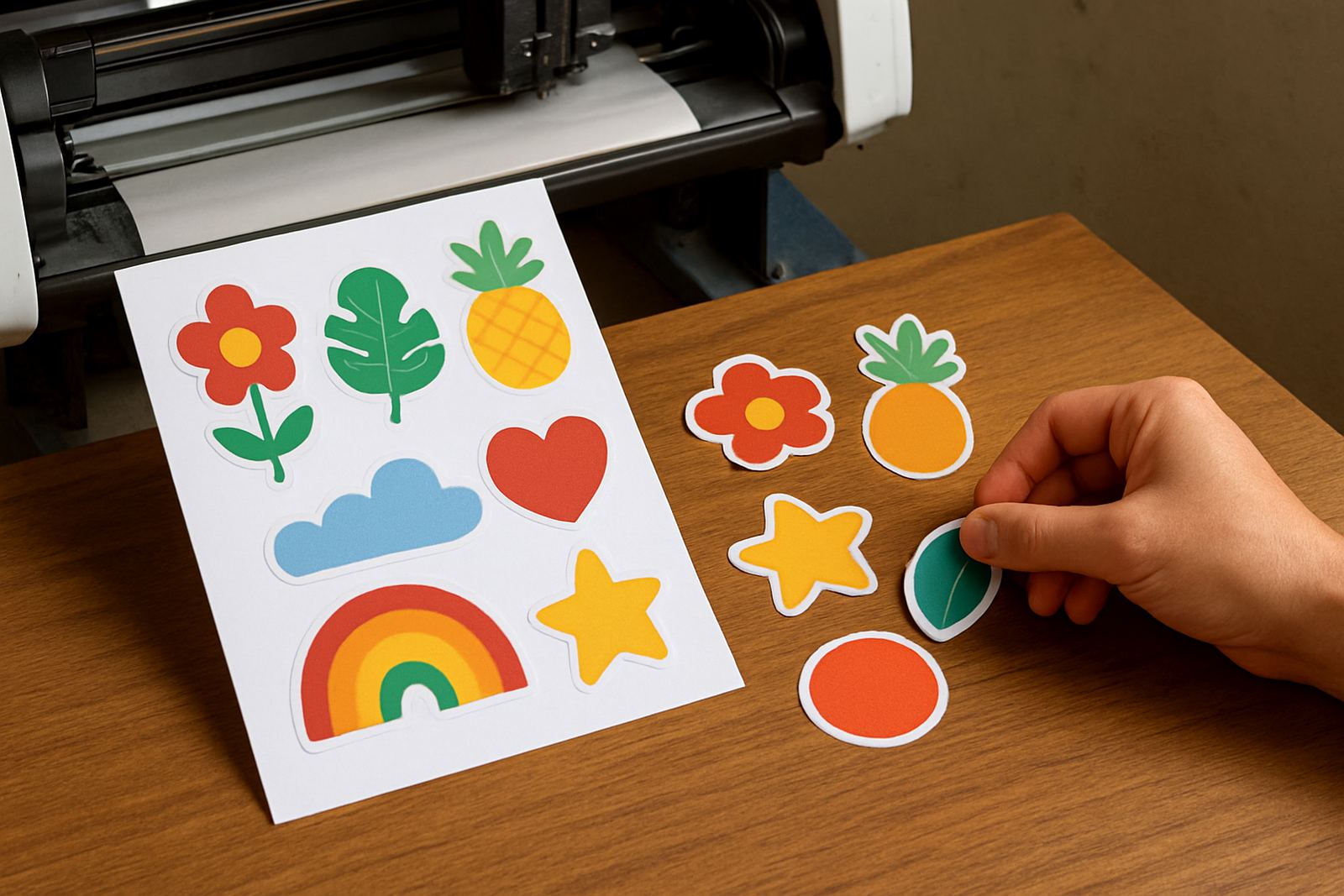
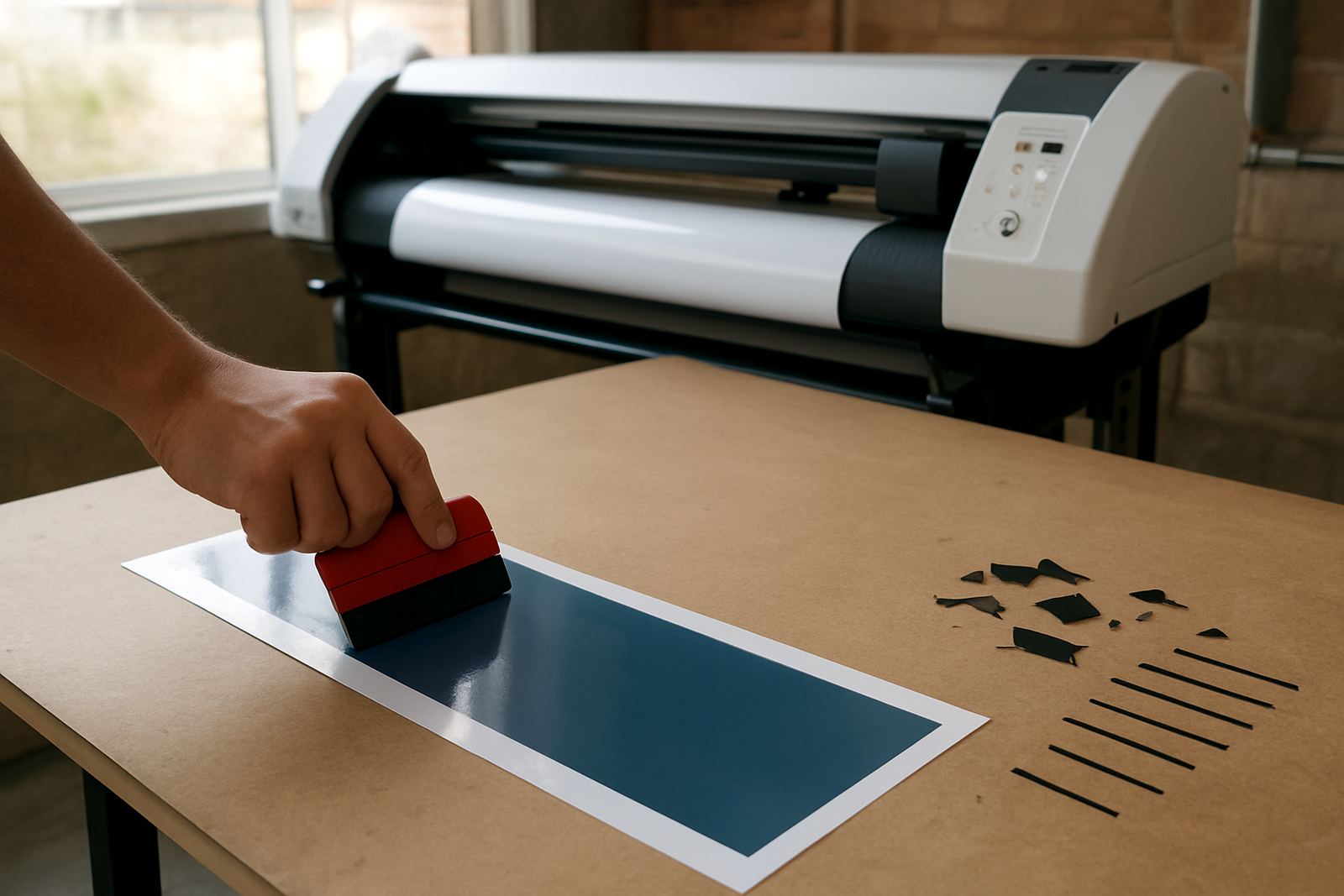
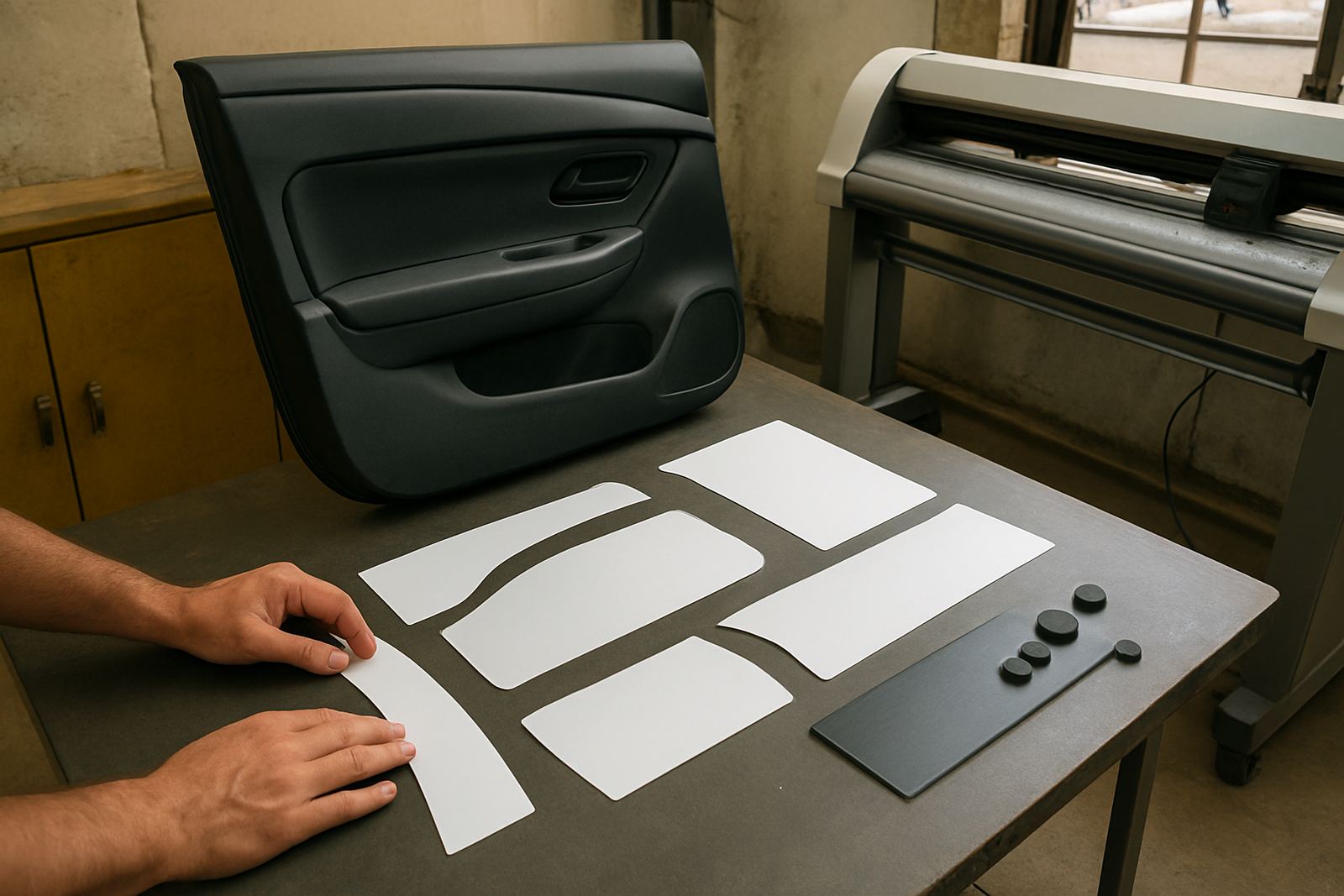
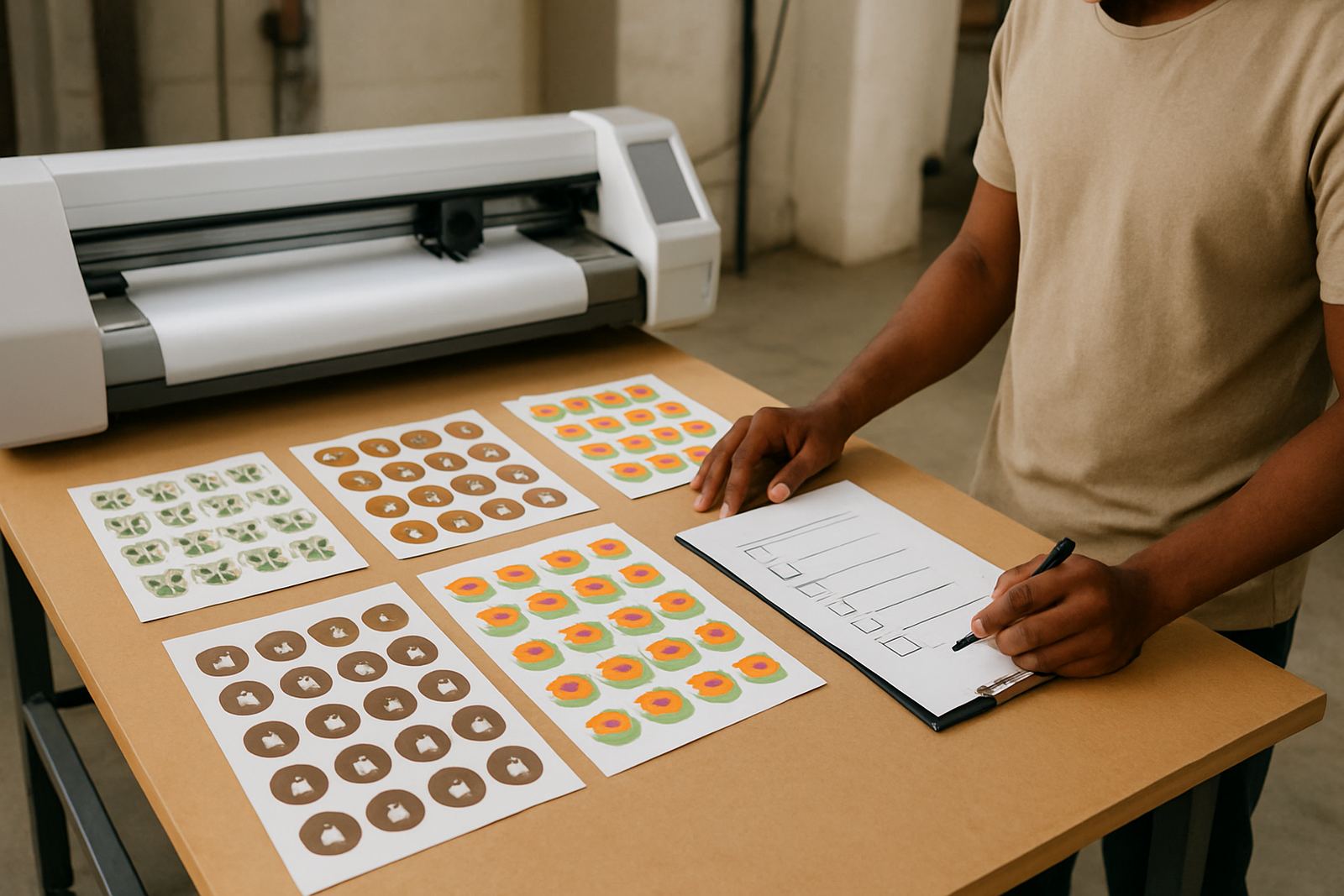
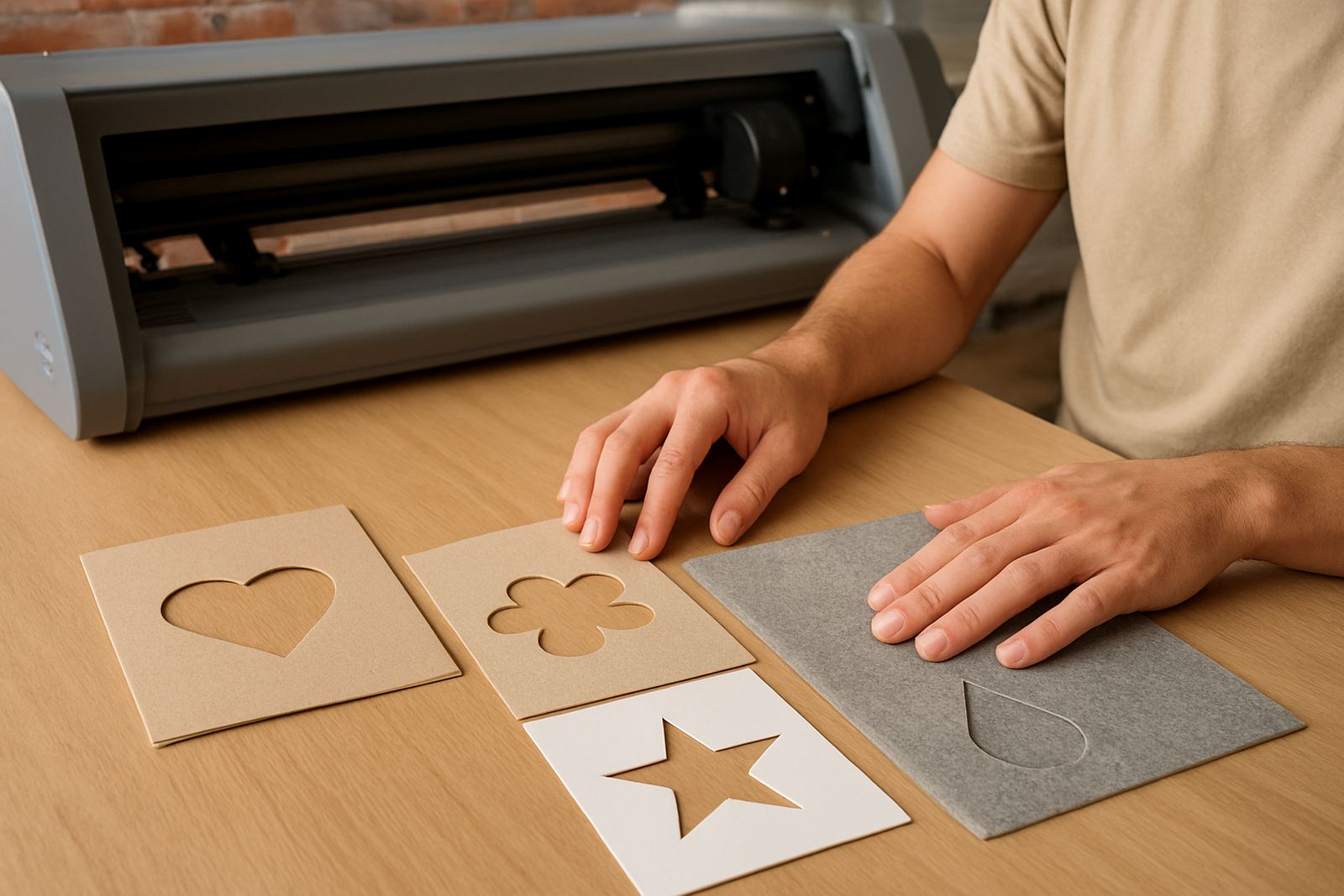
Not every cutter issue is the same. A clean die line on a small vinyl label sheet needs a different approach from a long run of contour cut decals for fleet graphics. Choose the note that matches your material, your print method and your production pace.
- For new staff, start with Operator Induction and Media Loading.
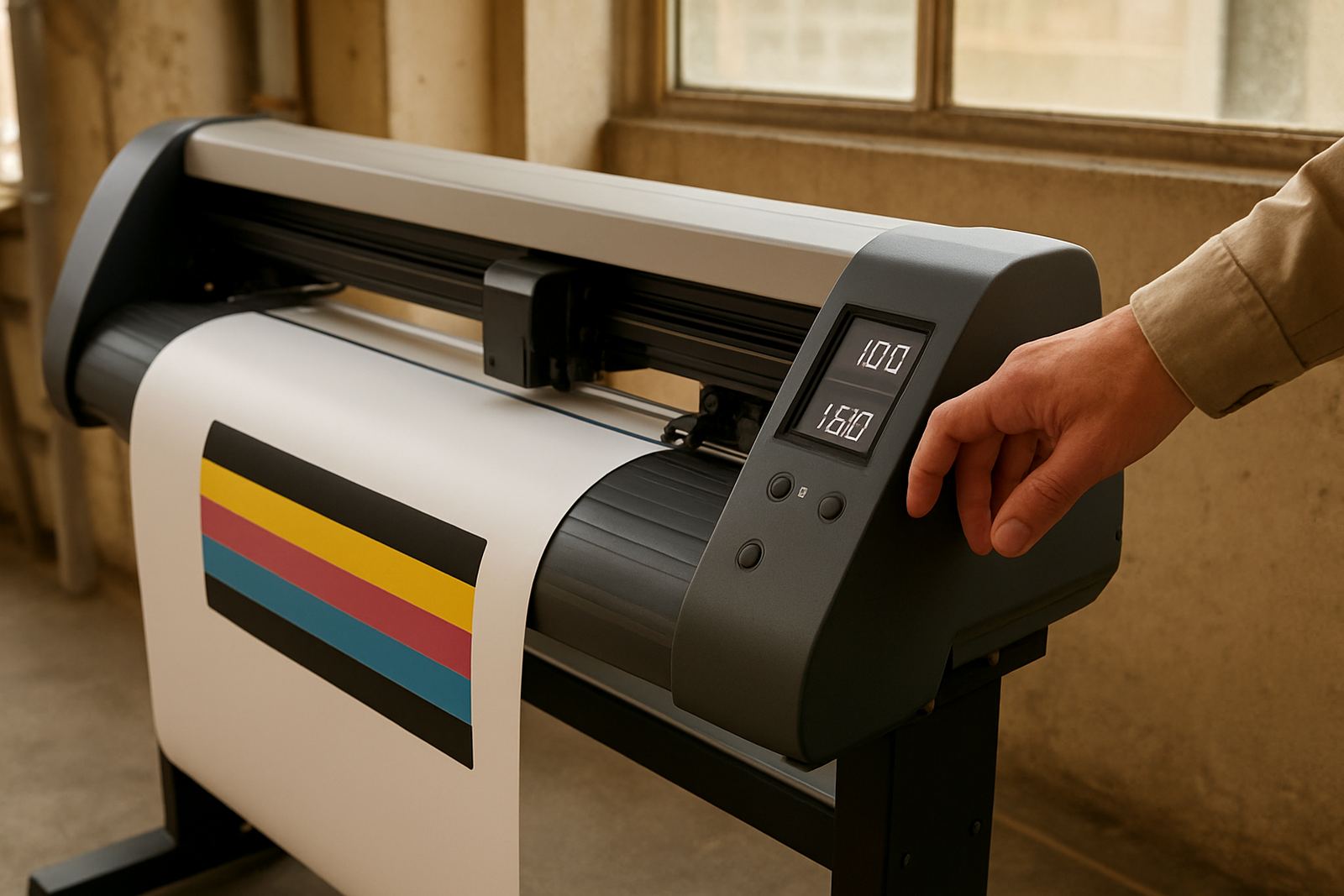
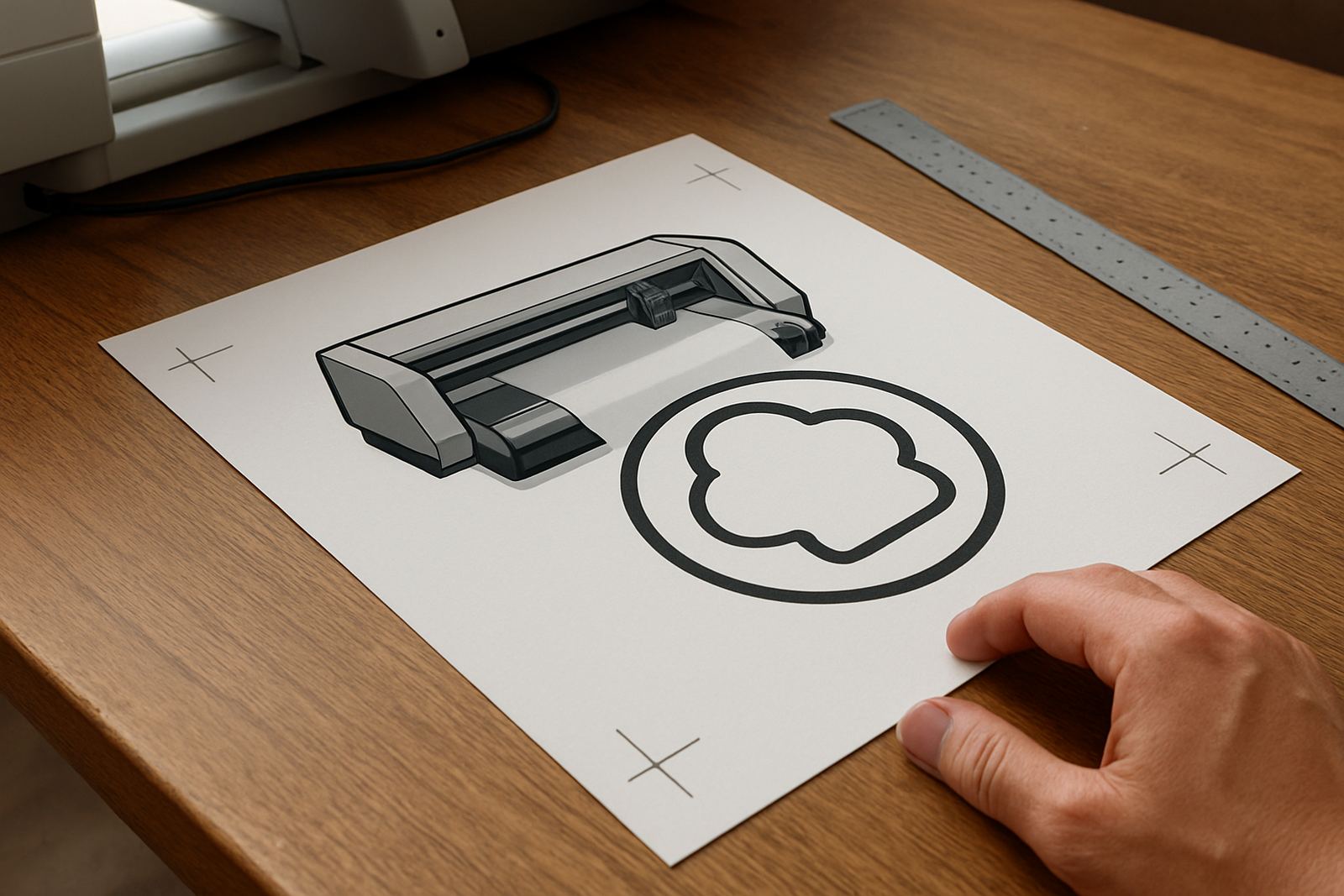
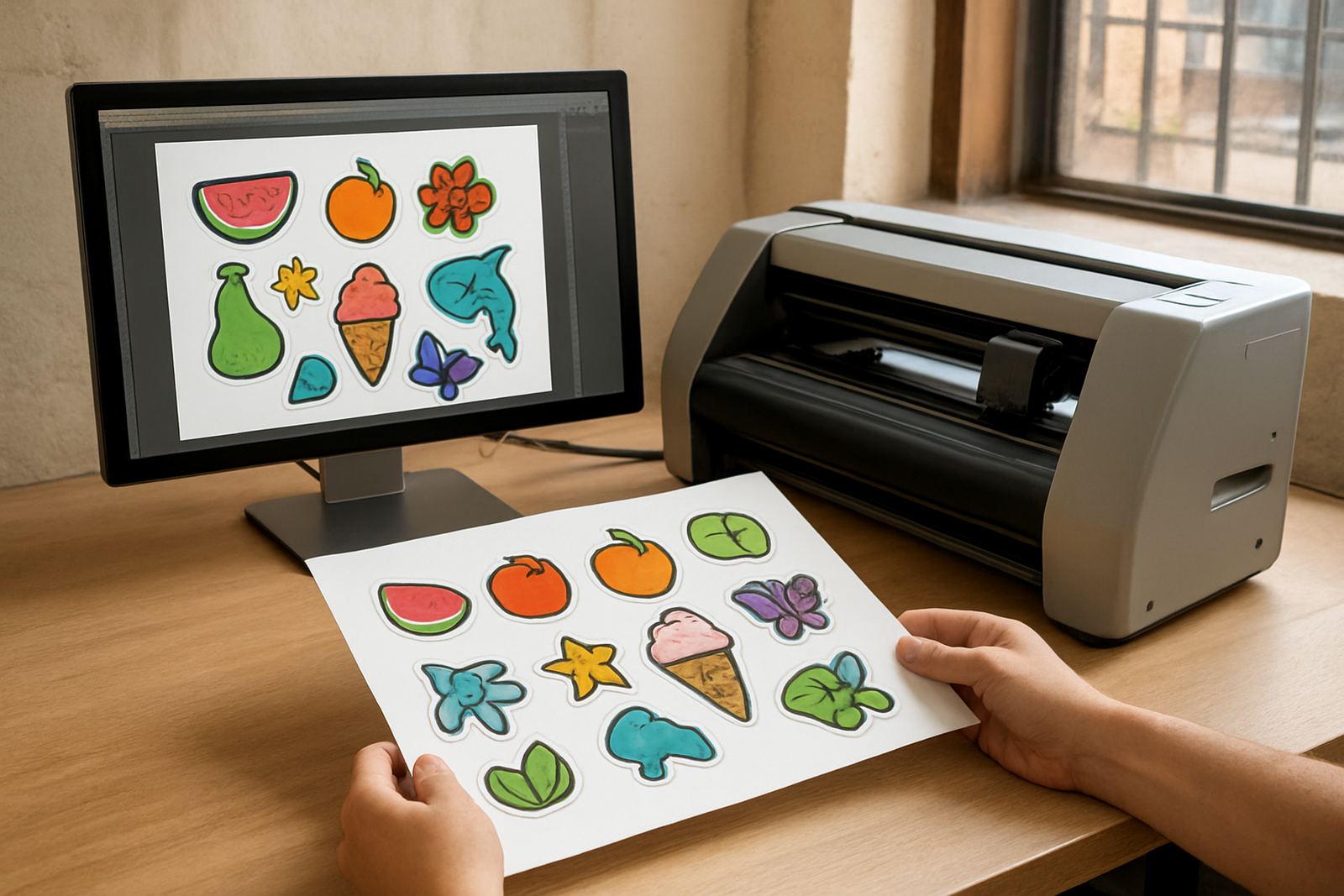
- For print-and-cut accuracy, read Registration Calibration and Artwork Cut Lines.
- For busy shops, use Production Workflows and Troubleshooting Session.
- For teams with mixed experience, Supervisor Coaching helps standardise output.
A good fit saves time on rework and keeps waste down, especially when material costs are tight and orders are small but varied.
Cut quality starts with setup, not luck
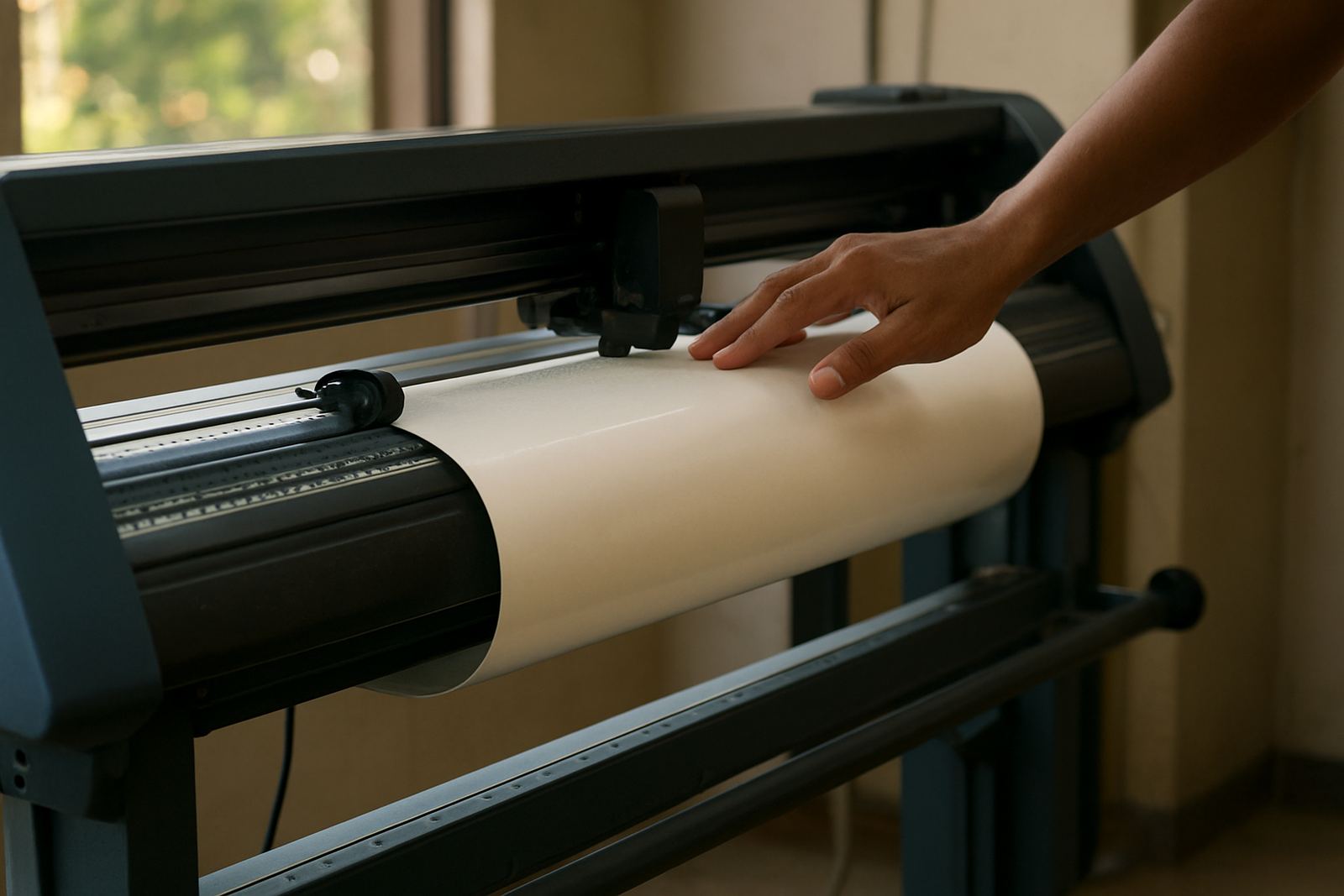
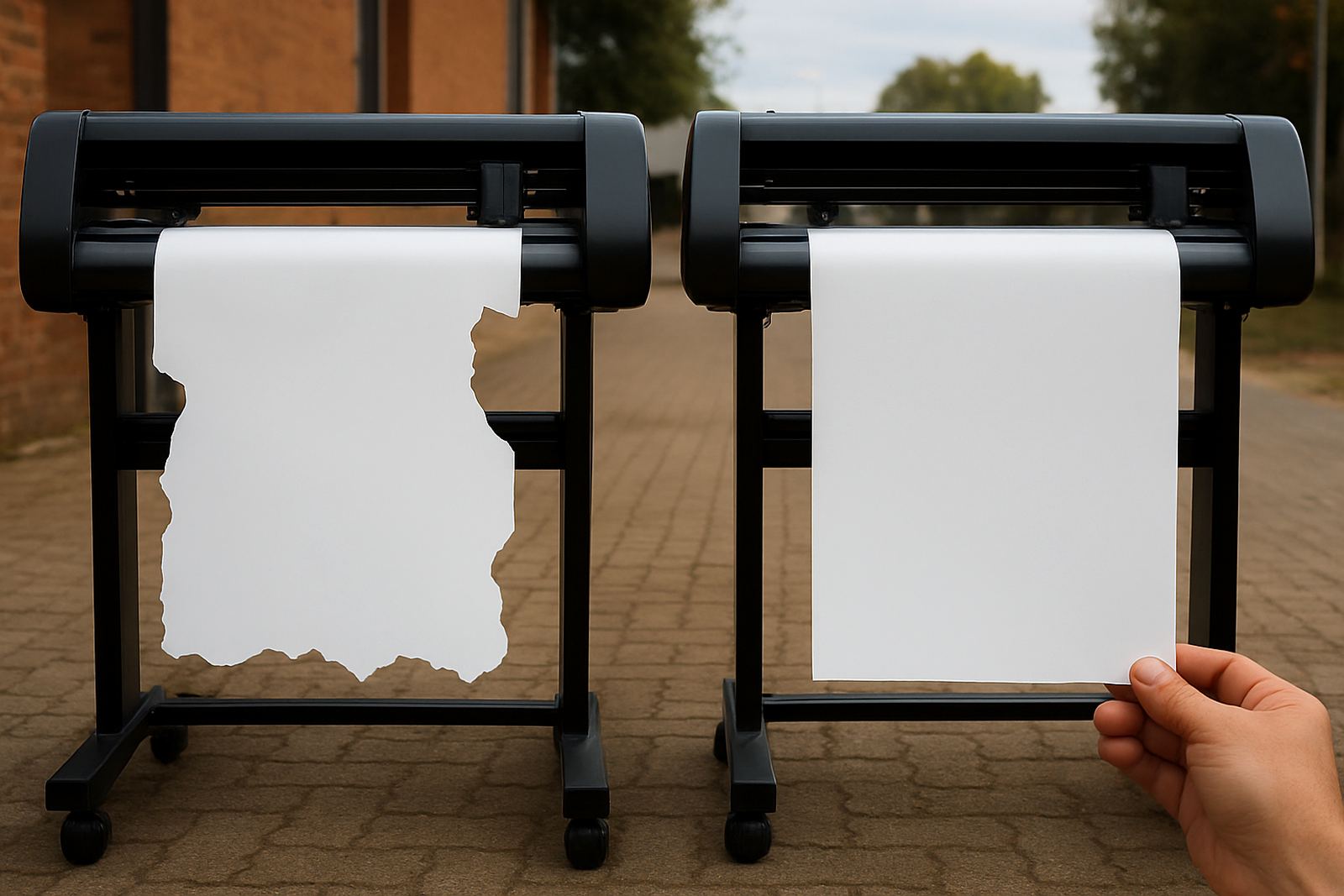
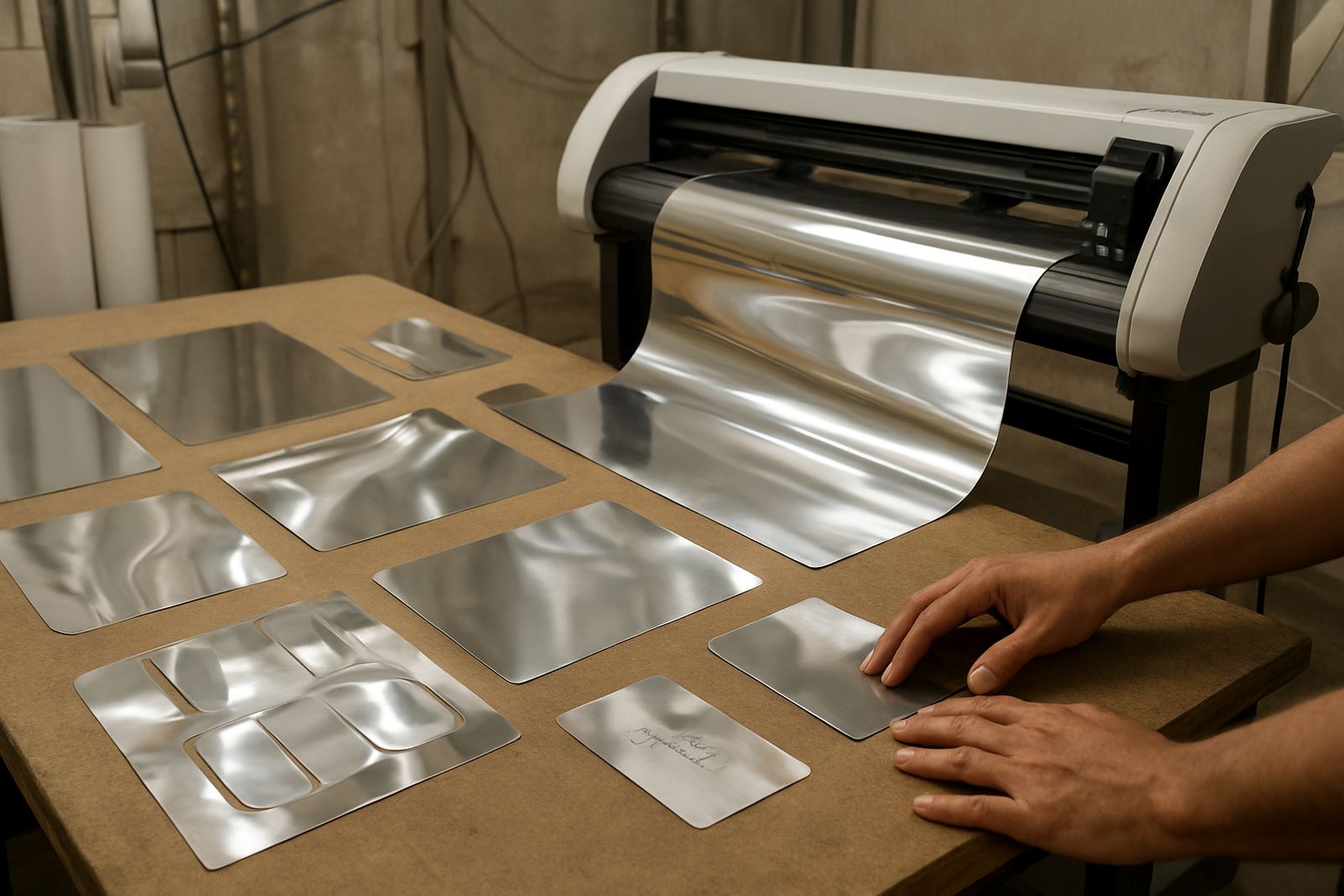
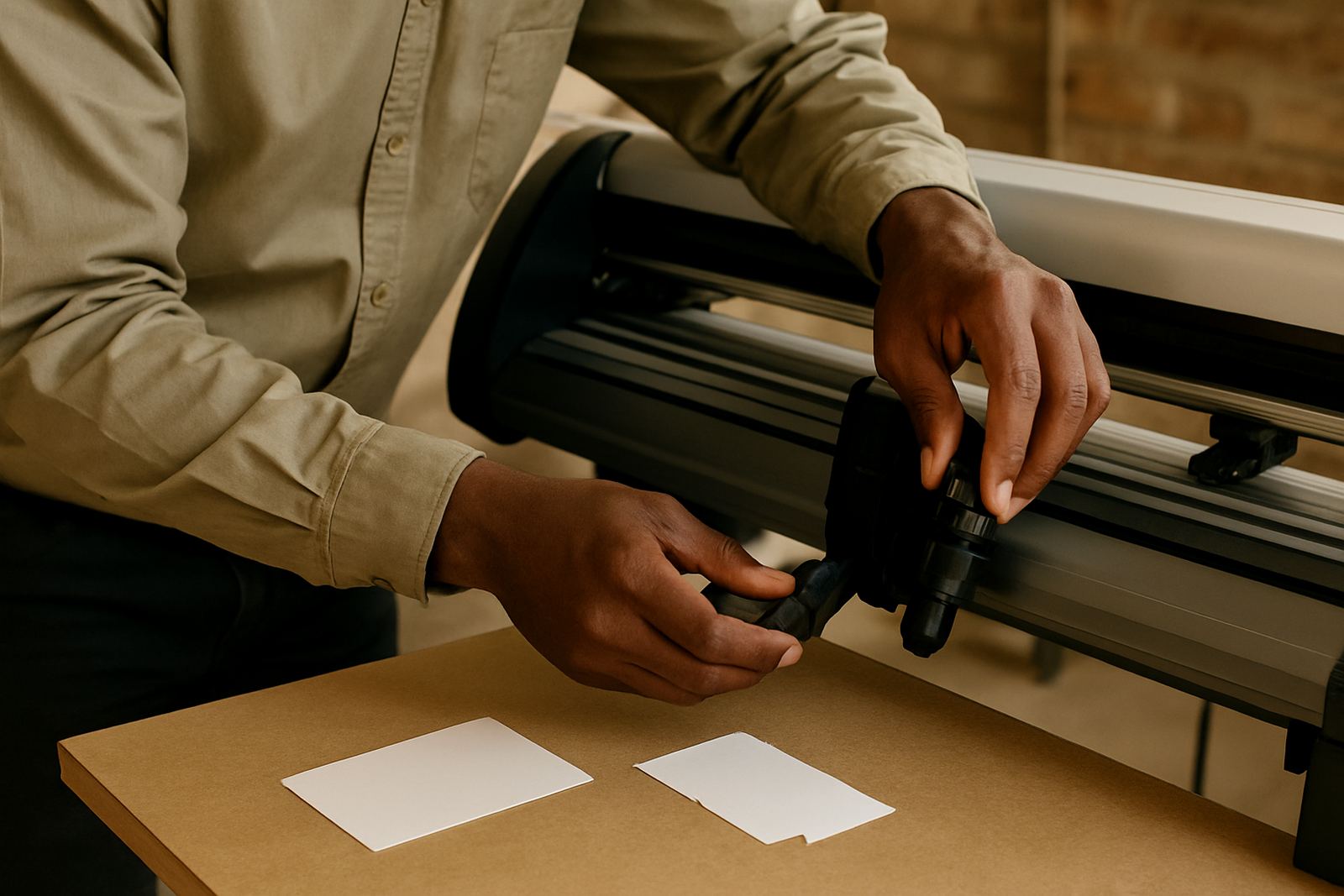
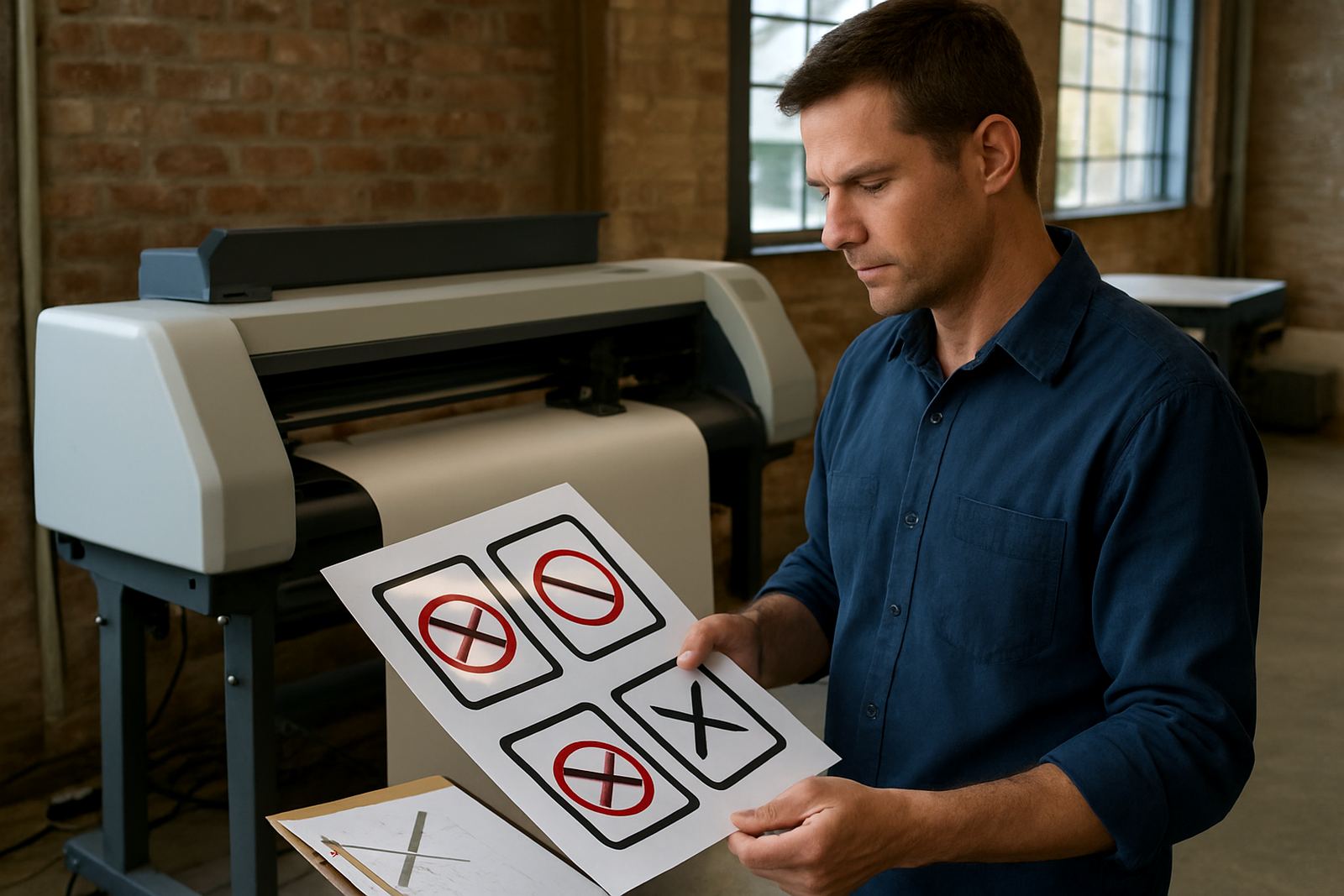
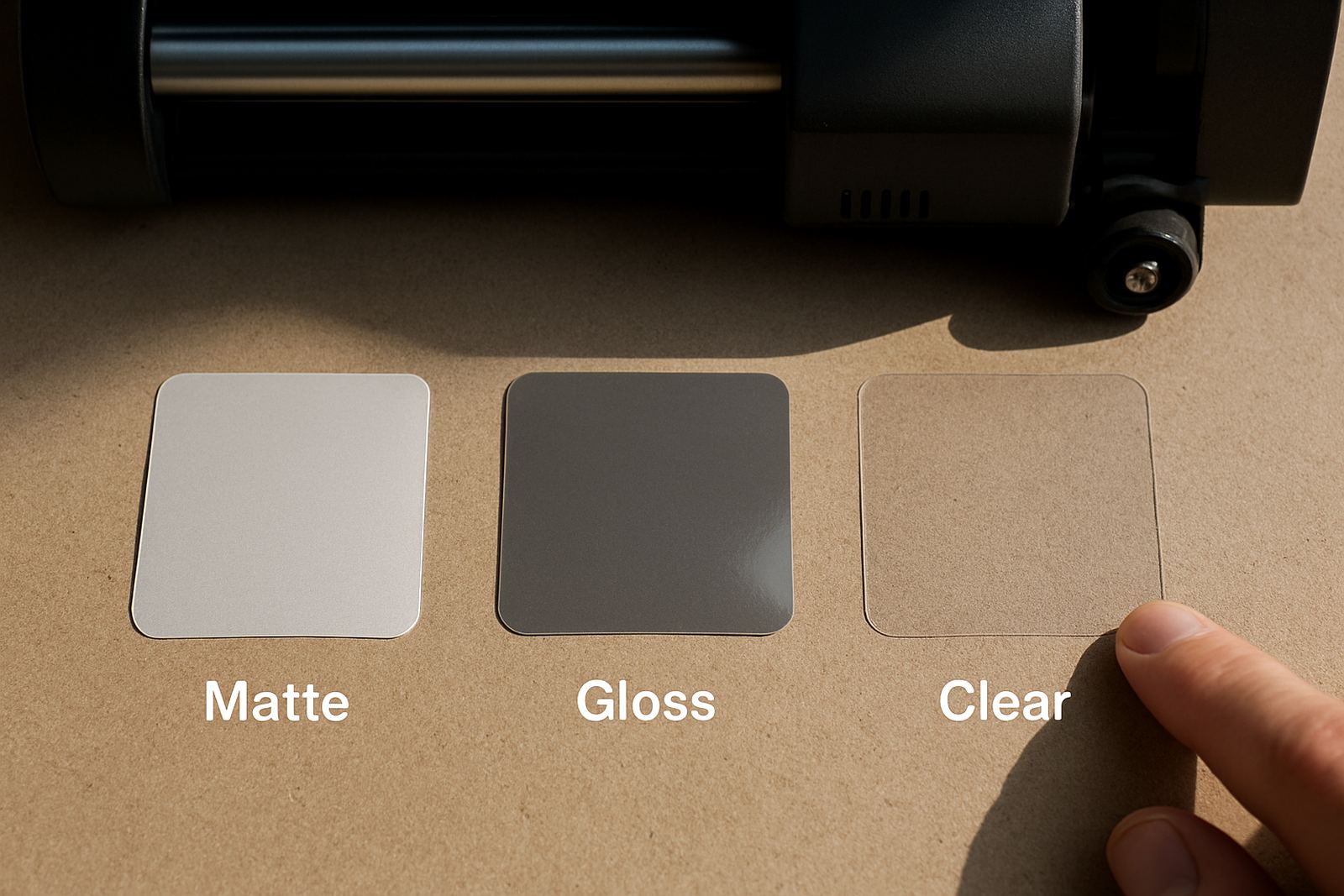
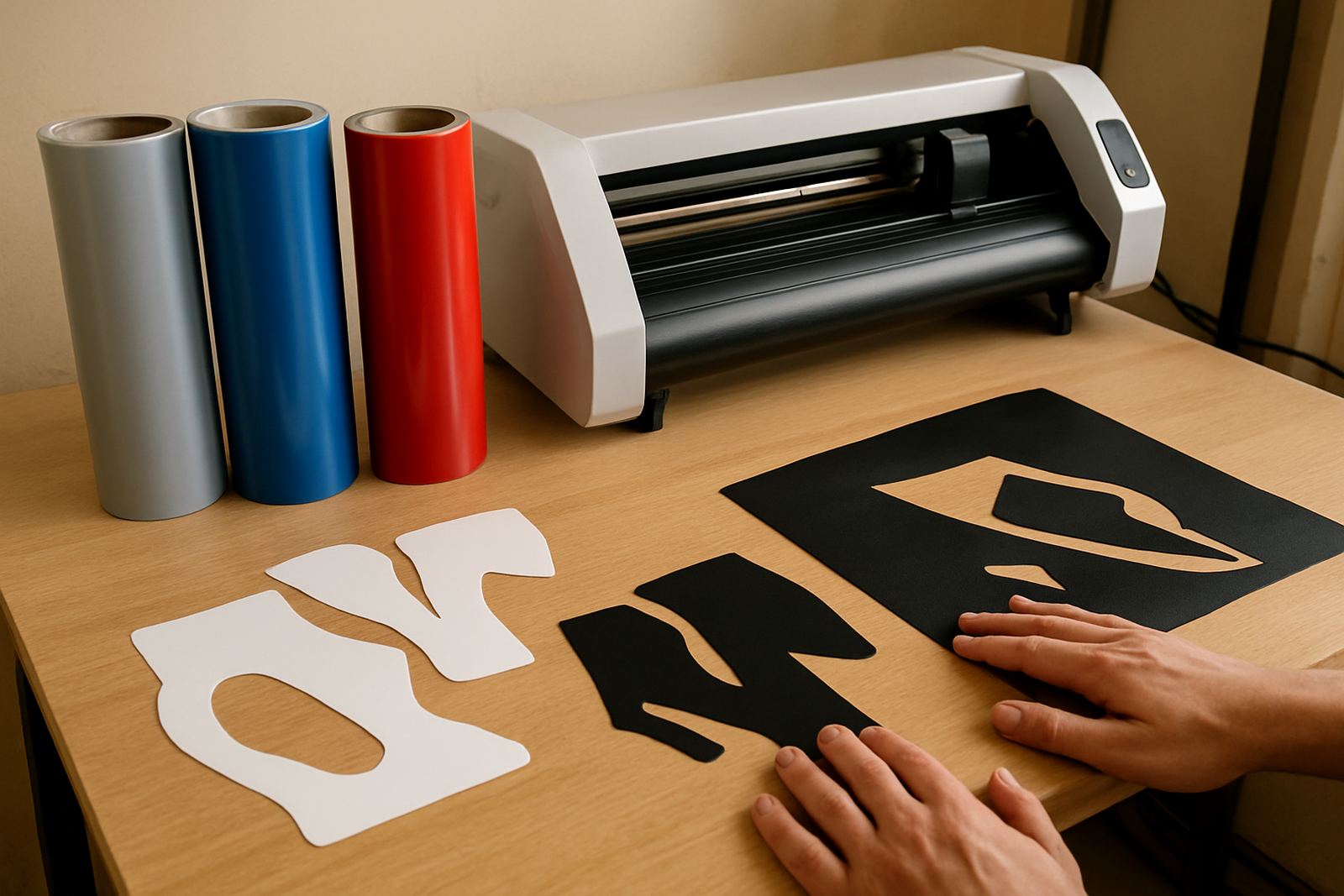
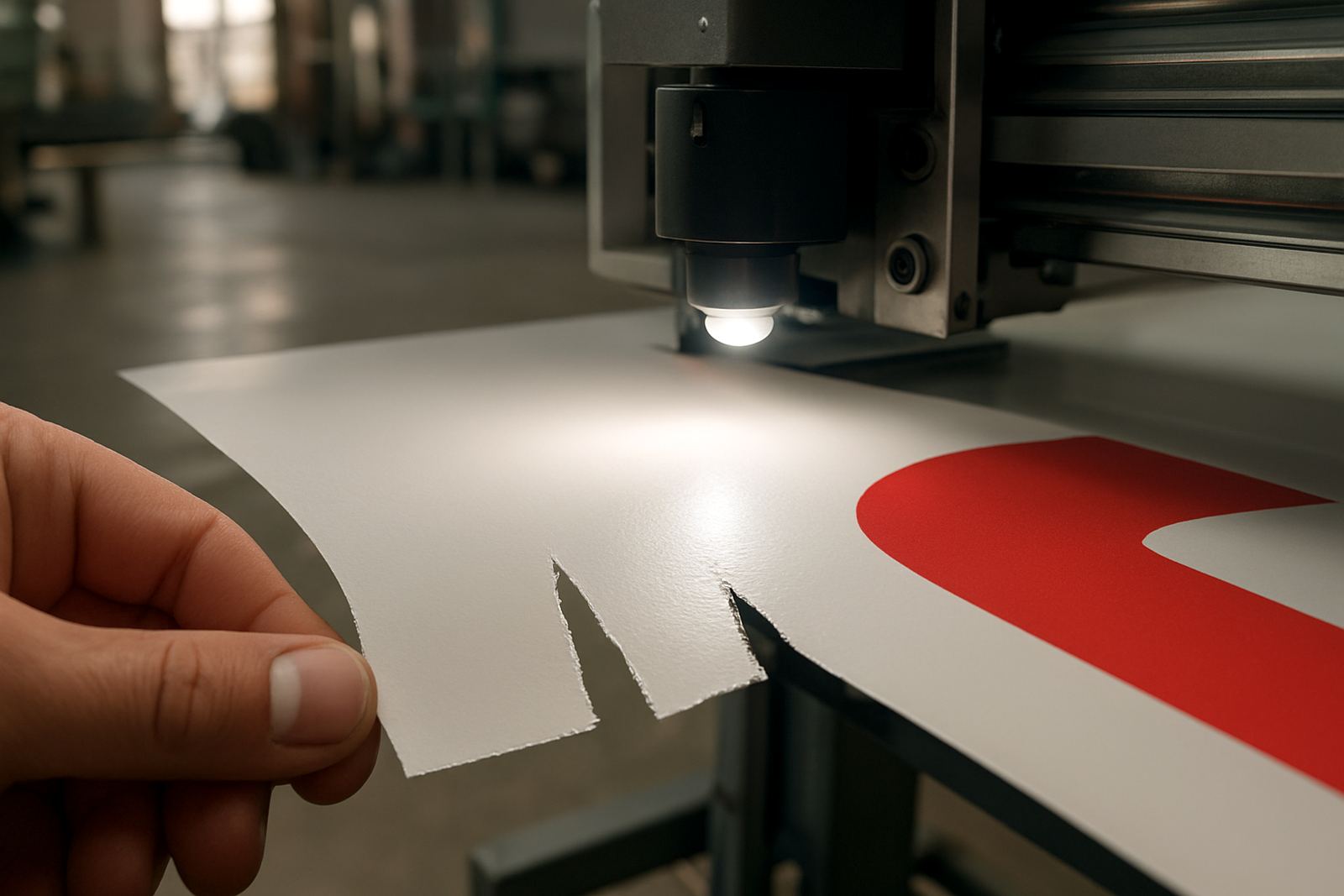
Many contour cutting problems begin before the blade touches the media. Blade pressure, media type, feed alignment and registration marks all affect the final cut. If the pressure is too high you can mark the liner or overcut corners, and if it is too low the cut may leave fibres or lift on weeded edges.
Humidity in coastal areas can change how some films behave, while cold mornings in Gauteng can affect static and media feed. That means a setting that worked yesterday may need a small adjustment today. A short setup check before production often prevents a long cleanup later. It sounds simple but it saves money.
Training that helps teams work faster and safer
Good training is not only for new operators. It helps the whole team understand where errors start and how to correct them before a job is lost. Our training topics cover practical steps that can be used on the floor the same day.
- Operator Induction for first-time users and relief staff.
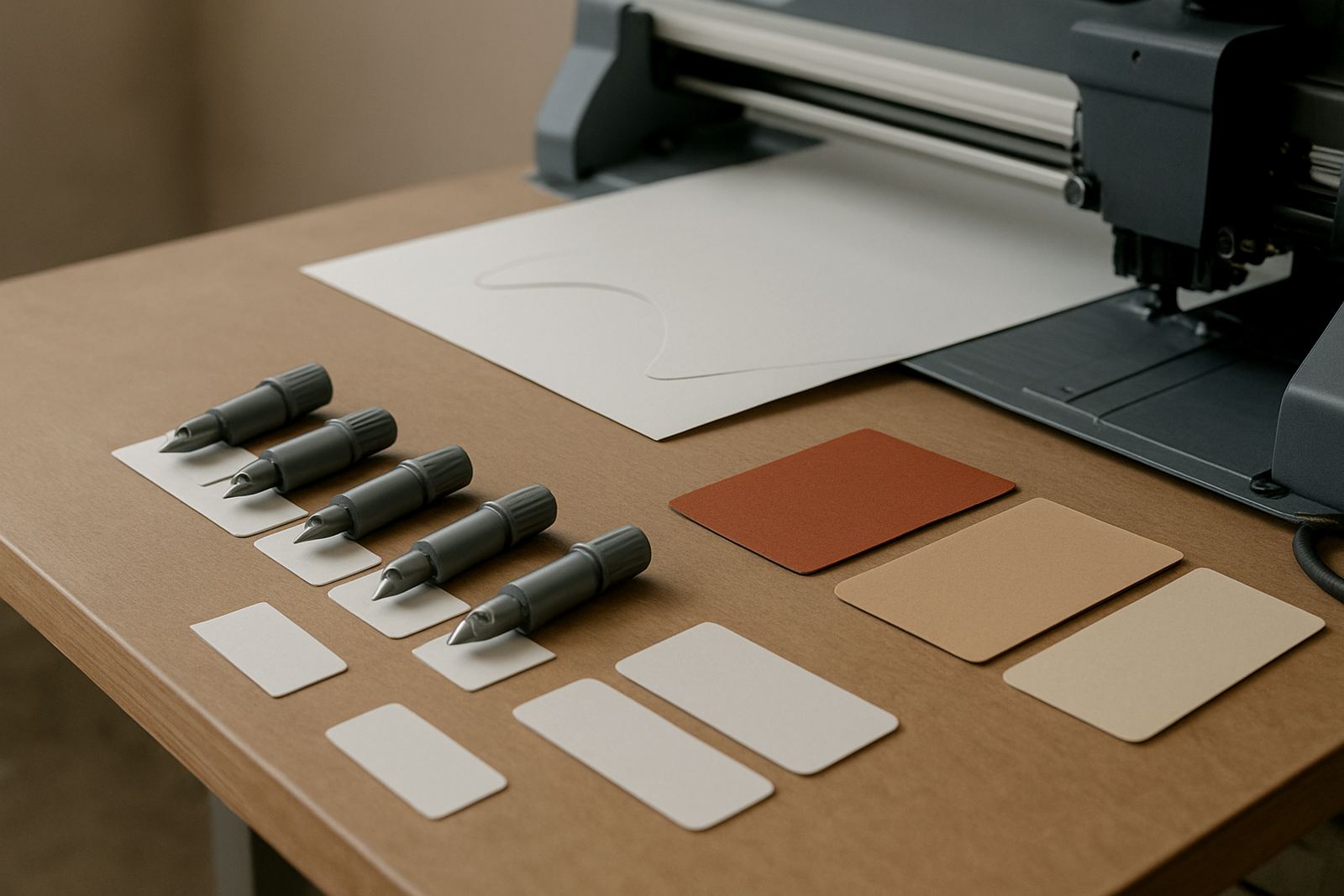
- Blade Pressure Setup for cleaner cuts and longer blade life.
- Registration Calibration for print-and-cut accuracy.
- Troubleshooting Session for repeated faults and setup mistakes.
- Remote Refresher for teams that need a quick update without travel.
When a shop has a clear process, shifts run smoother and handovers are easier. That matters when production is split between busy branches or when one person is covering more than one machine.
Maintenance basics that protect output
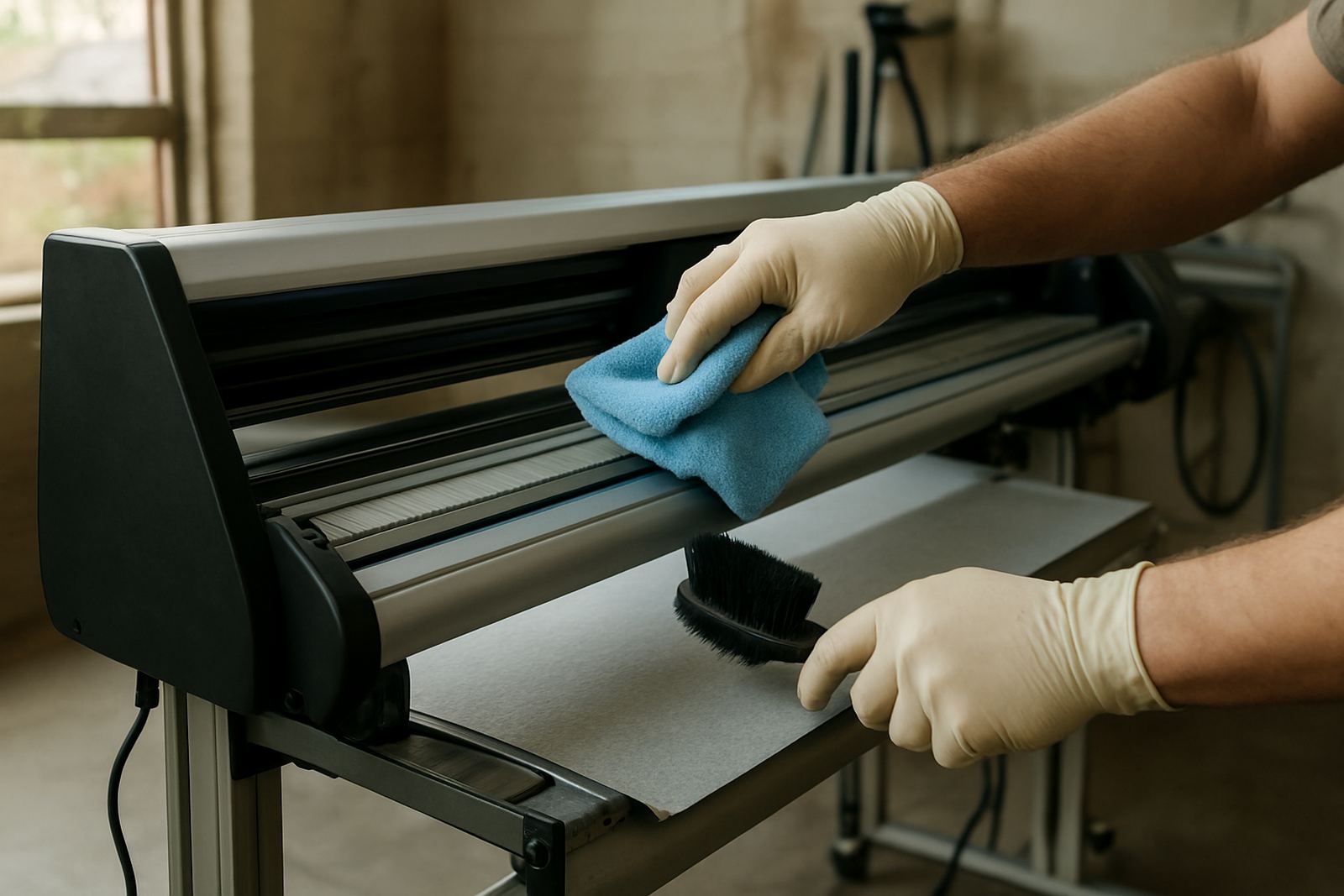
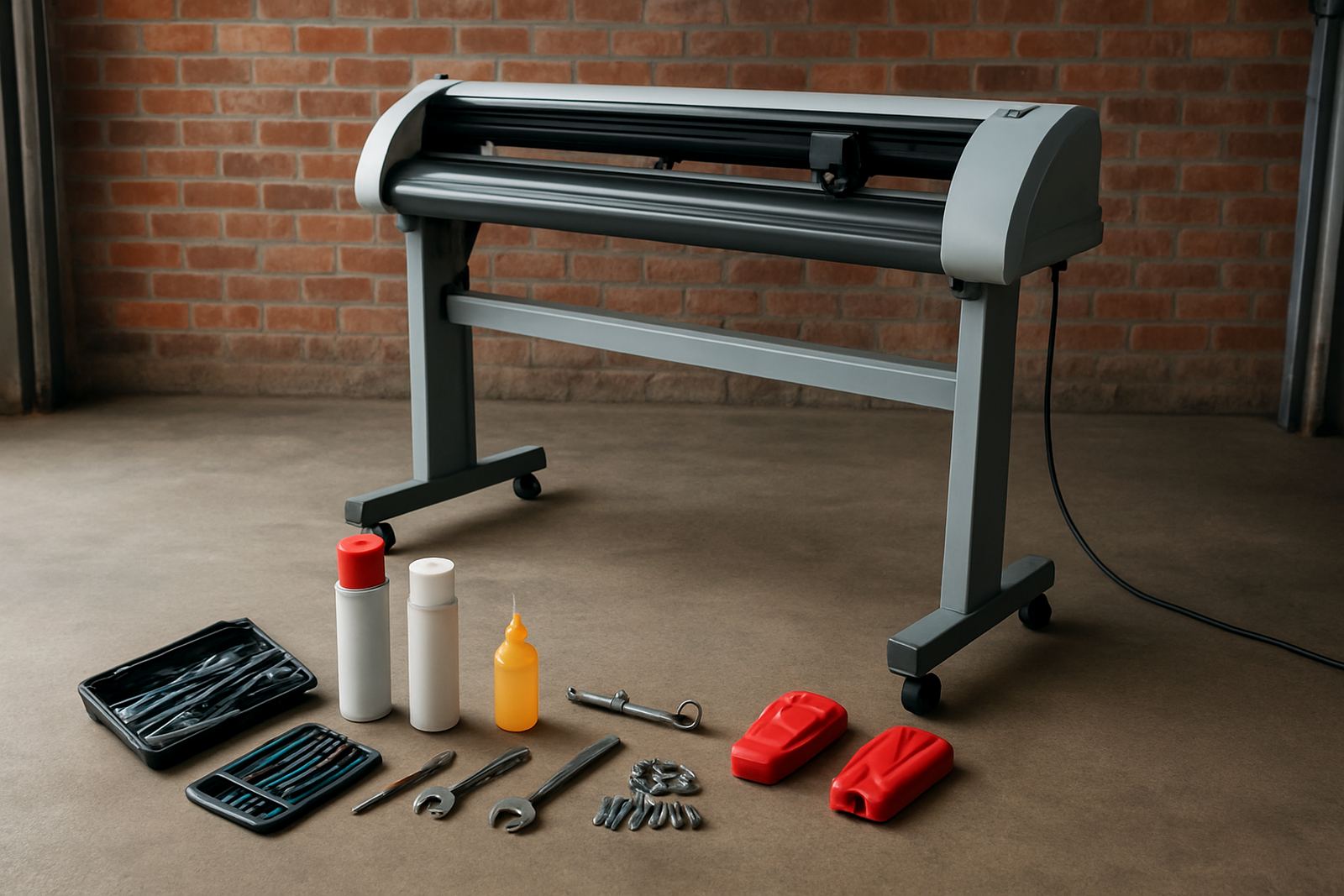
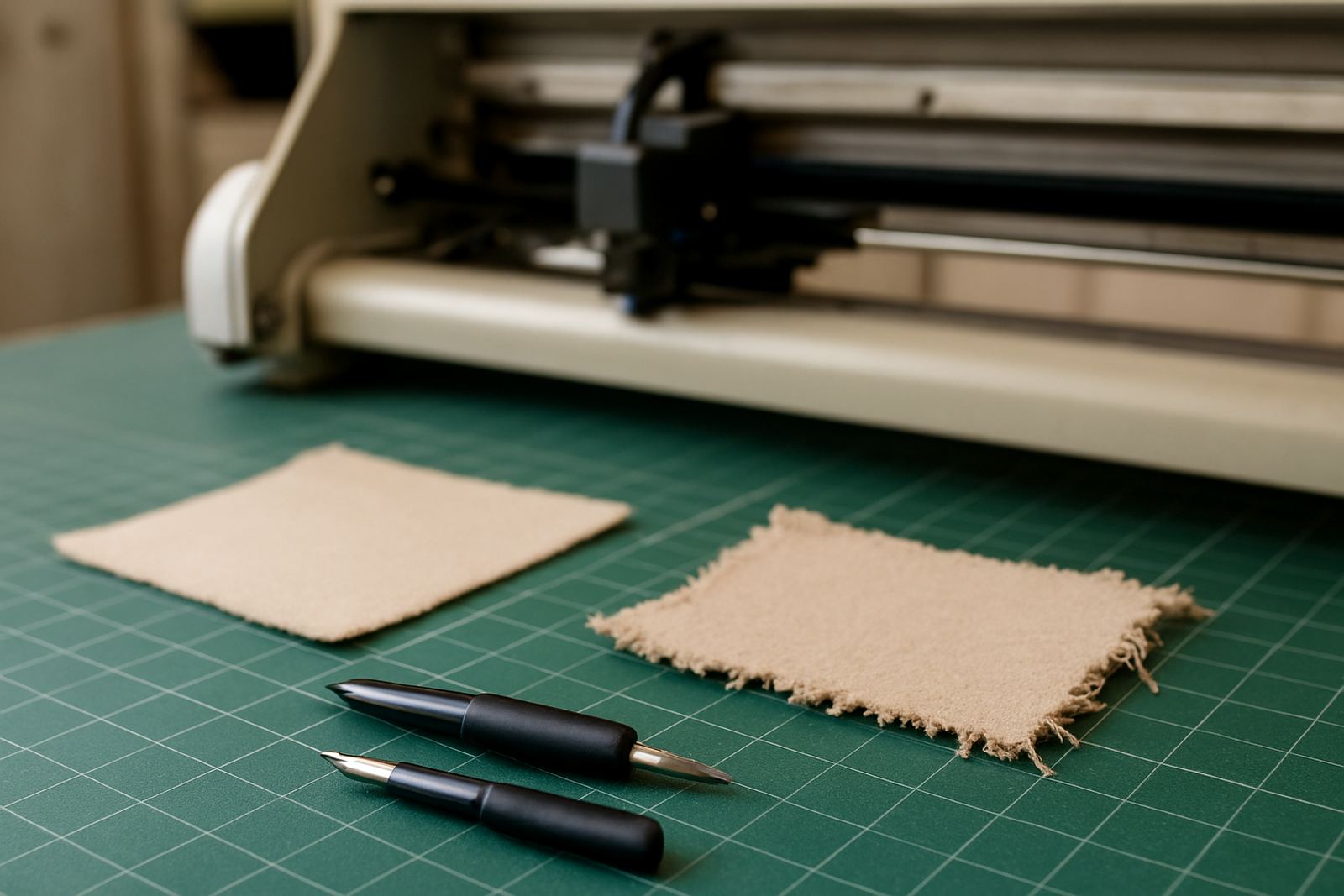
Regular care keeps a cutter working properly and helps avoid stop-start production. Dust, adhesive build-up and worn blades can all affect cut depth and accuracy. In many shops the biggest gains come from simple habits done weekly, not expensive repairs done too late.
Keep the cutting area clean, inspect pinch rollers, check the blade holder and make sure media paths stay free of scraps. In areas with load-shedding, it is also wise to shut down correctly and restart with a quick test cut after power returns. That small check can prevent wasted stock on the next job.
When local support makes a difference
Contour cutting equipment is used across Johannesburg and beyond, so support needs to work in real production conditions. A team in Isando may need on-site help one week and a remote refresher the next, while a client in Boksburg or Randburg might need fast assistance after a machine move or a new operator starts.
Our cutter installs are handled nationwide, with support across Isando, Sandton, Midrand, Germiston, Boksburg and Randburg. That makes it easier to plan a rollout, train staff and keep production moving whether you are in a single workshop or a multi-site operation.
Use these notes to plan better jobs
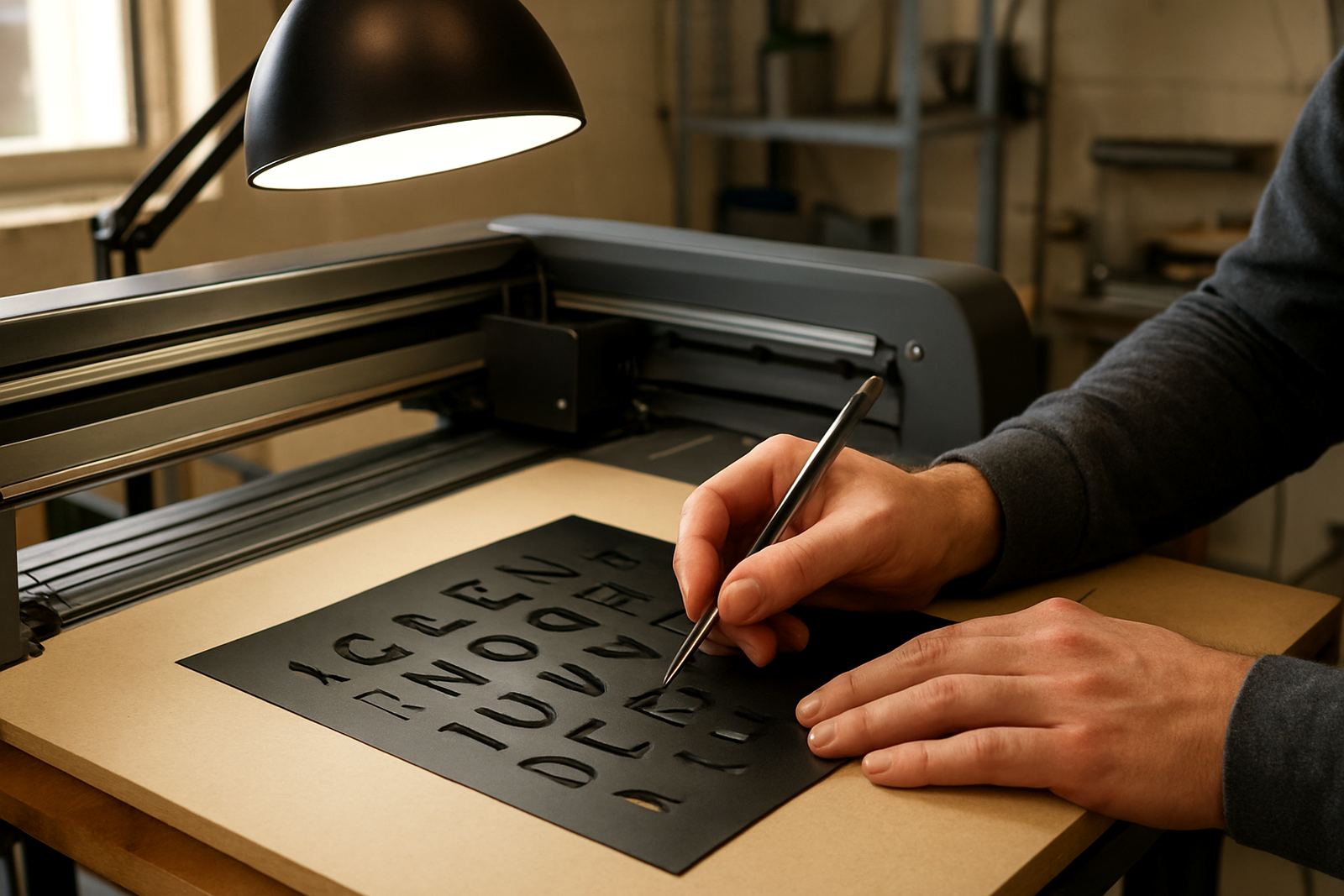
Before you start a run, check the artwork, the material and the machine setup together. This simple habit reduces waste and helps you quote more accurately for signs, labels, decals and custom graphics. It also gives supervisors a cleaner way to schedule work around deadlines and supplier lead times.
Whether you are comparing cutter setups or training new staff, these notes are here to help you make practical decisions. If you need help choosing the right next step, the team at Contour Cutting can assist with setup, operator coaching and technical support.