Start with the jobs you cut most often
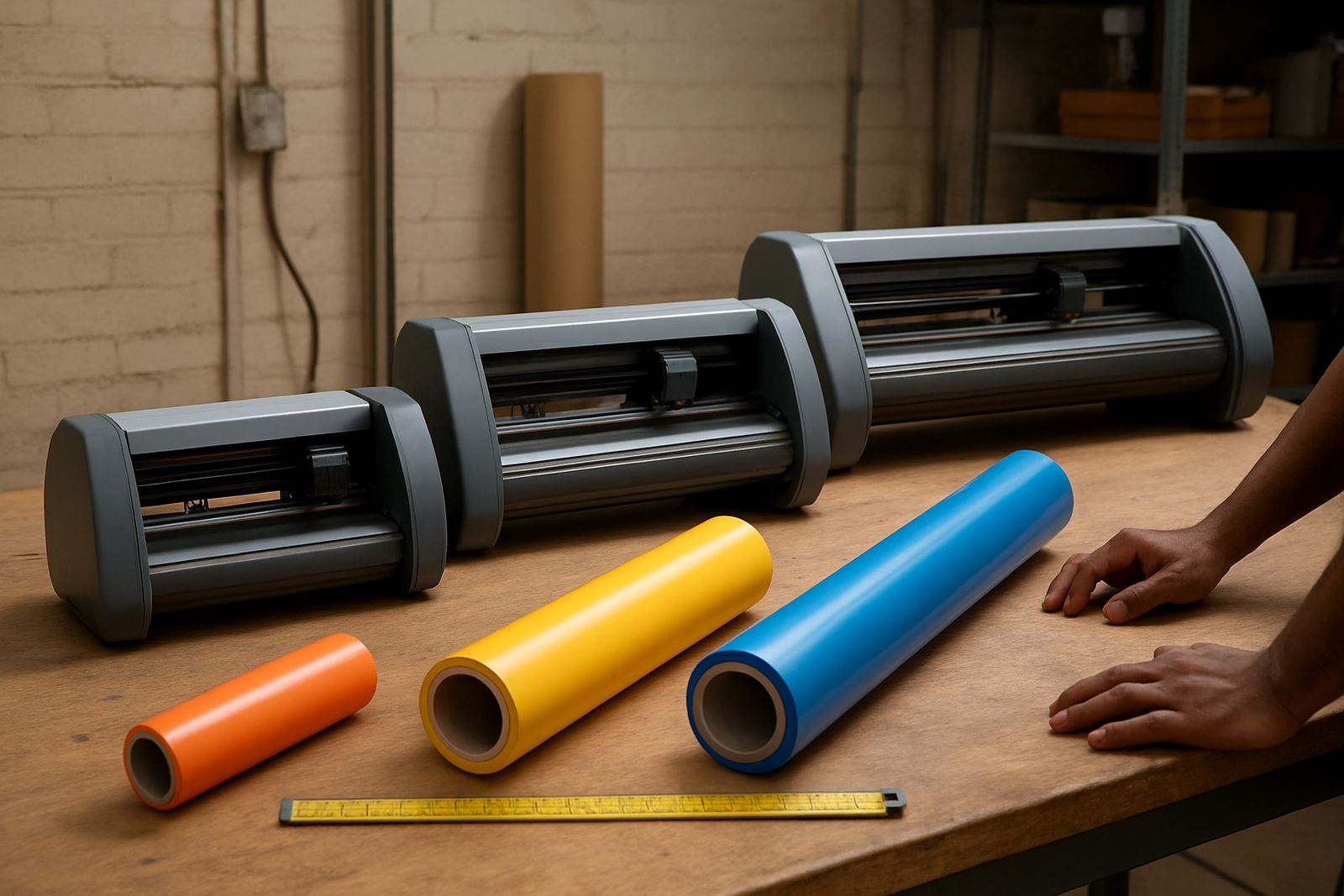
If your work is mainly stickers, vehicle decals, labels or small graphics, a narrower cutter can be a sensible choice because it handles short runs quickly and takes up less room. If you produce shop signage, full colour print-and-cut graphics, or longer panel work, a wider machine gives you more room to work with standard media widths and fewer joins.
Think about your busiest month, not your quietest week. A machine that suits one-off samples may struggle when you need to turn around 200 decals for a promotion in Randburg or 40 reflective stickers for a fleet job in Germiston. The width should match the kind of volume you want to move through the shop, not just the biggest artwork you have seen.
- Small-format label and decal work: narrower widths can be efficient
- Mixed print-and-cut work: medium widths offer more flexibility
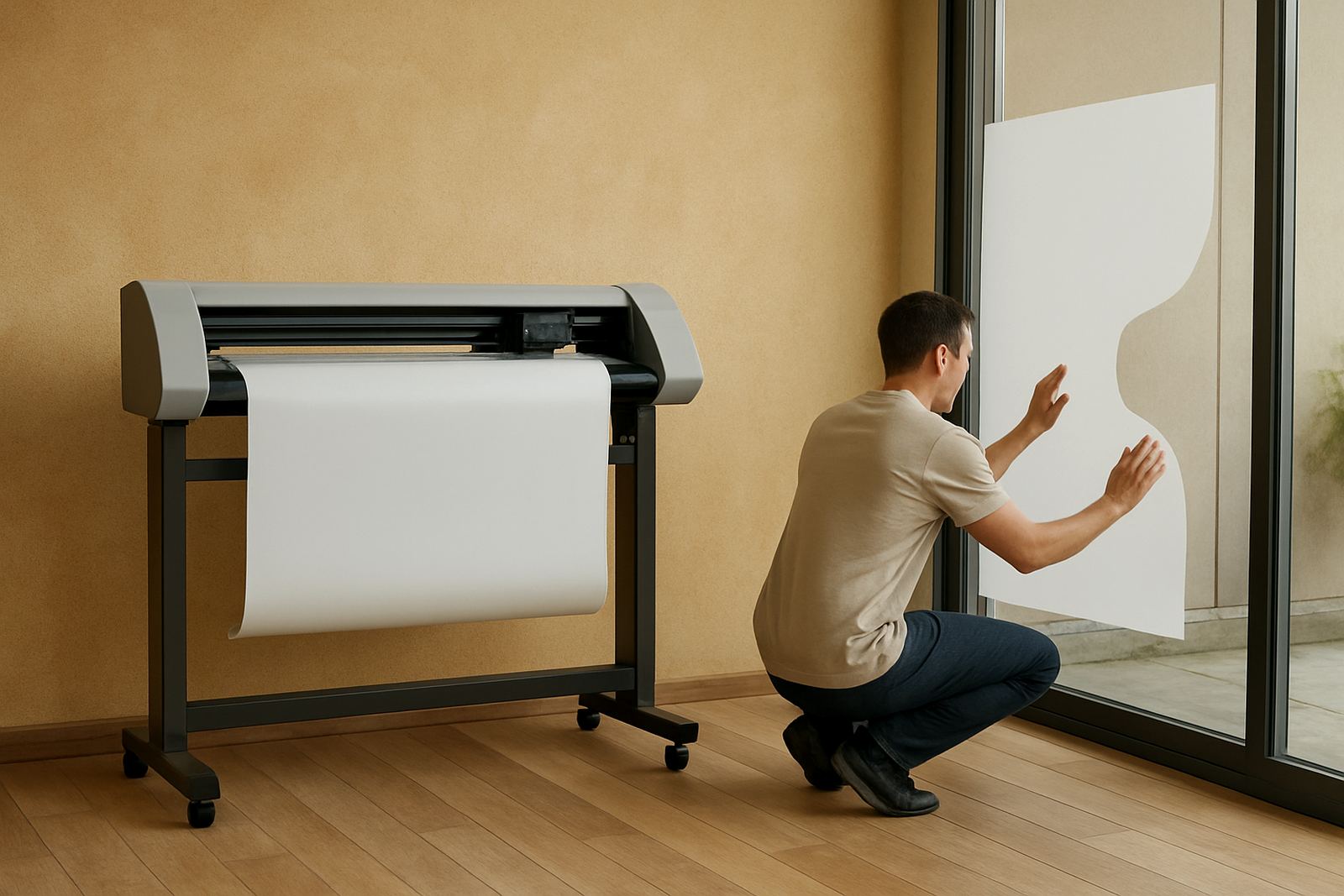
- Long sign graphics and larger decals: wider widths reduce panel joins
Match the cutter to your media roll widths
One of the most common mistakes is buying a cutter that does not match the rolls you already use. In South Africa, media is often supplied in widths that are convenient for print finishing, so it makes sense to check your roll sizes before you choose a machine. If your printed vinyl is regularly 1,370 mm wide, a cutter with a working width that gives proper clearance is usually better than one that is only just wide enough.
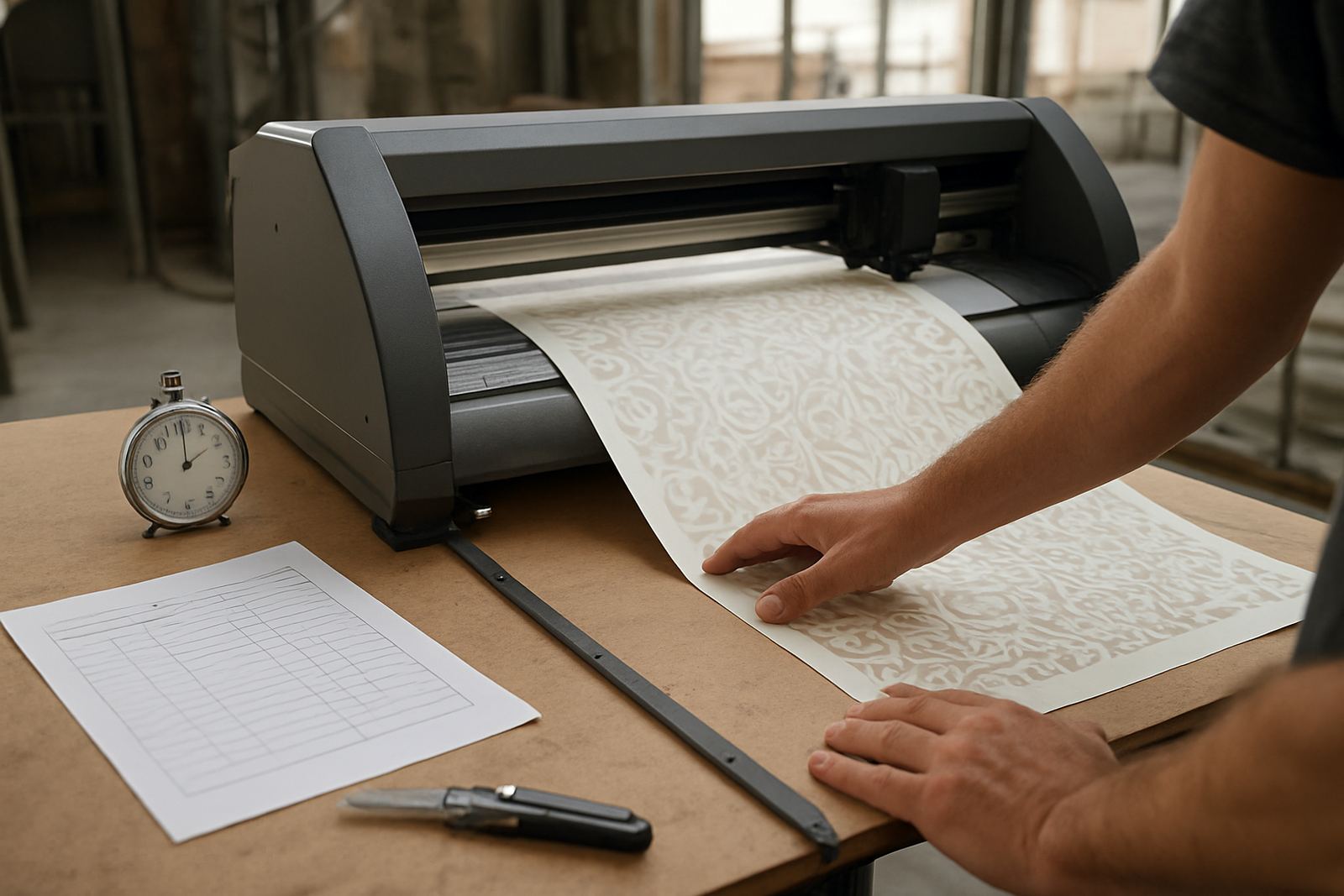
Allow space for skew, tracking and edge handling. A machine that is technically wide enough on paper can still feel tight when you are feeding curled material after a humid week on the East Rand. That is where proper operator setup matters just as much as the machine spec.
- Check the real roll width you use most often
- Leave clearance for skew and edge trimming
- Consider how the media behaves in heat and humidity
Measure the floor space around the machine too
The cutter is only part of the footprint. You need room to load media, collect cut work, and move safely around the unit. In a busy Isando workshop, that can be the difference between smooth production and staff bumping into one another all day. Leave space behind the machine if you need to manage roll holders, and leave enough space in front for finished sheets or long runs.
Also think about power and dust. Load-shedding means many shops rely on backup power, so the cutter should be placed where changeover is simple and cables are not in the way. If the area is close to a door, roller shutter or compressor line, check that vibration, dust and passing traffic will not affect registration or tracking.
- Allow space for loading and unloading long media
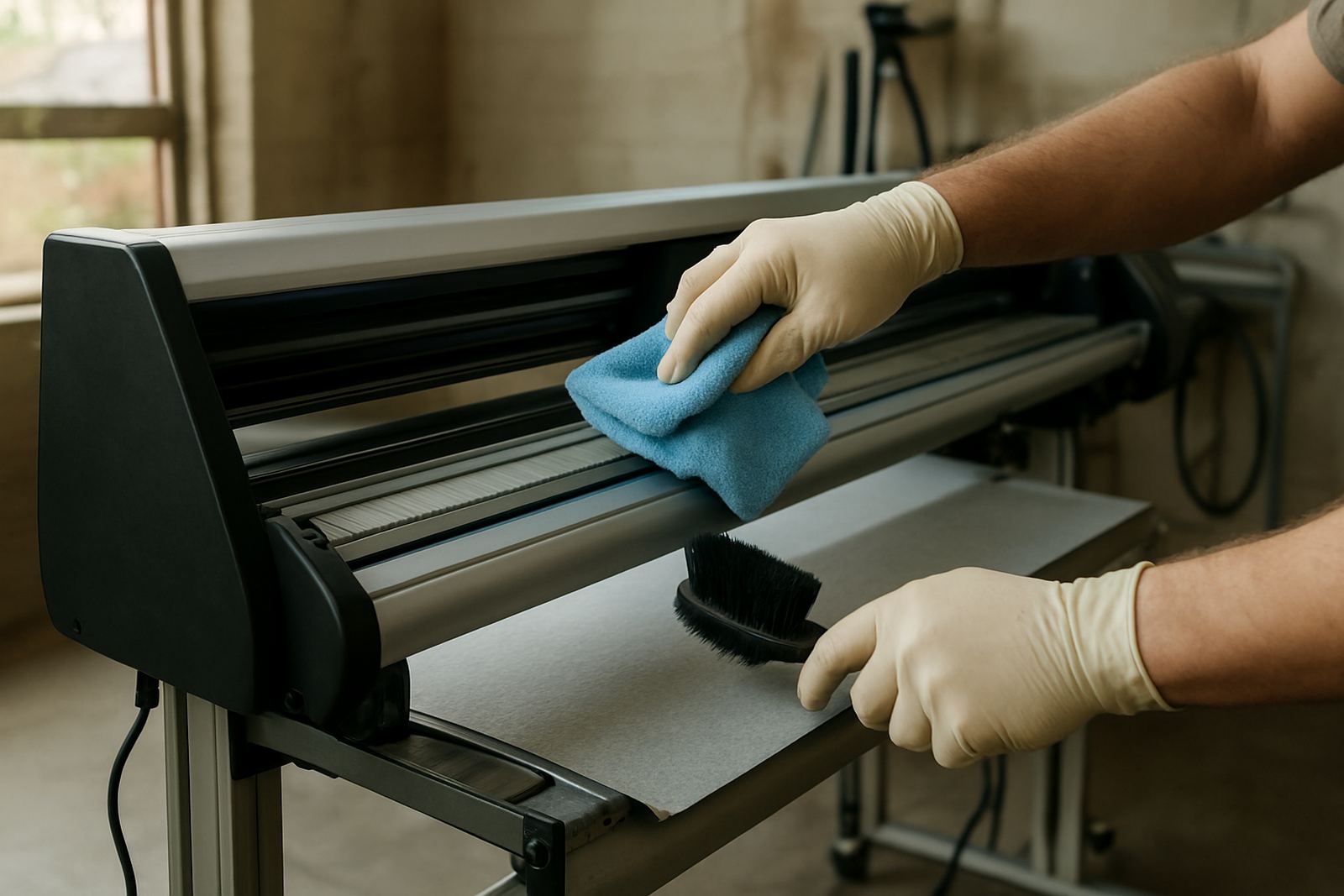
- Keep access clear for cleaning and maintenance
- Position the unit with backup power and safety in mind
Choose width with operator skill in mind
A wider cutter can do more, but it also asks more from the operator. The person setting blade pressure, loading media and checking registration needs enough training to keep work accurate from the first metre to the last. If your team is still learning cut lines, blade settings and workflow basics, a mid-size machine is often easier to manage than jumping straight to the biggest option.
Good training reduces waste. When the blade is too deep, the media lifts. When pressure is too light, corners do not release cleanly. When registration is out by even a small amount, repeat runs become costly. That is why installation support, operator induction and troubleshooting sessions matter just as much as the width itself, especially when production is busy and you need the cutter earning its keep from week one.
Think about the kind of growth you want over the next two years
It makes sense to buy for where your business is going, not just where it is today. If you plan to add more print-and-cut work, take on larger signage jobs, or serve more clients in Sandton, Midrand or Boksburg, a wider cutter may save you from replacing equipment too soon. But if your work is steady and compact, oversizing can lock up money and floor space that could be used elsewhere.
A practical way to judge this is to list your top ten jobs from the last three months. Note the media width, the longest cut length and how often each job repeated. If most of your work sits comfortably within one size band, there is no point paying for unused width. If your jobs are already pushing the limit, that is a sign to step up now rather than later.
- Review your last few months of production records
- Check repeat job sizes and longest cut lengths
- Balance purchase cost against future capacity
Local example: a shop in Isando choosing for daily production
A print shop in Isando that handles stickers for builders, event graphics and small retail signage may start by measuring three things: the most common roll width, the space beside the printer, and the number of jobs that must be turned around in a day. If the team cuts mostly medium runs, a mid-width machine can keep production moving without taking over the whole floor. If the shop also installs graphics nationwide, it may need extra width for larger panels and fewer joins on site.
That decision is rarely about one big job. It is about daily work, storage, operator comfort and how quickly finished pieces can leave the floor. In many cases, the right answer is the width that matches your standard media with a little room to spare, not the widest cutter available.
If you are unsure, get the production team to measure the largest repeat job and the most common roll you buy. A short planning session can save a lot of wasted spend later, and a good machine choice will feel right every single day.