Why the format matters before the first cut
On paper, a cut is a cut. In production, a sheet and a roll ask for different handling, different setup time and different levels of operator attention. Sheet-fed work is usually the better choice when you need tight control, clean registration and short run turnaround. Roll-fed work suits longer repeats and continuous output, but it is not always the fastest path when the artwork changes a lot between jobs.
In Johannesburg, where many shops are balancing same-day work, load-shedding and mixed client demands, the right format can save a shift. A team in Isando doing 30 short-run decals for one client and 500 identical labels for another will not want to load both jobs the same way. The one who thinks through the media first usually has fewer re-cuts and less waste.
When sheet-fed work is the smarter call
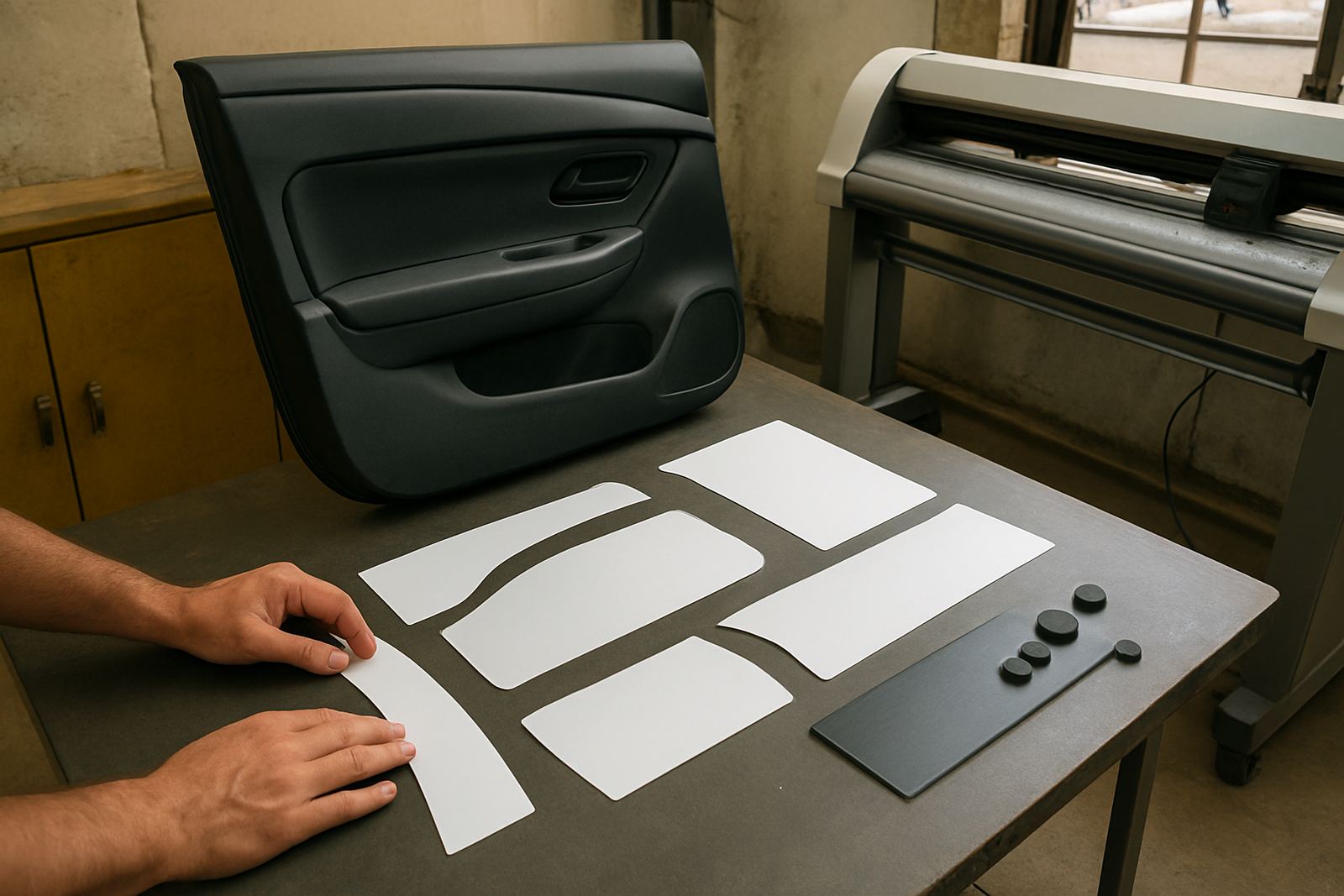
Sheet-fed jobs suit work that has a defined size, a clear edge and a controlled quantity. Think presentation stickers, sample sets, small POS runs, short promotional batches and cut vinyl pieces that must stay flat. Sheets are easier to stack, inspect and move between print, cutting and packing stations. That matters when your team is working in a busy production room and the next job is already lined up.
- Short run stickers with multiple SKUs
- Proofs and client sign-off samples
- Rigid or semi-rigid media that should not curl
- Jobs needing easy hand sorting after cutting
Sheet-fed work also helps when humidity is high, especially on the coast, because you can limit how long the media sits out before cutting. Less exposure means less curl, less drift and fewer issues at registration points. If the client needs 50 sheets by 4 pm, a tidy sheet workflow can beat a long roll setup every time.
Where roll-fed cutting earns its place
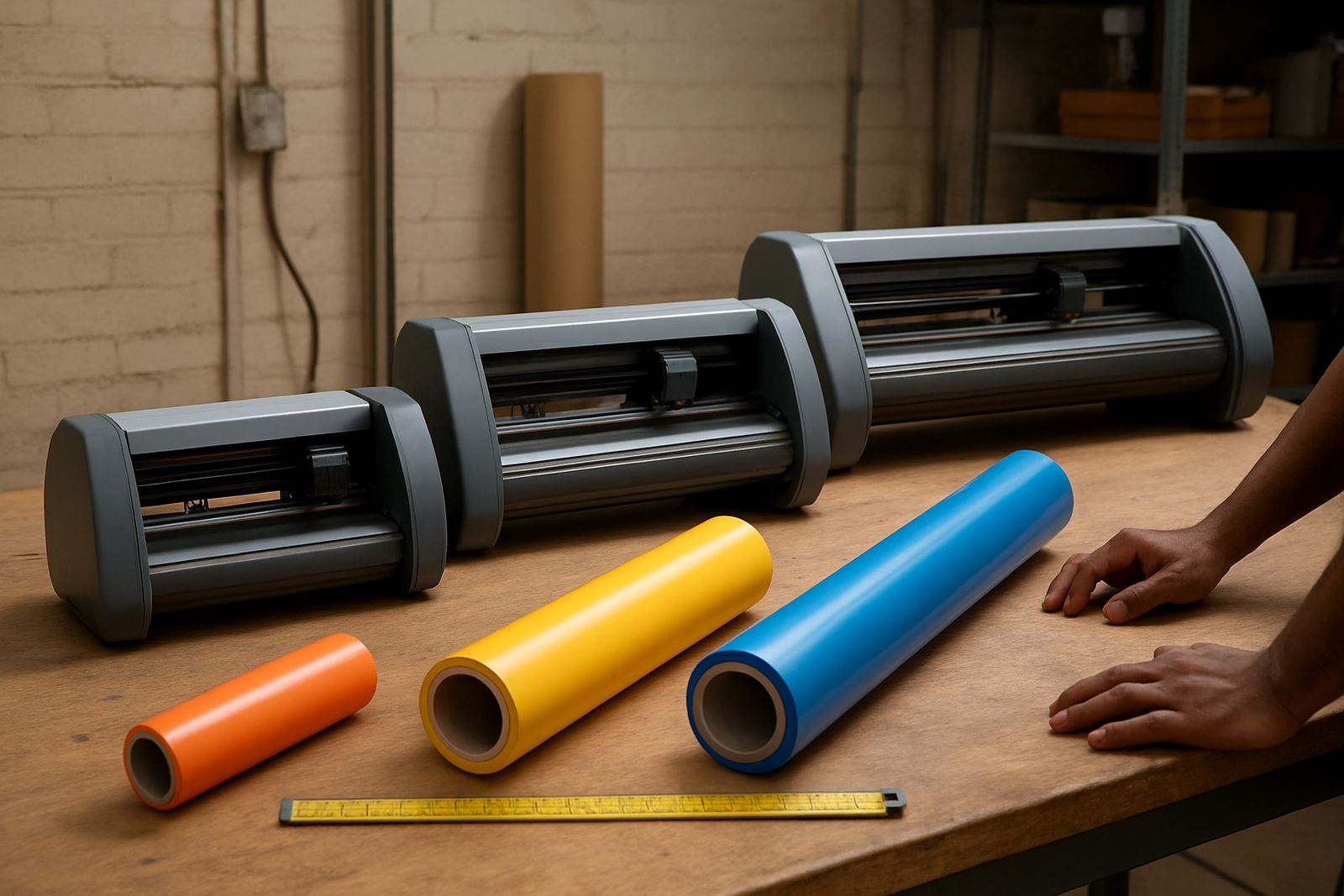
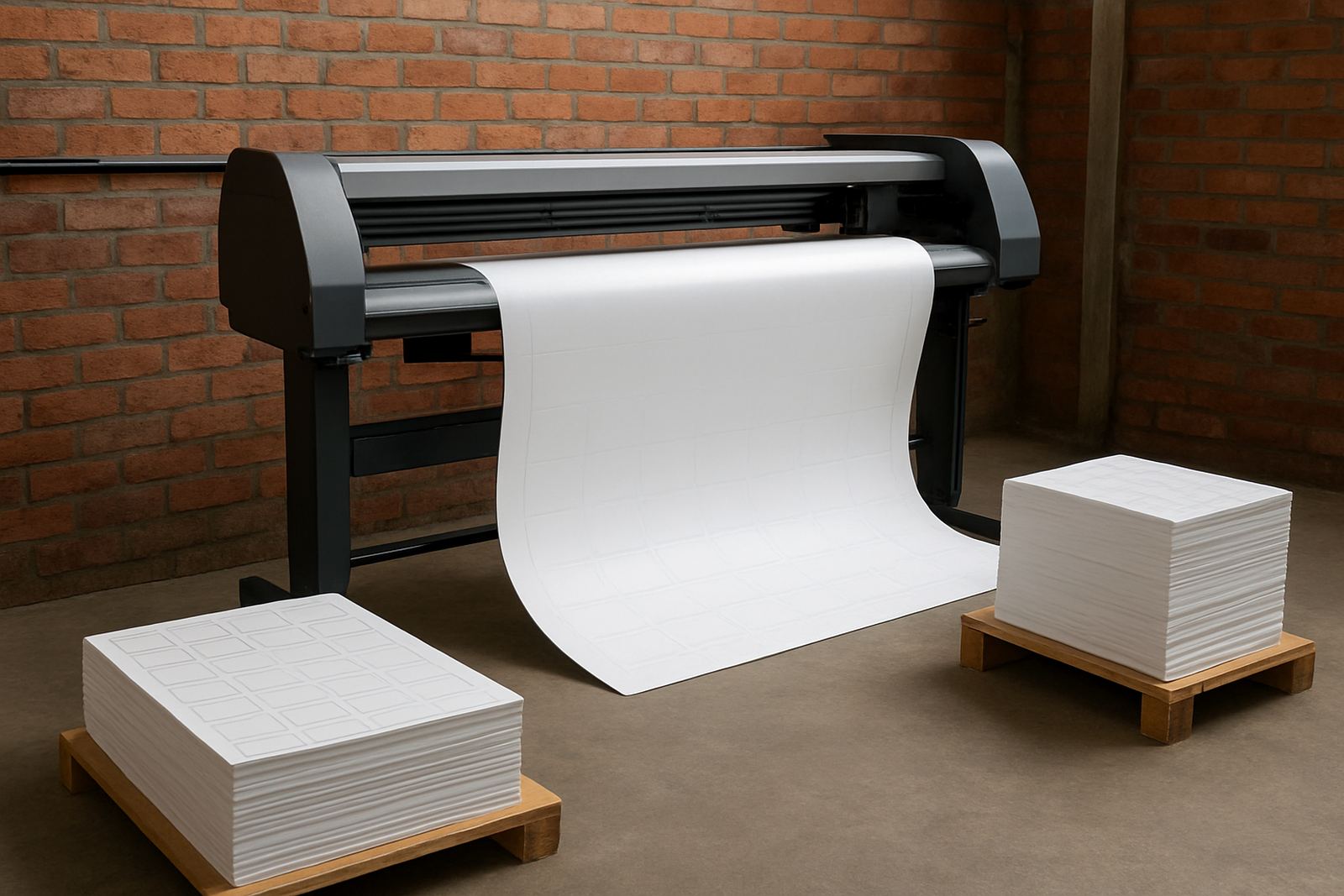
Roll-fed cutting makes sense when the artwork repeats over a long length and the machine can keep moving without interruption. This is useful for bulk labels, vehicle graphics, directional signage strips and longer promotional runs. The big benefit is throughput. Once the registration is set and the media is tracking properly, the machine can work for extended periods with less handling.
That said, roll jobs need discipline. A slight tracking issue at the start can show up 3 metres later, and by then the waste is bigger than the gain. If the substrate is thin, the blade pressure is too high, or the media edge is damaged, the roll can wander. On a windy site in Boksburg or an air conditioned room in Sandton, those small differences can affect the result.
- Long repeat runs with identical artwork
- Projects where material usage needs to stay low
- Jobs that suit continuous feed and less manual sorting
- Work that can be nested tightly along the roll
The real cost is not only material
Many shops look at square metres and stop there. But the true cost of a job includes setup time, operator handling, cut accuracy, waste, rework and how quickly the finished product can be packed. A sheet job may use slightly more material, yet finish faster if it removes the need for constant roll monitoring. A roll job may look cheaper on paper, then slow down the floor because the team must babysit the feed.
For smaller teams, especially those with one cutter and one press, the best choice often comes down to flow. If the operator can load a sheet, calibrate once and move to finishing, the whole room keeps moving. If the roll needs constant checking, it can hold up other work. The goal is not to choose the fanciest format, it is to keep production moving without avoidable stoppages.
How to decide before you send the job to cut
A good production decision starts with four questions. First, is the artwork repetitive or varied? Second, how flat and stable is the media? Third, how much handling will the finished pieces need? Fourth, what can your cutter handle without forcing extra passes? If the job has mixed sizes, lots of small parts or frequent artwork changes, sheet-fed is usually the cleaner option.
- Choose sheet-fed when precision and sorting matter most
- Choose roll-fed when the run is long and repeatable
- Check humidity, heat and static before loading
- Match blade pressure to the actual media, not a guess
At Contour Cutting in Isando, many teams ask for help with artwork cut lines, registration calibration and blade pressure setup because those three points decide whether the job behaves on the day. The machine can only cut what the media and file allow, so the prep must be right first. A quick operator induction or troubleshooting session can save a lot of wasted stock later on.
A Johannesburg example that shows the difference
A Randburg print shop needed a quick promotional run for a retail client: 120 sticker sets, each with three sizes, plus a handful of samples for approval. They could have loaded a roll, but the mix would have meant constant checking and manual sorting. The better route was sheet-fed, with the sheets organised by size and cut in one controlled sequence. The pack-out was quicker and the client got the samples on time.
Now compare that with a long run of identical labels for a Midrand warehouse job. There, roll-fed cutting made more sense because the artwork repeated, the media tracked well and the job could run in batches through the shift. Two jobs, two different choices. That is the point: the format should suit the production, not the other way round.
Keeping both methods productive on the floor
Shops that handle both sheet and roll work need simple habits. Keep media stored flat where possible, make sure the cutter area is clean and set a standard process for loading, calibration and test cuts. If one operator leaves blade pressure too high on a thin sheet and another undercuts a roll, the results will vary even when the artwork is the same. Small process differences matter.
For busy teams in Sandton, Germiston or Boksburg, the strongest production rooms are usually the ones that treat setup as part of the job, not a bonus. When the operator knows when to use a sheet, when to use a roll and how to set each one properly, the cutter becomes more predictable. And in this line of work, predictable is what keeps deadlines under control.