Start With One Machine, One Media, One Job Type
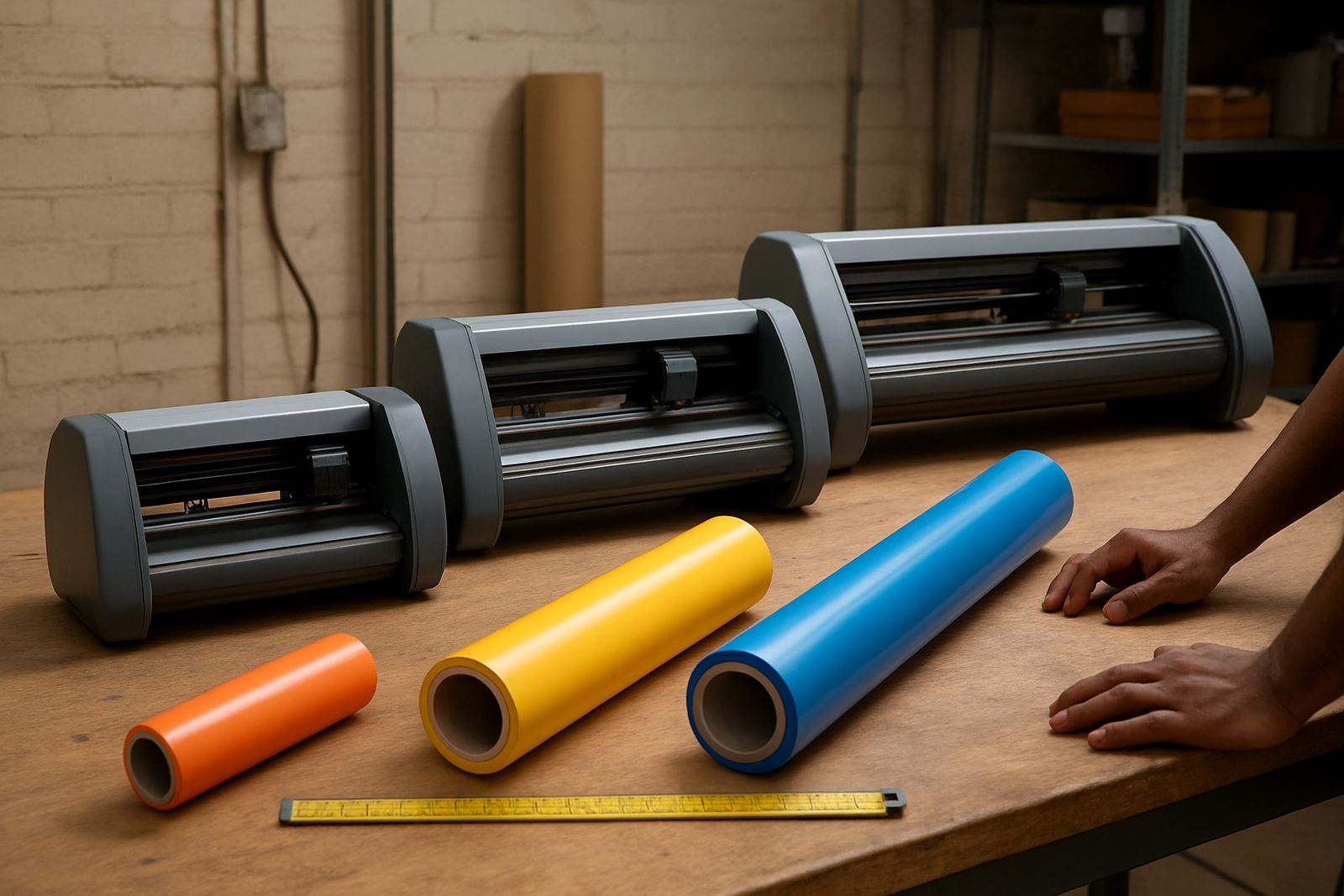
The quickest way to slow a new operator down is to give them three machines, five media types and a full production schedule on day one. A better approach is to start with one print-and-cut unit, one common vinyl or sticker stock, and one repeat job such as labels, decals or short-run promotional graphics. That gives the operator a pattern they can learn properly.
In Isando, we often see businesses try to train across every format at once because the work is busy and everyone is under pressure. But when a new person learns media loading, registration marks and basic cut settings on a single job type first, the number of wasted sheets drops fast. It also makes it easier to spot where the mistake started.
For most teams, the first week should cover machine safety, clean handling of rolls or sheets, and the simple habit of checking artwork before loading. Keep the process steady. If the operator can repeat the same setup ten times without help, they are ready for a slightly harder job.
Teach Setup in the Same Order Every Time
Operator confidence grows when the setup sequence never changes. New staff should follow the same order from start to finish, even if the job is small. That means artwork check, media choice, loading, blade pressure setup, registration calibration and then a test cut before production starts.
- Check the art file for outlines, cut lines and correct sizing
- Confirm the media is suitable for the job and stored flat and dry
- Load the sheet or roll square to avoid tracking drift
- Set blade pressure and depth for the material thickness
- Run a test cut and inspect corners, weeding and edge quality
This order matters because most cutter errors are not caused by one big fault. They come from small misses that stack up. A slight skew in loading can affect registration, then the blade pressure is adjusted too far, and suddenly the cut is too deep. With a fixed routine, the operator learns to stop and check before moving on. It saves material and time, especially when load-shedding forces short production windows.
Use Test Cuts and Sample Sheets as a Training Tool
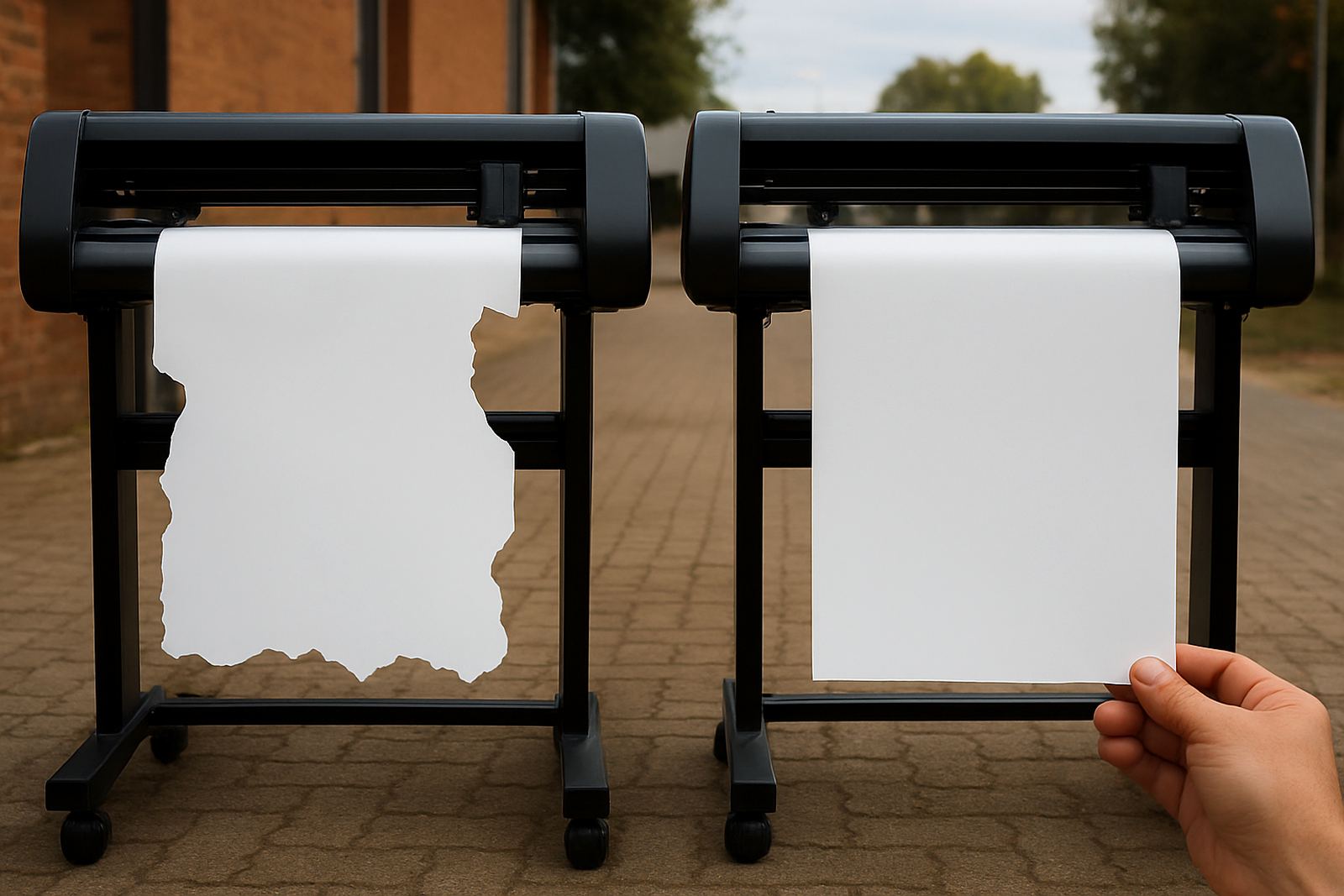
A good supervisor never treats test cuts as wasted time. They are the cheapest part of the learning process. Before a new operator runs a batch for a client, they should cut sample shapes on offcuts or a spare sheet and inspect the result under normal shop light. If the corners lift, the depth is wrong. If the liner is scored too hard, back off the blade pressure and try again.
Training should include at least three common faults so the operator can recognise them fast: poor registration, overcutting and lifting at fine detail points. Once those are understood, the operator can solve small problems without waiting for a manager every time. That said, they should know when to stop and ask for help. Guessing is what turns a minor setting issue into a full reprint.
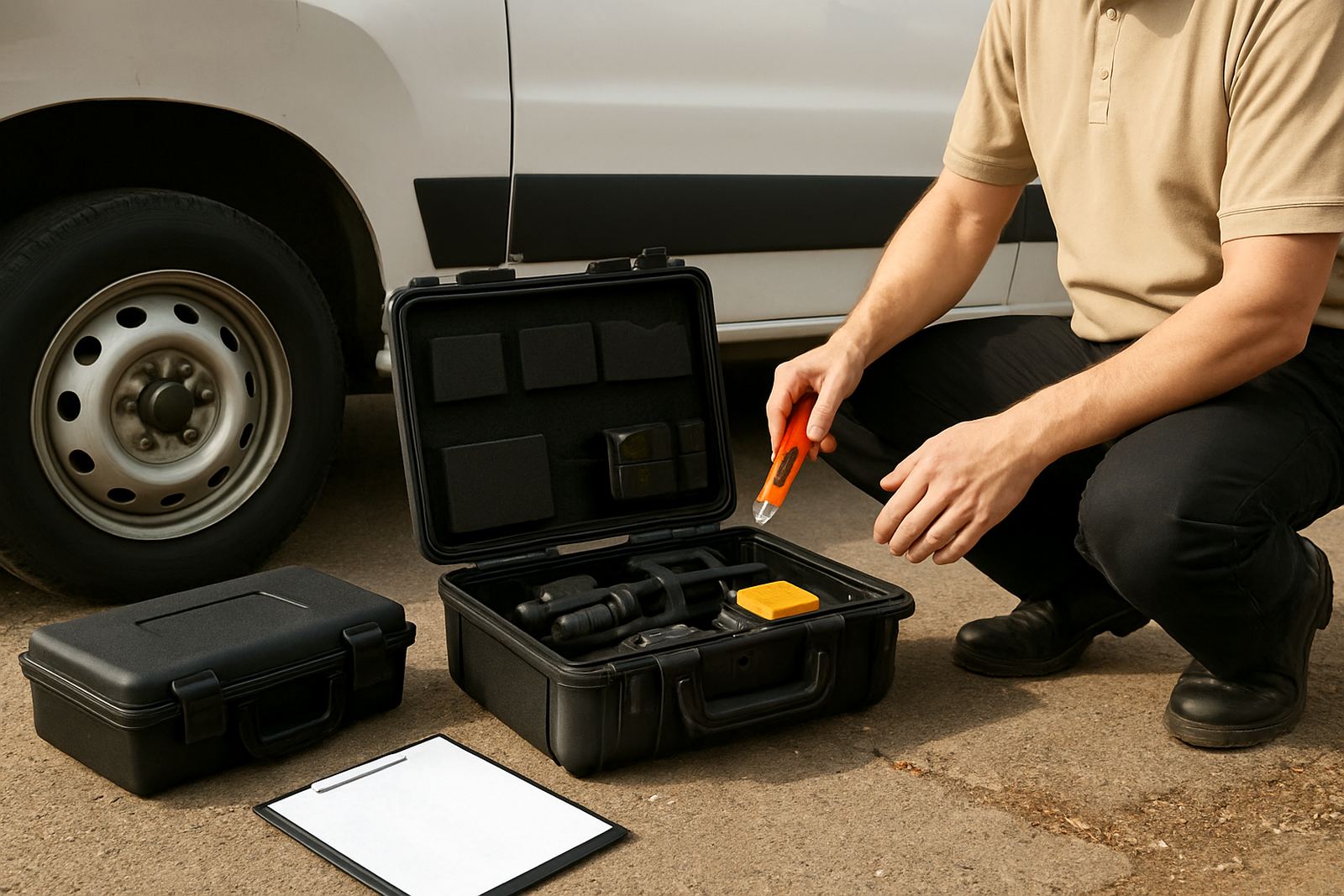
At Contour Cutting, we often recommend a simple sign-off sheet for first jobs. It can note the media used, cut settings, result and any corrections. That record becomes very useful when a second operator takes over or when a similar job comes back a month later.
Train for South African Working Conditions, Not Just Theory
Training should match the realities of local production floors. In Johannesburg and the East Rand, dust build-up, dry air and uneven power interruptions can affect how a cutter performs. On the coast, humidity can change how media feeds and how adhesive behaves. New operators need to know this from the beginning so they do not blame the machine for every issue.
They should learn basic maintenance habits too. Clean pinch rollers, check for adhesive residue, inspect blades for wear and keep the cutting path free of scraps. In many shops, the machine is used hard during the week and then ignored until a problem starts. That habit costs more than regular care, especially when a deadline is close and a municipal client wants a re-cut before lunch.
- Switch off properly during load-shedding to protect settings and files
- Keep rolls and sheets away from heat, dust and direct sunlight
- Check power stability before calibration or long runs
- Store spare blades, tools and media in a clean dry area
These basics sound simple, but they help new staff work with less fear. They also reduce the number of service calls for issues that could have been prevented on site.
Give New Operators a Clear Troubleshooting Ladder
A new operator should not feel that every fault is a crisis. They need a simple ladder for diagnosing problems. Start with the easiest check first, then move to the next one. Is the media loaded correctly? Are the cut lines aligned? Is the blade clean? Is the pressure too high? Is the registration reading accurate?
When the sequence is clear, the operator can solve many issues in minutes instead of sending the same question to the supervisor five times a day. It also keeps the team calmer during busy production periods. One missing comma in the setup notes can be enough to send the job the wrong way, so clear instructions really matter.
We suggest using short training cards beside the machine. Each card should cover one fault and the first three checks to make. That way, a new person has support even if the senior technician is busy on another installation in Sandton, Randburg or Midrand.
Make Supervision Part of the First Ten Jobs
The first ten jobs are where habits are formed. If a supervisor only checks the first job and then walks away, the operator may drift back into bad habits by midweek. Better results come from short reviews after each early job. Ask what went well, what took too long and where the machine needed adjustment.
Supervisor coaching should be practical. It is not about long meetings. It is about standing at the machine, showing the correct blade pressure setup, watching the first pass and correcting one issue at a time. For teams in busy production spaces, this saves more money than replacing spoiled media later.
Businesses that want faster ramp-up usually combine hands-on induction with remote refresher support. That works well for branches in Boksburg, Germiston and farther out across the country, because the operator gets immediate help on the exact job they are running.
A Local Example: From First Shift to Confident Production
A signage shop in Isando recently brought in a junior operator to support short-run decals for a retail client. Instead of throwing the new staff member into every job, the team focused on one sticker material, one cutter and one repeat workflow. The first two days were spent on media loading, registration calibration and test cuts only. By day four, the operator was producing clean runs with far fewer corrections.
By the end of the second week, the same operator was handling basic maintenance and flagging worn blades before they caused a bad cut. The supervisor still checked final output, but production was smoother and the team stopped losing time to rework. That is the real aim of operator training. Not perfection, just reliable output sooner.
For businesses with seasonal peaks, new site starts or staff changes, that kind of structure makes a real difference. A well trained operator is easier to keep, easier to coach and far more useful during busy periods when every sheet counts.