Sunlight Is Usually the First Thing to Win
Ultraviolet light breaks down inks, laminates and some plastics faster than most people expect. A graphic facing direct afternoon sun in Sandton will usually fade sooner than the same item in a shaded entrance in Midrand. South African sun is strong for much of the year, so outdoor life starts with the print system itself, not only with the cut.
If you need a sign to stay readable for a long period, choose materials and finishes rated for outdoor exposure rather than general purpose use. Even a neat contour cut cannot save a print that is already losing colour under UV. A small typo people make is assuming laminate alone fixes every thing, it does not.
- Face graphics away from direct sun where possible.
- Use outdoor-rated inks, vinyl and overlaminate.
- Expect faster fade on dark colours and reds.
- Check for UV exposure at different times of day, not only at install time.
Rain, Humidity and Coastal Air Change the Rules
Water does not only mean wet surfaces. It can creep into cut edges, lift corners and weaken adhesive over time, especially where there is constant washing or heavy morning dew. In Durban or Gqeberha, coastal humidity adds another layer because salt and moisture work into the film and around joins.
For inland sites such as Isando or Germiston, rain is still a factor on exposed walls, gantries and vehicle graphics, but the bigger risk is often thermal movement. Hot days, cold nights and repeated expansion can stress the edge of a contour-cut shape. That is why finishing and edge sealing matter just as much as the print itself.
- Avoid installing onto damp, dusty or recently painted surfaces.
- Allow enough curing time after printing and after paint work on the substrate.
- Use edge-friendly shapes where possible, very fine points lift sooner.
- Inspect sea-facing or washing-area graphics more often than inland ones.
The Substrate Beneath the Print Matters More Than Most People Think
A good graphic on a poor surface will still fail early. Corrugated sheeting, powder-coated metal, acrylic, aluminium composite, PVC board and painted walls all behave differently. Some hold adhesive well, while others need extra surface prep, primer or a different fixing method.
For long outdoor life, the substrate must be stable, clean and suitable for the environment. A sign mounted on a warped board will move every time the temperature changes, and that movement can split the cut line. In busy industrial areas around Boksburg or Randburg, dust and vibration can shorten service life too.
- Check for flex, rust, chalking paint and oil before application.
- Match the fixing method to the substrate, not only to the graphic size.
- Do not apply over peeling paint or porous plaster without testing first.
- For vehicles, make sure the panel is repaired and dry before fitting.
Cut Lines, Corners and Fine Detail Can Reduce Life
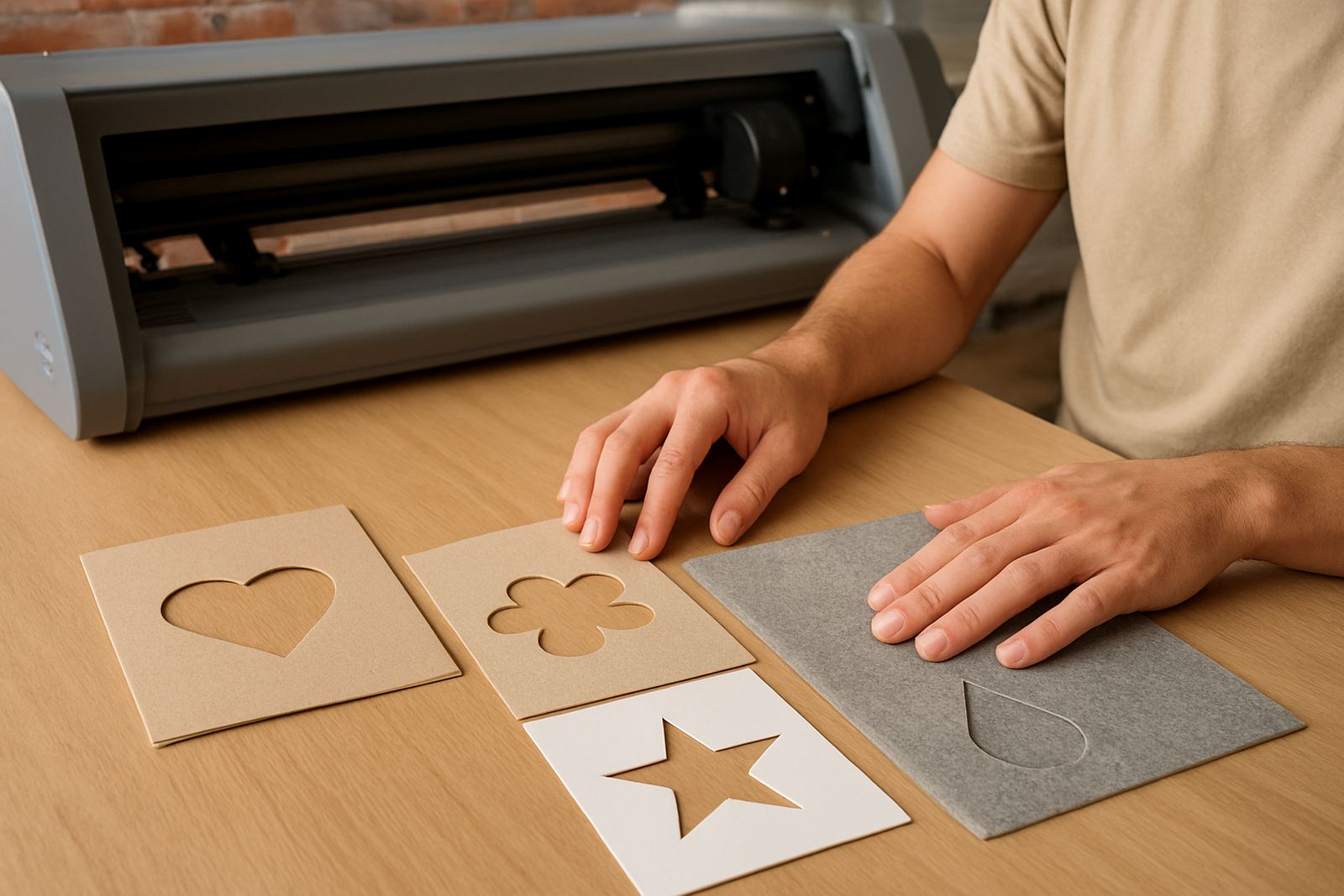
Contour cutting gives a graphic shape and presence, but the shape also affects durability. Sharp internal corners, tiny islands and very narrow bridges tend to lift first because wind and washing can get underneath them. The more delicate the outline, the more important blade setup and artwork preparation become.
For promotional decals or shaped signage, a slightly softened corner often lasts longer outdoors than a pointy shape with lots of stress at the tip. Operators working from the Isando base often see this difference when comparing a small car decal with a larger warehouse label. The same print stock, but the service life can differ quite a bit.
- Keep artwork clean and simplify tiny cut details where possible.
- Avoid overworking very small text or thin internal cuts.
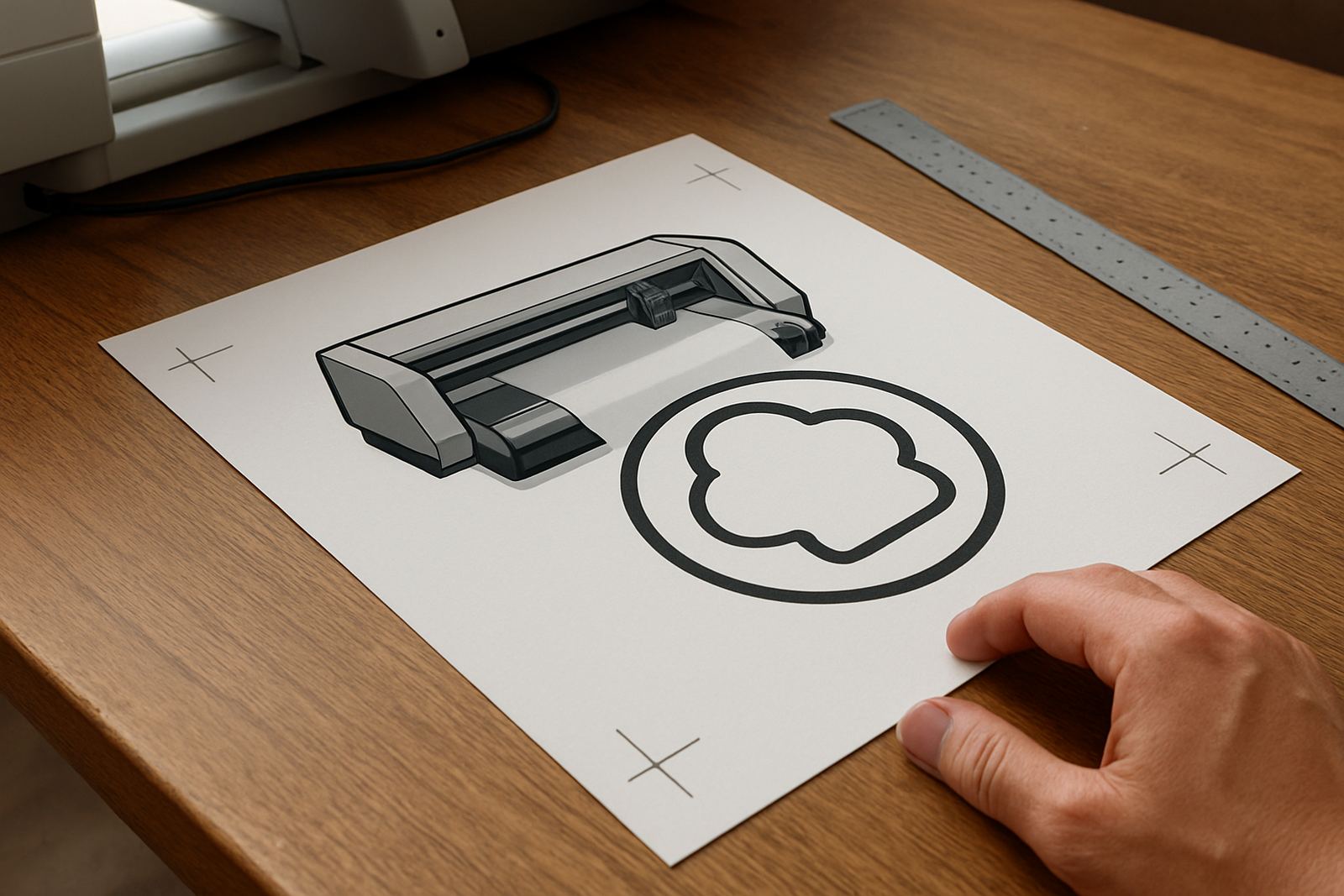
- Use proper registration calibration so print and cut stay aligned.
- Test a sample before full production on long-run outdoor jobs.
Installation Quality Can Decide the Last Few Years
Many outdoor failures start at install, not in production. If a graphic is rushed onto a dusty surface, or if the installer traps air and moisture, the edge becomes vulnerable. Wind at loading bays and rooftop signage points can also catch the lifted section and worsen it fast.
Good installation means clean prep, measured pressure and enough time for the adhesive to key into the surface. In places like Midrand and Sandton where signage is often seen up close, poor application shows quickly. In busier industrial zones, a sign may look fine from a distance but still be lifting at the corners after only a few months.
- Clean, dry and degrease the surface before fitting.
- Use the right squeegee pressure for the media thickness.
- Allow proper post-install cure time before washing.
- Recheck large graphics after the first hot and cold cycle.
Maintenance, Washing and Operator Training Extend Service Life
Outdoor graphics need care after installation. Harsh solvents, pressure washing too close to the surface, or scrubbing with rough cloths can shorten life very quickly. A simple wash routine with the right chemicals is usually better than aggressive cleaning. If a site has regular maintenance, the graphics tend to stay sharper for longer.
Training matters as much as materials. Teams that understand blade pressure, media loading, maintenance basics and troubleshooting make fewer mistakes on the floor. A small setup error can create weak cut edges, poor registration or lifting corners that only show up weeks later. That is when the job becomes expensive.
- Use mild cleaners that suit the print and laminate.
- Avoid high-pressure spray at the edges of graphics.
- Keep a quick inspection routine for signs of lifting, fade or cracking.
- Refresh operators on workflows, calibration and troubleshooting before peak season.