Start with the file, not the machine
The quickest way to misjudge a contour-cut job is to look only at sheet size or final quantity. A clean print-and-cut file can move through production quickly, but if the cut path is messy, overbuilt or poorly set up, time disappears in small delays that add up. In practice, the artwork is where the clock starts.
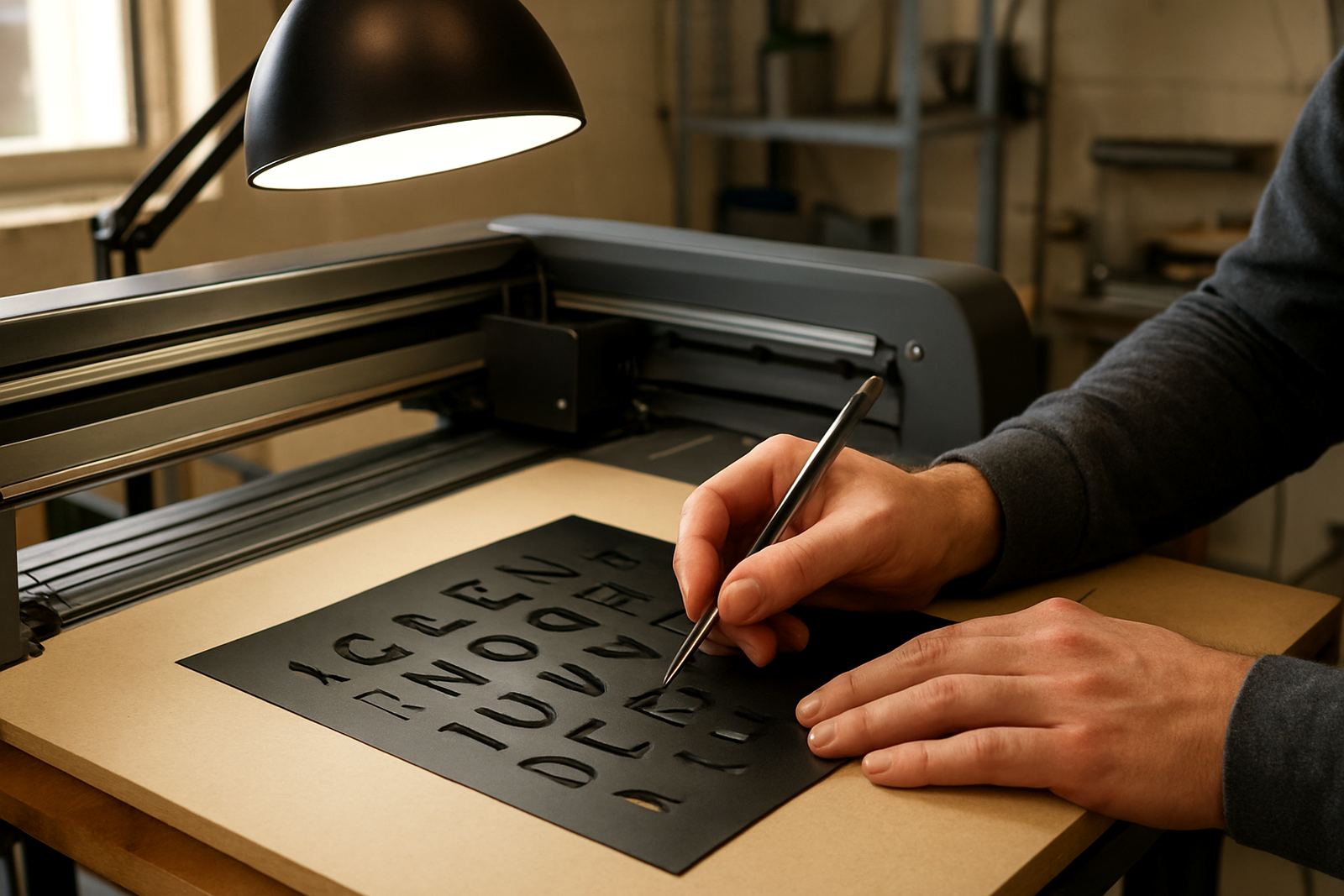
Before anyone loads vinyl or sends a job to the plotter, the cut line should be checked for open vectors, duplicated points, tight corners and unwanted nodes. A simple shape may look easy, yet a heavy file with too many points can slow processing and make the blade hesitate on fine details. That matters when you are handling label runs, stickers, decals and short signage batches for Gauteng clients who need same-day turnaround.
- Clean vector paths reduce pauses and re-cuts.
- Too many anchor points can make curves choppy.
- Small text and tight inside corners take longer than open shapes.
- Registration marks must be readable and placed consistently.
Media choice changes speed more than most people expect
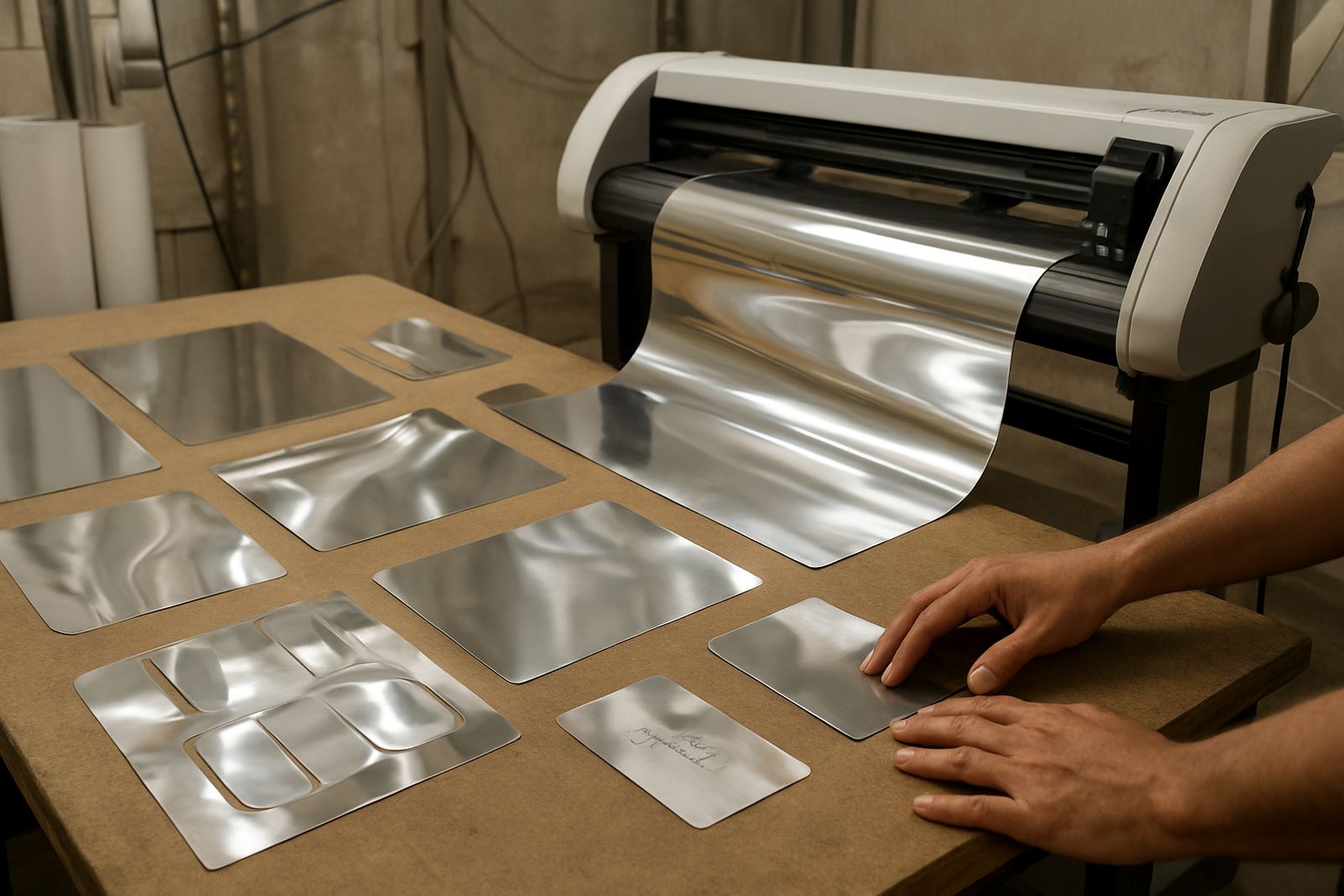
The type of material on the roll or sheet affects the cut rate, the blade pressure and the chance of lifting at fine edges. A softer self-adhesive vinyl usually cuts faster than a thicker, tougher film. Laminated work also needs more care because the blade has to go through an extra layer, and that can slow production if the settings are not tuned correctly.
In Johannesburg, many shops work with mixed jobs in the same day, from short promotional sticker runs to larger outdoor graphics. If the media changes often, so do the settings. A cutter that is left on the wrong pressure or speed will waste time with partial cuts, liner damage or pulled corners. Coastal humidity is less of a factor in Isando than in Durban or Gqeberha, but paper-backed media still reacts to storage conditions, so dry, flat storage helps keep timing predictable.
- Gloss and matte films may need different blade pressure.
- Thicker laminate means slower, more careful passes.
- Humidity, dust and curled edges can all affect feed consistency.
- Fresh rolls usually behave better than stock that has sat open for months.
Registration marks and calibration are time savers, not admin
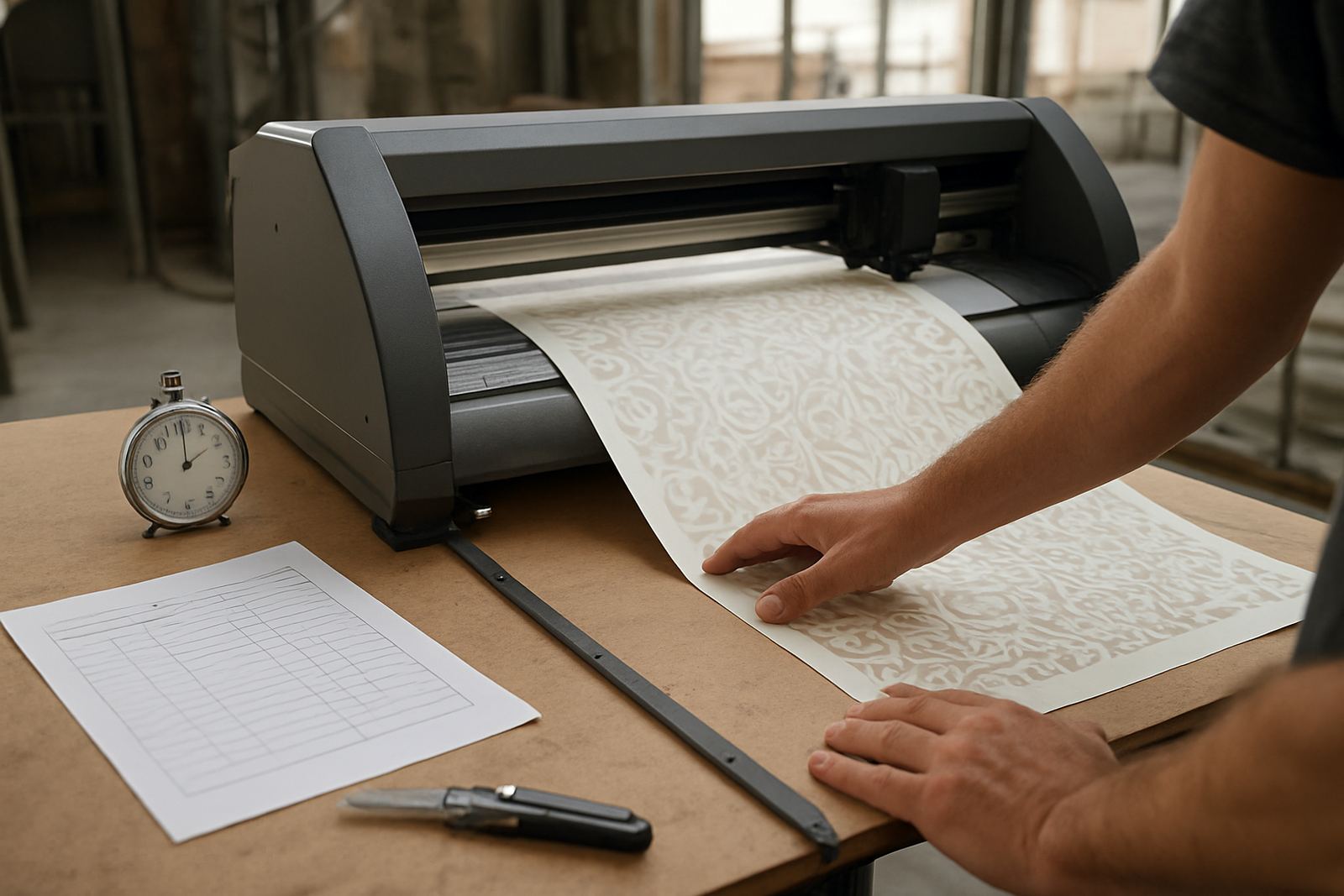
Operators sometimes see registration calibration as a setup chore, but it is really part of the time estimate. When the cutter reads marks cleanly, the job goes straight into production. When the marks are faint, misplaced or affected by low print contrast, the machine may need extra scanning attempts and the job slows down fast.
That is why load-shedding planning matters for many South African businesses. If a print has been interrupted or the machine has rebooted mid-job, the next step is not only to restart. It is to confirm that the print position, mark spacing and media feed are still aligned. Even a 1 mm shift can change how long a detailed job takes because the operator may need to recheck the path before committing to a full run.
- Bright, clear marks are quicker for the scanner to read.
- Misfeeds create extra alignment checks.
- After a power cut, test the first sheet before a full batch.
- Good calibration reduces waste and repeat cuts.
Quantity, nesting and batch size all affect the clock
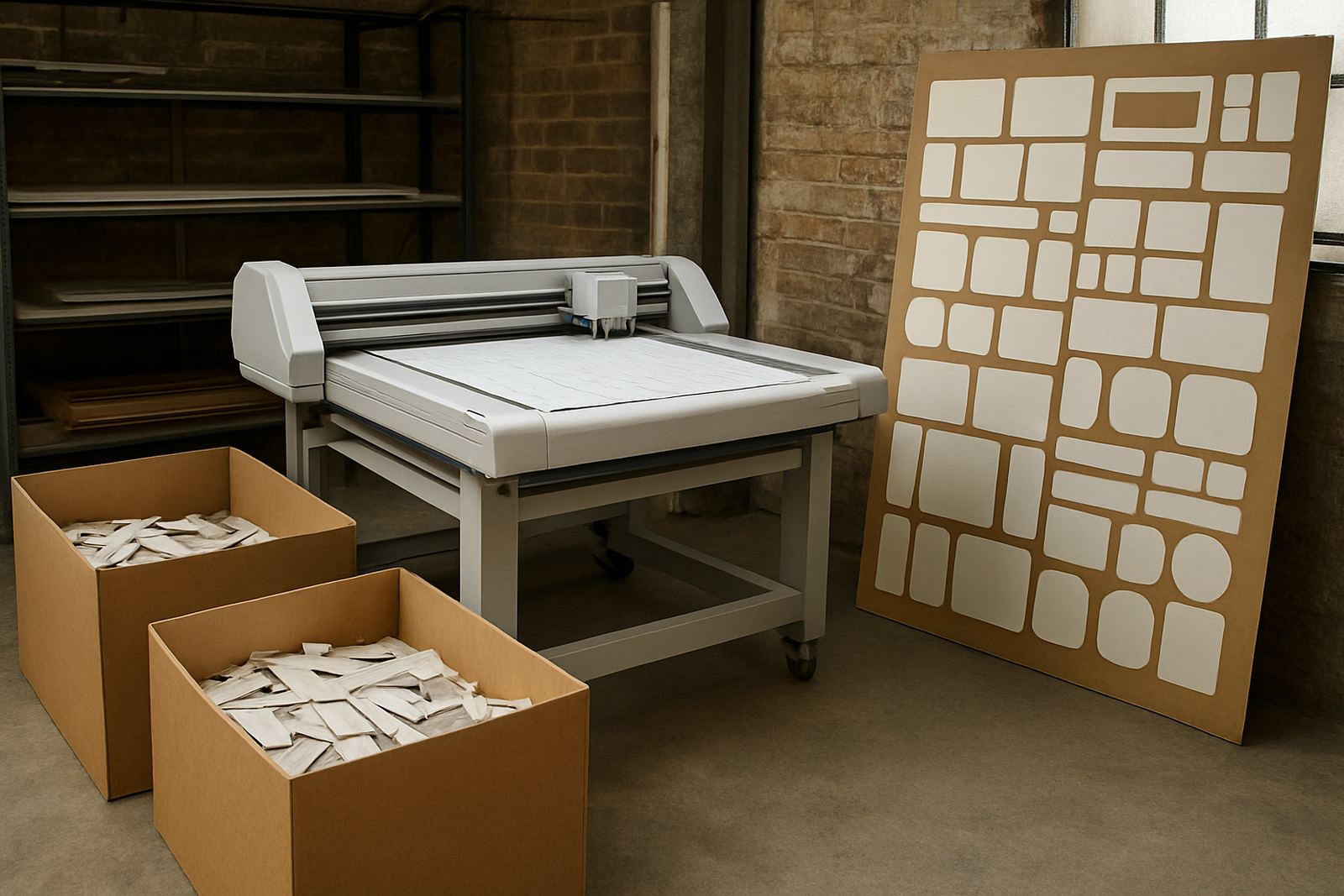
A job with 20 identical decals does not take 20 times as long as one decal. Once the cutter is set, repeated shapes can move smoothly, especially when the artwork is nested properly and the media feeds cleanly. But if every sticker has a different outline, or each size needs separate setup, the production time rises sharply.
For planners in Sandton, Midrand or Randburg, the best estimate comes from grouping the work by size and complexity. A small batch of highly detailed labels may take longer than a much larger run of simple product stickers. The operator also has to account for weeding, sorting and inspection. That is why a compact batch can still occupy a production window that looks too long on paper.
- Identical shapes are faster than mixed outlines.
- Large runs benefit from neat nesting and repeat settings.
- Detailed edges may need a slower speed to prevent lift.
- Weeding and counting should be included in the total time.
Operator skill makes a measurable difference
Two cutters can process the same file at different speeds simply because one operator understands the machine and the media better. Blade pressure, feed tension, test cuts and corner behaviour are not guesswork. A trained operator can spot when a job needs a slight speed reduction or when a blade is starting to drag before the whole sheet is affected.
That is why induction, refresher training and supervisor coaching are worth more than many businesses expect. On busy days in Isando, a small correction at the start can save an hour later. A team that knows how to load media properly, read the first cut and check registration by eye usually keeps production moving even when the schedule is tight. It also means less stress on the equipment and fewer jobs sent back through the cutter.
Practical skill cuts downtime. It is as simple as that.
Local turnaround depends on more than machine speed
Customers often ask for a cut-time estimate as if one setting can cover every job. In reality, the delivery window is shaped by transport, site access and whether the job is being installed after cutting. A quick decal run for a Germiston client may leave the workshop fast, but if the site needs after-hours access or a municipal signoff, the total project time becomes longer.
For national cutter installs, the same principle applies. If a business in Bloemfontein or Polokwane wants a plotter installed and trained, travel, access, power checks and on-site support all need to be built into the timing. In Johannesburg, a same-day support call to Boksburg or Sandton may be possible, but only if the machine is already prepared and the job file is ready to go. This is where realistic scheduling matters more than promising speed.
- Allow extra time for site access and delivery windows.
- Count setup, testing and signoff as part of the job.
- Keep a buffer for power interruptions and reprints.
- Short notice installs may need phased training, not a full day at once.
A practical way to estimate cut time before the job starts
The simplest estimate uses five checks: file complexity, media type, calibration status, quantity and operator readiness. If all five are in good order, the job usually moves at a steady pace. If two or more need attention, the schedule should include extra time for setup, testing and possible rework.
At Contour Cutting in Isando, that is the approach used when planning production support and cutter installs across Johannesburg and beyond. A clear estimate protects deadlines and helps customers decide whether a job should be split, prioritised or run in a different batch. It also makes it easier to plan around courier collections, local deliveries and the daily realities of load-shedding and workshop sequencing. In short, the cut time is not a guess. It is the result of careful preparation.
If you want an accurate production window for a contour-cut job, send the artwork, media details and quantity early. That gives the team enough information to quote the real time needed, not just the machine time.