Start with the calendar, not the machine
Seasonal demand planning begins with the dates that drive your work. Retail summer promotions, year-end gifting, election material, school openings and expo season all place different pressure on print-and-cut output. If you know when the rush usually starts you can count back from the delivery date and decide when to order media, book installs and schedule operator time.
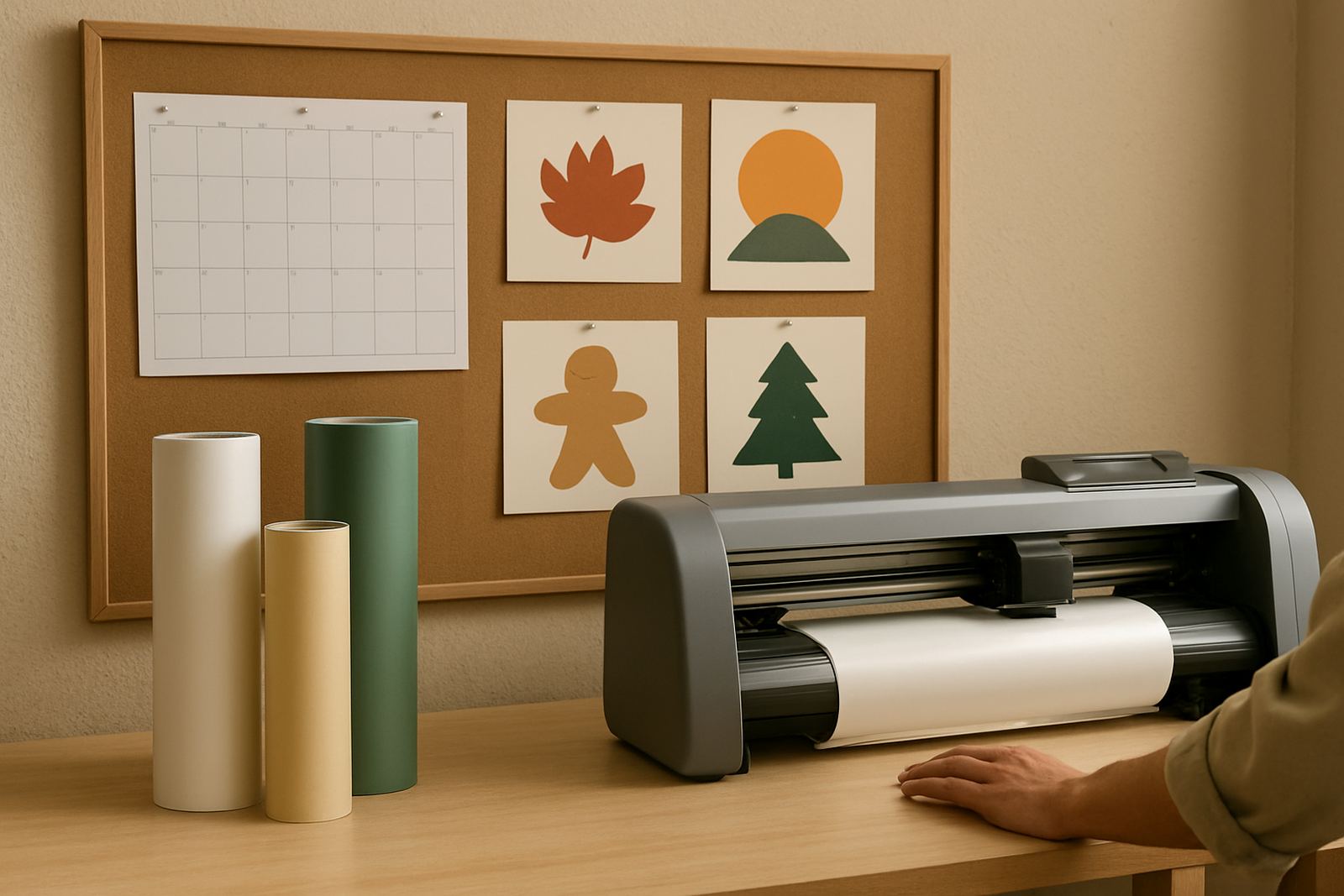
In Johannesburg, many businesses feel the pressure from mid October through December, then again before the first school term and major trade shows. A simple rolling calendar helps you match machine time to actual demand instead of hoping the queue stays manageable. It also shows when to slow down non-essential work so urgent campaign jobs can move first.
- List peak months by client type, not only by season
- Work backwards from install dates and courier cut-offs
- Set a buffer for reprints, test cuts and last-minute artwork changes
Match cutter capacity to real weekly output
A plotter can only do so much in a day, especially when jobs need careful registration and small lettering. Seasonal planning means knowing how many square metres your team can finish per shift, not just how many jobs are waiting. When production is measured properly it becomes easier to spot when extra operator training or a second machine is needed.
During a Sandton retail campaign, for example, a shop may need shelf-edge stickers, window graphics and floor decals all in the same week. If the cutter is tied up with long runs while smaller urgent pieces queue behind it, delivery slips fast. A clear production rhythm keeps the machine moving and gives the team space to check blade pressure, media feed and cut lines before waste starts to climb.
- Track daily output in square metres and job count
- Separate quick-turn work from long repeat runs
- Plan maintenance before the busiest week, not after the breakdown
Buy stock for the climate you actually work in
Material planning is not only about volume. Temperature, humidity and storage conditions affect how vinyl feeds, how the liner behaves and how well adhesive performs after cutting. In coastal areas moisture can curl a box of media faster than expected, while hot factory spaces in Gauteng can make rolls tighten and track unevenly if they are stored poorly.
Keep seasonal stock in sealed, dry storage and rotate older rolls first. If you serve clients in Durban or other humid areas, factor in extra lead time for delivery and let material acclimatise before cutting. That one step can save a lot of rejected stickers and it is often overlooked when orders are rushed.
- Keep a reserve of fast-moving media sizes
- Store rolls flat or upright as recommended by the supplier
- Allow material to settle to room temperature before production
Build downtime into the production week
Load-shedding, power dips and compressed deadlines can all break a production schedule. Seasonal planning works better when the week includes specific recovery windows for power interruptions, blade changes and test cuts. If the cutter goes offline for two hours the team should already know which jobs can move first once power returns.
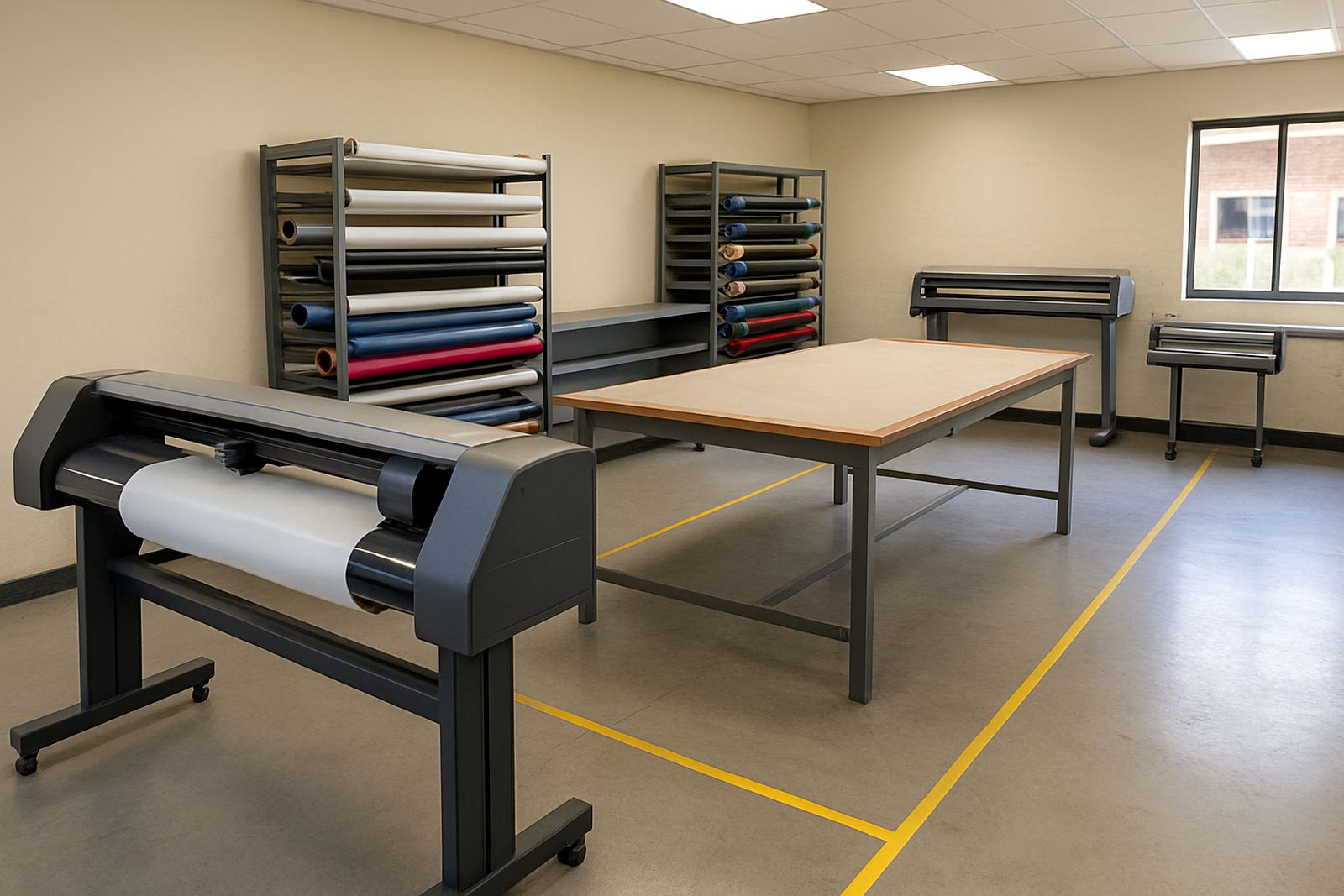
For Isando and the surrounding industrial areas, a practical schedule often means running the longest cuts early in the day and leaving the final hour for smaller finishing work. That gives you time to clear waste, check registration and prepare the next batch without crowding the machine. It sounds simple but it keeps a small problem from turning into a late-night push.
- Keep UPS or backup power for short interruptions where possible
- Schedule test cuts at the start of each media change
- Leave a recovery block for every busy production day
Use induction and refresher training before the rush
Seasonal pressure exposes gaps in operator skill very quickly. If a team member has not set blade pressure lately or is unsure about registration calibration, the fastest season becomes the most expensive one. A short induction or refresher session before a campaign cycle helps staff handle common tasks with less supervision.
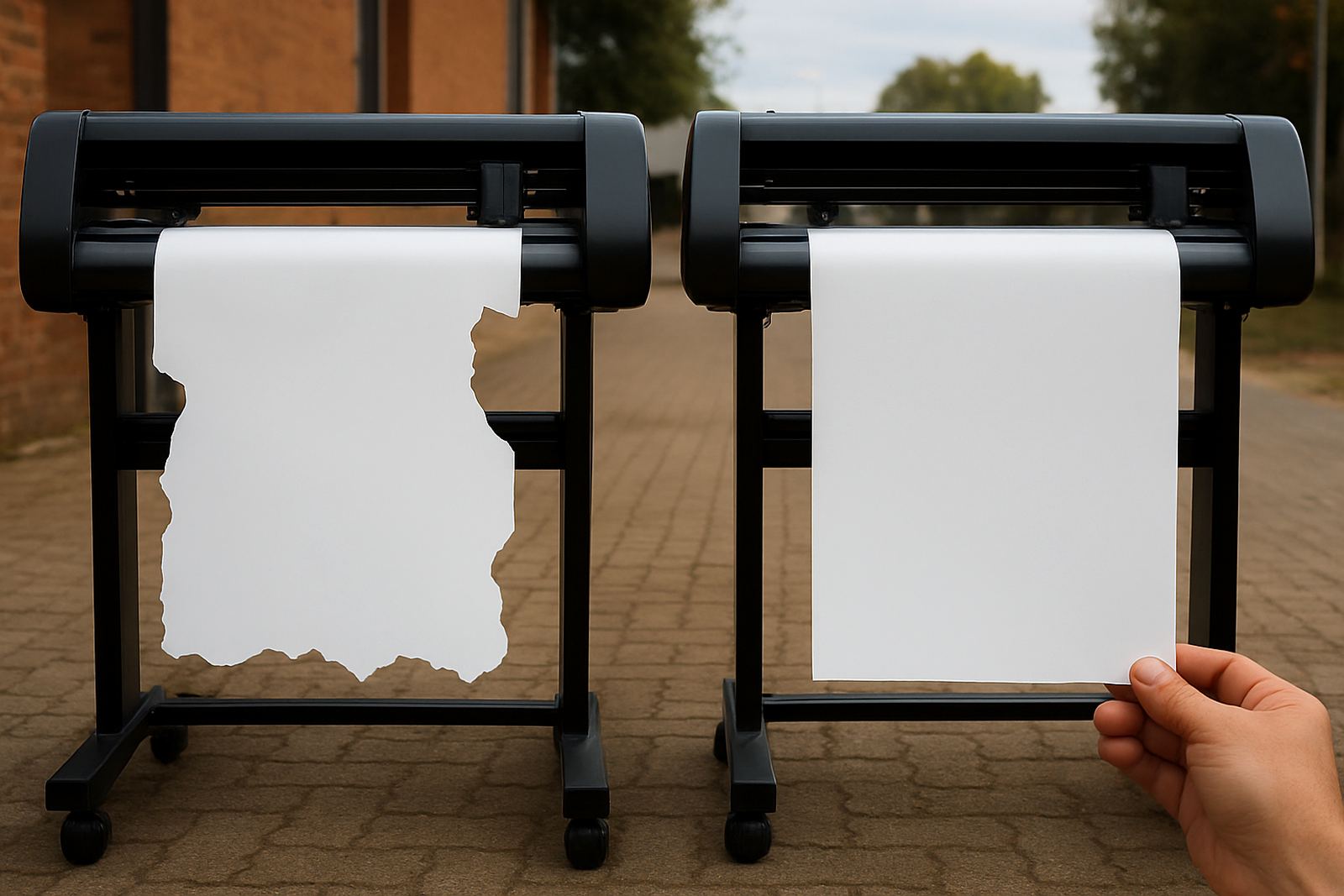
Training should cover the basics that protect output: artwork cut lines, media loading, production workflows, maintenance basics and troubleshooting. Supervisors also benefit from coaching because they are the ones deciding when to pause a job, recheck settings or move a machine onto the next run. One missed setting can waste metres of material and a whole afternoon of labour, so preparation matters.
- Train operators before the first rush order arrives
- Refresh settings after machine moves or service work
- Make one person responsible for sign-off on critical jobs
A Johannesburg example: from expo prep to retail follow-through
A Midrand marketing team preparing for an expo may need 120 product labels, 40 floor decals and a set of demo graphics in one week. If the cutter team only reacts when the artwork lands, the order becomes a scramble. A seasonal plan sets aside media, checks cutting blades, confirms artwork formats and books install support before the work starts.
After the expo, the same client may want follow-on retail stickers for stores in Boksburg, Randburg and Germiston. Planning for that next wave early means you can reuse approved cut lines, keep a stock count of the same media and slot the work into production without stopping everything else. That is where a well-run cutter room earns its keep, because the team is not starting from zero each time the phone rings.
For businesses handling campaigns across Gauteng and beyond, the best season is the one you planned for. It keeps the machine busy, the stock moving and the deadlines manageable, even when every week feels like a peak week.