Why nesting changes the cost of every run
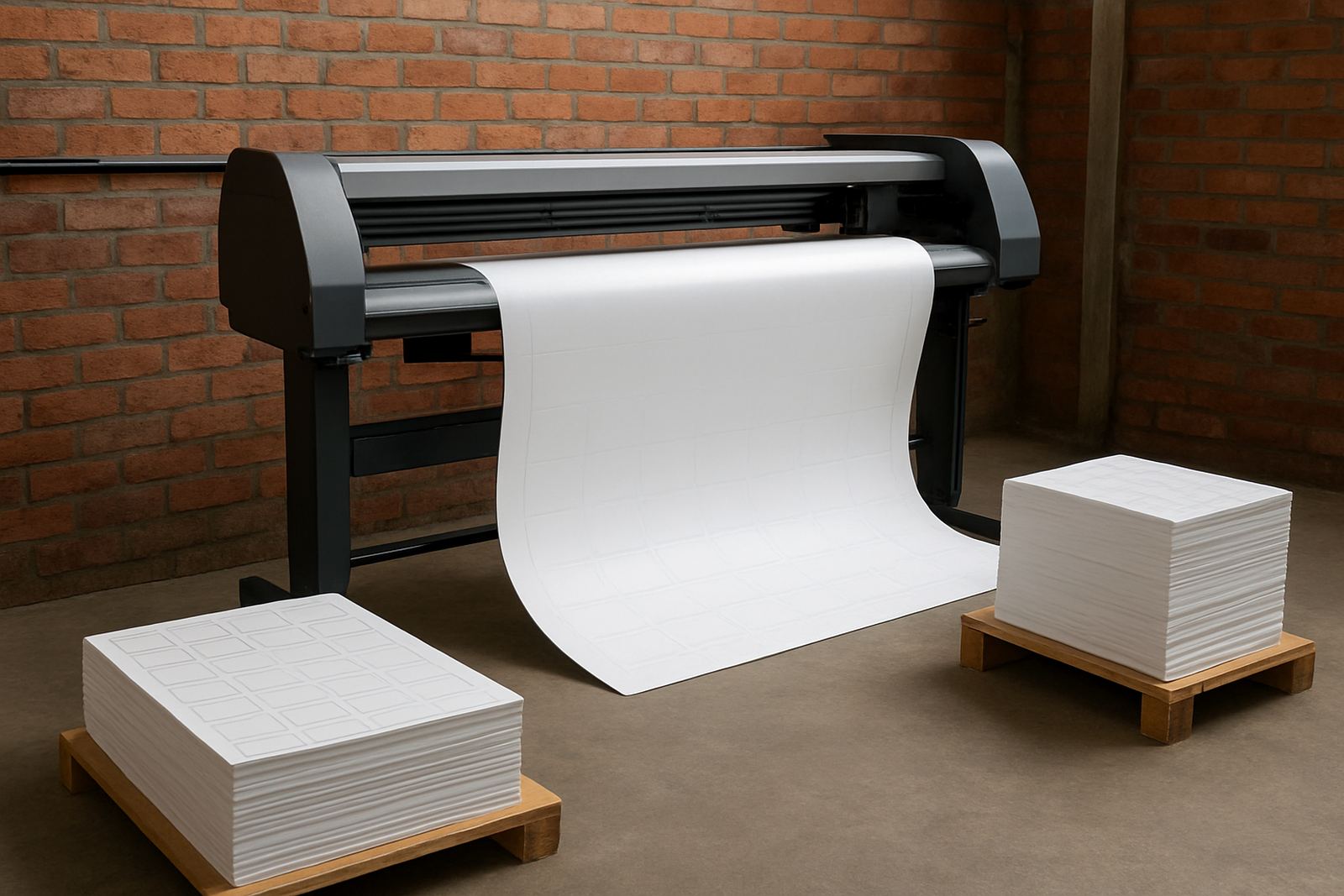
For print-and-cut work, nesting is the point where artwork, material cost and machine time all meet. If you leave too much space between stickers, decals or labels, you buy more media than you need. If you pack too tightly, you risk blade drag, poor weeding and slow cutting on detailed jobs.
That balance matters in Johannesburg where many print shops are running mixed work for signage, promos and short-run branding. A well planned nesting layout can improve yield by 8% to 20% on some jobs, especially when the shapes are varied and the sheet sizes are standard 1.2 m or 1.6 m rolls. On high volume orders, that saving becomes real money.
The best nesting is done with the cutter, the media and the finishing team in mind. A layout that looks clever on screen but jams during cutting will cost more in labour than it saves in vinyl.
Start with the material, not the artwork
Different media behave differently. Cast vinyl, calendared vinyl, reflective films and self adhesive labels all need their own spacing rules. In humid coastal areas like Durban or Port Elizabeth, materials can shift more during loading and cutting. In dry inland conditions, static can lift small offcuts and affect registration on fine work.
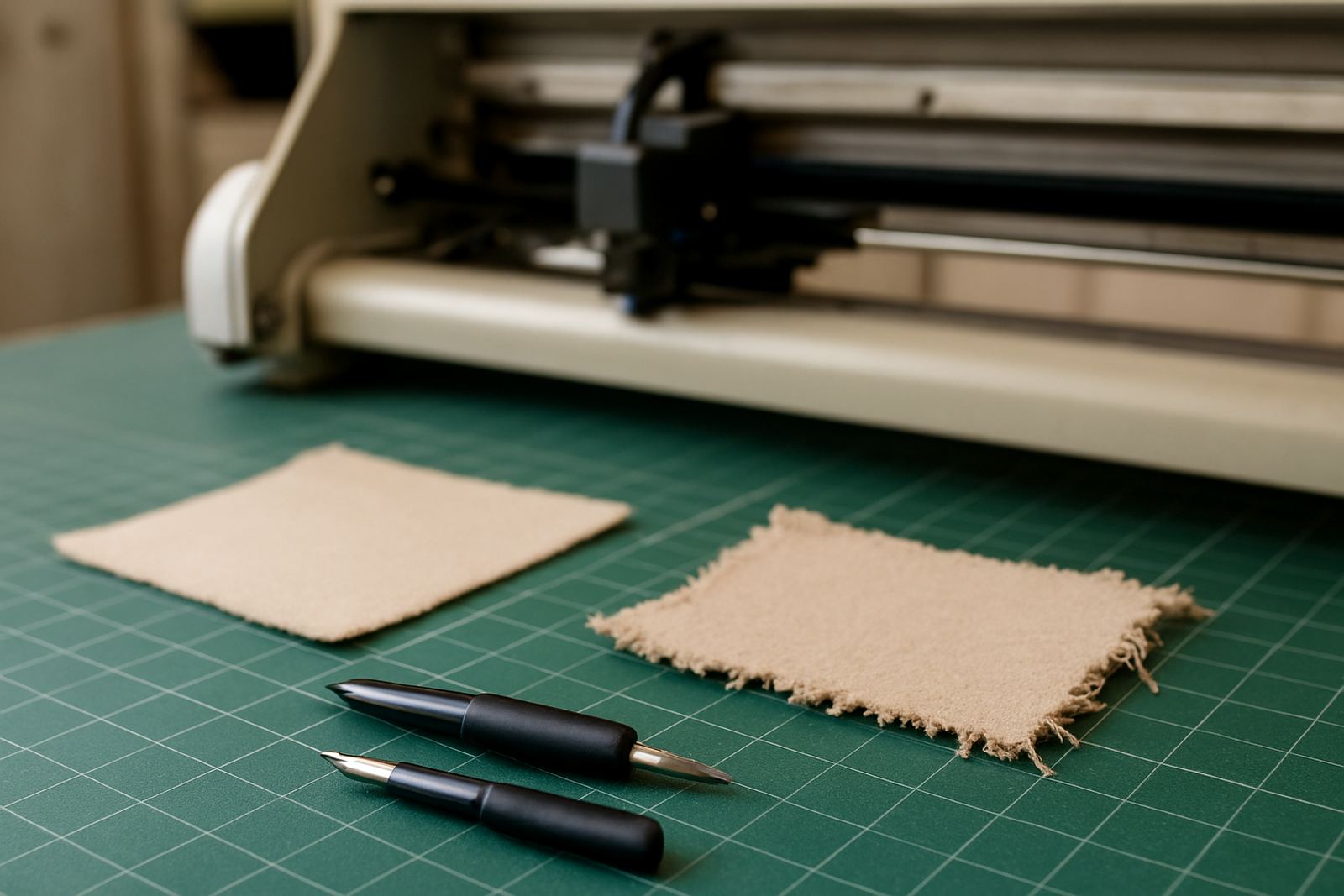
Before nesting a job, check the roll width, liner strength and blade condition. Also check whether the job will be cut straight after printing or left to cure. Solvent or eco-solvent prints may need more time before cutting so the print does not distort under pressure.
- Use wider margins when the material is soft or freshly printed.
- Allow extra spacing for small internal cuts that need easy weeding.
- Keep directional grain in mind on films that stretch slightly.
- Test one sheet before running the full batch if the media is new to your team.
Registration marks only help if the layout respects them
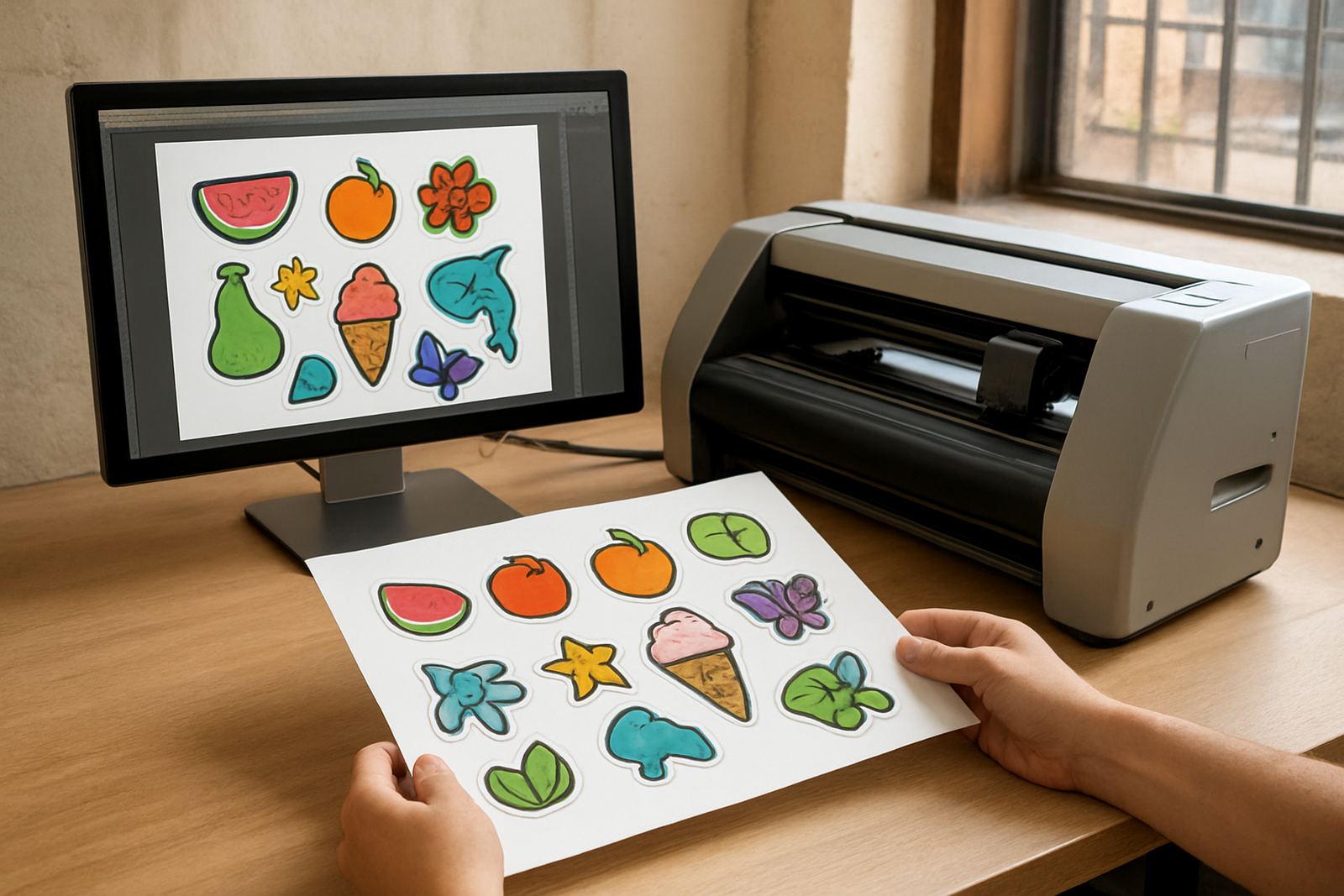
Print-and-cut work depends on clean registration. If your nesting pushes artwork too close to the marks, the cutter may lose the reading point or misread the sheet after a slight shift. That is a common cause of wasted media on contour jobs, and it is avoidable.
Keep the cut path away from the outer edges of the marks and leave enough quiet area around the sheet. On long runs, it is better to lose a few millimetres of space than to restart a job halfway through because the machine cannot find the marks. That is especially true when load-shedding interrupts a production day and the team needs to resume quickly after power returns.
For shops in Isando, Midrand or Germiston handling daily sticker work, a clean registration workflow shortens setup time and reduces operator stress. It also helps junior staff learn the job faster because the cutting sequence is more predictable.
The biggest yield gains come from smarter shape pairing
Real nesting is not only about rotating one shape. It is about pairing large and small items so that the gaps are useful. A long logo strip can sit beside a set of circular labels. A rectangular promotional decal can carry small social media icons in the waste area. With the right layout, those offcuts become usable production space instead of scrap.
This matters when you are cutting mixed jobs for Sandton offices, Randburg retail stores or Boksburg event suppliers. A client may order 250 round labels, 40 window decals and 12 directional signs in the same week. If the nesting is planned by size group and blade path, the team can cut each category with less repositioning and fewer pauses.
- Group similar shapes so the cutter follows fewer long moves.
- Place delicate details away from high tension edges on the sheet.
- Use the waste between large items for test cuts or sample pieces.
- Separate small, high-detail work from heavy weed jobs where possible.
Turnaround improves when nesting fits production flow
Good nesting shortens more than the cut itself. It also reduces handling, sorting, and rechecking after the cut. A shop that nests jobs well can move from RIP to print to cut with fewer manual changes, which is important when the team is pushing same-day work for trade clients.
In practical terms, this means fewer stops to reload media, less blade adjustment mid-run and less time spent separating finished pieces. That is useful for businesses that need quick turnaround for expo graphics, contractor decals or product labels with tight deadlines. It also helps when the production room is running on backup power and every minute counts.
For many South African operators, the real win is stability. A predictable nesting routine makes it easier to plan staffing, schedule maintenance and train new operators without slowing the floor down.
A Johannesburg example: saving space on a mixed sticker order
Take a mixed order from a small brand in Johannesburg: 300 oval labels, 120 small square seals and 40 long branding strips for packaging. If each item is nested separately, the roll use can climb quickly. If the job is arranged in paired lanes, with the long strips filling the spaces beside the ovals and squares, the order may fit into fewer linear metres of media.
That saving is not only about material. It also cuts the number of times the operator has to stop and recheck alignment. In a busy Isando production room, that can save 20 to 40 minutes on one run, which is often the difference between same day dispatch and next morning collection. For a customer waiting on artwork for a Saturday activation, that matters a lot.
The same logic applies to municipal and commercial work where cut accuracy has to be neat for by-law compliance or site visibility. Better nesting gives you cleaner output and a calmer workflow, and the two often go together.
What to teach operators so nesting stays consistent
Nesting quality improves fast when the whole team uses the same standards. That is why operator induction and refresher training make a difference. Once operators understand blade pressure, media loading, artwork cut lines and registration calibration, they can make better decisions before the machine starts moving.
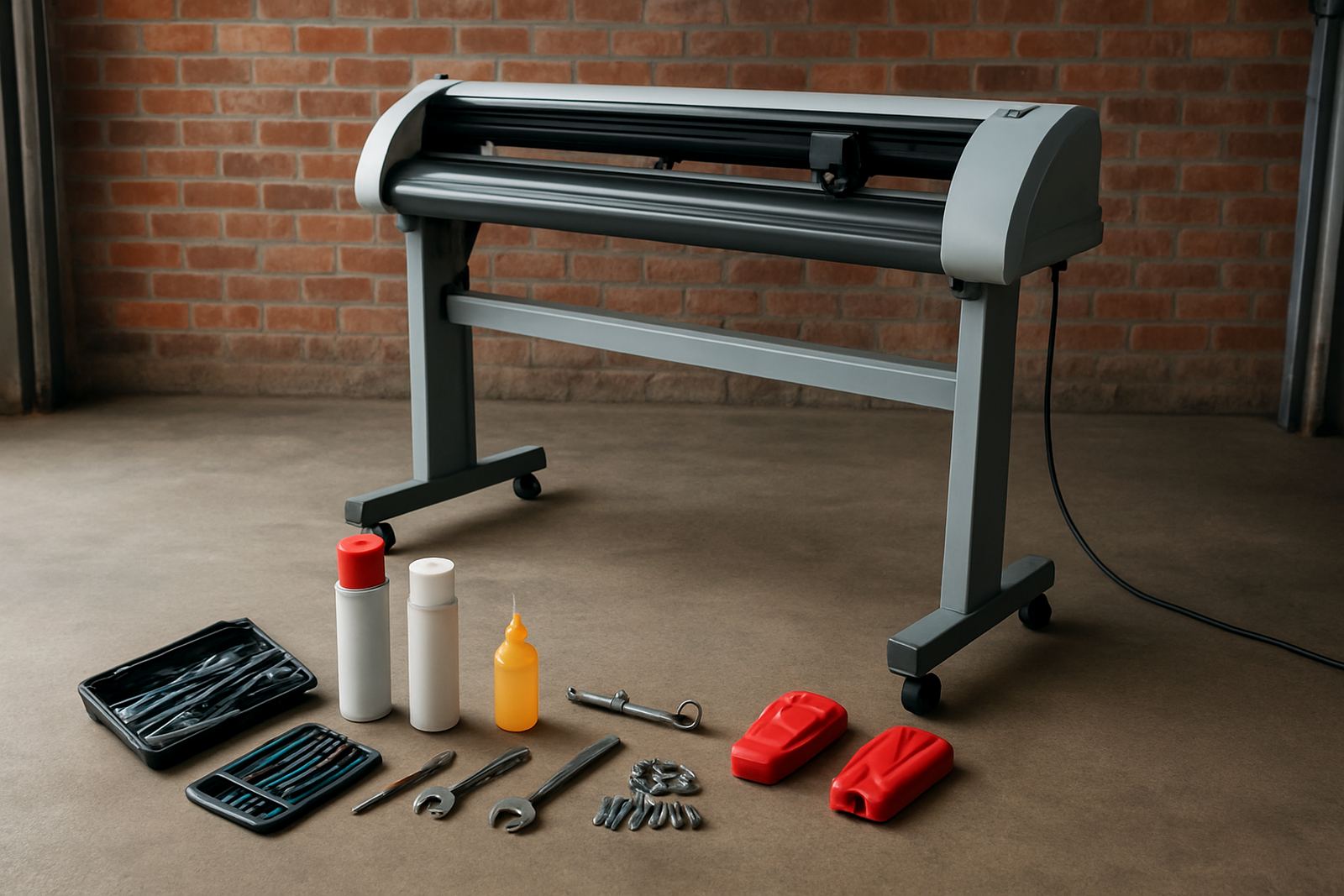
Training should also cover maintenance basics and troubleshooting, because a misaligned pinch roller or blunt blade can undo a well planned layout. Even a slight shift in feed can affect repeat jobs. A good supervisor will check the first sheet, confirm the waste pattern and only then release the full batch.
- Set a standard margin for each media type.
- Keep approved cut-line settings for common job sizes.
- Record which layouts gave the best yield and easiest weeding.
- Review failed jobs to see whether the problem was nesting, media or setup.
When the team follows the same method every time, output becomes more consistent and the machine spends more time cutting than correcting.