

Choosing the right cutting application for your job
Not every print-and-cut job needs the same setup. A retail label run in Sandton may need clean kiss-cut decals on self-adhesive vinyl, while a Durban sign shop might need heavier board work for point of sale panels that handle humidity better. The right choice depends on material thickness, cut complexity, run size and how the final piece will be handled.
For smaller jobs with tight shapes, accuracy matters more than speed. For higher volume work, repeatability and media handling become the priority. If you are unsure where a job fits, start with the finish you need, then work back to the print, cut line and blade settings. That keeps waste down and helps on jobs where margins are tight.
Retail decals, labels and promotional graphics
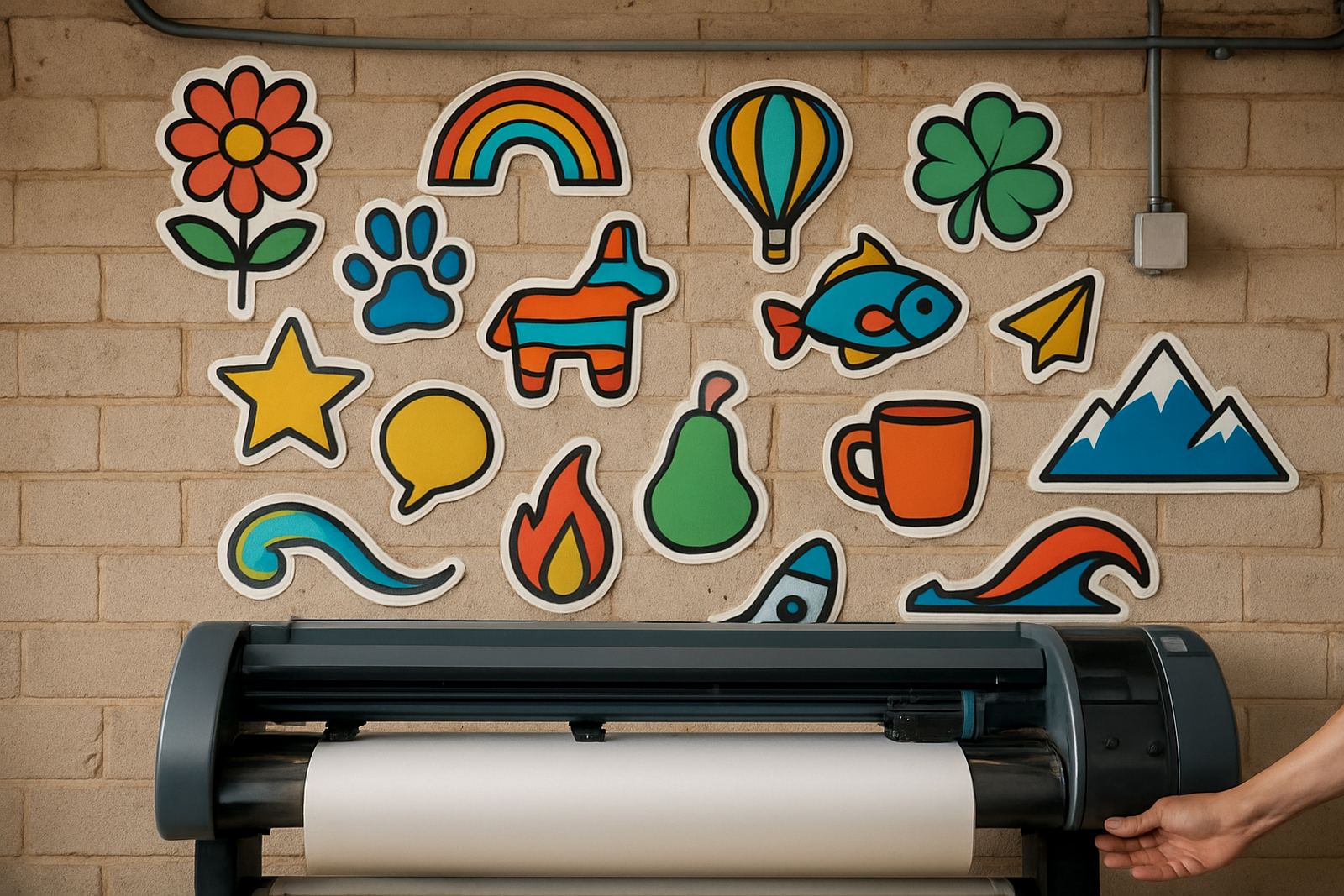
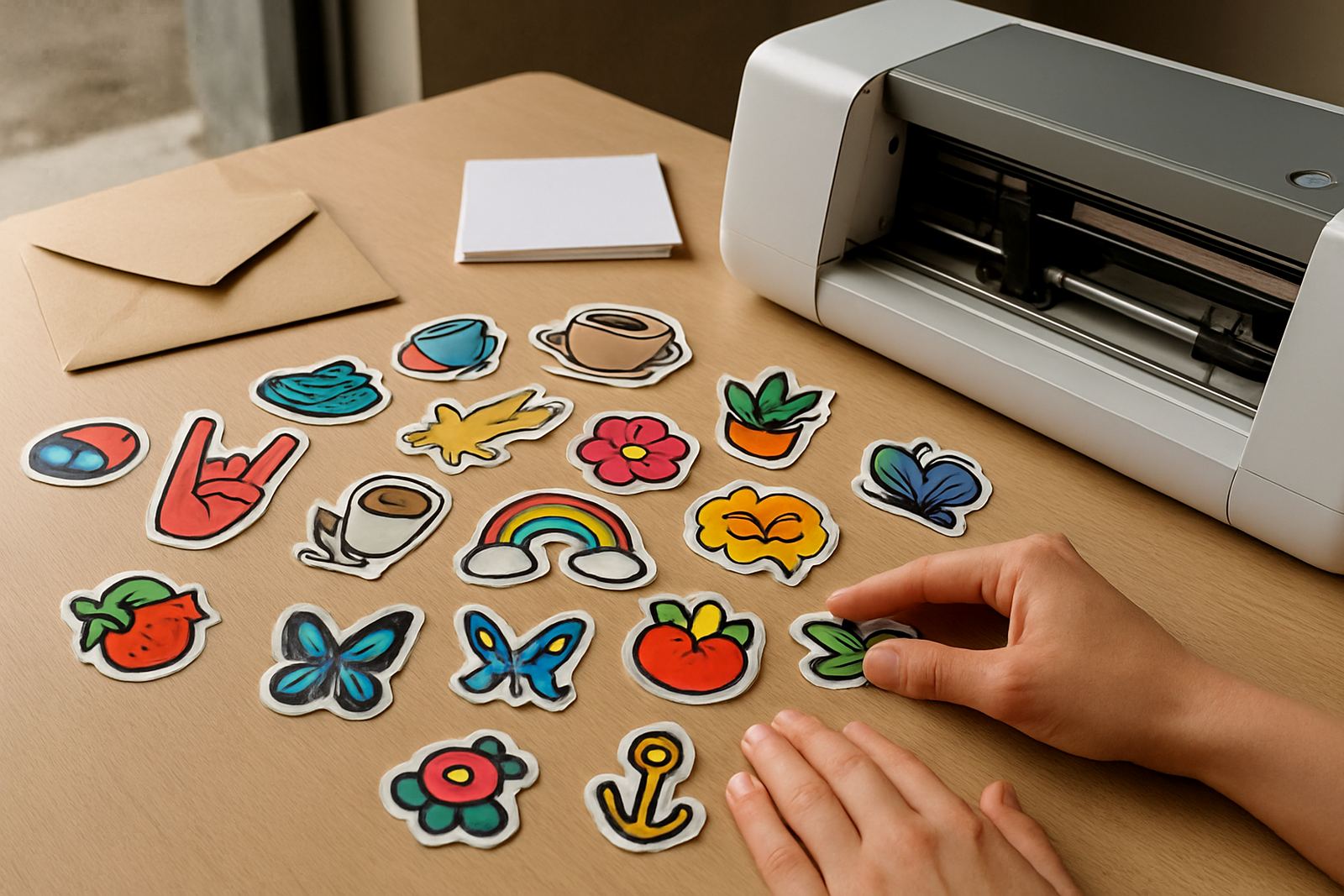
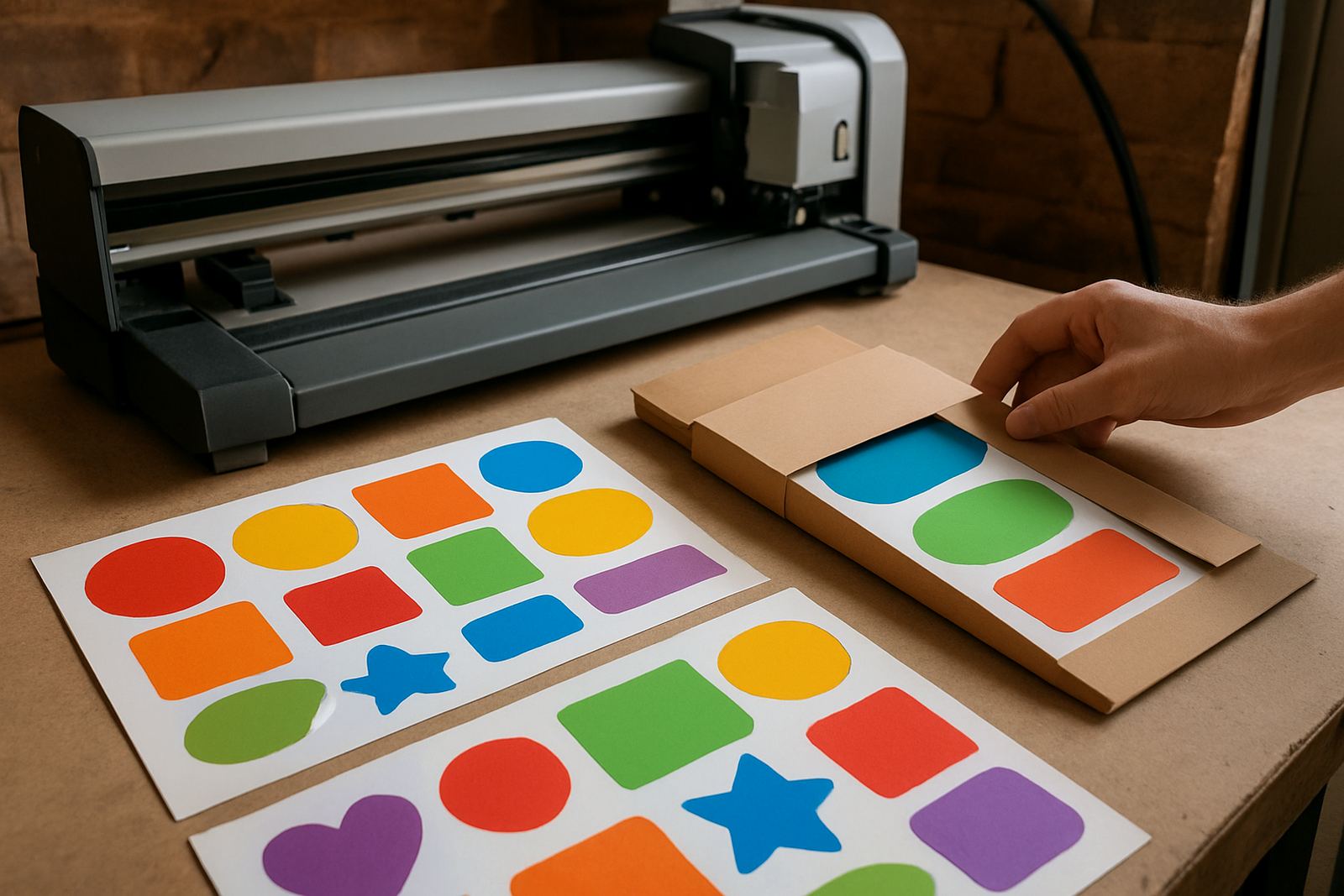
Retail work is one of the most common uses for contour cutting. It covers shelf talkers, product labels, window decals, floor graphics and branded stickers for campaigns that change every few weeks. These jobs often need a neat edge, consistent registration and a finish that looks clean on close inspection.
For shops in malls, forecourts and busy roadside sites, the graphics must also last through handling, cleaning and sunlight. We see a lot of work where the print looks good but the cut line is off by a millimetre or two and that shows straight away. Accurate contour cutting keeps the line crisp and helps the finished piece sit properly on the substrate.
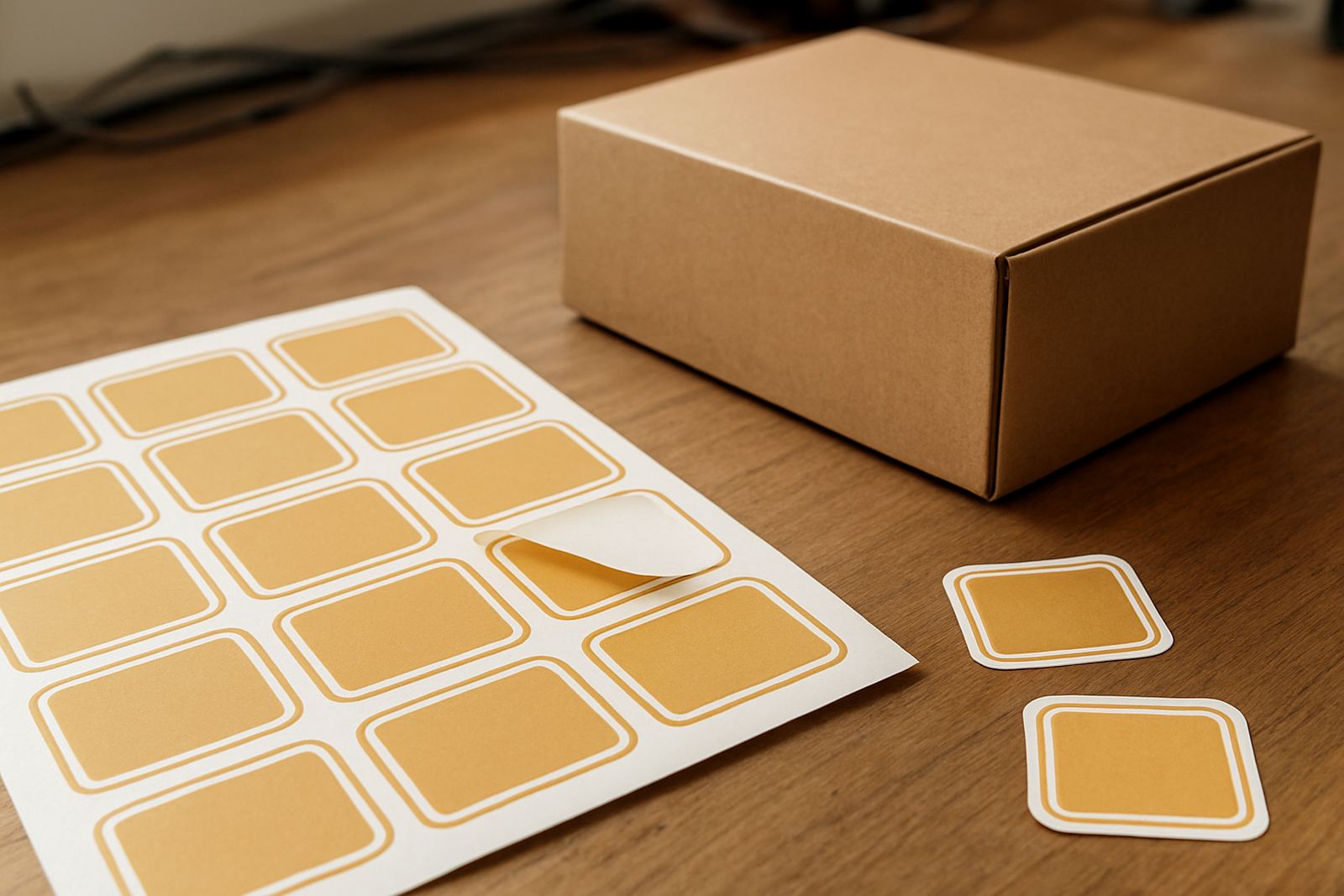
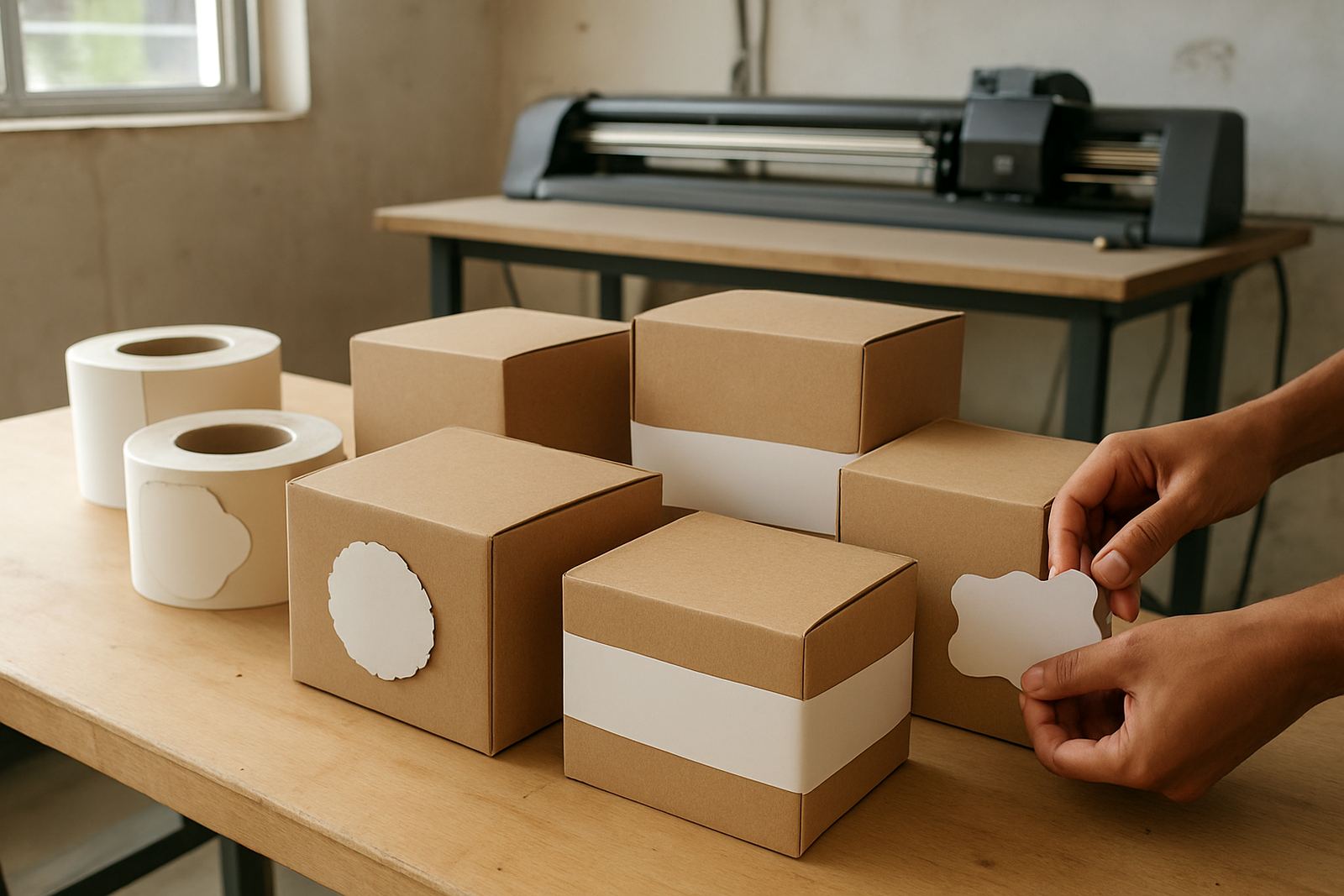
- Short-run sticker labels for promotions and product packs
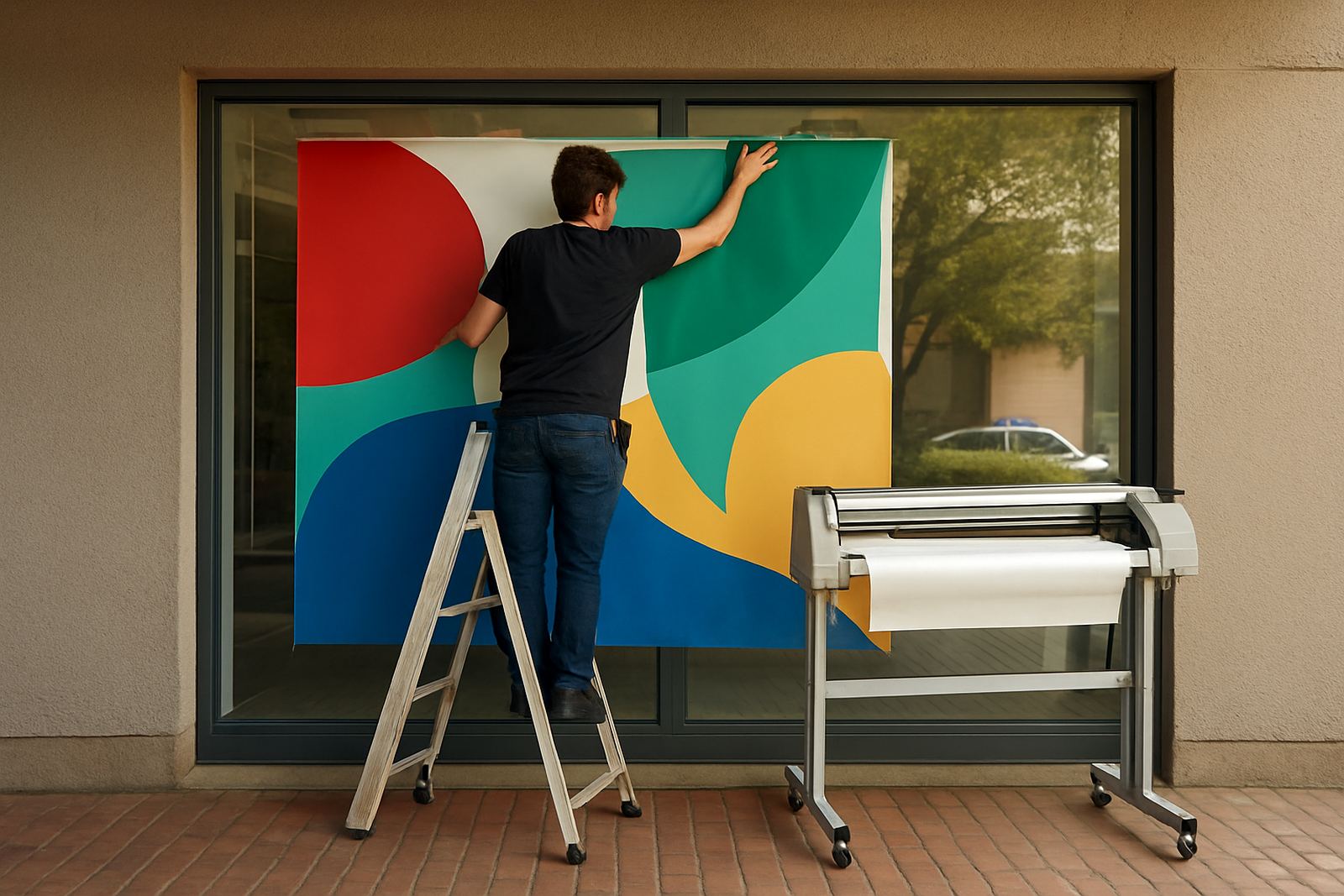
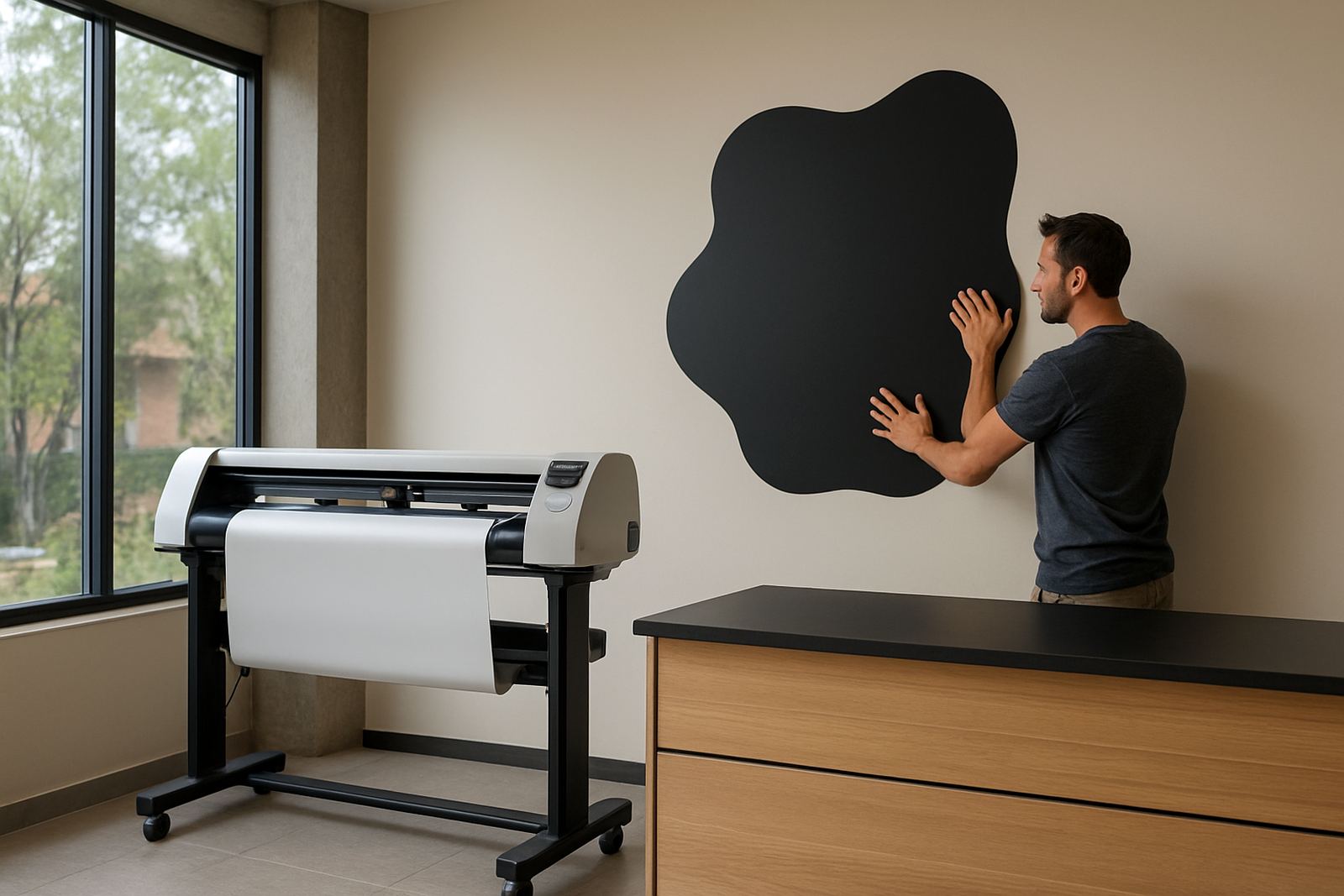
- Cut vinyl decals for windows, walls and counters
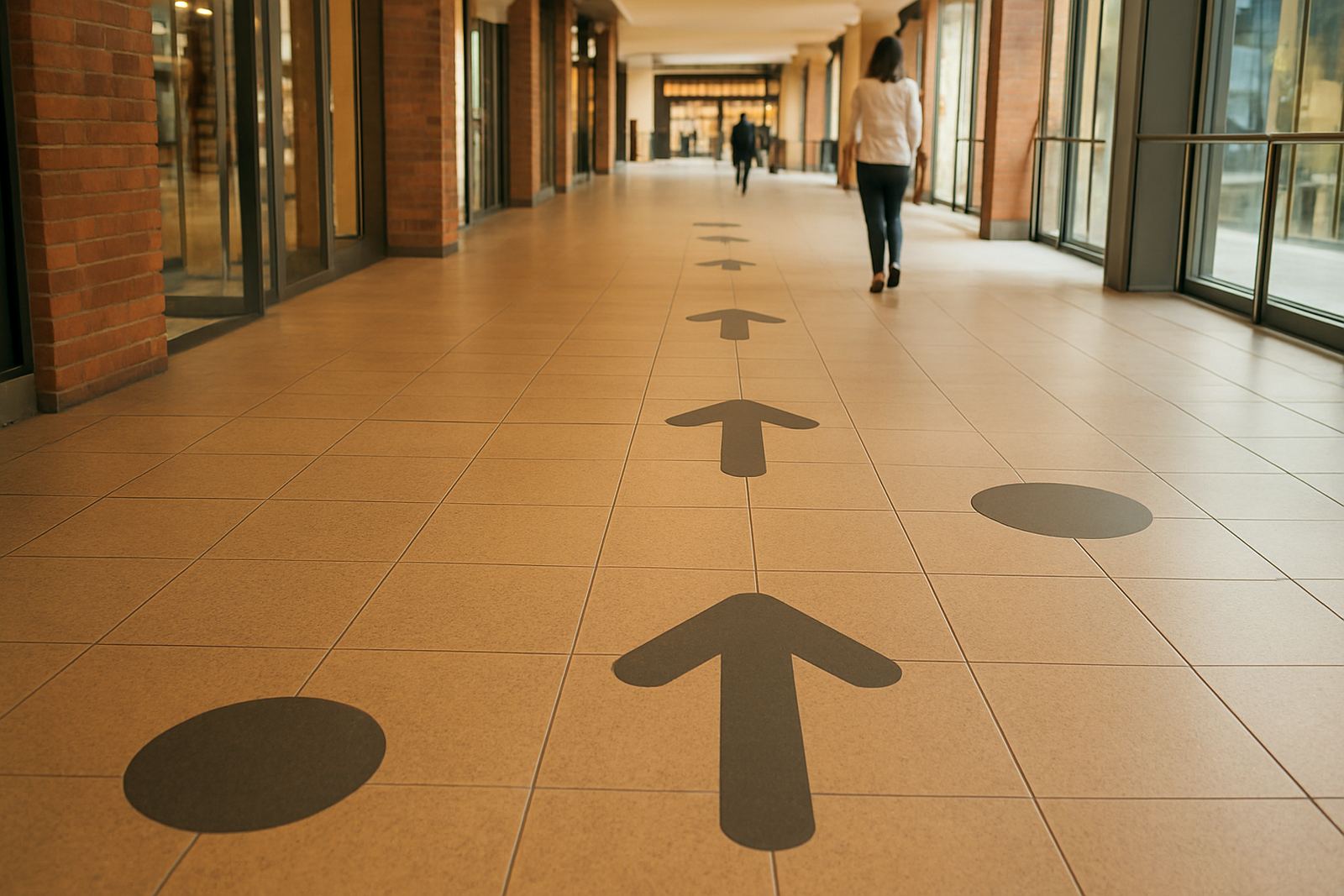
- Floor markers and directional graphics for events or stores
- Point of sale pieces for launches, specials and seasonal displays
Signage support for shops, offices and site work
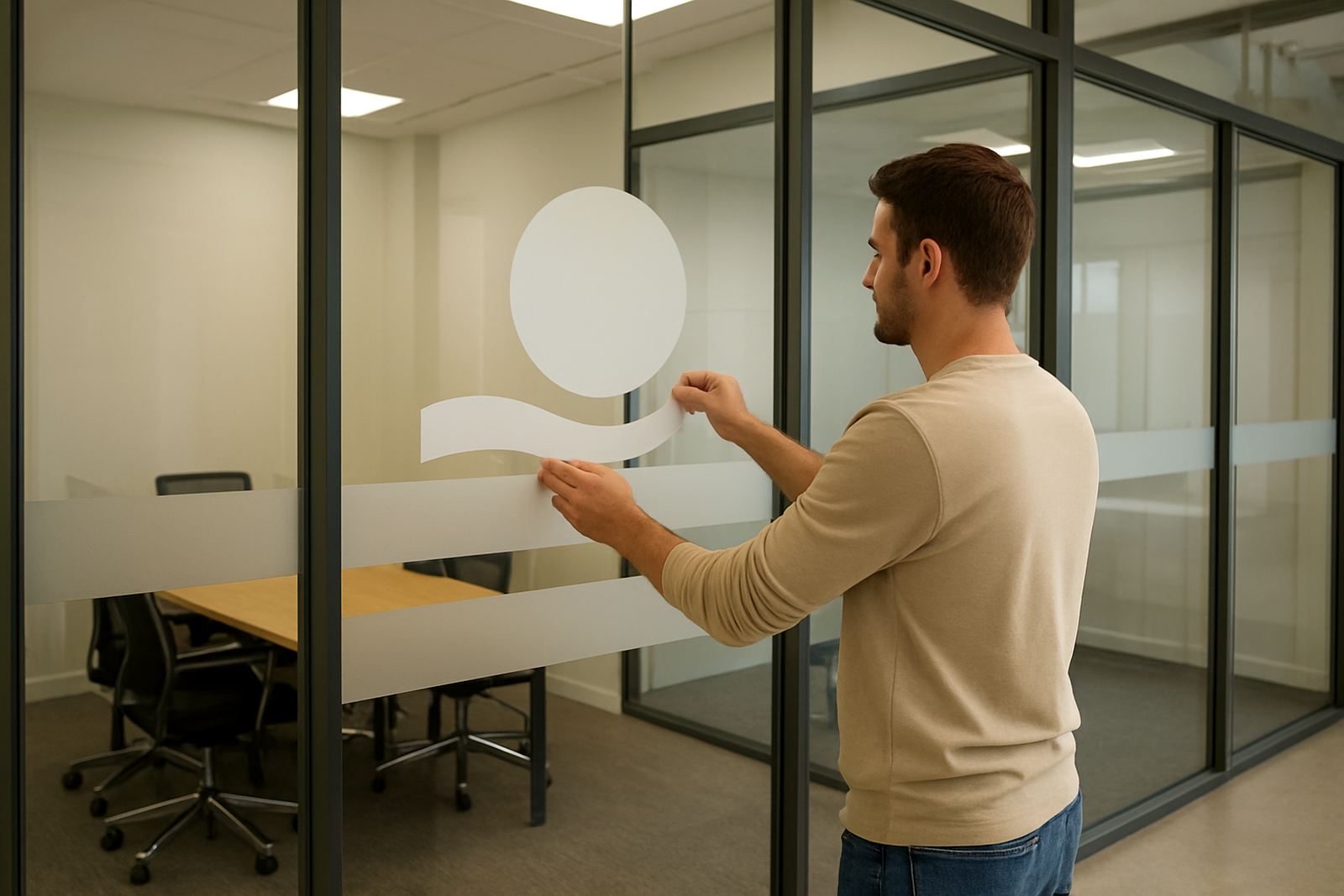
Many businesses need cut graphics that do more than advertise. They need wayfinding signs, safety notices, office branding and site identification that can be read quickly and installed neatly. Contour cutting helps when the design includes logos, icons or shaped panels that would be difficult to trim by hand.
In Gauteng, where sites often switch between indoor office fit-outs and outdoor yard signage, it helps to use one workflow for both simple and detailed cuts. A good cutting setup also makes it easier to keep panels consistent across branches in Midrand, Germiston, Boksburg and Randburg. That matters when a franchise or contractor needs the same look at every location.
- Reception branding and glass manifestations
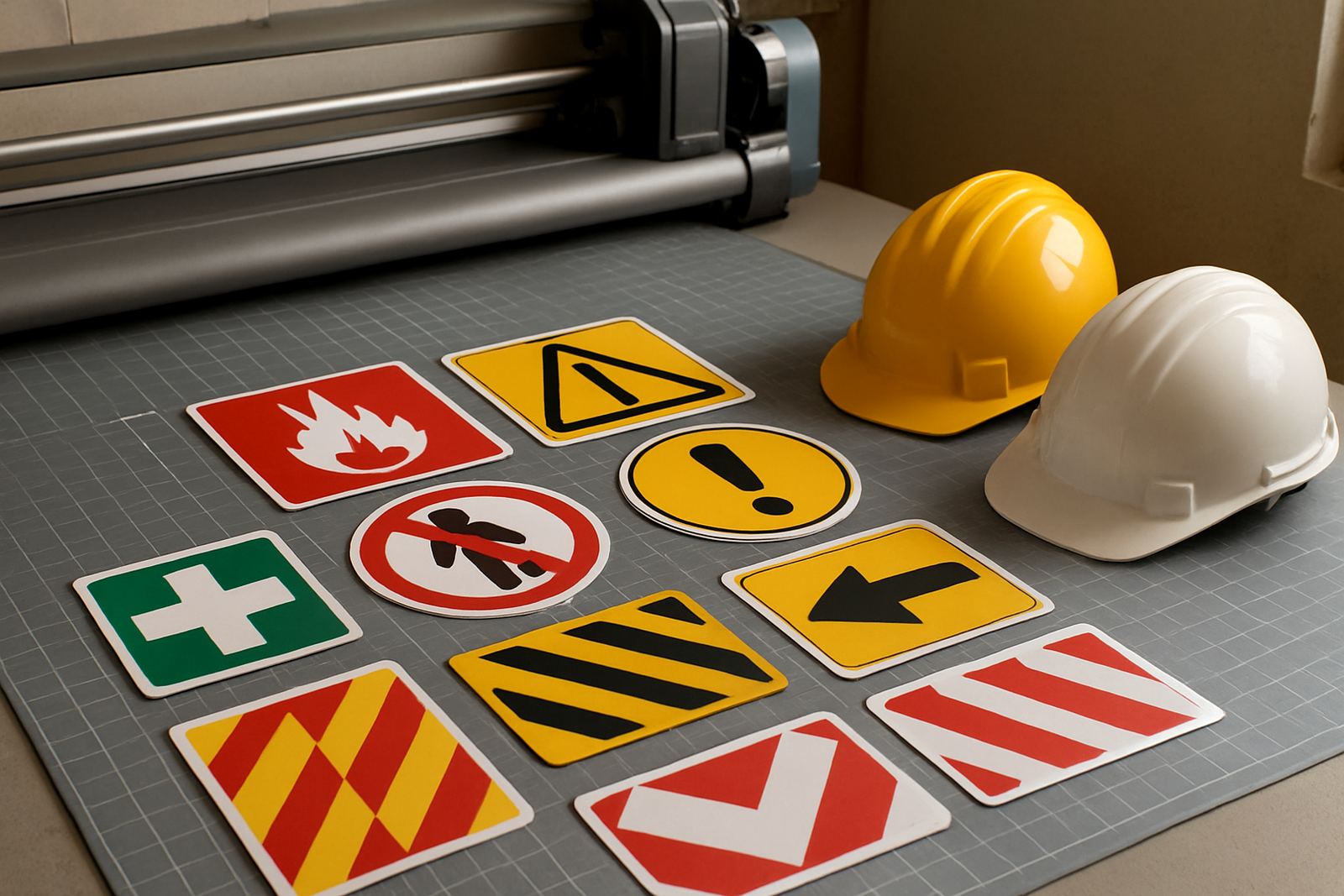
- Safety signs for warehouses, workshops and loading bays
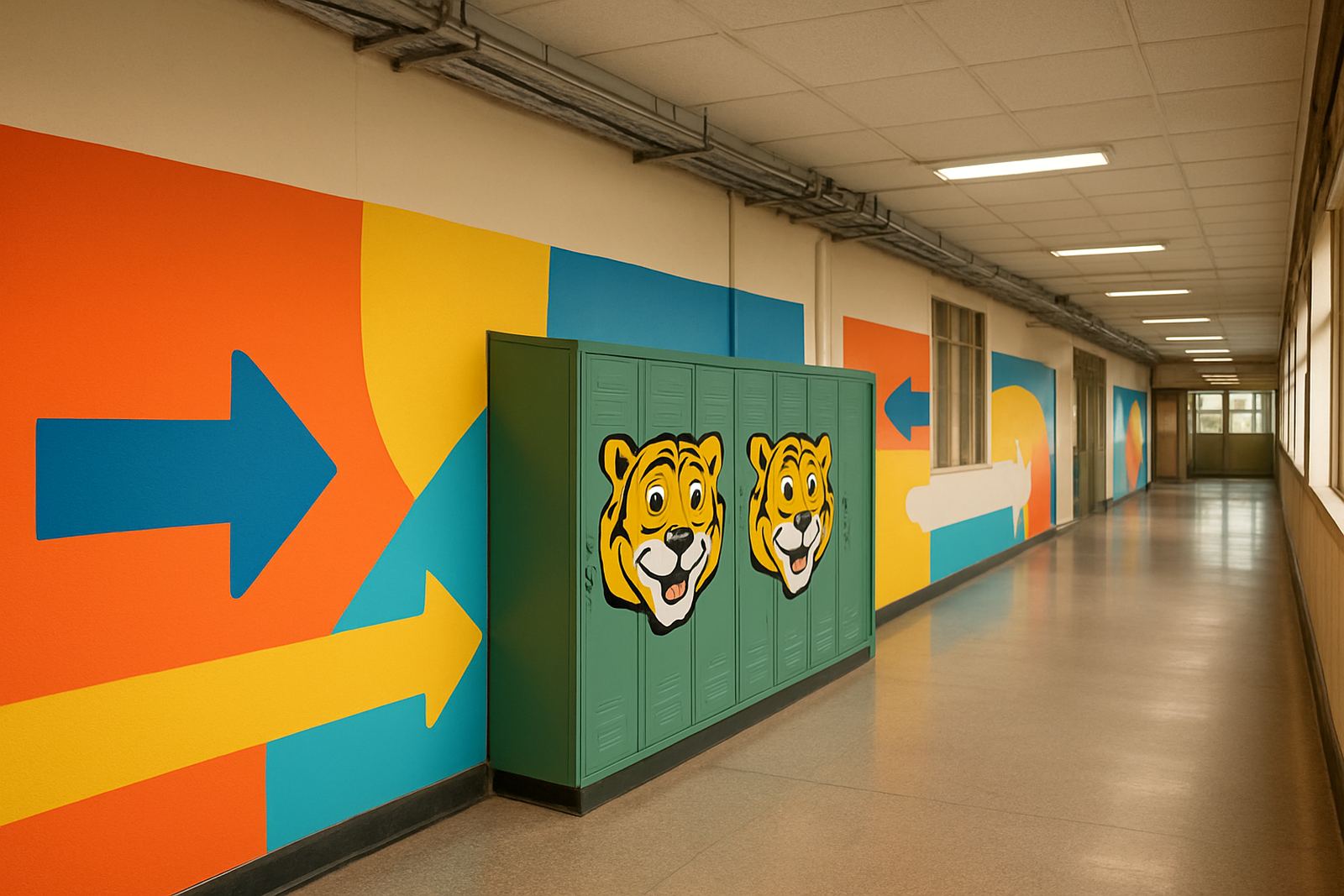
- Directional panels for campuses and business parks
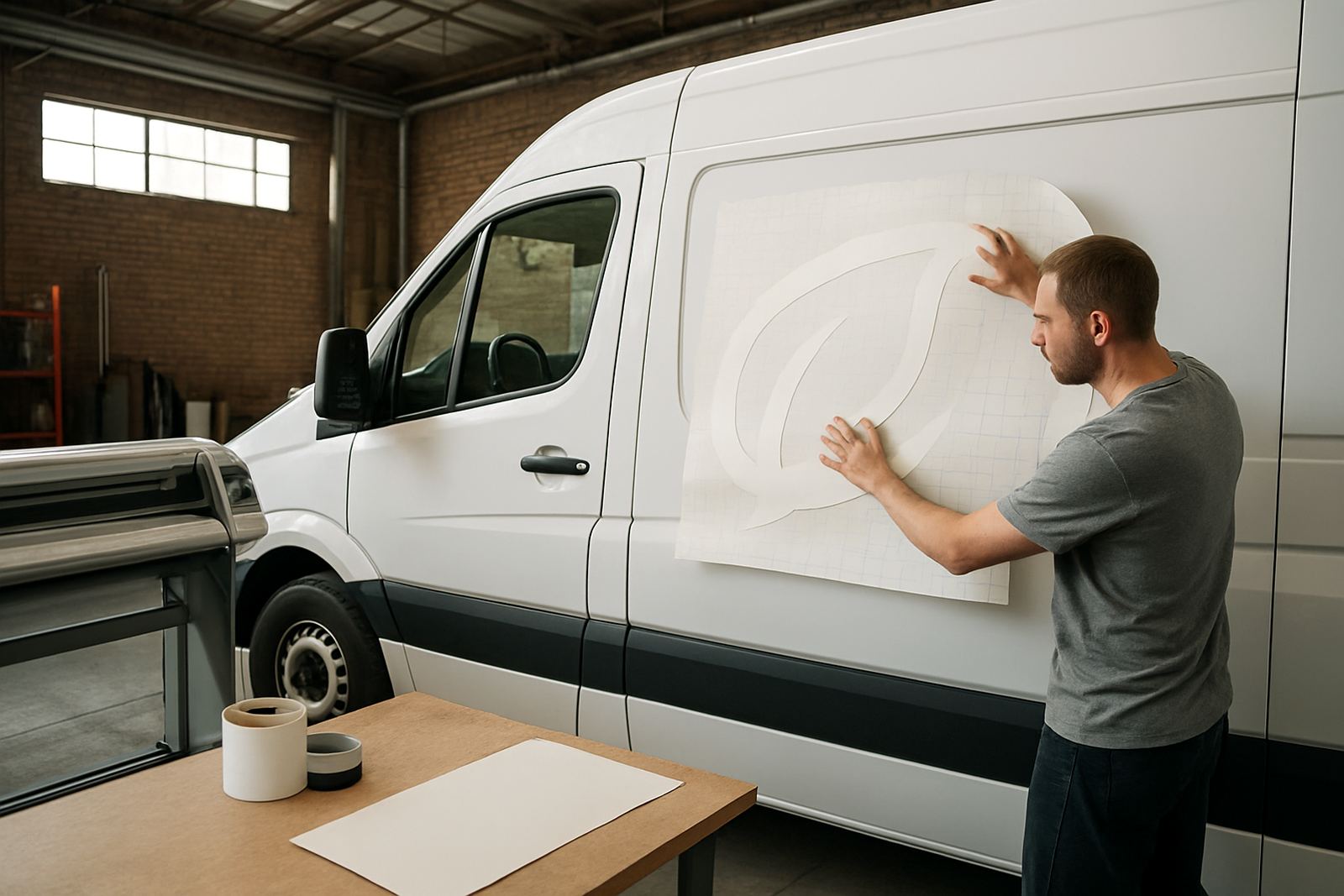
- Vehicle magnets and short-term fleet markings
Creative graphics and custom shapes
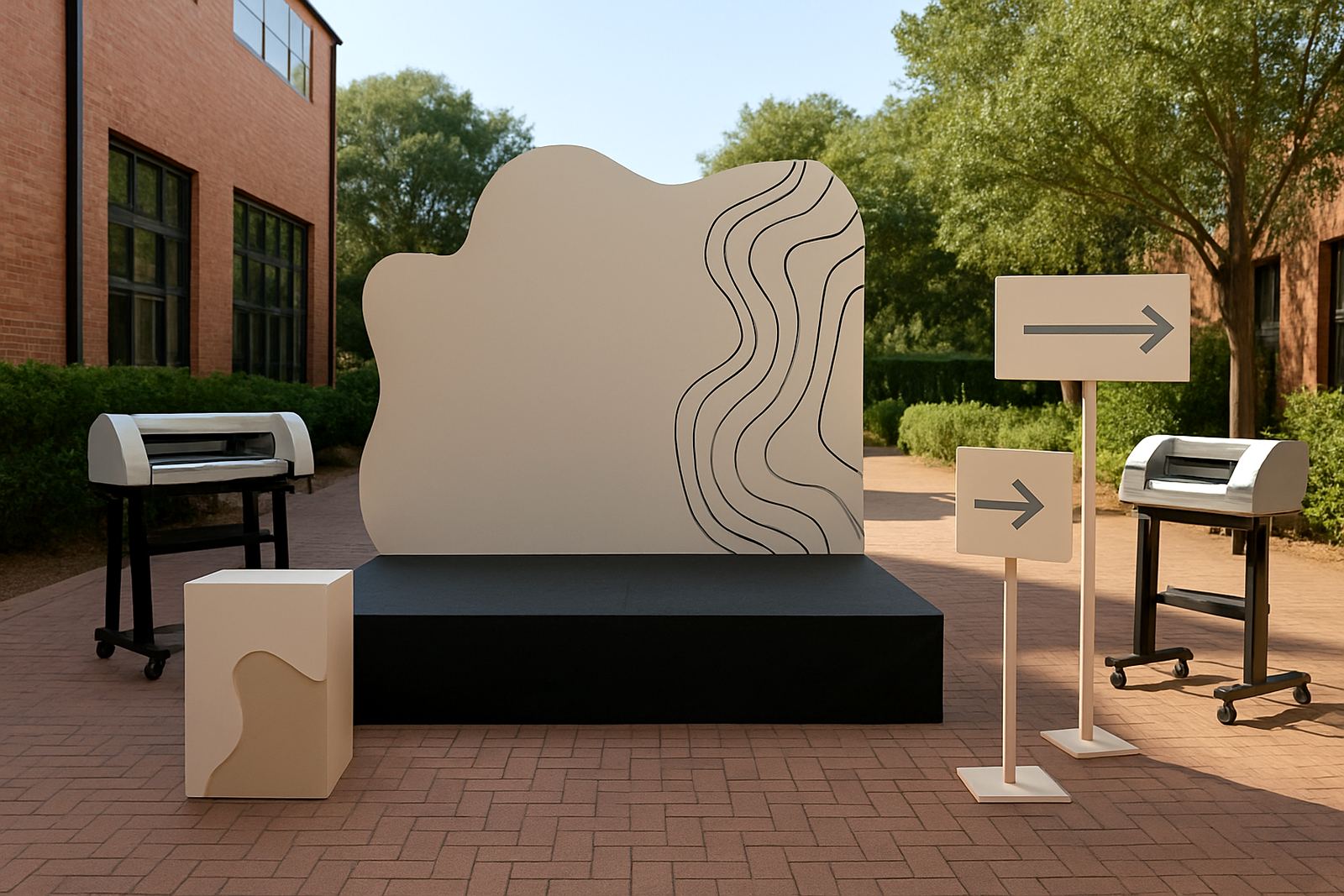
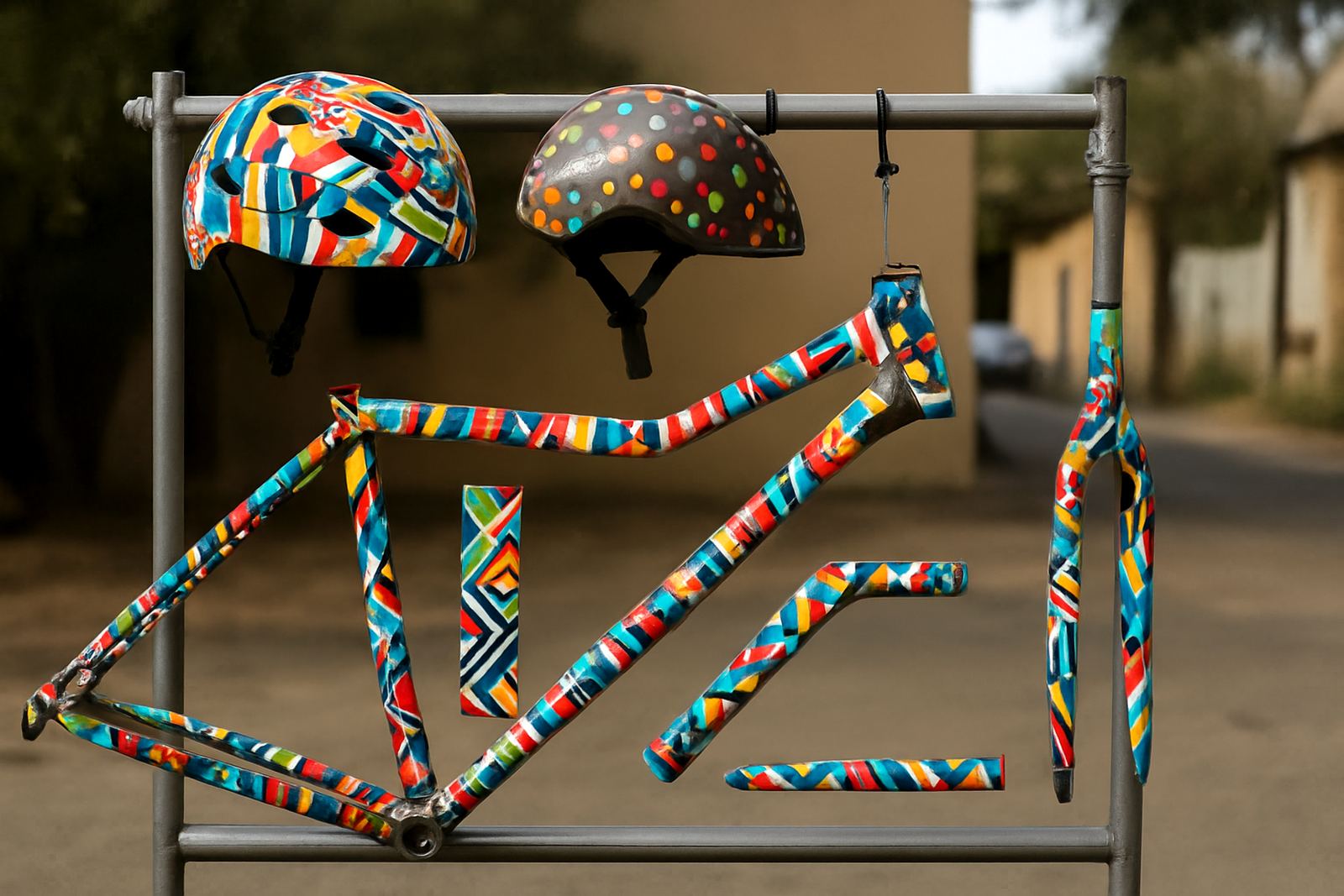
Design studios, photographers and makers often need shaped graphics rather than plain rectangles. That might include character stickers, exhibition pieces, packaging mock-ups or one-off presentation boards. Contour cutting lets you follow the artwork itself, so the cut becomes part of the design instead of sitting around it.
Creative work can be more exacting because the details are smaller and the finish gets judged closely. When cut lines are set properly, intricate pieces peel cleaner and present better to clients. It also helps with repeat jobs where the same artwork needs to be rerun later without starting from scratch.
Material choices that affect the final cut
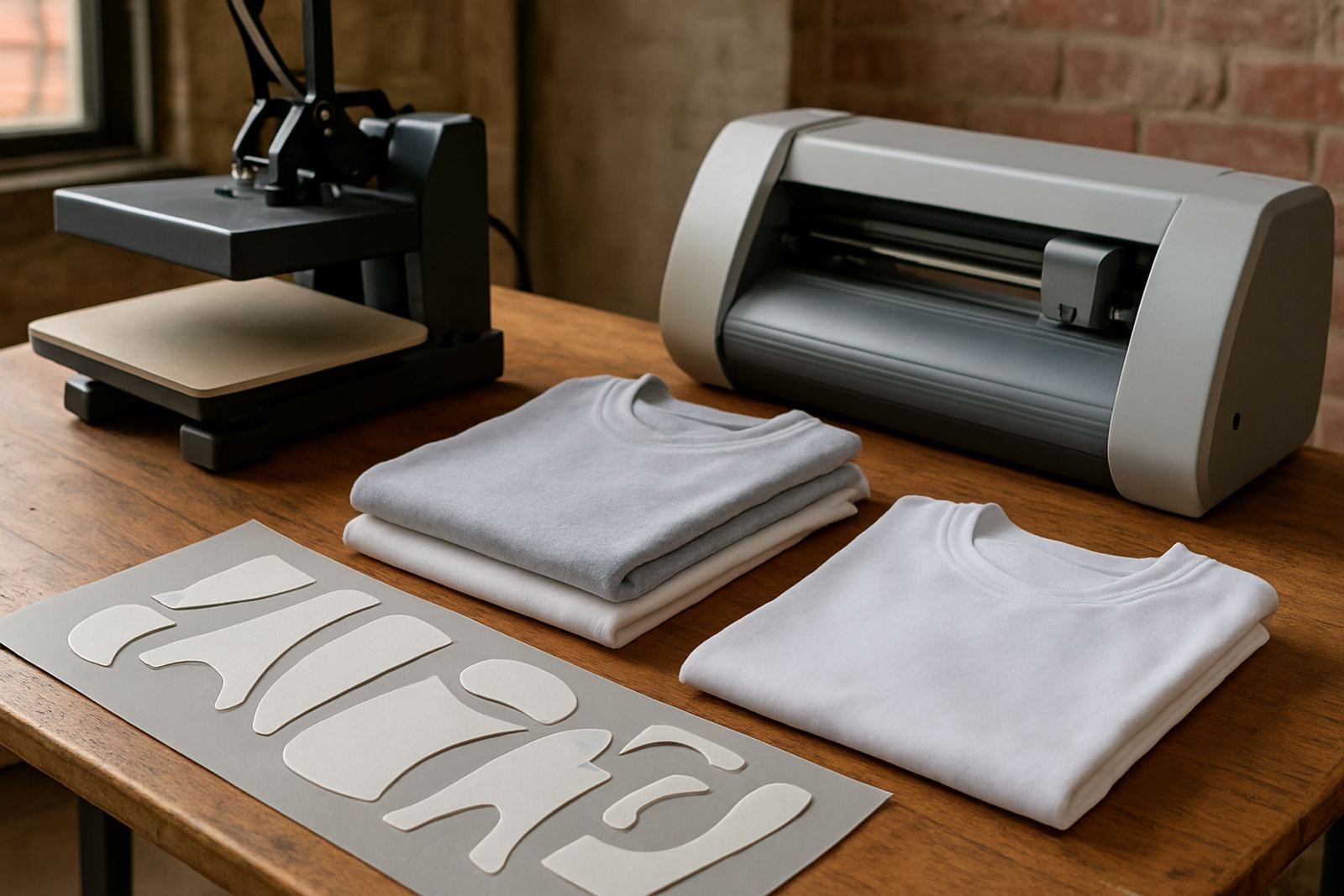
The material you choose changes how the job is prepared and finished. Thin pressure-sensitive media is suitable for decals and labels, while thicker board, reflective material or laminated stock may need a different feed path and blade pressure. Coastal humidity can also affect storage, so material kept in Durban or Port Elizabeth conditions may behave differently from stock stored in a dry warehouse.
For best results, keep the roll or sheet flat, allow the print to cure where needed and check registration marks before running the batch. A clean cut starts with stable material, correct pressure and a clear understanding of what the item must do after installation. If the job will be handled often, ask for a finish that can take abrasion better and not lift at the edges.
How to decide between one-off and repeat production
Some cutting applications are one-off jobs, like a launch display or a custom exhibition panel. Others repeat every month, such as branch stickers, compliance notices or promotional labels for a product range. Knowing which type you are working on helps you choose the right setup and reduce rework.
If the artwork changes often, build a process that includes cut line checks, media loading, registration calibration and a quick test cut. If the job repeats, document the settings, the operator notes and any issues with blade wear or feed tracking. That small bit of discipline saves time during load-shedding and after-hours production when you need the machine to behave properly first time.
- One-off work suits events, campaigns and custom presentations
- Repeat work suits labels, branch graphics and compliance signage
- Documented settings help keep output consistent across teams
- Training reduces errors when new staff take over a live job
Support for operators, supervisors and production teams
Contour cutting works best when the operator, artwork team and production lead all understand the job flow. That includes induction on the cutter, setting up artwork cut lines, blade pressure setup, media loading and the basic checks that prevent wasted material. It also includes knowing what to do when registration drifts or a run starts lifting at the corners.
For teams in Johannesburg and nearby areas, practical support can be arranged around the real production schedule, whether that means a remote refresher or on-site guidance for supervisors. The aim is simple: fewer failed cuts, cleaner handover between shifts and better control over turnaround times. If you need help deciding which application fits your work, start with the end use and the substrate, then work back from there.