Why short runs often pay less than they should
Many businesses price a 50 sticker or 200 label job as if it is only about print and cut time. In reality, short runs carry a full load of fixed steps: checking artwork, setting cut lines, loading media, registering the sheet or roll, confirming blade pressure and clearing the first sample cut. Whether you are in Isando, Sandton or Midrand, those minutes cost the same and they show up harder on small orders.
The biggest mistake is treating short run work like bulk work. On a 10 000 label order, setup gets spread across many units. On a 120 label rush job for a Kempton Park supplier or a small Pretoria campaign, the same setup can swallow the profit if it is not priced in. Jobs that seem simple often have the highest handling cost per unit, especially when the artwork changes after approval or the client wants three sizes instead of one.
The cost drivers that decide your margin
Short run profit depends on more than the sticker material. You need to measure the real cost of time, waste and machine wear. A vinyl or label job that needs multiple passes, tight curves or fine registration marks will take longer to calibrate and may need slower cutting speeds. If the media shifts slightly because of humidity in coastal Durban or a dusty workshop in Boksburg, you can lose a sheet before the job even starts. That is money off the bottom line.
- Setup time: Artwork checking, cut line correction and registration calibration.
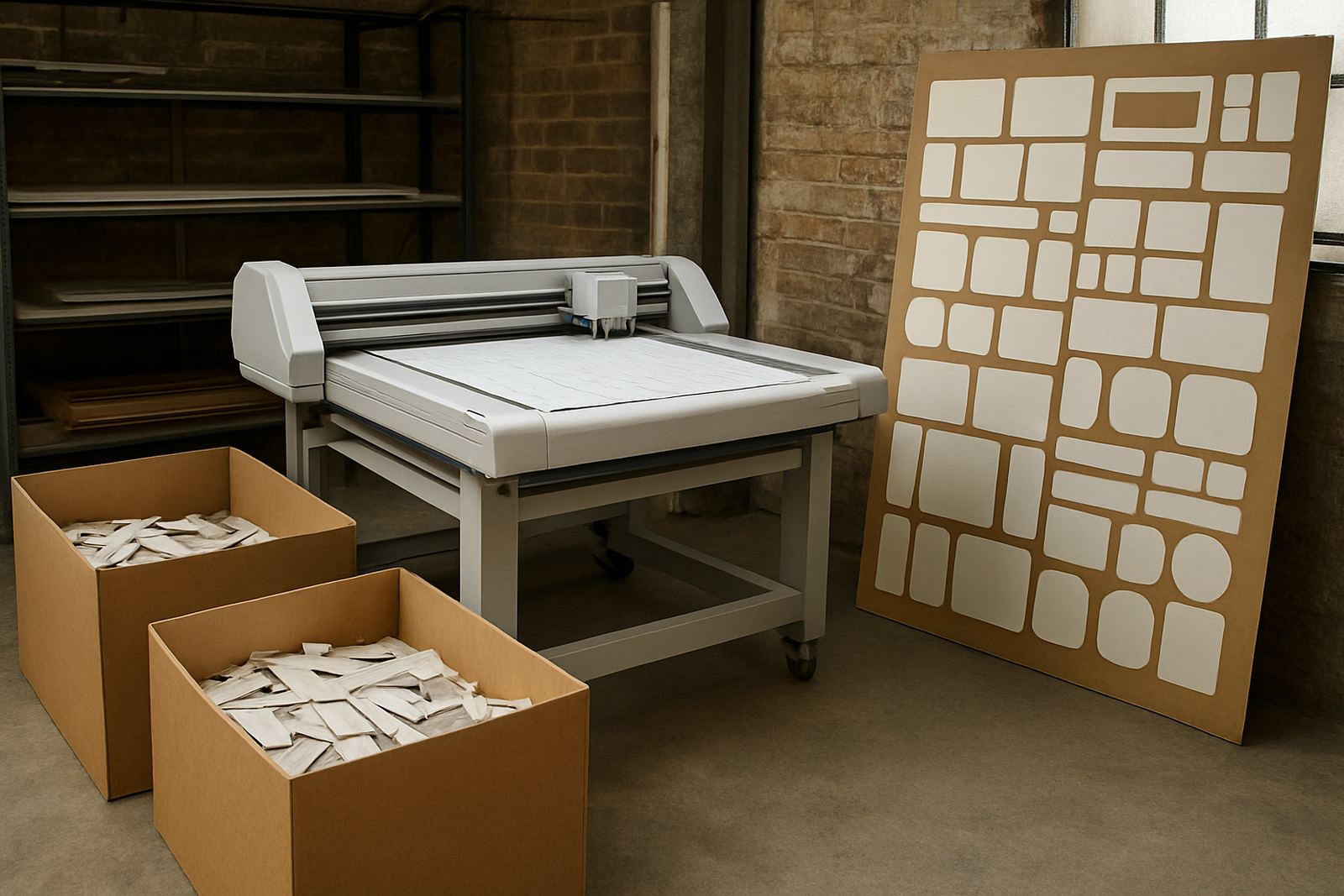
- Media waste: Offcuts, test strips, misfeeds and rejected sheets.
- Labour: Operator time, packing, checking and rework.
- Machine wear: Blades, cutting strips, rollers and general maintenance.
- Admin load: Quoting, proofing, client changes and collections.
Even power interruptions matter. In load-shedding periods, a job stopped halfway through may need to be restarted and rechecked, which can cost more than the electricity itself. If your quote ignores interruption risk, short run work starts looking busy but not profitable.
How to price by process, not only by quantity
The cleanest way to protect margin is to separate setup from unit price. Charge for the work that happens once, then charge per sticker, label or metre for the repeat portion. This makes small orders fair without punishing the client who only needs a few hundred pieces. It also helps when a customer comes back monthly for the same artwork, because the repeat job should be priced lower once the cut lines and settings are already proven.
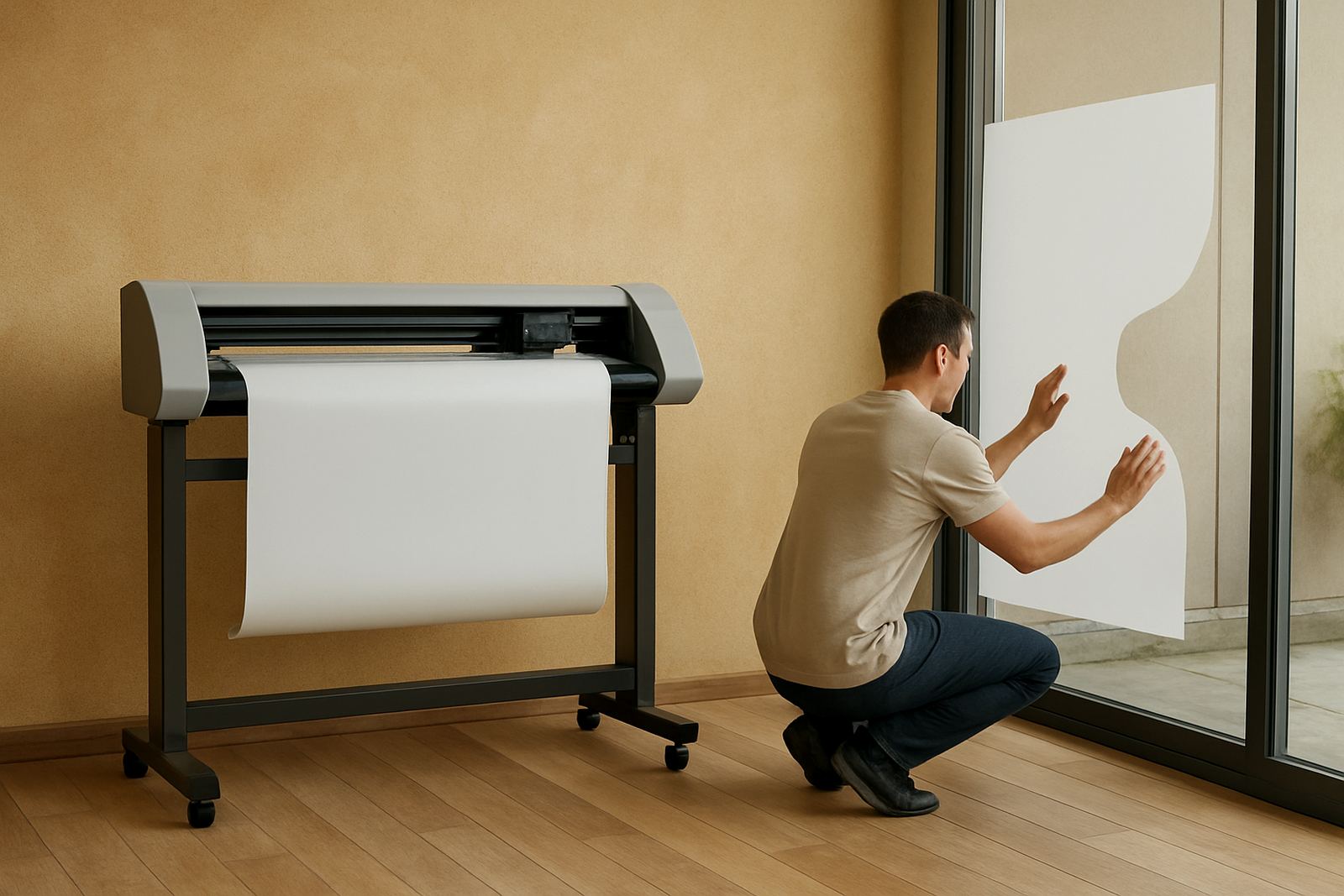
For example, a Sandton agency may need 300 contour-cut promotional stickers for a launch event. If the first proof takes 45 minutes, the registration is finicky and the finishing includes sorting by design, that is a different job from a plain 300-square label run. If you price both the same, the detailed one loses money and the simple one hides the problem. Pricing by process keeps the numbers honest.
- Separate artwork setup from production time.
- Quote reproofs as a change, not a freebie.
- Apply a minimum charge for low-volume work.
- Use repeat-job pricing only when settings are confirmed.
- Build in packing and handover time for urgent orders.
Where precision saves money on small jobs
Precision is not only about neat edges. It is about reducing the number of times a job has to be touched. Accurate cut lines, correct media loading and a well-set blade pressure can turn a frustrating job into a clean one. When the cut follows the print properly, there is less manual trimming, less sorting and fewer rejected pieces. That matters on short runs because every extra touch adds a noticeable cost.
Operator induction also plays a part. A trained operator will spot problems early, such as misread registration marks, a warped sheet or a blade that is scoring too deep. These small checks save expensive mistakes. A simple maintenance routine, like cleaning the rollers and checking blade condition before the shift, can prevent a 30-minute delay that wipes out the profit on a modest label order.
For businesses handling a mix of signage, promotional items and product labels, the best results usually come from standardising the boring parts. Keep common settings written down, save cut line templates and record which media works best on which job type. That makes the next run faster and more predictable.
A Johannesburg example: small run, tight deadline, real margin
Take a 250-label job for a local cosmetics reseller in Isando. The labels need contour cutting, the client wants delivery by Friday and the artwork arrives with minor cut line issues. If the team spots the problem early, adjusts the registration points and runs the job once, the margin can still be healthy. If the same order is printed twice because the first sheet was off by a few millimetres, the profit drops fast.
Now add a practical South African twist. If the job lands during a week of power cuts, the production plan needs to include backup timing, machine restart checks and enough buffer to meet collection time. A smooth handover to the client in Germiston or Randburg often comes down to how well the production team planned the first hour. Small jobs punish confusion. They reward preparation.
The businesses that do best on these orders are not the ones with the fanciest machine, but the ones that know their own timings. They know how long artwork correction takes, how much media is lost on setup and when to stop offering free changes. That discipline keeps the short run work profitable even when the volumes are low.
Simple controls that protect profit on every order
If you want short run jobs to pay properly, put a few controls in place and use them every day. These do not need a complicated system, just consistency. The aim is to reduce variation so each small job behaves more like a planned production run and less like an emergency.
- Use a written intake checklist for artwork, sizes and finishes.
- Confirm whether the job is roll-fed or sheet-fed before quoting.
- Set a minimum order value for urgent one-off work.
- Train staff to check cut marks before the full run starts.
- Track the jobs that needed rework and review why.
- Keep a basic maintenance log for blades, rollers and calibration.
When these habits are in place, short run sticker and label work stops being guesswork. You can see which orders are worth repeating, which clients need tighter artwork control and which jobs should carry a premium. That is how a small production job becomes a decent contributor to the month, not just another busy afternoon.