Why storage changes the way vinyl feeds
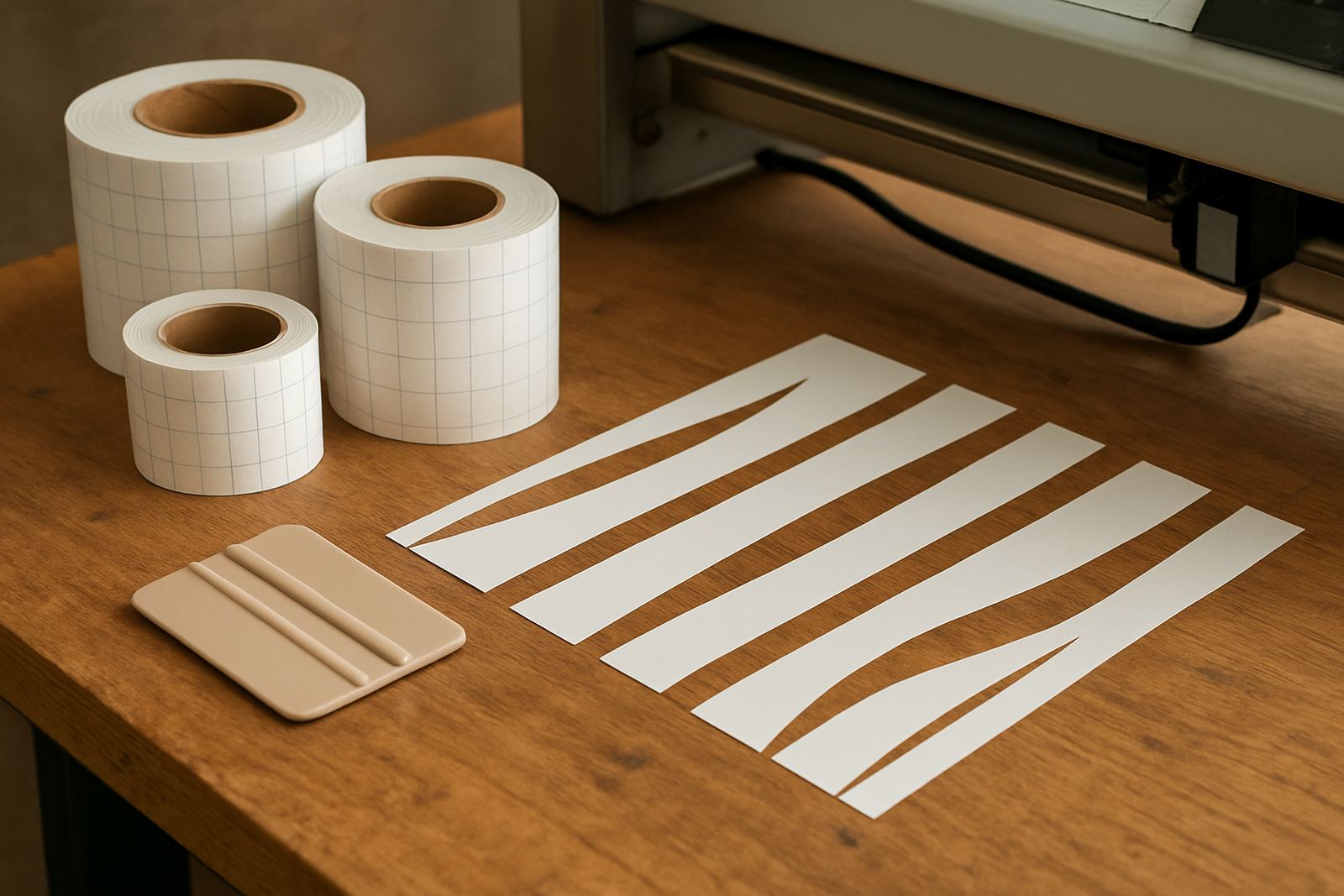
Vinyl that has sat in the wrong conditions will not behave the same as stock that has been stored well. Rolls can take on a slight set, edges can curl, and the liner may start to move unevenly through the machine. That shows up as tracking issues, skewed cuts and wasted material, especially on long runs where a small feed problem becomes a bigger one by the metre.
In Isando and the wider Johannesburg area, many workshops deal with hot afternoons, cool nights and dust from loading bays. That swing in temperature can affect roll shape and tension. If a roll has absorbed moisture or been kept near an open door, it may look fine at first but feed with more drag than expected. One of the first signs is a machine that suddenly needs more attention on the pinch rollers than usual.
- Store rolls flat where possible, or upright on proper racking.
- Keep stock off the floor, even in a clean store room.
- Check roll edges before loading for crush marks or curled corners.
- Let cold stock settle to room temperature before cutting.
Temperature and humidity around the store room
Adhesive vinyl is sensitive to both heat and damp air. When the store room gets too warm, the face film can soften slightly and the liner may tighten unevenly. When humidity climbs, the adhesive can pick up a different feel, which affects weeding and final stick. Coastal branches feel this most, but inland sites are not immune, especially where stock sits near roller doors, washing bays or unventilated back rooms.
A practical target is a dry, steady room away from direct sun. You do not need a laboratory, just consistency. If your stock moves from a cool store to a hot production floor every morning, give it time to settle. It is a simple step, but it helps avoid feed hesitation and blade drag. A bit of planning saves quite a few re-cuts.
- Keep vinyl away from sunlight through windows or translucent roof panels.
- Avoid storing rolls next to compressors, heaters or transformers.
- Use sealed shelving or covered racks in damp areas.
- Mark older stock so it gets used before fresher rolls, first in first out.
How adhesive behaviour changes after poor storage
People often blame the cutter when decals lift, weed badly or leave residue, but the storage room may be the real problem. Adhesive that has been overheated can become grabby in patches and weak in others. If it has absorbed moisture, the initial tack may feel inconsistent and the release from the liner can be uneven. That is a headache on fine lettering and small numbers where every edge matters.
For sign makers doing fleet markings, safety labels or promotional stickers, consistency matters more than speed. A roll that behaves properly lets you cut, weed and transfer with less rework. If you are seeing odd adhesive behaviour on a good blade setting, check the roll age, storage position and whether the product has been opened for months. A quick visual and touch test often tells you more than a full machine check.
Loading the roll cleanly before the first cut
Even when the storage room is decent, rough handling can undo the benefit. Dropping rolls, resting them against walls, or stacking weight on top of them can create flat spots that affect feed quality. Before loading, inspect the core, the edges and the leading section of the roll. A damaged start makes it harder to align the media, and once the first few metres are off, the rest of the job can drift too.
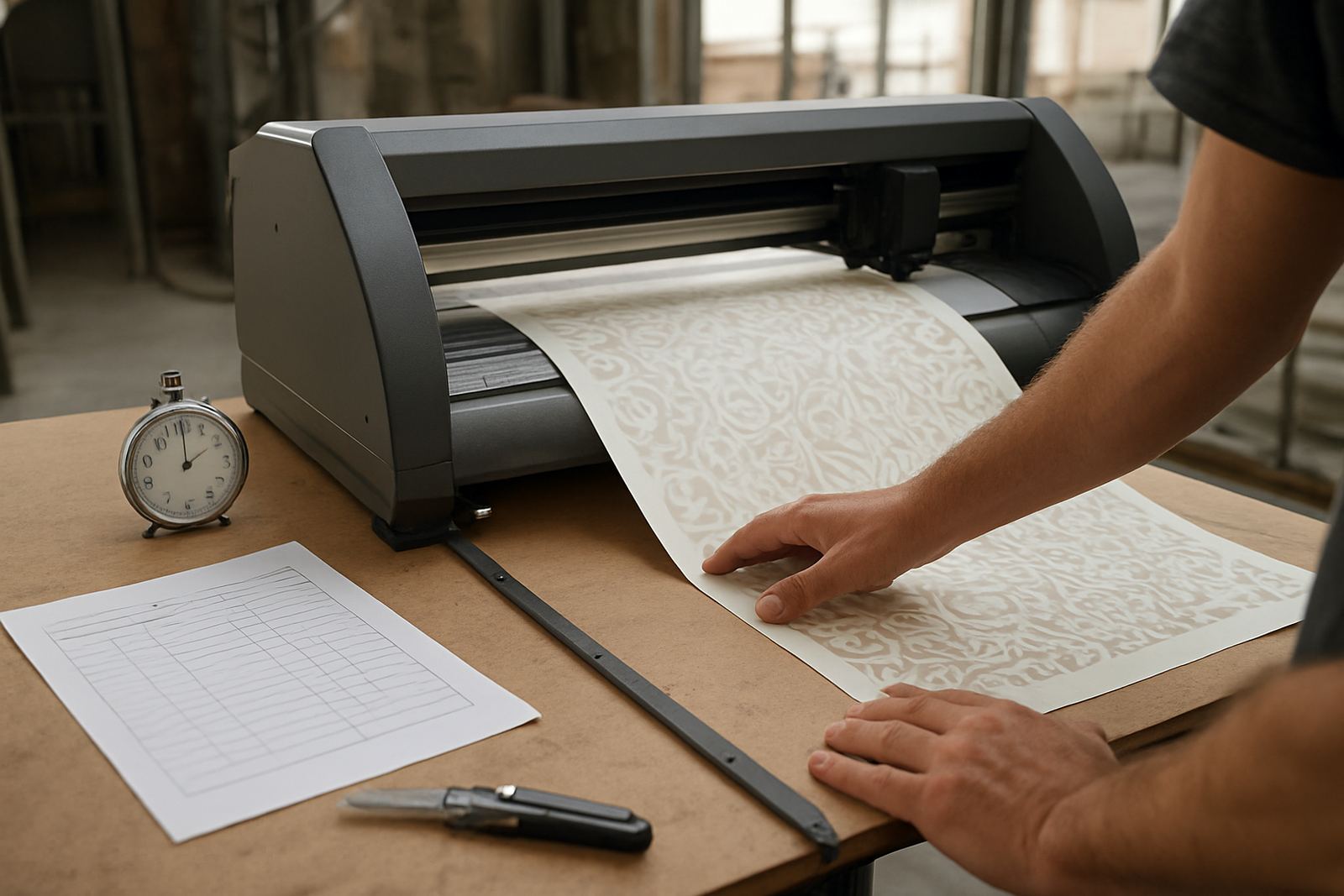
Here is a good loading routine for busy shops in Midrand, Germiston or Boksburg where jobs move quickly and space is tight. It takes a few minutes, but it cuts down on feeding problems later on.
- Unwrap only what you need, keep the rest protected from dust.
- Feed the roll straight, without twist or side pressure.
- Check that the edges sit evenly on the support arms.
- Run a short test length before sending the full job.
Cut consistency depends on more than blade pressure
When cuts start breaking through the liner, not cutting cleanly, or pulling tiny points from the artwork, many operators go straight to blade pressure. That is important, but storage can be part of the issue as well. Vinyl that has hardened slightly in a cold room may need a different feel to one stored in a warmer area. Likewise, a soft face film can flex differently under the blade and change the result on detailed graphics.
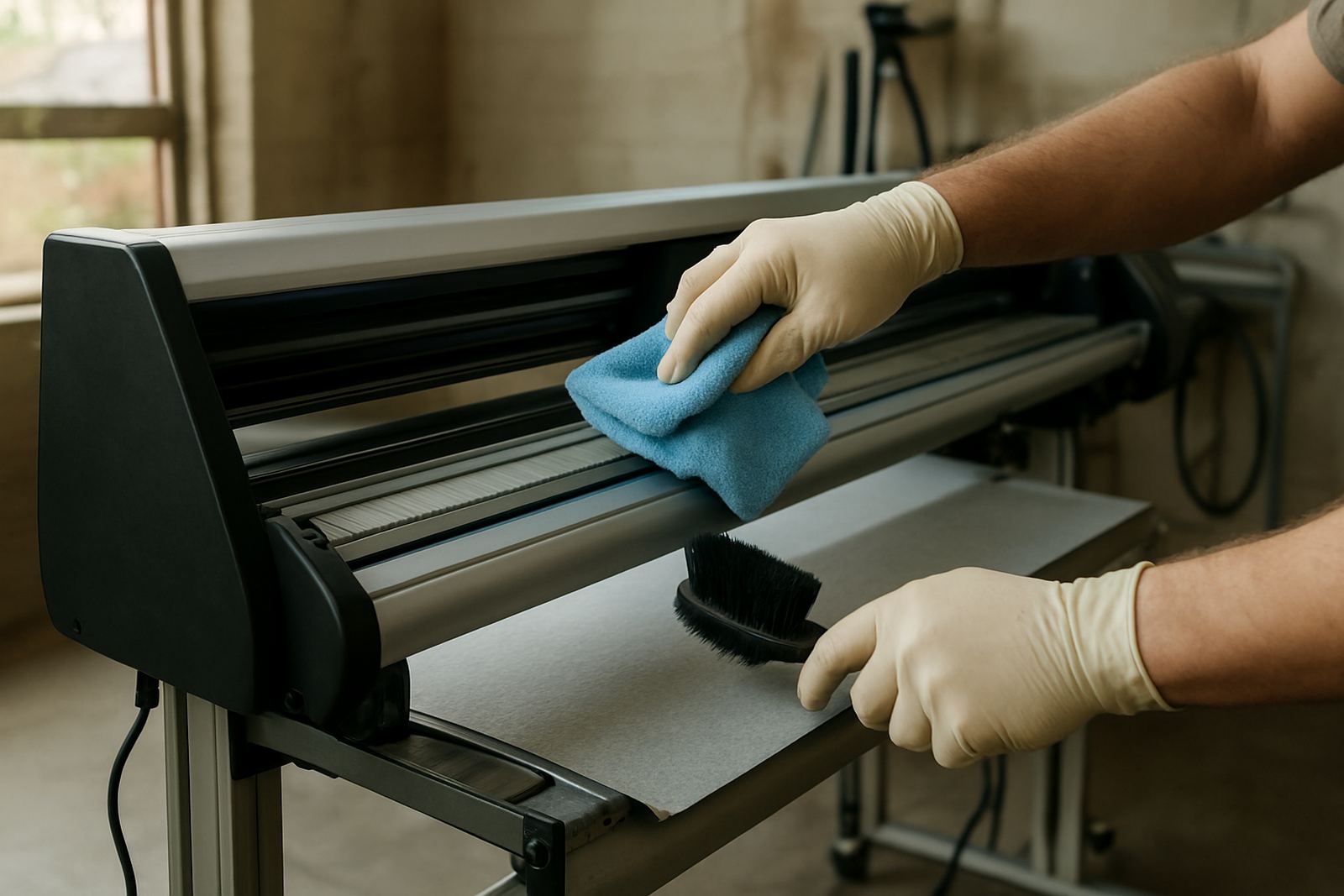
In practical terms, the machine needs media that feeds evenly and stays flat. If the roll has memory from poor storage, the pinch rollers may not grip it uniformly, which affects contour accuracy. This is where a simple maintenance routine helps. Clean rollers, check alignment and keep a log of the media you use. That makes it easier to spot whether the problem is the roll, the settings, or both.
- Note which rolls cut cleanly and which ones give trouble.
- Keep one blade setup sheet for each common media type.
- Re-test after any long storage period or room change.
- Replace worn blades before blaming the vinyl.
A Johannesburg example that saves time on site
An Isando production team might receive vinyl on Monday, store it in a back room with a roller door and start a large set of stickers on Tuesday. If the room is warmer than the floor space, the outer wraps of the roll may behave differently from the tighter inner layers. The first few metres then feed well, but later panels start drifting and the operator keeps stopping to check tracking. That costs time and raises scrap on a job that should have run straight through.
The fix is not expensive. Keep the stock in a stable room, allow it to settle before use, and store opened rolls with proper end caps or covers. On a busy week when loadshedding, deliveries and urgent reprints all land at once, these basics matter more than people think. A well kept roll is easier to cut, easier to weed and far less likely to cause a late night re-run.
Simple storage rules that protect every metre
Most vinyl problems start with small habits. A roll left in a sunny corner, a few boxes stacked on top, or a damp floor under the rack can all affect output later. Good storage is not fancy. It is just consistent, tidy and suited to local conditions. Once your stock room is under control, your cutter spends less time compensating for bad media and more time doing accurate work.
For teams handling frequent jobs across Sandton, Randburg, Midrand and beyond, a short store check at the start of each shift helps a lot. Look at temperature, dust, moisture and the state of open rolls. The aim is simple: feed the machine good stock, and it will give you better cut consistency back.
- Use one person to manage media movement in and out of storage.
- Record delivery dates and opening dates on each roll.
- Keep cleaning cloths and trimming tools near the storage area.
- Train new operators to spot damaged stock before loading.