

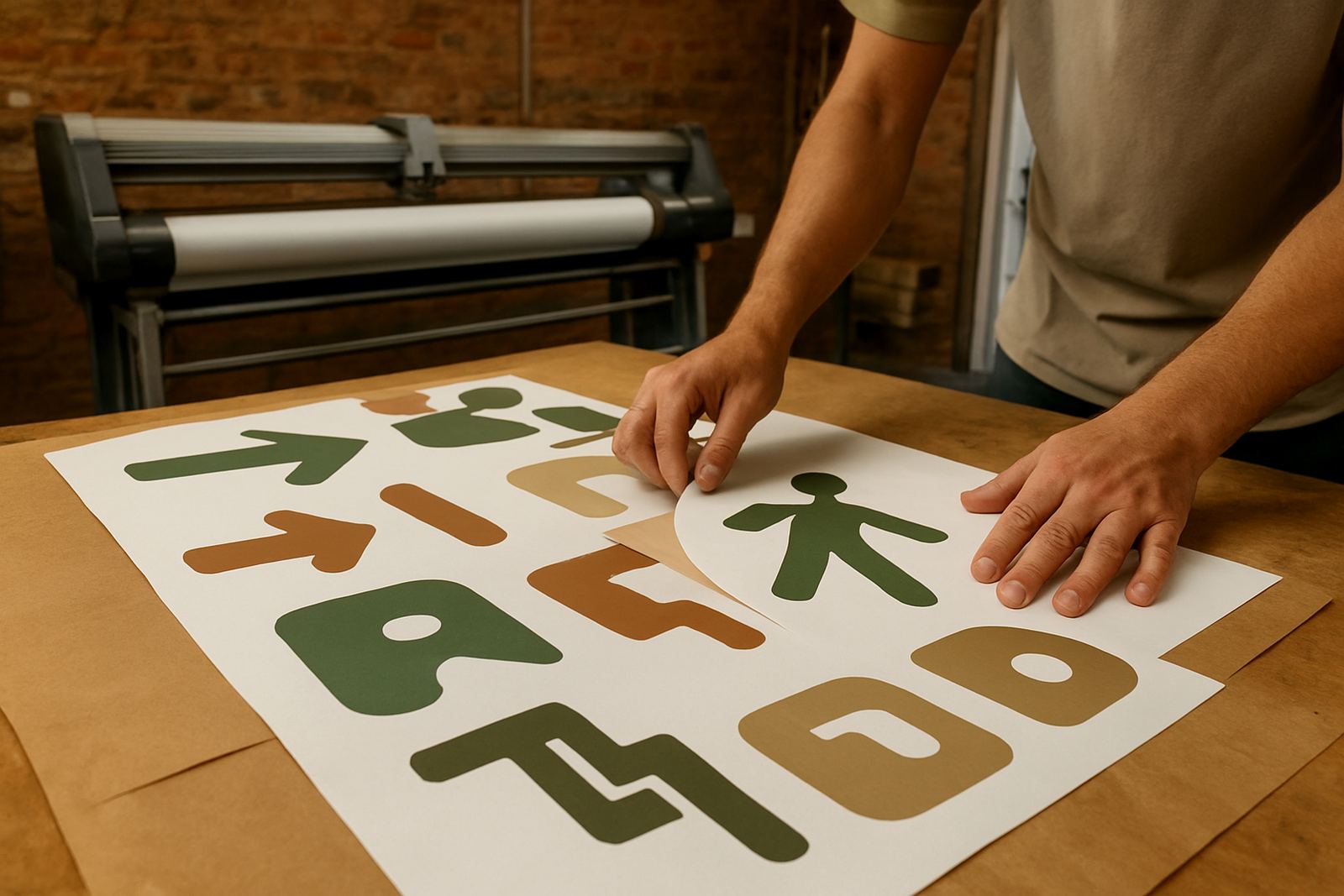
What this job gallery shows
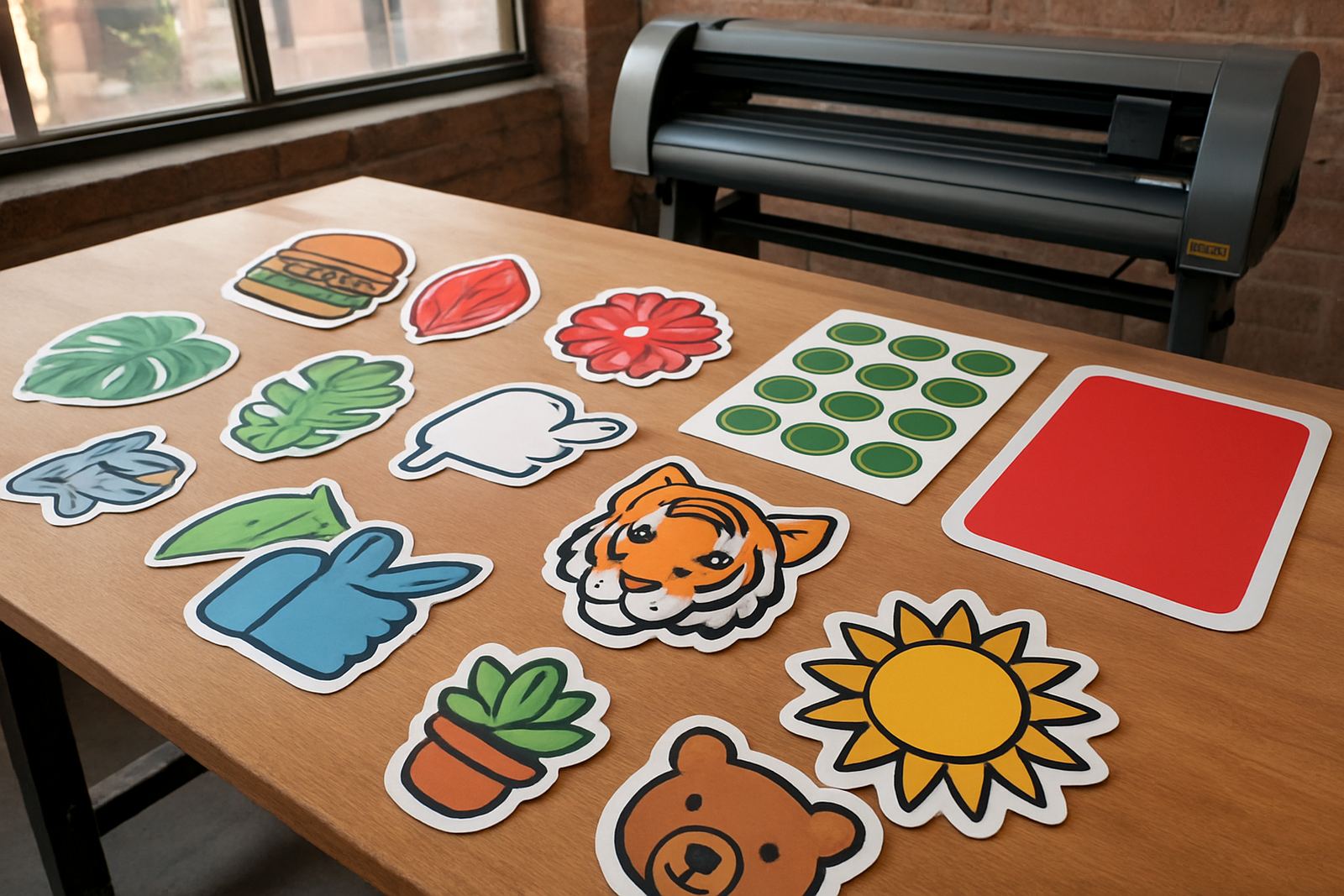
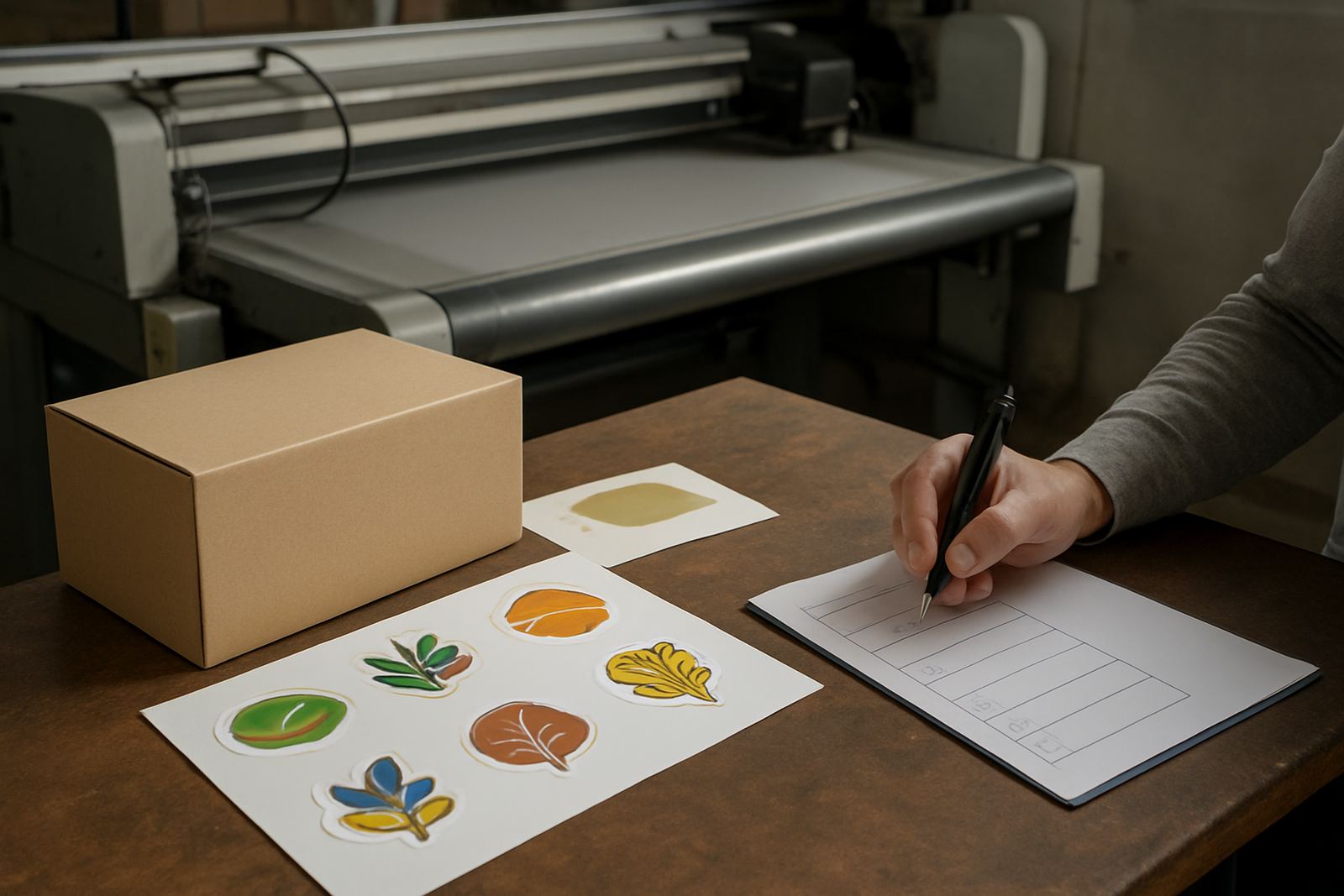
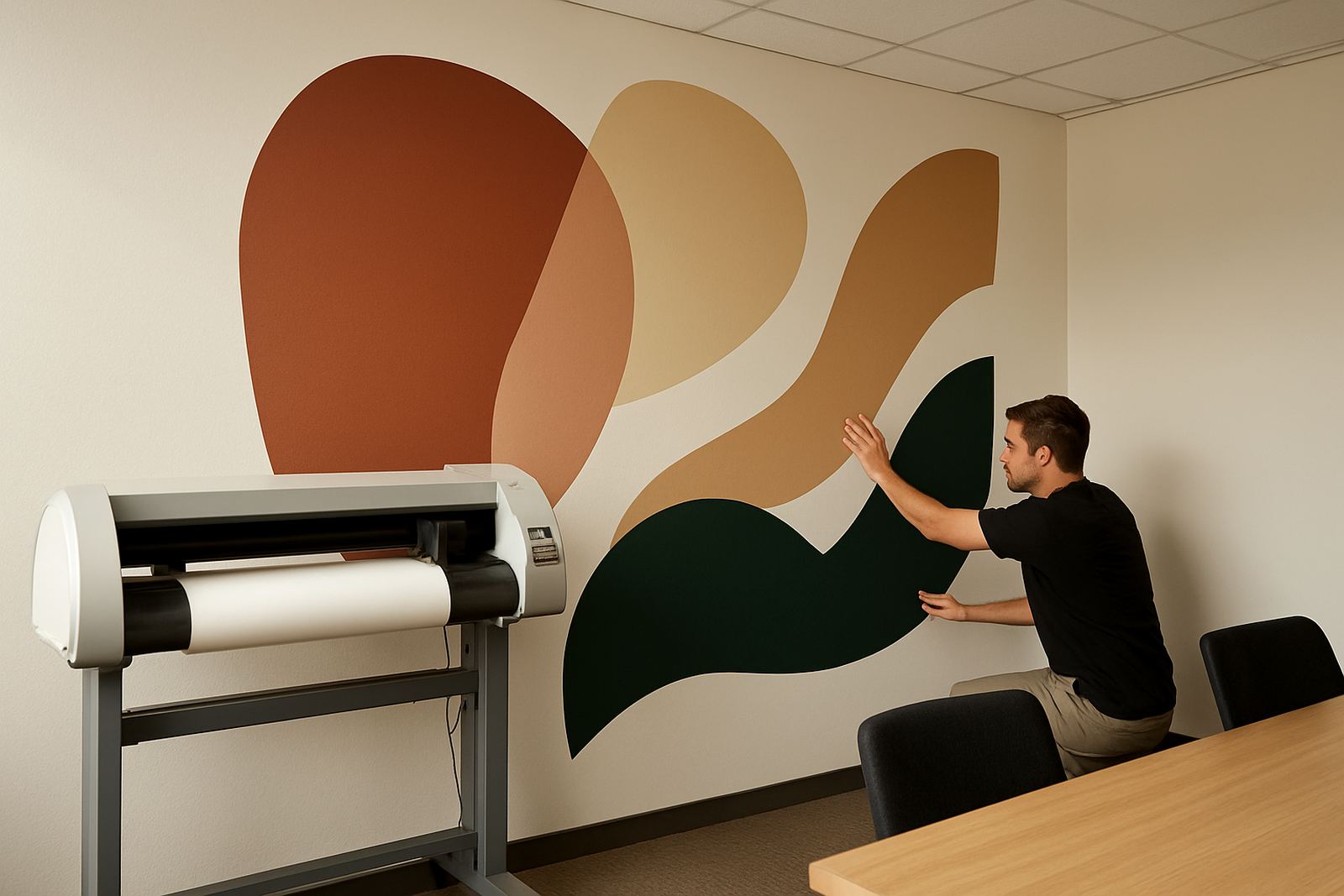
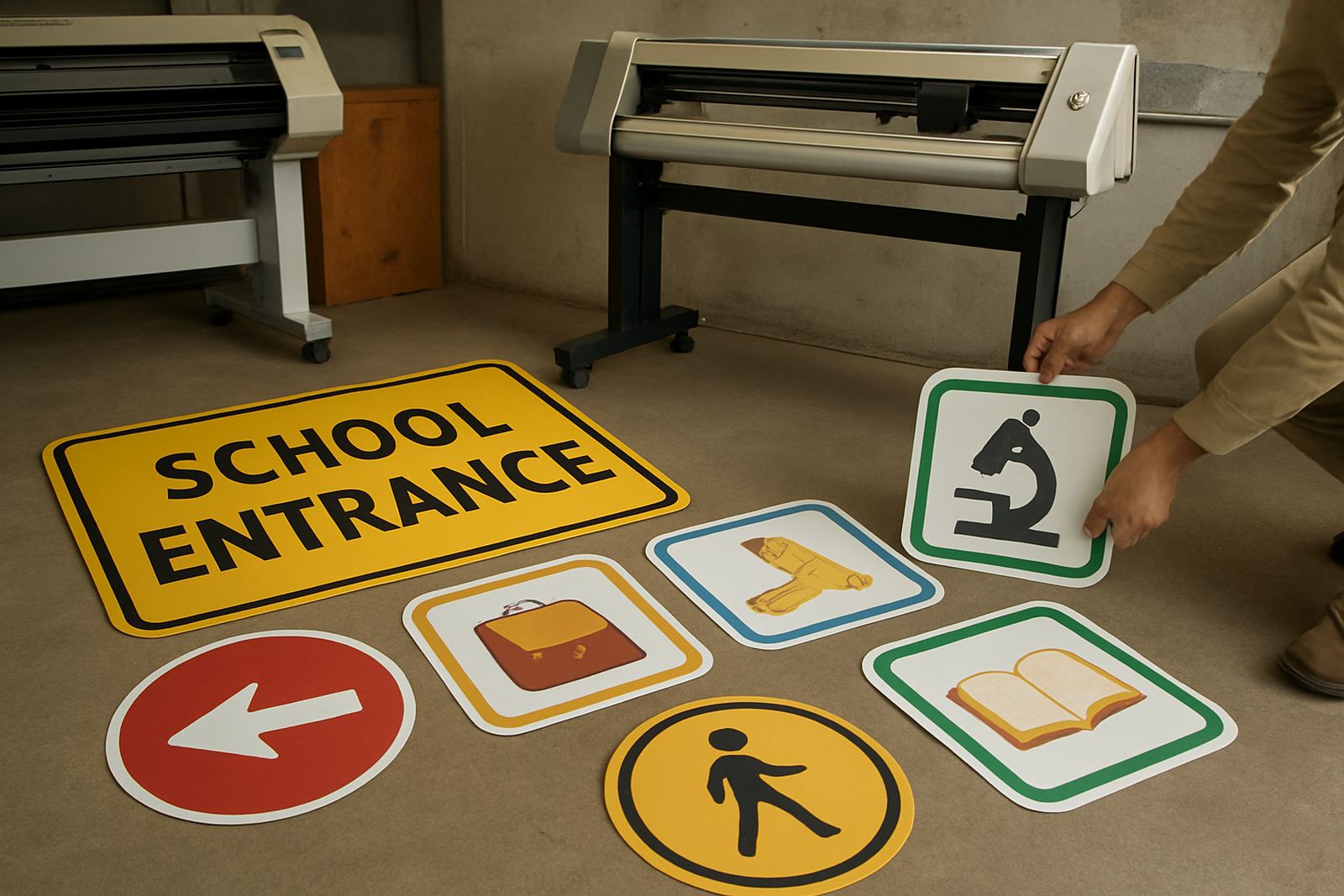
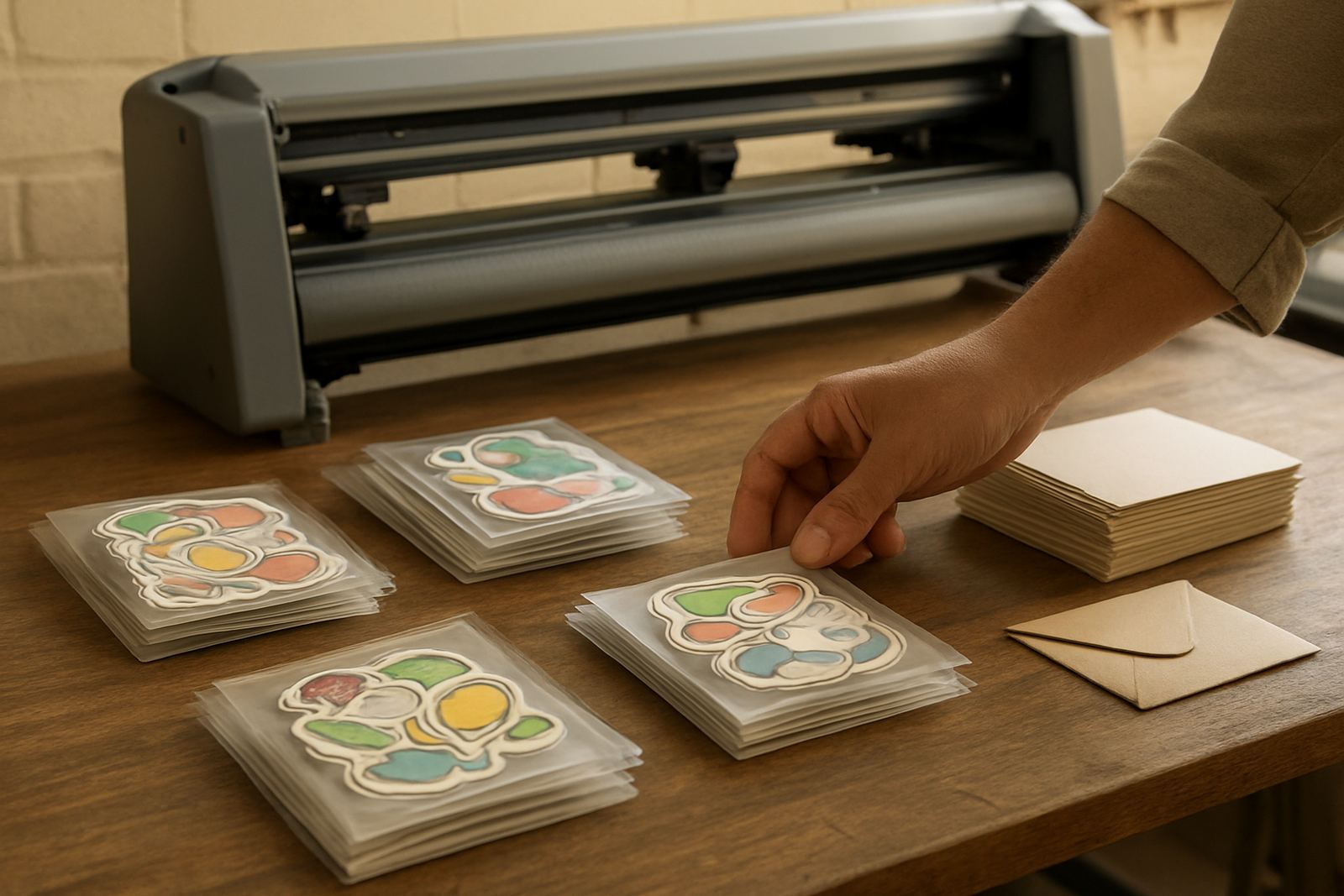
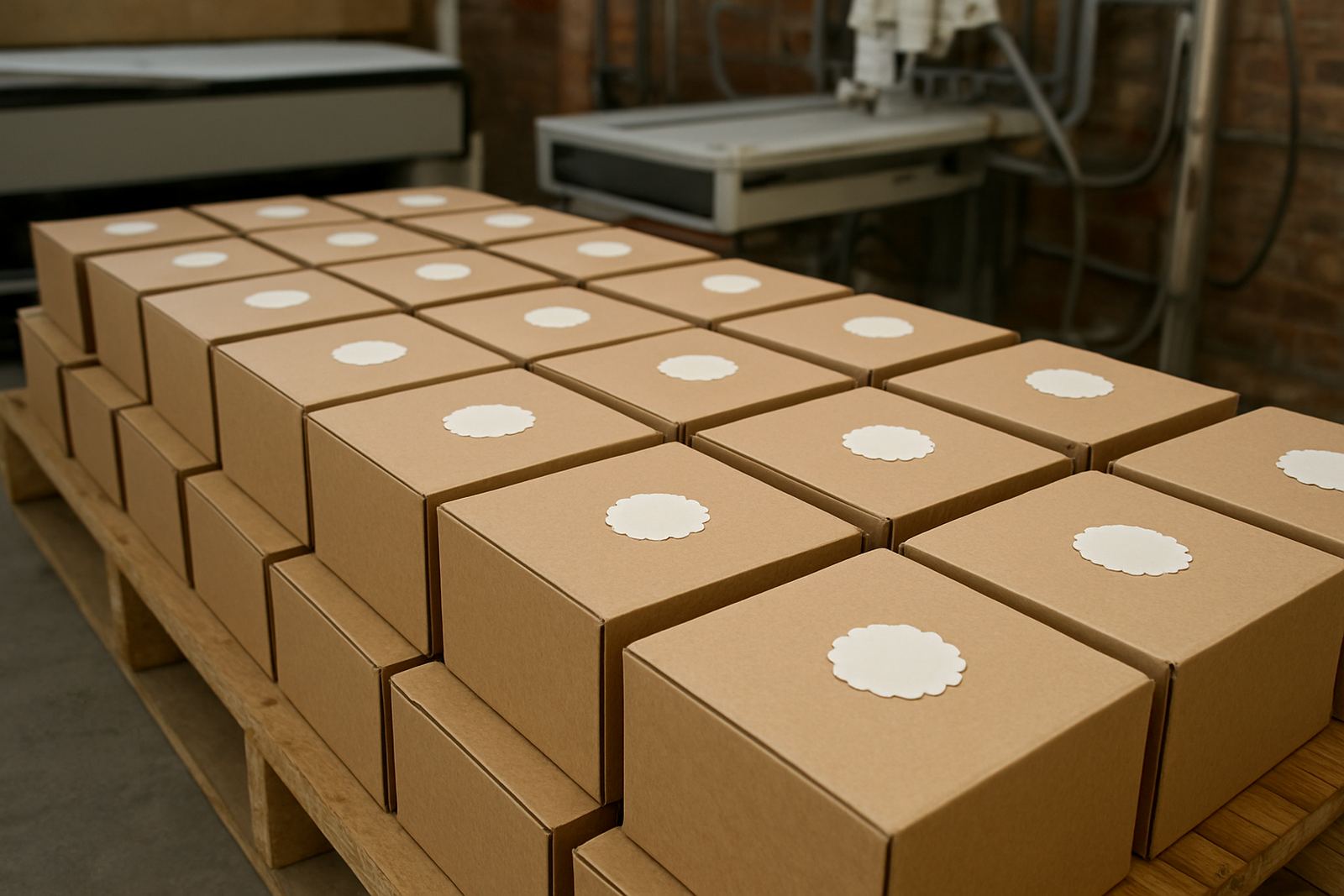
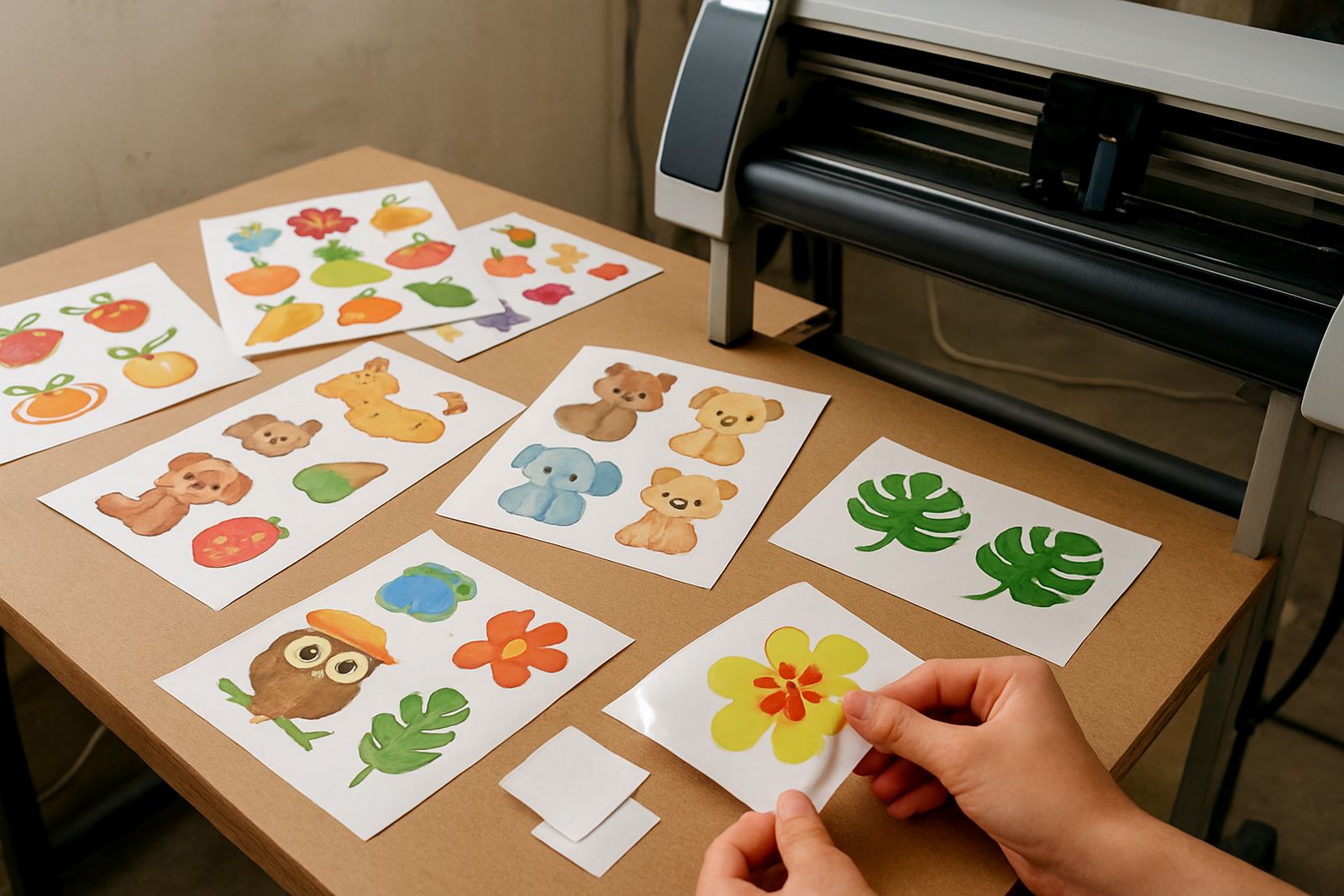
This hub brings together completed contour cutting jobs from our Isando base and support areas in Sandton, Midrand, Germiston, Boksburg and Randburg, plus cutter installs nationwide. The work ranges from short-run sticker sets to larger print-and-cut jobs for signage, product labels, events and custom graphics. Each example shows how the output changes when the brief calls for fine detail, tougher handling or a faster handover.
The listing cards are added separately, so use this page as the guide to what our team can produce and how the finish holds up in real use. A clean cut line matters just as much as the print itself, especially on small lettering, layered artwork and repeat jobs where consistency counts.
How to choose the right example for your job
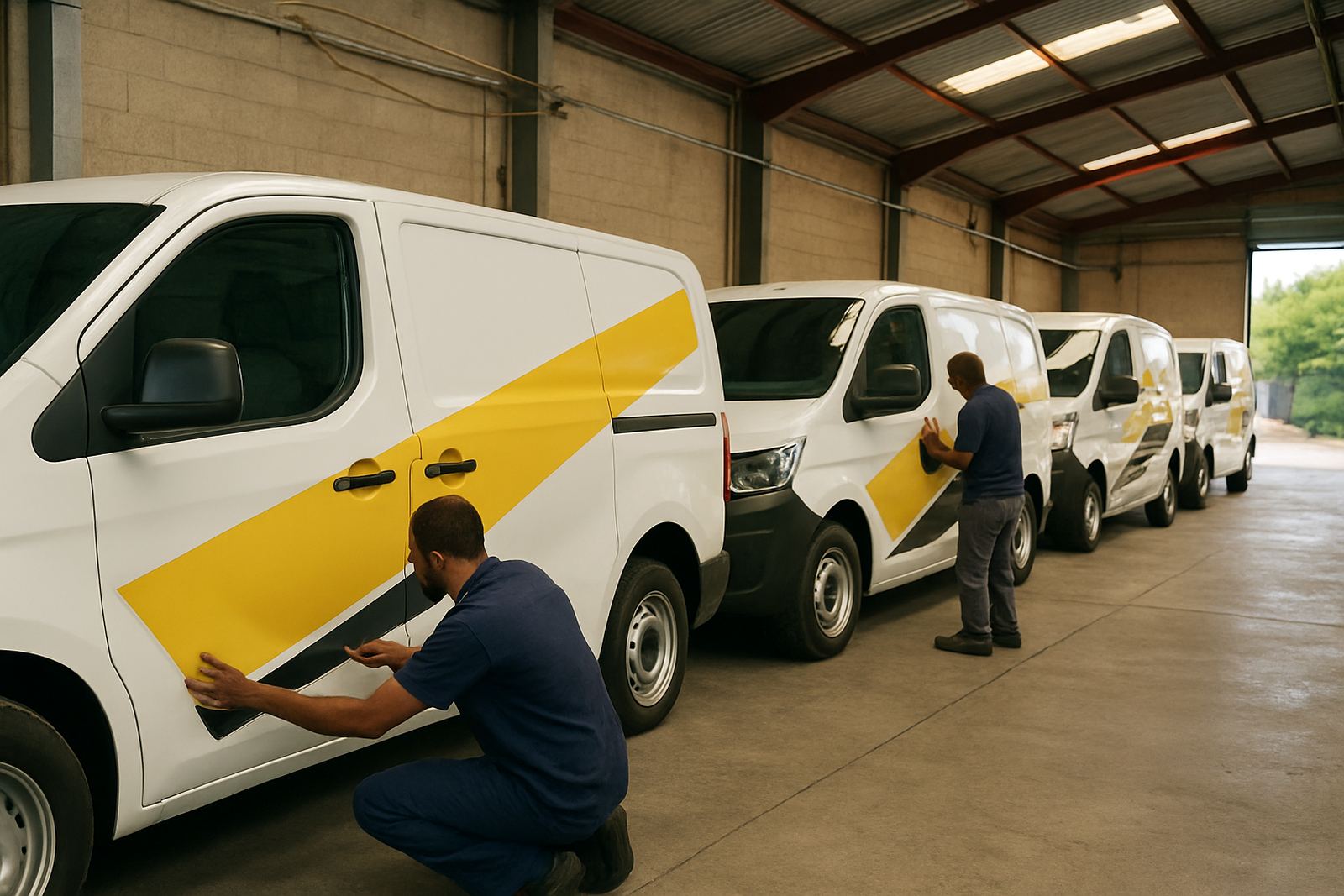
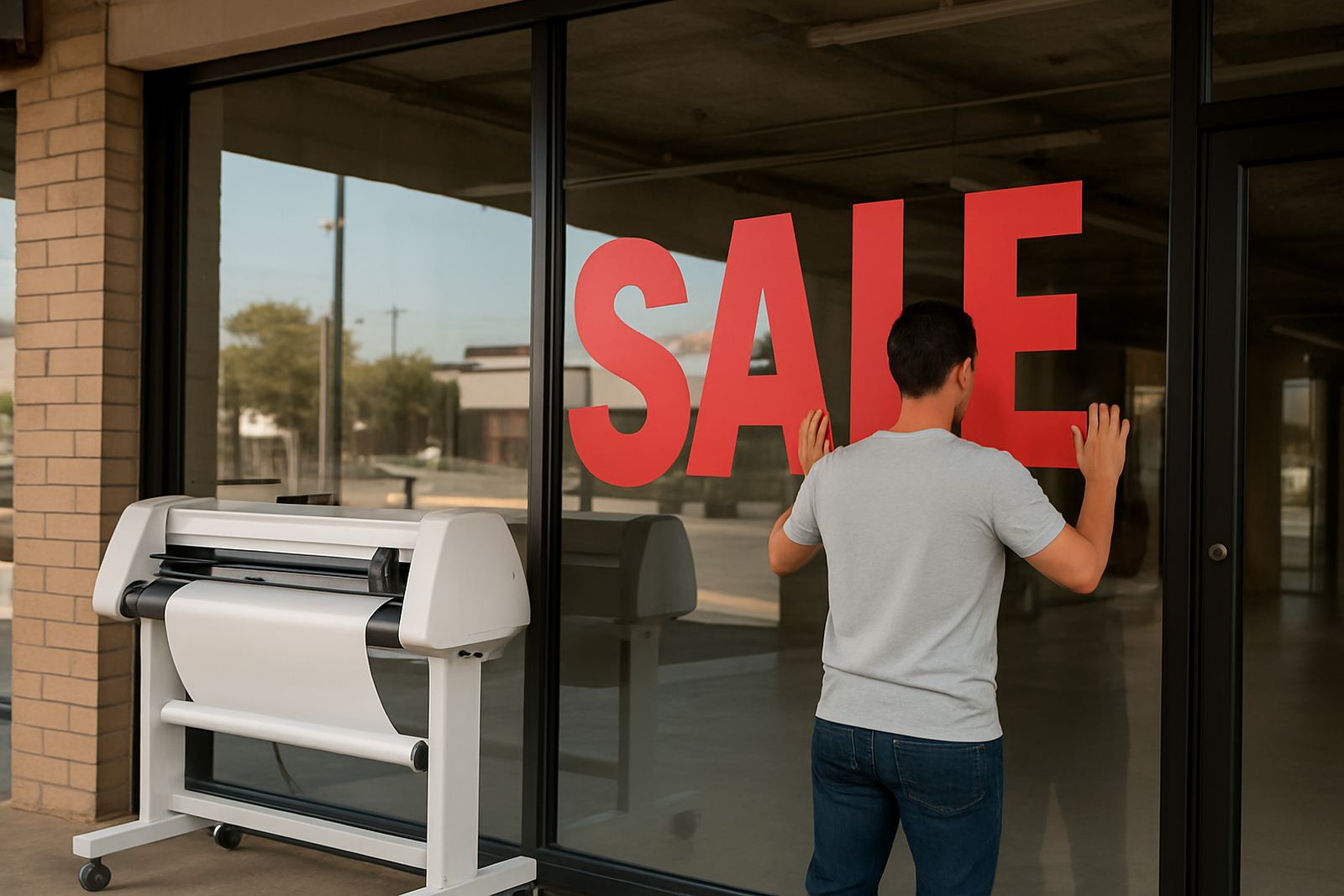
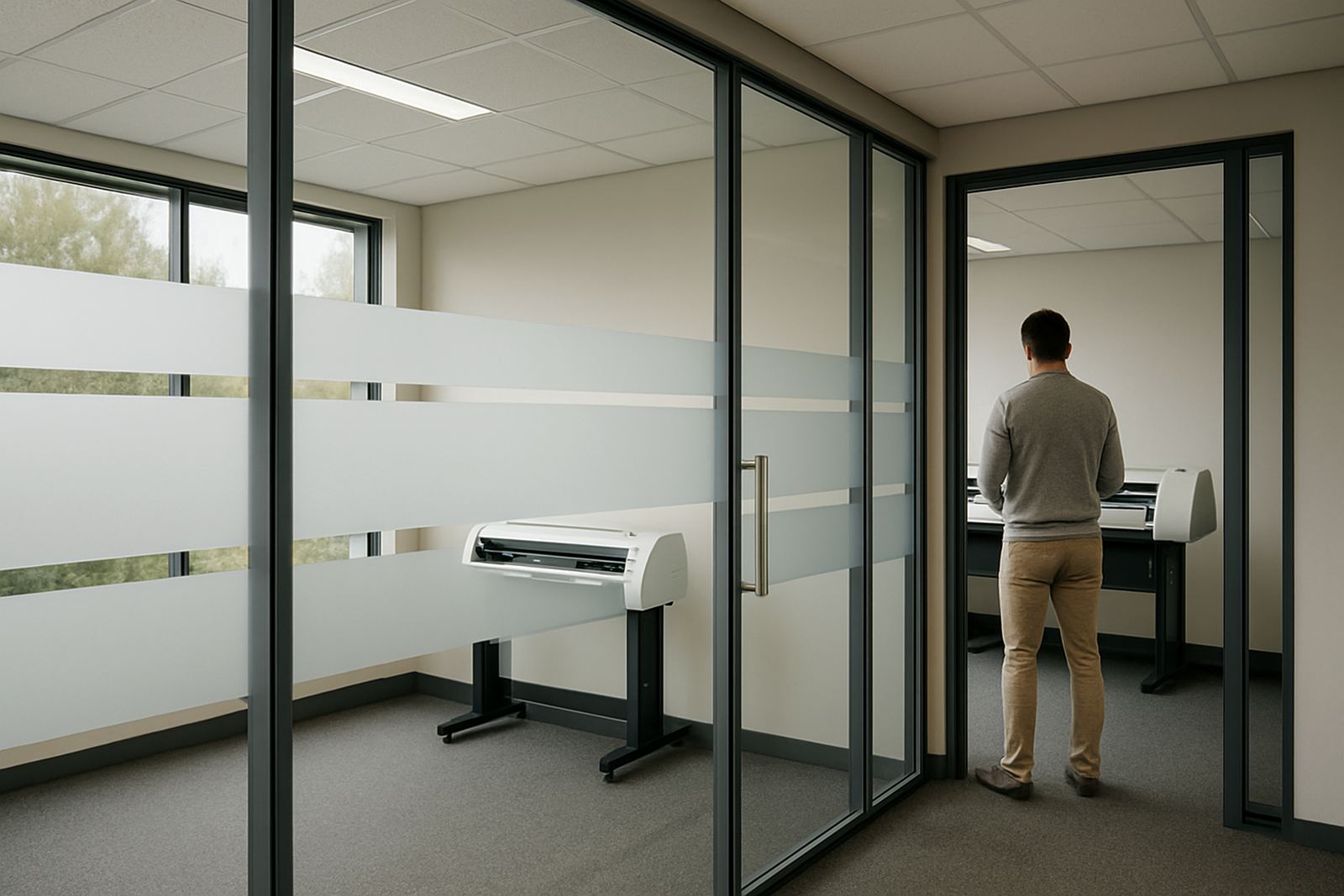
When you scan the recent jobs, look at the material, the cut complexity and where the final item will be used. A sticker for indoor packaging has different needs from an outdoor decal on a delivery vehicle or a point-of-sale graphic in a busy shopfront. If your site is coastal or exposed to heat, humidity or dust, the right film and adhesive choice becomes even more important.
- For fine text, check how closely the cut follows small shapes and inner counters.
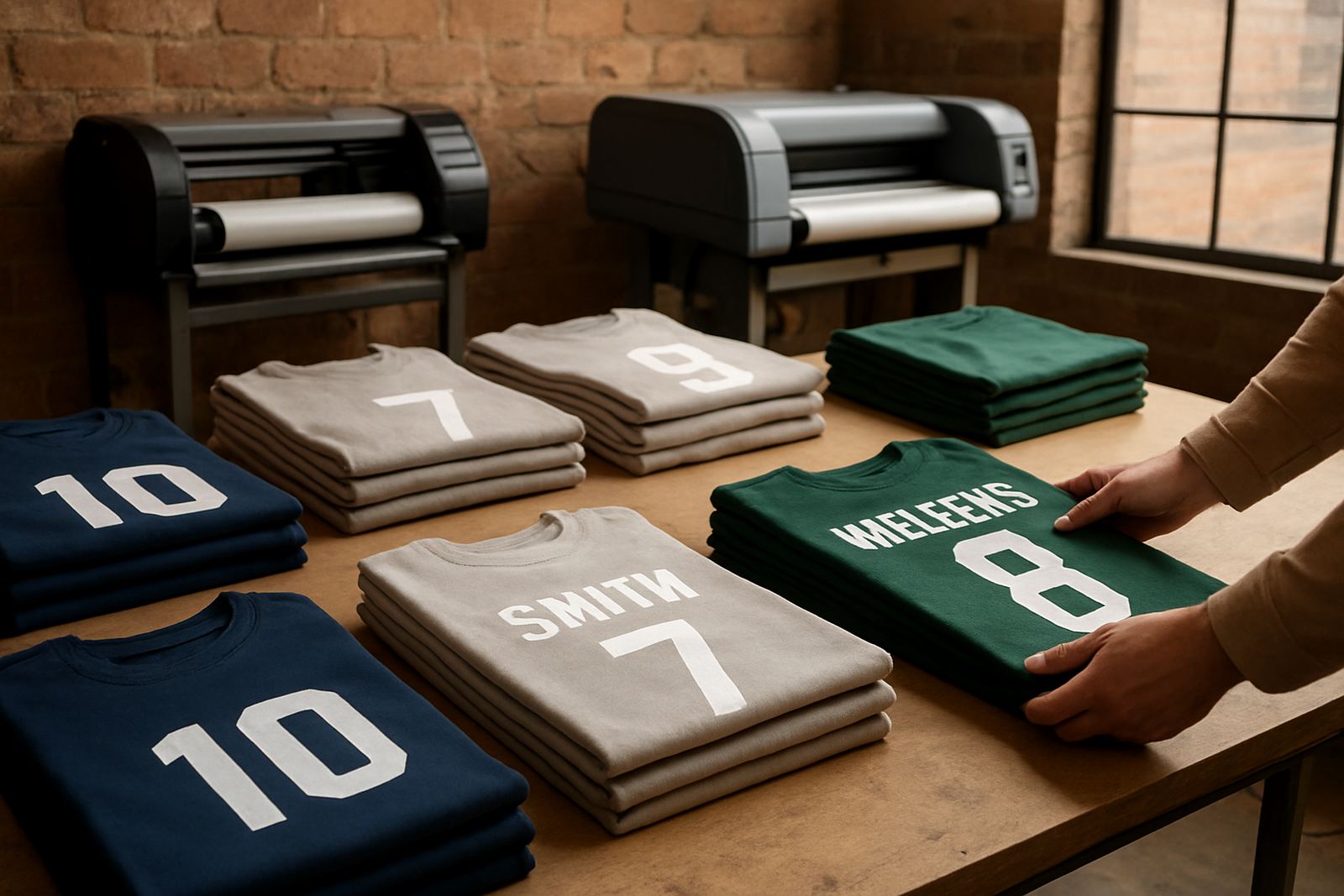
- For branding, look at colour alignment and edge finish on repeated pieces.
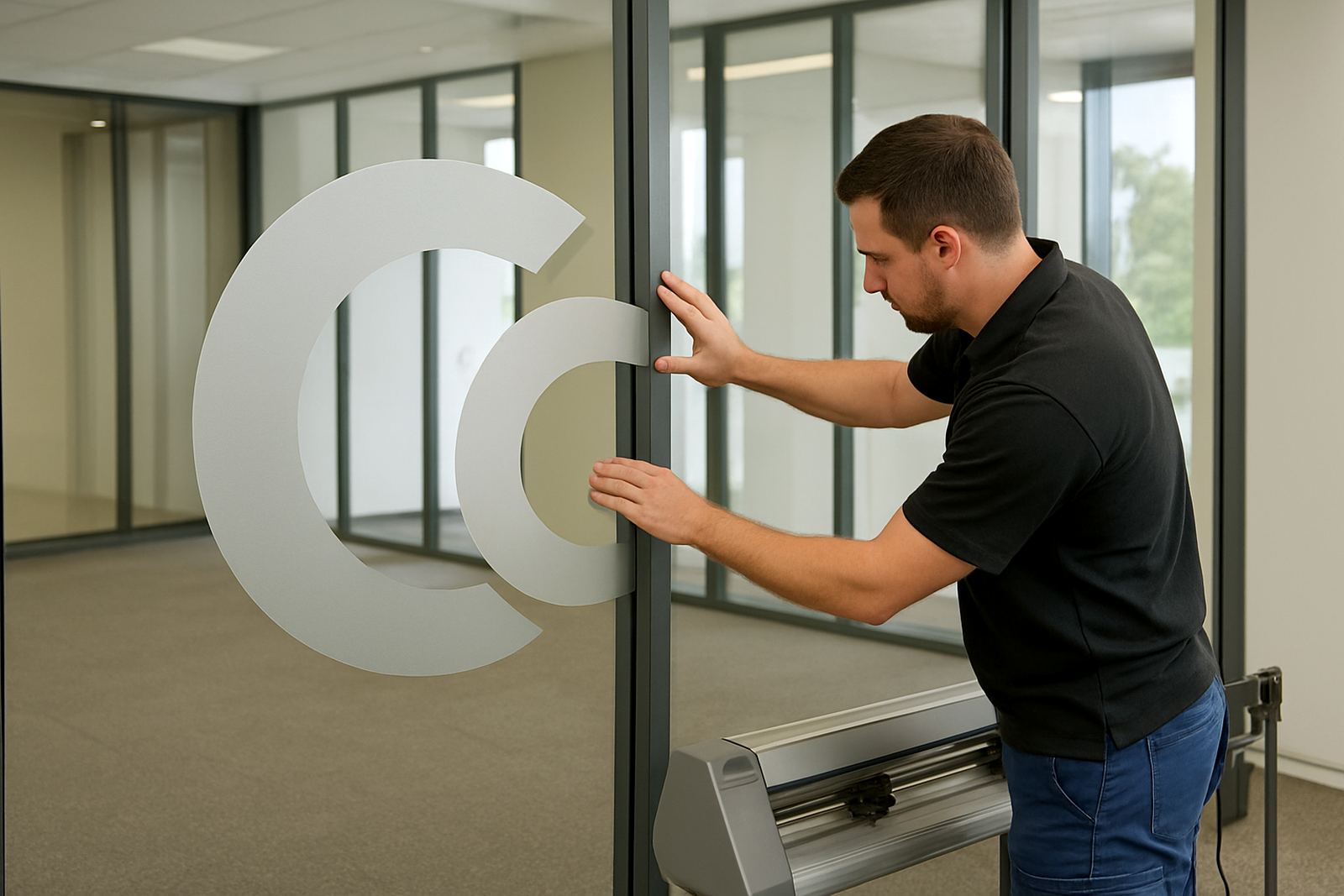
- For signage, judge whether the material suits sun, moisture and cleaning.
- For events or promotions, compare speed of production with visual impact.
Recent work by sector and application
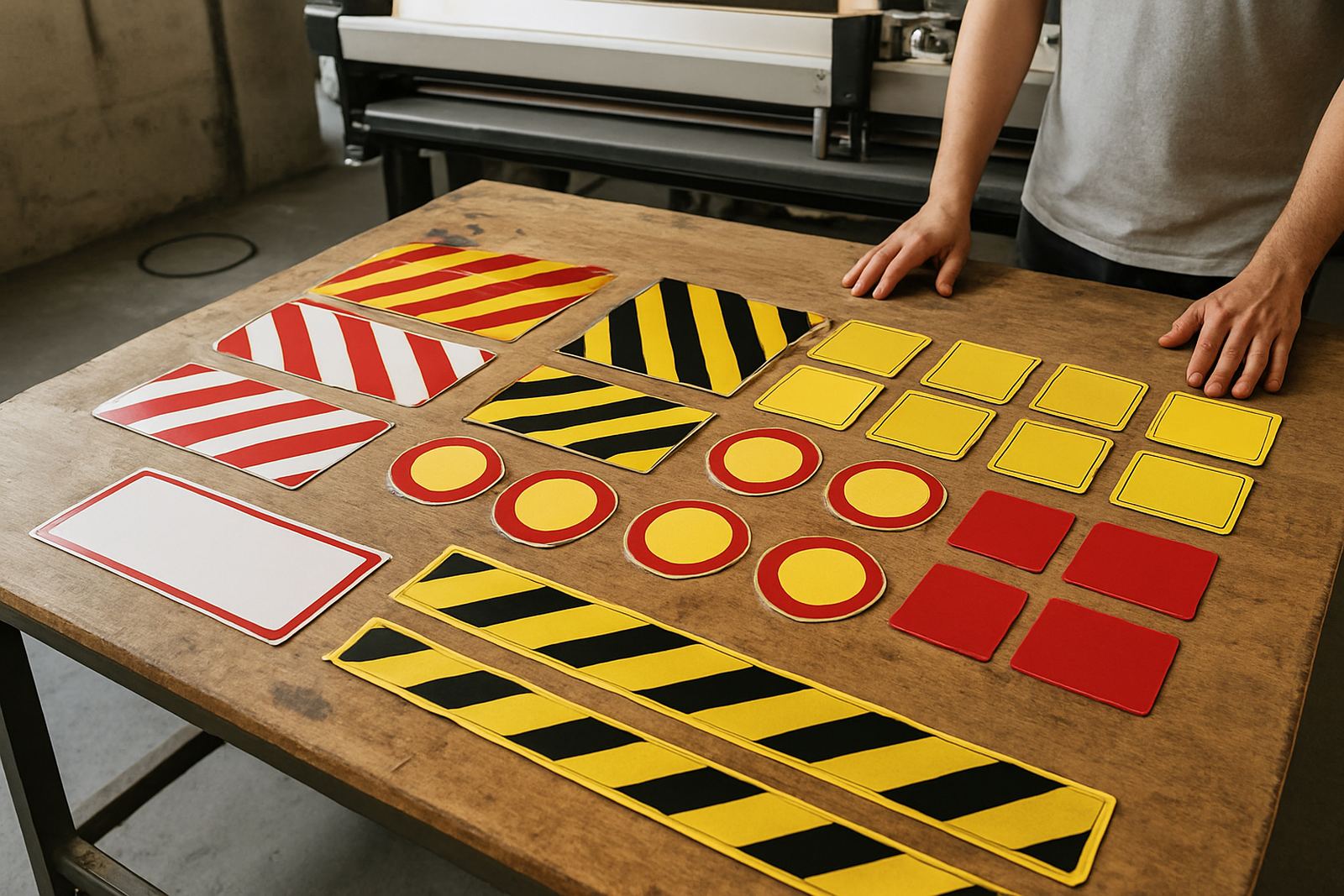
Our recent jobs cover retail, light industrial, corporate branding, promotional activations, packaging, vehicle graphics and creative studio work. Some pieces are built for quick campaign use, while others need a longer life on site or in transit. We also handle jobs where the print must register accurately before the contour cut, which is critical on shaped labels, decals and branded packs.
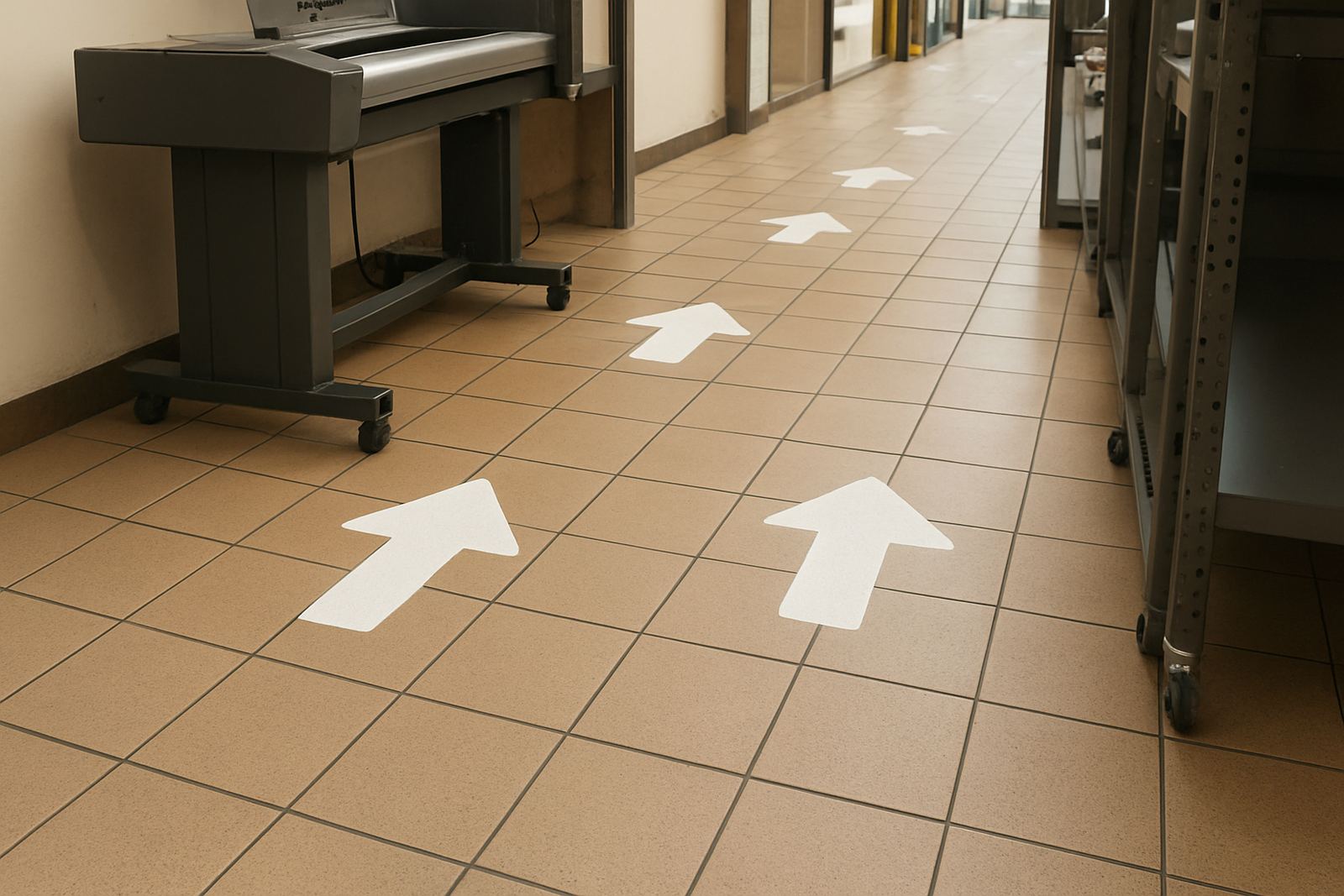
Because the work comes from different sectors, you can see how the same cutting process adapts to different outcomes. A municipal notice board label, for example, needs clear legibility and neat edges, while a launch sticker might prioritise visual punch and easy application. Both need the right setup, and a missed setting can waste material very quickly.
Materials, finishes and cut detail
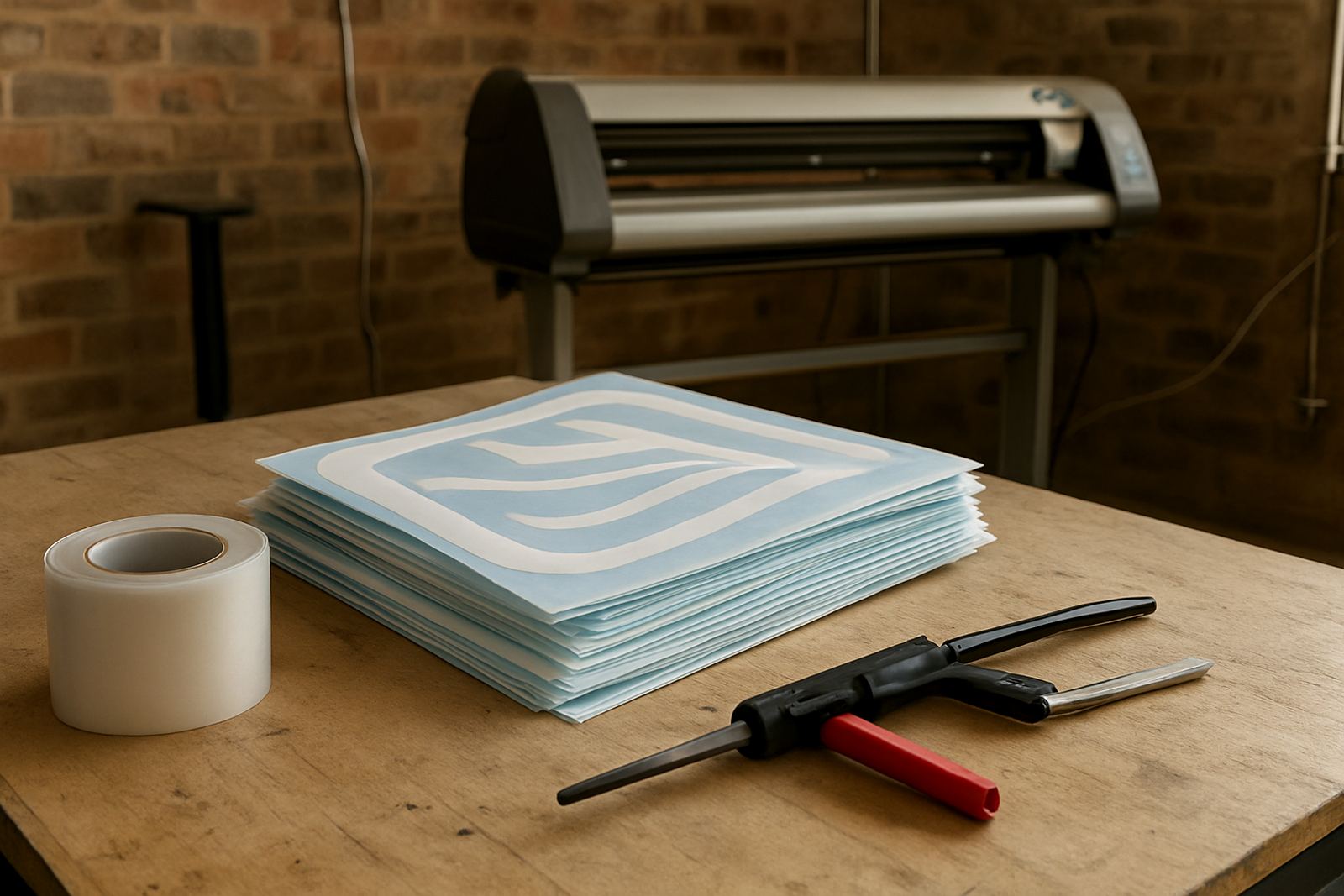
The material choice in each job tells part of the story. Some jobs use self-adhesive vinyl for quick application, while others need laminated stock for extra surface protection or printed media that can handle handling during fitting. In recent projects, the team has also worked on heavier media where blade pressure, feed control and registration calibration must be set carefully to avoid lifting or tearing.
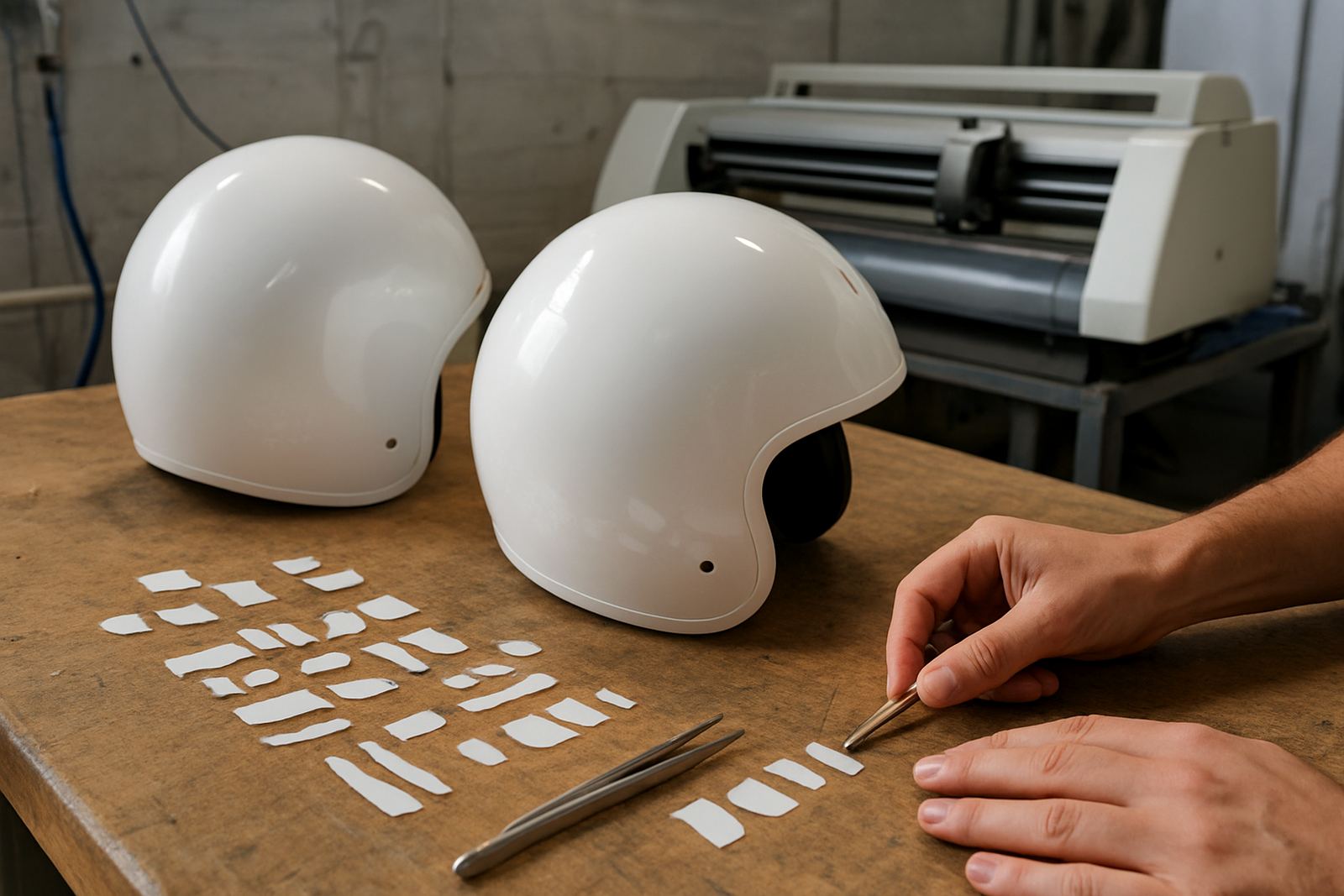
Good contour work shows up in the corners, tight curves and tiny gaps. If the cut is too soft, the shape looks untidy. If it is too aggressive, the backing can split or the face film can lift. The best results come from matching artwork, blade pressure and production workflow before the first sheet runs through the machine.
What the team checks before a job leaves Isando
Every completed job passes through a practical check so the finish is ready for packing, collection or delivery. The aim is simple: no lifting edges, no incorrect cut lines and no waste from avoidable setup errors. This is where operator induction, troubleshooting and maintenance basics pay off, because small issues are easier to fix before they become costly.
- Artwork cut lines are confirmed against the final print.
- Media loading is checked for feed accuracy and tracking.
- Blade pressure setup is tested on sample cuts.
- Registration calibration is confirmed for print-and-cut work.
- Production workflows are reviewed for repeat orders and short deadlines.
Why recent jobs matter when you are planning your own
Recent work gives you a clear view of what to expect, from finish quality to practical turnaround. If you are comparing options for a campaign in Johannesburg, a branch rollout in Midrand, or install work at sites further afield, these examples help you judge whether the output fits the brief. They also show how the team adapts when the deadline is tight or the artwork needs careful handling.
If you need guidance on what to order, send your artwork and a few notes about the final use. We can advise on cut line setup, media choice, production flow and the best approach for installations or courier dispatch. That way the final piece is ready for the job, not just the file.