When the brief changes every week
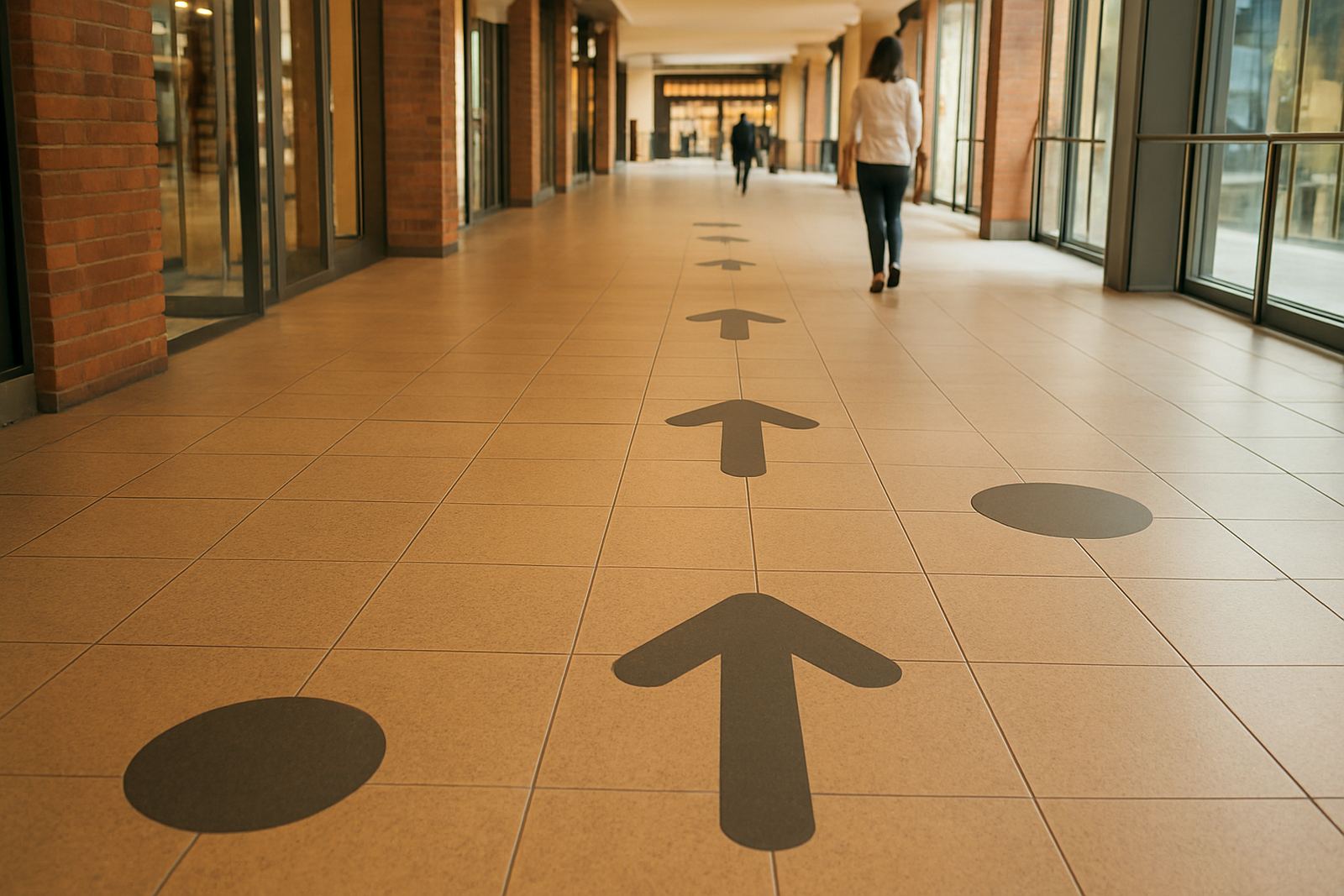
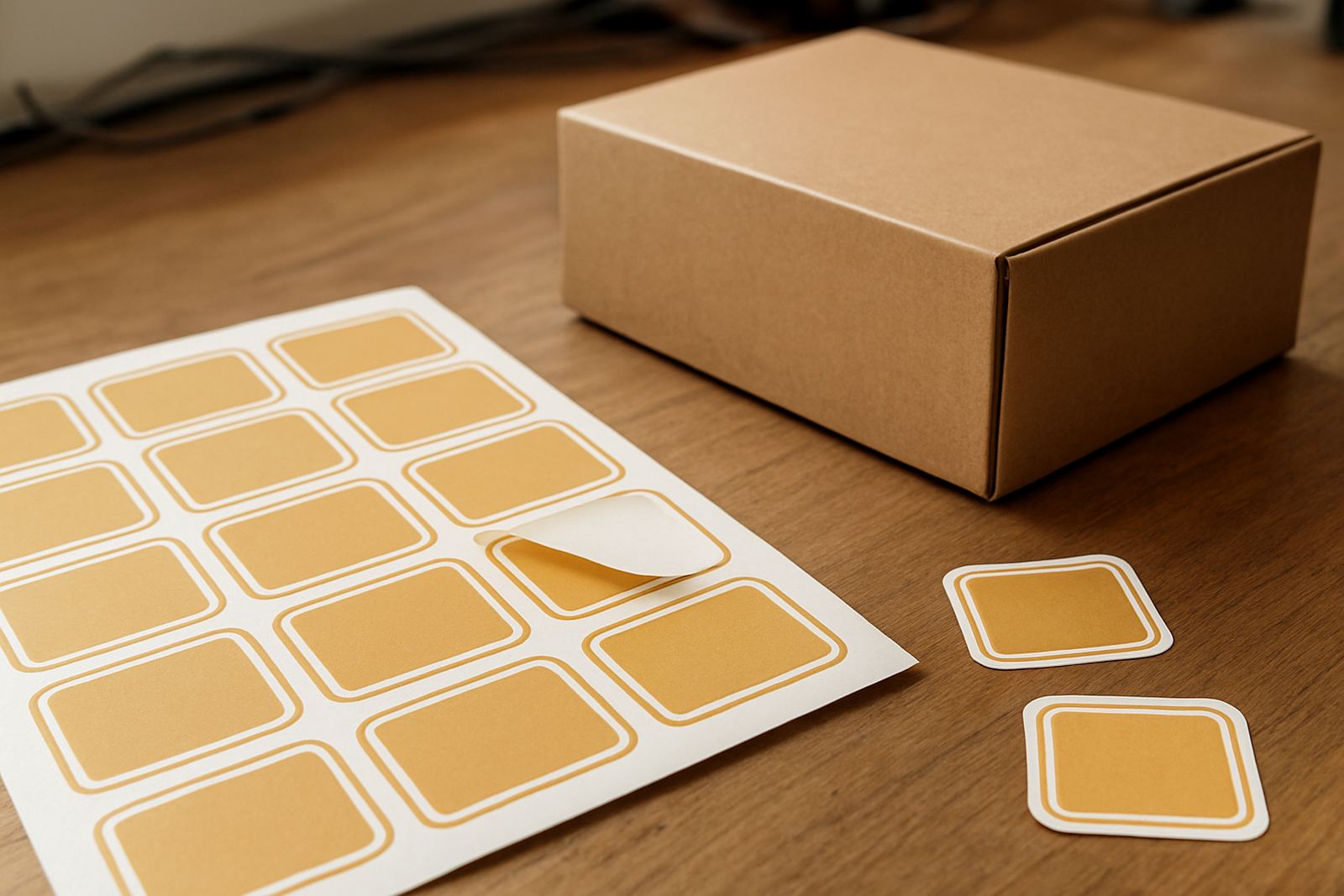
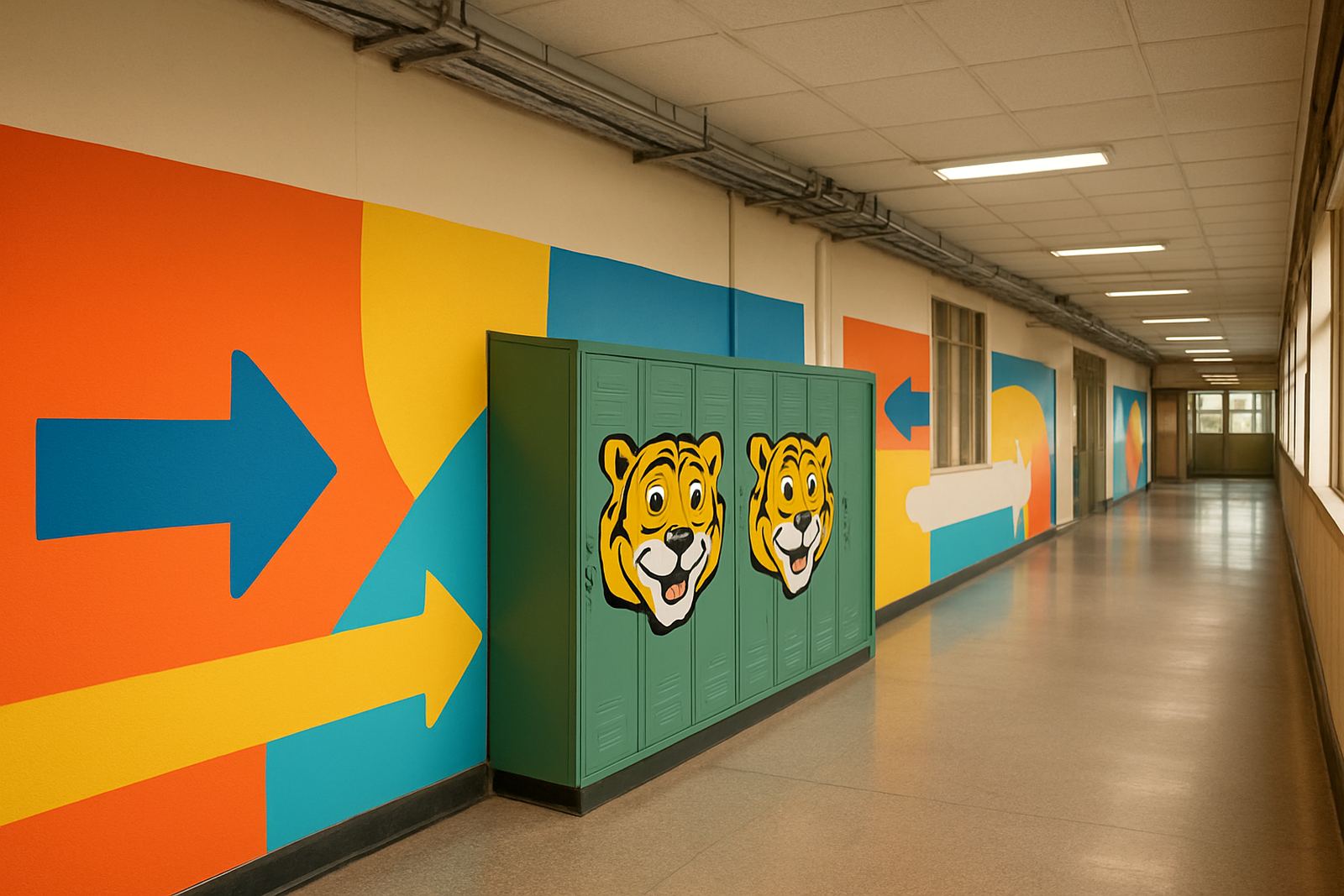
Event branding work is rarely a one-size job. A launch in Sandton may need floor graphics, counter wraps and small directional signs, while a mall activation in Midrand might only need cut logos, window decals and giveaway stickers. The common thread is speed, clean registration and materials that look good under strong lighting, camera flashes and close-up viewing.
For agencies, print shops and in-house marketing teams, the pressure usually comes from tight install windows and changes right up to the last minute. One file update can affect a full batch of stickers, so the cutting process must stay accurate from the first item to the last. That matters even more when you are working to a fixed opening time or a venue handover slot, because there is very little room for rework.
Typical equipment set for event work
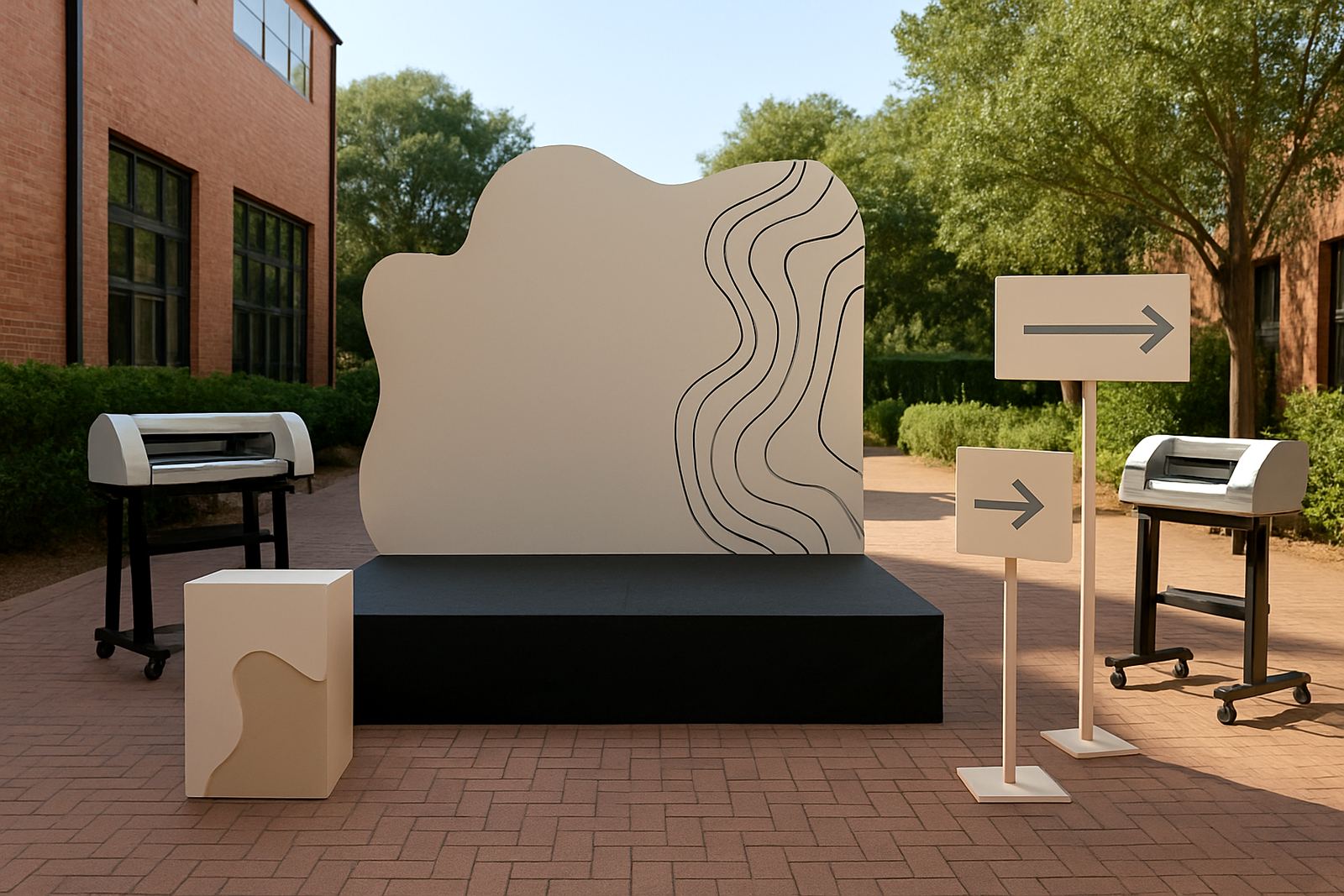
Most event branding jobs use print-and-cut contour plotters for shaped stickers, label sheets and short-run graphics. Depending on the application, a practical set-up may also include a laminate cutter, a media trimmer and a workstation for artwork checks. If you are producing on glossy vinyl, clear film or synthetic label stock, blade pressure and registration calibration need to be set properly before the run starts.
At Contour Cutting, cutter installs are done nationwide and supported from Isando, with local support for Sandton, Midrand, Germiston, Boksburg and Randburg. That helps teams keep production moving when load-shedding or compressed turnaround times affect scheduling. For sites close to the coast or high-humidity storage areas, media handling and blade setup also need a bit more care or the edges can lift later.
- Print-and-cut contour plotter for shaped logos, stickers and labels
- Vinyl cutter for lettering, wall graphics and cut vinyl panels
- Laminator for protection on high-touch event pieces
- Trimmer or guillotine for straight finishing on backing boards
- Basic tools for squeegees, weeders, blades and tape
Layout planning that saves time on site
Good event branding starts before the first cut. The artwork should be set with accurate cut lines, enough bleed and a clear plan for the size of each piece on site. A display for a roadshow in Johannesburg may need smaller, easy-to-carry panels, while a launch in a hotel foyer can take larger graphics if access and lift sizes allow it.
It helps to plan for the actual install sequence. If the stand builder needs the biggest pieces first, pack and label the graphics in that order. If the job includes a mix of window vinyl, table decals and floor markers, separate each group clearly so the install team does not waste time sorting on the day. Small planning errors can lead to missed placements, doubled labour costs and a frustrated client.
- Confirm exact sizes after stand drawings are approved
- Check substrate type before choosing adhesive strength
- Mark left and right sides clearly for mirrored artwork
- Allow for overnight curing before any outdoor fitment
- Keep spare blades and transfer tape on site
Common mistakes that show up at the venue
One of the biggest mistakes is sending artwork without proper cut lines. A design may look fine on screen but still cut badly if the contour path is not cleaned up. Another issue is loading the wrong media for the job, especially when the brief changes from a short indoor event to a longer outdoor promotion. Thin media can curl, while overly aggressive adhesive can leave residue on glass or painted surfaces.
Files also get rushed. If registration marks are placed badly, the plotter will struggle to align print and cut positions and you end up with off-centre stickers. We also see jobs where the blade pressure is set too high, which scores the backing liner and causes weeding problems later. It sounds small, but on a 500-piece run that mistake becomes expensive very quickly.
Budget ranges in Rand for event branding cuts
Budgets depend on quantity, media, shape complexity and whether you need a one-off run or repeat production. For small event sticker batches, many businesses budget from around R850 to R2 500 for cut-only work, while printed and cut sets can start around R1 500 and move up to R8 000 or more for larger activations. If the job includes installation, rush handling or after-hours work, the total can increase quite a bit.
For launches and activations, it is usually smarter to budget by category rather than by one total figure. Allow for production, finishings, transport and on-site labour separately. That makes quoting easier for agencies and keeps last-minute changes from wiping out your margin.
- Small cut sticker batch: R850 to R2 500
- Printed and cut event set: R1 500 to R8 000
- On-site install or supervisor support: from about R1 200 per call-out
- Training and operator induction: price depends on the equipment and team size
Support for teams that need repeatable results
Event work often runs on repeatable processes, not guesswork. That is why Contour Cutting offers operator induction, artwork cut lines help, media loading guidance, blade pressure setup, registration calibration, production workflows, maintenance basics, troubleshooting sessions, remote refresher support and supervisor coaching. These sessions are useful when a team is building capacity before a busy season or taking on larger activation work for the first time.
If your business operates from Isando, Sandton, Midrand, Germiston, Boksburg or Randburg, support can be aligned to your production pace and install schedule. Sibusiso Nkosi leads the business with a practical team including Lerato Mokoena, Johan van Wyk, Ayanda Dlamini, Nadia Jacobs, Thabo Molefe and Ridwaan Daniels. For event branding cut work, that mix of production, technical and training support helps keep the job moving without overcomplicating the process.