When Garment Work Needs Clean Cut Lines
Apparel transfers are usually needed when the garment carries names, numbers, logos or fine detail that must land neatly on fabric. That might be a soccer sponsor mark, a uniform back print for a security team, or small chest branding on workwear. The challenge is not only cutting the shape, but cutting it in a way that weeds fast, applies straight, and holds up after washing.
For many South African businesses, the pressure is simple. Orders come in late, staff need uniforms by Friday, and the job still has to look tidy after heat pressing. In that kind of work, a transfer cutting setup saves time and keeps the output consistent. Our cutters are used for PU films, flock-type material, reflective graphics and other heat transfer media, with sensible handling for jobs that run from a few shirts to several hundred.
Typical Setups For Transfer Production
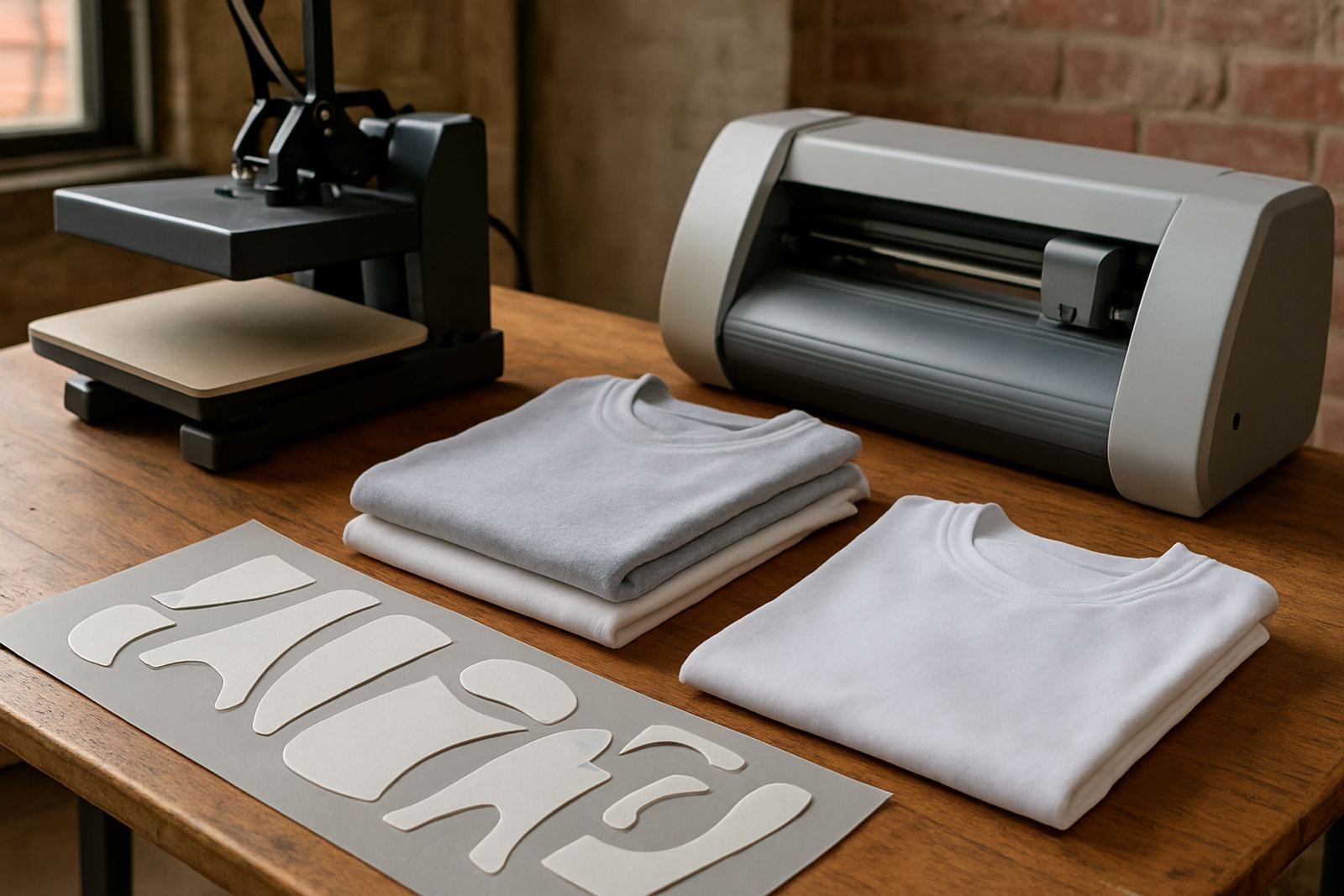
A good apparel transfer line does not need to be overcomplicated, but it does need the right pieces working together. Most shops start with print ready artwork, a cutter that can read registration marks accurately, and a stable table space for weeding and packing. If you are running in a humid coastal area or in a workshop that sees load-shedding, you also need predictable power and enough room to keep media flat and clean.
- Print-and-cut contour cutter for logos, numbers and shaped graphics
- Heat press with even pressure and controlled temperature
- Roll media or sheet stock suited to the garment type
- Weeding tools, application tape and alignment guides
- Backup lighting and surge protection for unstable power supply
For higher volume garment work, a wider cutter helps reduce joins and offcuts. Smaller shops often work with compact units, then scale once they know their weekly garment count. In Isando and Germiston we see many teams start with one machine for sample and short run work, then add capacity after the second or third steady month.
How To Plan Artwork For Shirts, Trousers And Jackets
Apparel transfer artwork must be planned around the garment, not only around the logo. A chest mark on a polo shirt needs different sizing from a jacket back, and stretch fabrics behave differently from heavier cotton blends. If the cut line is too tight, tiny corners lift while weeding. If it is too loose, the transfer can look clumsy on the garment.
Good planning starts with a clear production sheet. Put the garment type, placement, size, press temperature and press time in one place before the cut starts. Keep text large enough to weed safely. Avoid tiny internal cuts where possible because they slow the operator down and can lead to breakages. It helps to leave a little extra around each job for handling, especially if the media is soft or the workshop is cold in the morning. This saves time later, and fewer re-cuts mean fewer delays.
- Chest logos: usually small and quick, but alignment must be exact
- Back names and numbers: keep spacing consistent across sizes
- Reflective safety wear: test pressure and corner hold first
- Promo tees: batch by colour so setup is not repeated each time
Common Mistakes That Cost Time And Film
Most transfer problems come from setup, not the material itself. Blade pressure that is too high can score the backing and make weeding messy. Too little pressure leaves half-cut corners and tears the film when operators lift it. Registration errors are just as common, especially when the print has stretched during drying or the media feed is not square. A lot of shops also forget to check mirror settings before sending the job, then the whole run comes out backwards.
Another issue is ignoring fabric type. Stretch garments need a transfer that can move with the cloth, while hard-wearing workwear may need higher bond strength. In humid areas near the coast, media can pick up moisture and curl slightly, which affects cut depth. On top of that, municipal power interruptions can reset machines mid job if the installation is not protected properly. A small mistake in setup can turn a 20 minute run into a two hour repair, so the operator needs proper training and a steady process.
Budget Ranges For A Transfer Cutting Setup
Budget depends on the level of production you want to handle. A basic entry setup for small custom runs can start from around R35 000 to R65 000, covering a reliable cutter, starter tools and a practical press arrangement. Mid-range production work for a garment decorator usually lands between R70 000 and R150 000, especially once you include better media handling, training and backup power protection.
For shops doing frequent teamwear, workwear and promotional garments across Johannesburg, Sandton or Midrand, a higher capacity setup can reach R180 000 and above if you need wider cutting, faster throughput and additional operator support. It is worth planning for installation, service access and spare blades as part of the budget, not after the fact. A machine that is under-specced may seem cheaper at first, but it can slow output and raise waste.
- Starter package: good for samples, clubwear and short runs
- Growth package: suited to steady weekly garment orders
- Production package: better for larger shops and multi-operator use
Training That Helps Operators Cut Better Jobs
When a cutter is used for apparel transfers, the operator has to understand more than just the buttons on the panel. They need to know how to load media straight, set blade pressure correctly, line up registration marks and keep a production queue moving. That is why training matters almost as much as the machine itself.
Contour Cutting supports operator induction, artwork cut lines, media loading, blade pressure setup, registration calibration, production workflows, maintenance basics, troubleshooting sessions, remote refresher support and supervisor coaching. For a shop in Boksburg, Randburg or Sandton, this can mean fewer spoiled sheets and less downtime when staff changes or peak season starts. The aim is simple: predictable output, fewer re-cuts, and transfers that press cleanly on the first go. A well trained team usually gets there faster, and the savings show up in labour and waste.
Nationwide Cutter Installs From Isando
Our base is in Isando, Johannesburg, with support for cutter installs nationwide. That matters for garment decorators who need a machine set up properly from the start, not just dropped off at the door. The team works across Isando Base, Sandton Support, Midrand Support, Germiston Support, Boksburg Support and Randburg Support, which helps when you need faster response during a busy production week.
For apparel transfer work, the best results usually come from a clean install, a practical workflow and clear operator handover. If your business is growing into teamwear, workwear or promo garments, it helps to get the cutting side sorted early. Once the setup is right, the press room can keep moving without constant rework.