

Home / Applications / Product Labels

Applications

Product Labels

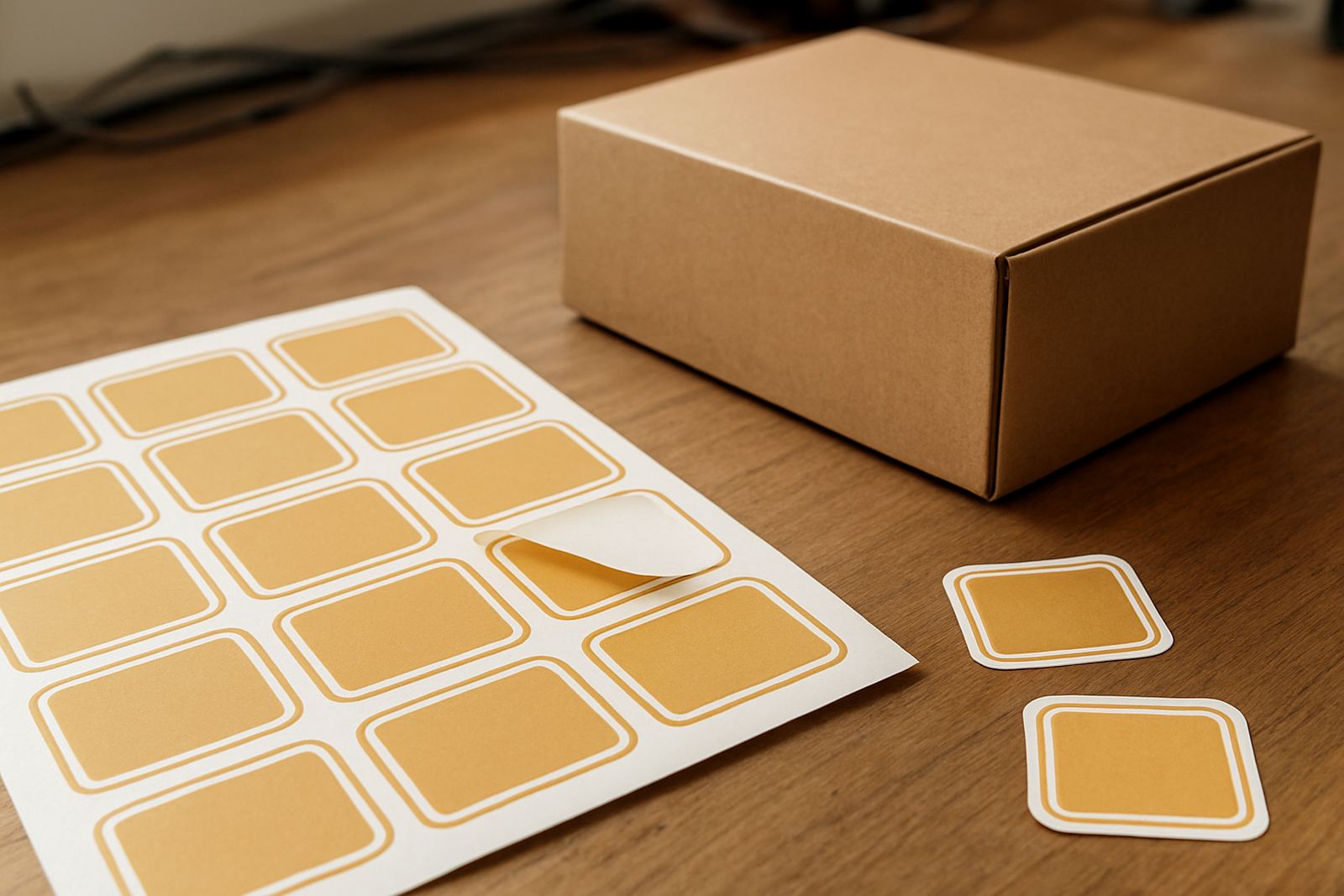
Product labels need clean edges, accurate registration and consistent repeat cuts, especially when the job changes size from one pack to the next. Contour Cutting supports label runs for manufacturers, resellers and print shops that need tidy output for jars, cartons, pouches and promotional packs.

Product Labels

When product labels need more than a square cut

Most label jobs look simple until the artwork includes a shape around a logo, a clear window, a border close to the edge, or a set of labels that must match a printed pack exactly. That is where contour cutting makes the difference. It is used for branded product labels, short production runs, seasonal stickers, sample packs and packaging support where the finish must look correct first time.

In Johannesburg, many clients come to us after trying to trim labels by hand or using a basic cutter that drifts on repeated sheets. The result is often uneven corners, lifted edges or cuts that miss the print by a few millimetres. For retail, food, cosmetics and chemical packaging, that can mean wasted stock and a lot of rework.

We work with businesses that need labels for bottles, tubs, sleeves, cartons and courier packs. Jobs can range from 50 labels for a market test to several thousand for repeat dispatch, and the cutting needs to stay accurate across the full run.

Typical equipment set for label production

A label setup usually starts with printed sheets or rolls and then moves into registration-controlled cutting. The right machine depends on the material, the cut shape and how much volume you are pushing through per day. Some clients need a compact unit for short runs, while others need a higher output system for regular production.

  • Print-and-cut contour plotters for shaped labels and stickers
  • Media feeding and loading support for sheets or roll stock
  • Blade pressure setup for paper, vinyl, PP and laminate faces
  • Registration calibration to match printed marks accurately
  • Basic finishing tools for weeding, trimming and pack-out

If your labels are going onto bottles or cartons, we also look at the final handling stage. Glossy stock, adhesive strength and laminate choice all affect the clean cut and the way labels hold up in refrigerated rooms, humid coastal air or storage areas with dust and heat.

Layout and planning advice before the first cut

Good label cutting starts long before the machine is switched on. The artwork should be set up with clear cut lines, proper bleed and enough space around the design so the blade does not clip the print. For circular labels, small tags or odd shapes, the tolerances need to be planned carefully.

We often advise clients to plan the label sheet or roll around the actual production method, not just the artwork. If you are using A3 sheets, for example, leave enough margin for feeding and registration. If you are using rolls, check the unwind direction and make sure the print marks are placed where the sensor can read them reliably. A clean setup saves time and reduces scrap.

  • Allow bleed where artwork reaches the edge
  • Keep cut lines separate from print artwork
  • Test one sheet before starting the full run
  • Check adhesive and laminate compatibility
  • Match label size to the carton or container face

For labels that must fit municipal or industry marking rules, such as ingredient panels, warning text or batch details, we suggest leaving extra room so the cut does not crowd the legal information.

Common mistakes that waste labels and time

The most common problem is poor registration. If the printed marks are too light, too close to the edge or placed inconsistently, the cutter can drift and the labels end up off centre. Another issue is pressure that is set too high, which can cut through backing paper or damage the finish. Too little pressure causes ragged edges and incomplete cuts.

Short runs can also go wrong when the operator does not check material behaviour. Some self-adhesive stocks behave well on one machine but curl, slip or static up in another room. In winter dry air, or in air-conditioned spaces, static can pull labels out of line. On the coast humidity can do the opposite and soften the handling a bit, so settings may need a small adjustment.

  • Skipping a test cut before the full batch
  • Using artwork with no proper cut marks
  • Not checking blade wear before production
  • Rushing calibration after a media change
  • Mixing different stock types in the same job

We also see problems when operators assume one setting works for every job. It does not. Paper labels, clear labels and thicker packaging stock all need different pressure and speed settings.

Short runs, sample packs and packaging support

Product labels are not always about large retail orders. Many of our clients use contour cutting for trial packs, market samples, expo handouts and internal product testing. That is useful when a new line is being launched and the packaging needs to look finished without committing to a big print run.

Short runs are also practical for businesses with changing product details. Batch codes, flavour names, seasonal promotions and language changes can be handled in smaller quantities, which helps manage cash flow and avoids stale stock. For Johannesburg businesses supplying Gauteng, KZN or the Western Cape, this flexibility can make dispatch much easier.

We support label production for printers, packaging teams and creative studios that need neat cut shapes, repeat accuracy and a professional finish on smaller quantities. It is a practical way to keep pace with customer demand without overbuying material.

Budget ranges and support options in Rand

Budget depends on whether you need equipment, installation, operator training or a one-off production support session. A smaller setup for short-run labels may sit in the lower range, while a more advanced print-and-cut system with installation and workflow support will cost more. The material type and the amount of training needed also affect the final figure.

  • Basic operator induction and setup support: from about R1 500 to R3 500
  • Art work cut line setup, media loading and calibration help: from about R3 500 to R8 500
  • Production workflow coaching and troubleshooting sessions: from about R4 500 to R9 500
  • Nationwide cutter installation and handover support: priced on job size and location

For businesses in Isando, Sandton, Midrand, Germiston, Boksburg and Randburg, we can arrange local support. Installations are also handled nationwide, which helps if your label production sits outside Gauteng or you need a site visit at short notice.

If your label output is growing, it is worth budgeting for blade consumables, spare media handling parts and occasional refresher training. Those small costs usually save a lot more than a failed run.

What clients say

Questions we get asked

What type of labels work best with contour cutting?

Self-adhesive paper, vinyl, polypropylene and laminated label stock all work well when the print, registration marks and blade settings are matched correctly.

Can you help with short-run product labels only?

Yes. Short runs are common for sample packs, seasonal labels, product trials and smaller batch production where accuracy matters more than volume.

Do you support clients outside Johannesburg?

Yes. We are based in Isando, Johannesburg and provide cutter installs nationwide, with local support available in nearby Gauteng areas as well.

Planning something? Email the team.

cut@contourcutting.co.za