When packaging needs a cleaner finish
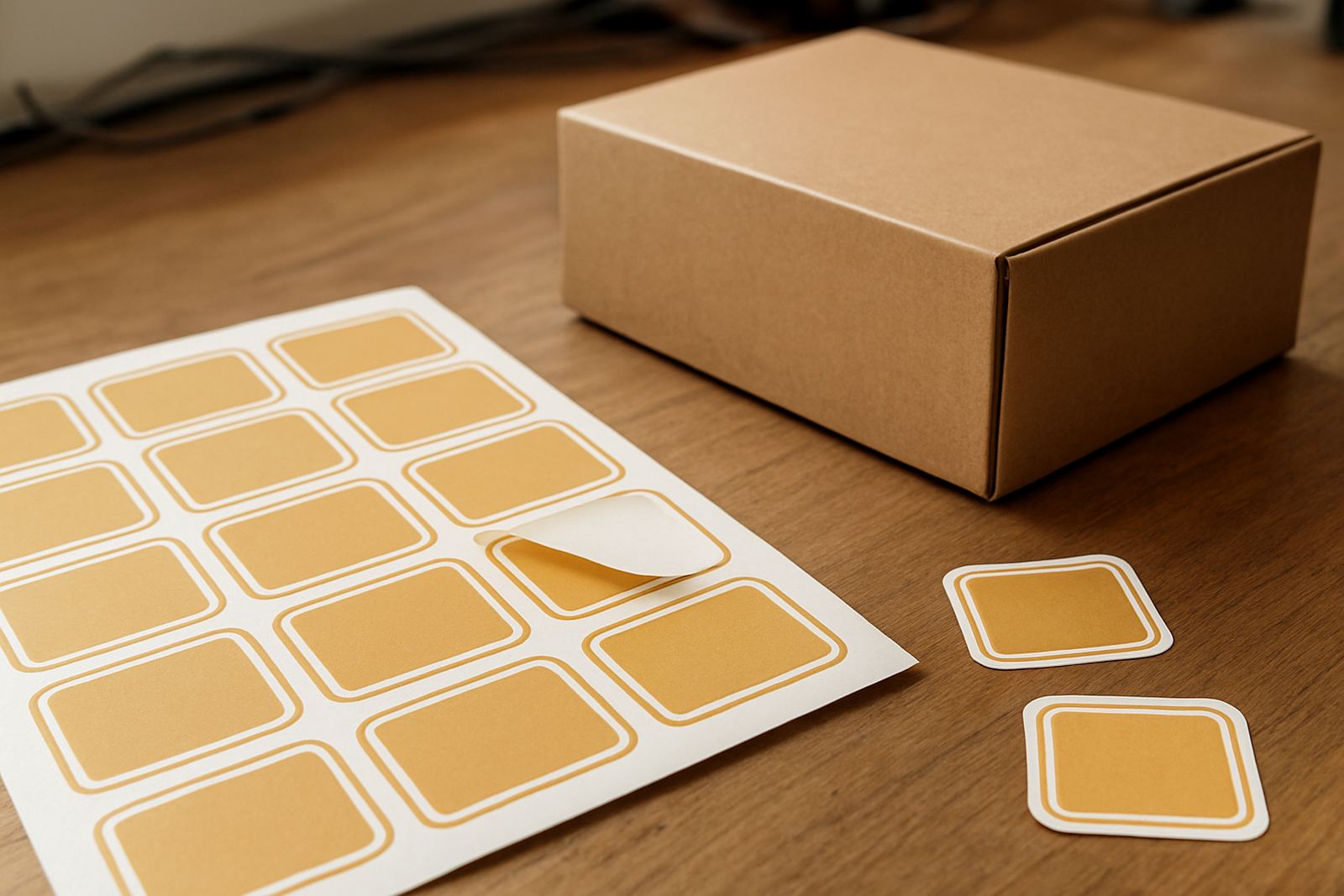
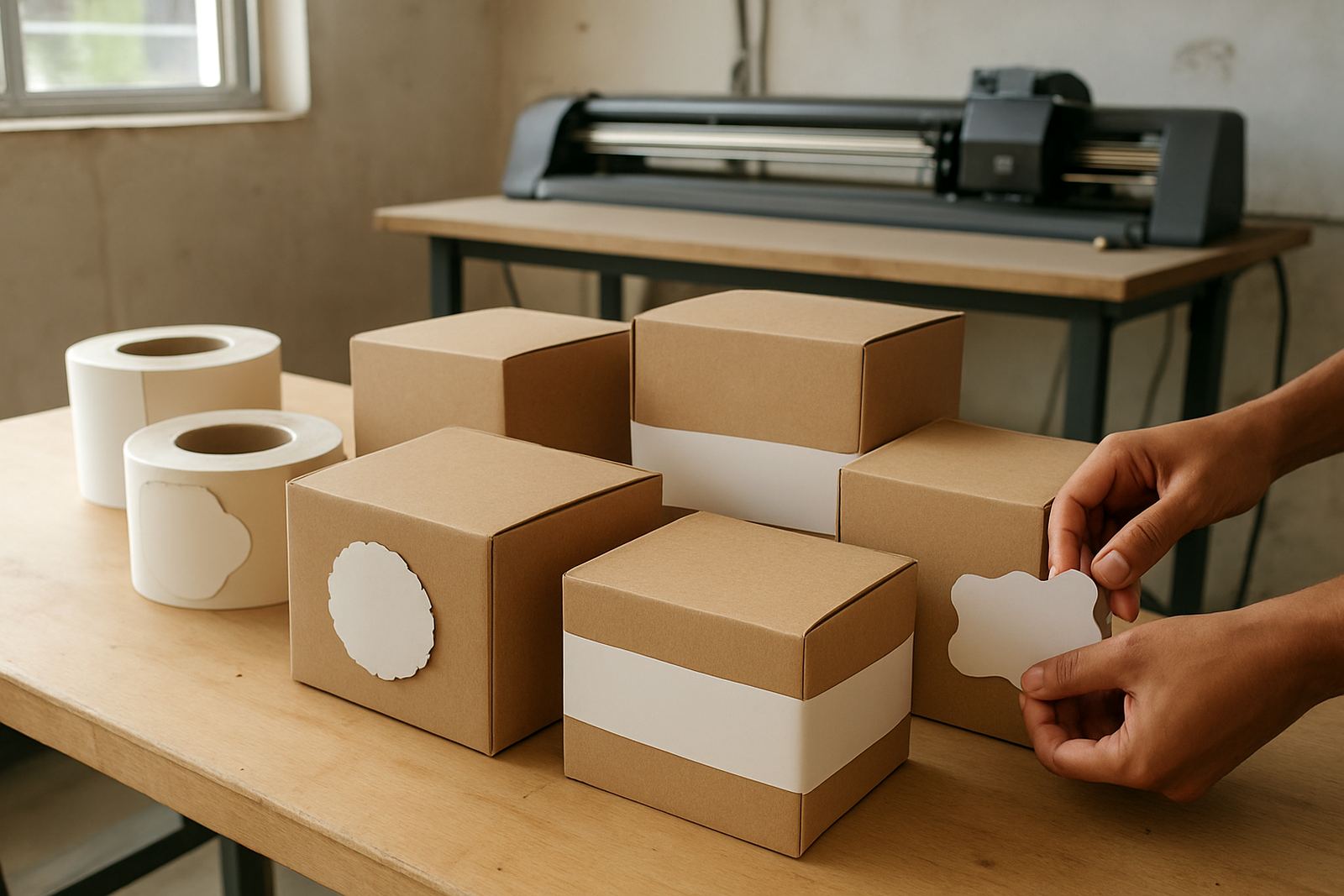
Packaging decals are used when a box, sleeve or presentation pack needs branding that feels more finished than a plain label. A well cut seal can close a flap, carry a product name, or give a gift pack a neat edge without lifting in courier handling or rubbing off in transit.
Many South African businesses come to this type of work when they need short runs, seasonal packs, sample boxes or event packaging. It is common in food gifting, cosmetics, accessories, corporate packs and product launches where the outside of the pack has to look crisp under retail lights and in photographs. In Johannesburg and the surrounding industrial areas, customers often need work that can cope with dust, warm storerooms and rough handling too.
For packaging decals, the cut has to match the artwork exactly. Even a 1 mm shift can make a seal look off centre on a flap or window. That is why setup, registration and media choice matter as much as the print itself.
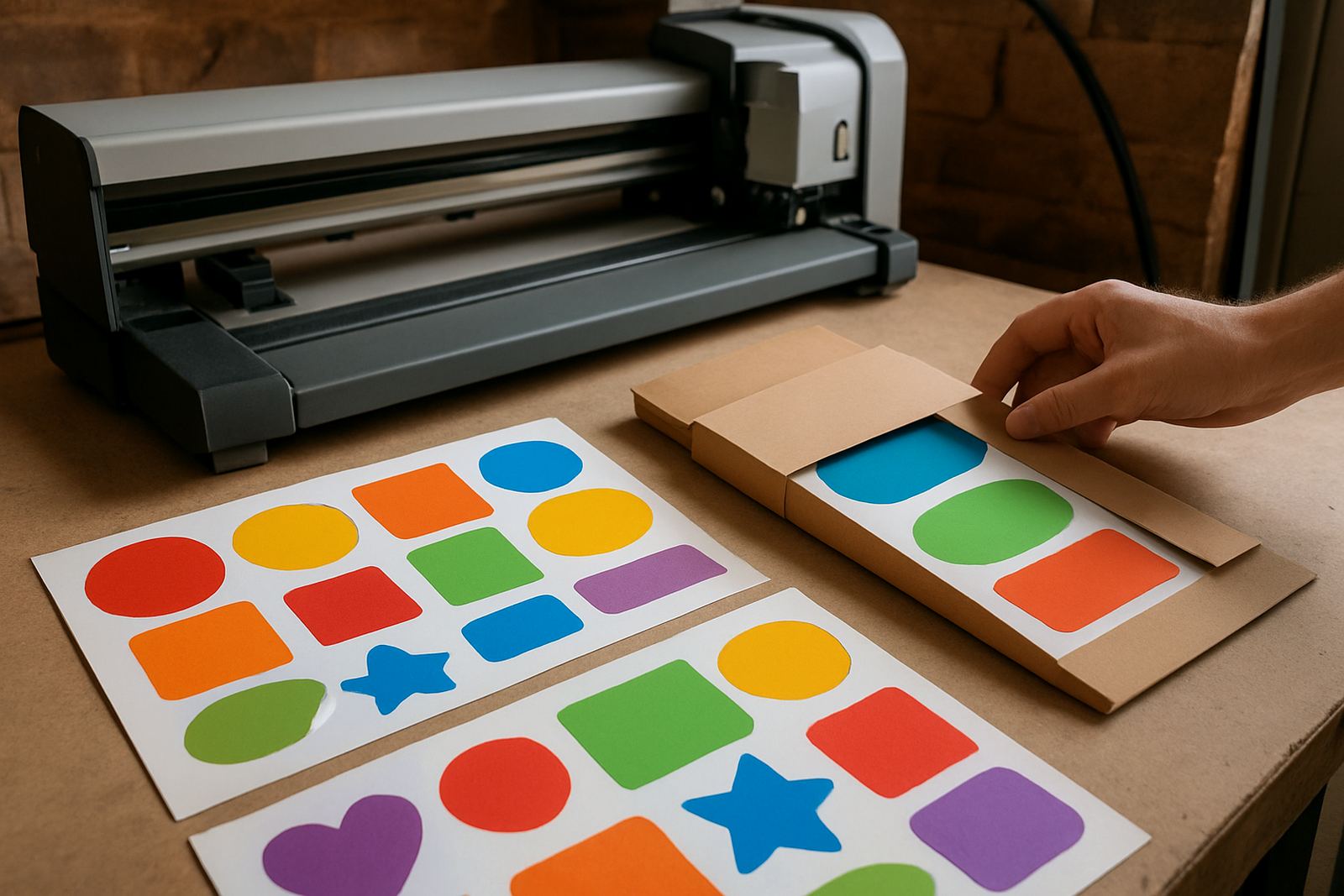
Typical equipment set for contour-cut packaging work
Most packaging decal jobs rely on print and cut contour plotters paired with the right media and finishing tools. The cutter needs to follow printed registration marks accurately, especially where there are small shapes, tabs or kiss-cut labels for fold-over packs.
- Print-and-cut contour plotter for stickers, seals and shaped pack elements
- Cutting blades suited to vinyl, laminated media and paper-based stock
- Media loading guides to keep sheets straight on longer runs
- Software setup for cut lines, nesting and registration calibration
- Basic finishing tools for weeding, trimming and pack-out
For businesses working from Isando, Sandton, Midrand or Germiston, the usual goal is consistency across a batch rather than one perfect sample. The cutter must repeat the same line every time, even on a Monday morning after load-shedding or after a power dip. If you are producing a lot of seals, blade pressure and feed alignment must be checked before the run starts, not half way through.
Planning layouts for boxes, sleeves and presentation packs
Good packaging decal layout starts with the pack itself. Measure the flap, sleeve face or lid panel in millimetres, then decide where the decal should sit and what must stay clear of folds, glue areas and print seams. On presentation packaging, a seal often works best when it bridges two surfaces and gives the unboxing a neater break point.
It helps to work with a simple plan before cutting starts. Leave enough margin so the decal does not curl over edges, and keep critical text away from crease lines. For busy artwork, wider borders can hide slight packing variation better than a shape that is tight against the image. In humid coastal deliveries, extra room around fine points also helps reduce edge lift.
- Allow for 2 mm to 3 mm of safe margin on small seals
- Test the layout on the actual carton, not only on a flat sample
- Keep barcode or batch detail clear of the cut edge
- Use the same pack measurements across the full print run
There is also a practical point around pack assembly. If the seal is meant to lock a tuck flap, the box must still open cleanly for the customer. Too much adhesive or an awkward cut shape can frustrate the packer and the end user alike.
Common mistakes that cost time and stock
The most common mistake is treating packaging decals like ordinary stickers. A carton seal has different demands because it must follow a fold, a curve or a panel edge while still looking neat from a distance. If the registration is off, the shape may look fine on screen but sit crooked on the actual pack.
Another issue is choosing the wrong material for the job. Paper-based seals can look good on luxury packaging, but they may mark or scuff during courier movement. Heavier vinyl may be better for handling, yet it can be too strong for a quick tear-open seal. That balance has to be planned before production starts. Sometimes the answer is a softer adhesive not a thicker film.
- Cut lines set too close to text or logos
- Wrong blade pressure for laminated media
- Registration marks placed too near the trim edge
- Untracked changes between the approved artwork and the final print
- Skipping a test on the actual carton stock
We often see rework when operators do not check media loading before a long batch. On short-run packaging, one shifted sheet can waste a full set of labels. That matters when the client is preparing for a launch or a trade show and there is no time to remake stock.
Training that helps operators keep the cut true
Contour Cutting supports operators and supervisors with practical training for packaging decal work. The right induction can save a lot of material because the team learns how to set cut lines, load media, calibrate registration and keep the workflow moving without constant stoppages.
This is especially useful for print rooms handling multiple pack formats, where one day may involve box seals and the next day sleeve wraps or promotional inserts. A good operator knows how to adjust pressure for different stocks, spot a registration fault early and keep the cutter running through the shift. Thabo and the technical support team often focus on the small fixes that prevent bigger waste later.
- Operator Induction for new staff on contour cutting basics
- Artwork Cut Lines for packaging shapes and seals
- Blade Pressure Setup for different media thicknesses
- Registration Calibration for repeatable pack runs
- Troubleshooting Session when cuts drift or marks miss
Remote refresher sessions and supervisor coaching are useful for teams in Johannesburg, Pretoria, the East Rand and further out. For installs nationwide, the goal is to get the cutter set correctly from day one so production does not stall when deadlines get tight.
Budget ranges for packaging decal work in Rand
Budgets depend on artwork complexity, quantity, material choice and whether the job needs setup support or operator training. Simple contour-cut seals for cartons are usually cheaper than laminated presentation decals with tight detail and multiple cut stages. Custom pack work also needs more checking, so setup time is part of the real cost.
As a practical guide, small packaging decal runs can start from about R450 to R1 200 for basic setup and cutting, while more detailed or short-run branded pack work often sits in the R1 500 to R4 500 range. Larger repeat runs, or jobs that include induction, calibration and workflow coaching, can move beyond R6 000 depending on the media and the amount of support required.
For businesses comparing options, it is worth pricing the full process rather than only the sticker sheet. A cheap cut that wastes packs, slips on registration or needs redoing ends up costing more. The better approach is to match the cutter, stock and operator skill to the final packaging result you need.
Contour Cutting is based in Isando, Johannesburg, with support across Sandton, Midrand, Germiston, Boksburg and Randburg, plus cutter installs nationwide. If your packaging needs clean seals, neat sleeves or accurate presentation decals, the right setup will save time and improve the final finish.