Packaging labels for a fast-moving Kempton order
The client was a packaging business in Kempton Park supplying labelled packs for a local product range, with some cartons moving through Sandton and Midrand distribution points. They needed a short-run label batch that looked sharp on shelf and held its position through application without drifting from one sheet to the next. The label shape included fine corners and a small internal cut-out, so the cut path had to stay true from start to finish.
The brief was straightforward in wording but strict in delivery. The print needed to stay consistent, the cut needed to land within tight tolerance and the finish had to suit packing by hand and on a small bench applicator. There was no room for labels that peeled unevenly or had rough edges, because the packs had to pass basic visual inspection and then go straight into dispatch. The client asked for a clean result, not a fussy one.
What made this batch tricky
Short-run label work often sounds simple until you factor in the real conditions. The stock had to run cleanly, the adhesive release had to stay even, and the registration marks needed to be read without hesitation. In Isando, we deal with dusty air at times and paper curl from temperature shifts, so the setup has to be checked properly before the first sheet goes through. If the media drifts even slightly, the cut starts chasing the artwork and the whole batch suffers.
The client also needed labels that would cope with storage in a warehouse space that was not fully climate controlled. That meant we paid close attention to blade pressure, feed tension and the layout of the cut file. A cutter that is almost right is not good enough on packaging labels. It either registers or it does not, and there is little benefit in hoping it will sort itself out later.
- Short run quantity with repeatable registration across the batch
- Label shape with fine points and one internal cut-out
- Clean edges suitable for hand application and bench applicators
- Stable feed on coated label stock
Setup, cut lines and registration calibration
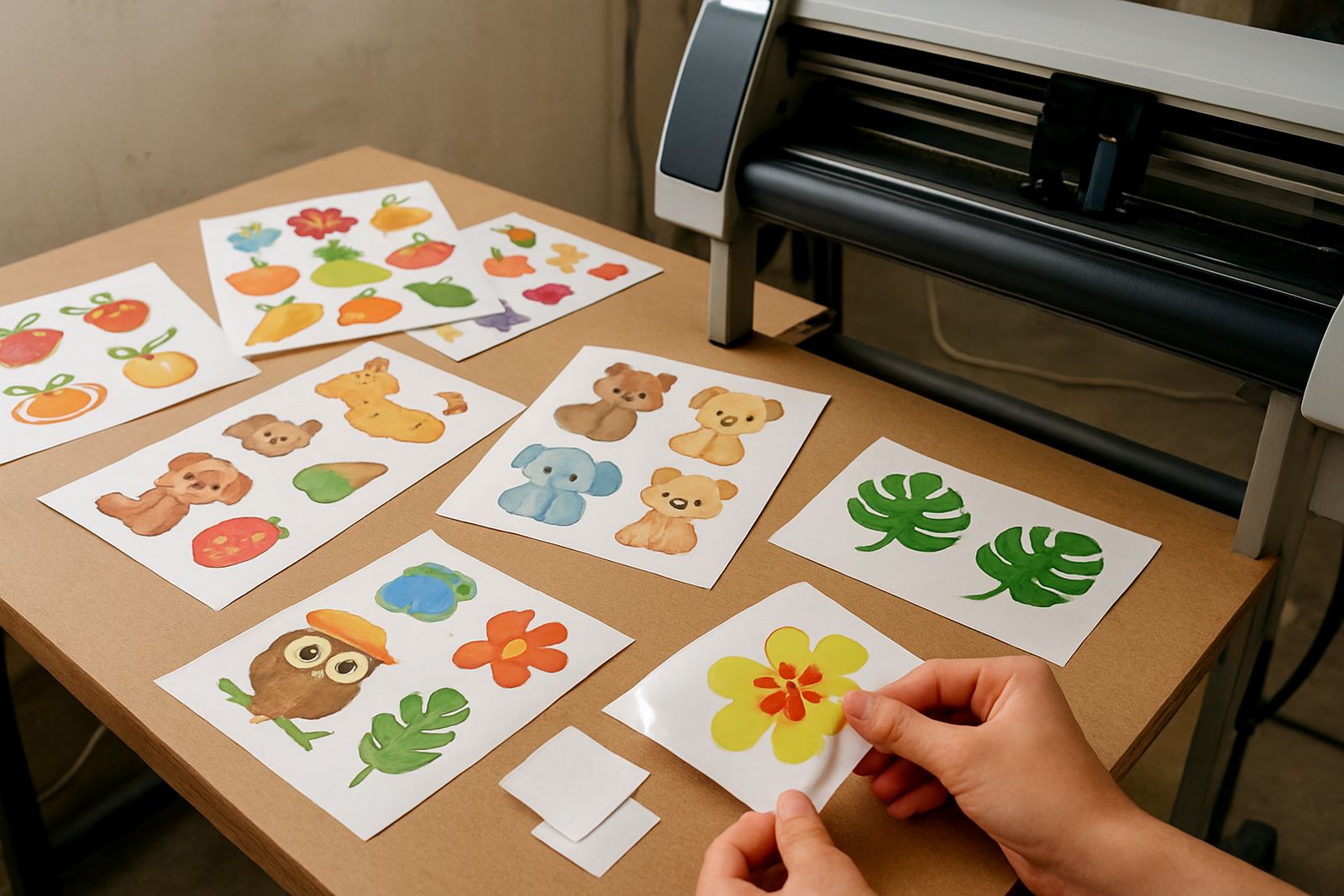
We started by checking the artwork and preparing the cut lines for the exact label profile. That included a proper review of corner radii, the cut-out placement and the registration marks. Any mismatch between print and cut is expensive later on, so we keep that part tight from the beginning. After that, the media loading was set up to suit the label stock width and the batch size, with blade pressure adjusted for a clean cut through the face stock but not into the backing liner.
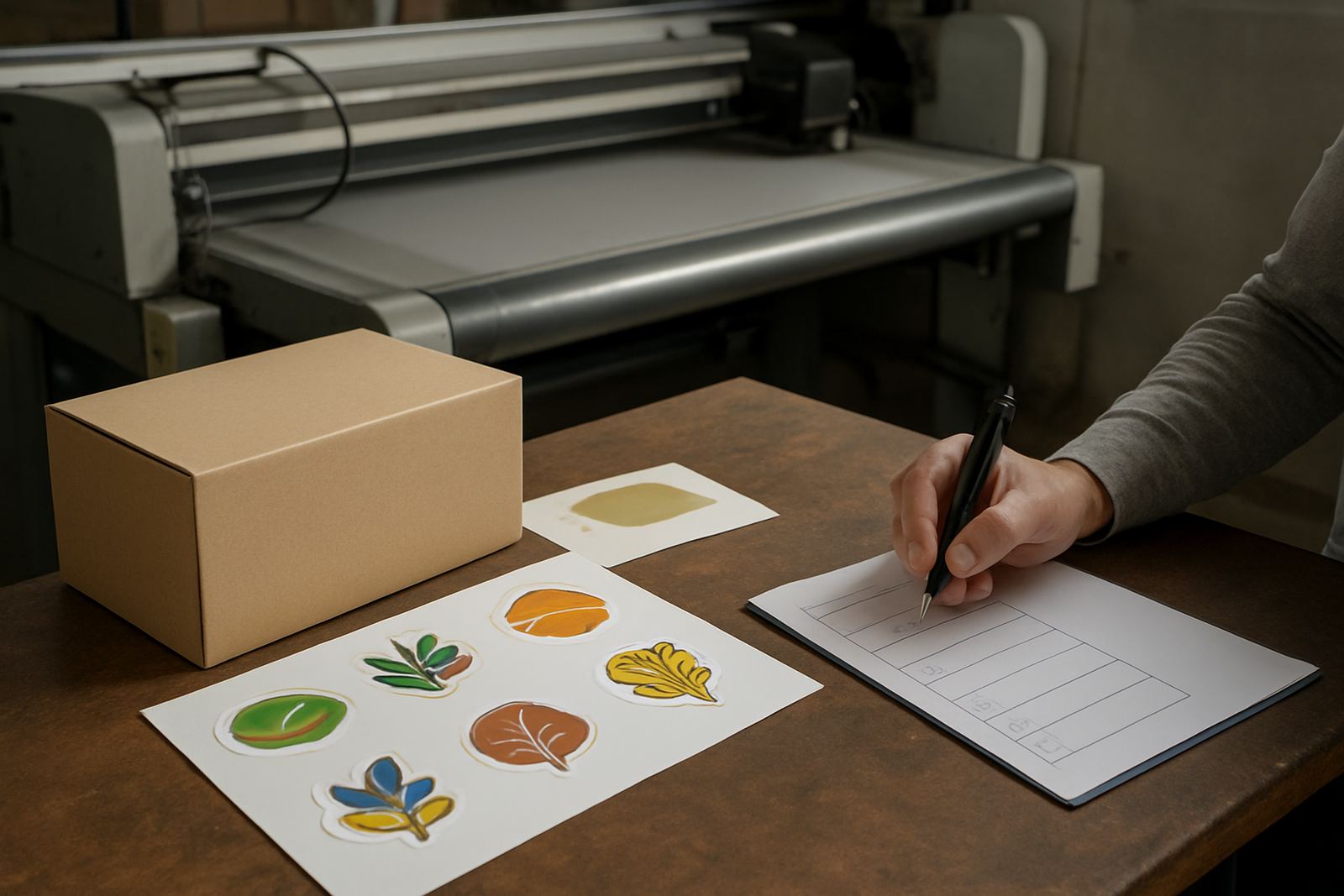
Registration calibration was then done in a few stages. First pass for alignment, second pass for accuracy, then a test run with multiple repeats to confirm the machine held position. We also checked the operator workflow so the sheets could move through without unnecessary handling. This matters more than people think. A good setup saves time, reduces waste and keeps the team steady when load shedding or a pause in production pushes the day off schedule.
- Artwork cut lines prepared to the finished label shape
- Blade pressure set for face stock and liner protection
- Registration marks tested across multiple repeats
- Media loading checked for feed stability and square entry
Timeline from first test to completed batch
The full job ran over two weeks from initial sample check to final delivery. Week one was focused on artwork preparation, registration calibration and the first test cuts. We shared the result with the client, made one small adjustment to the cut path and then moved into the production run. Week two was used for finishing, inspection and packaging for handover. The timeline stayed practical and it gave enough room for correction without holding up the packing schedule.
We also provided a short operator induction at the client side so their staff understood how to load the media, check pressure settings and spot a registration issue early. That sort of basic training keeps a job moving after the first batch has gone out. It also helps when a supervisor changes shift and the next person needs a quick handover. In our line of work, a 10 minute check can save a full afternoon of rework.
Results the client could use immediately
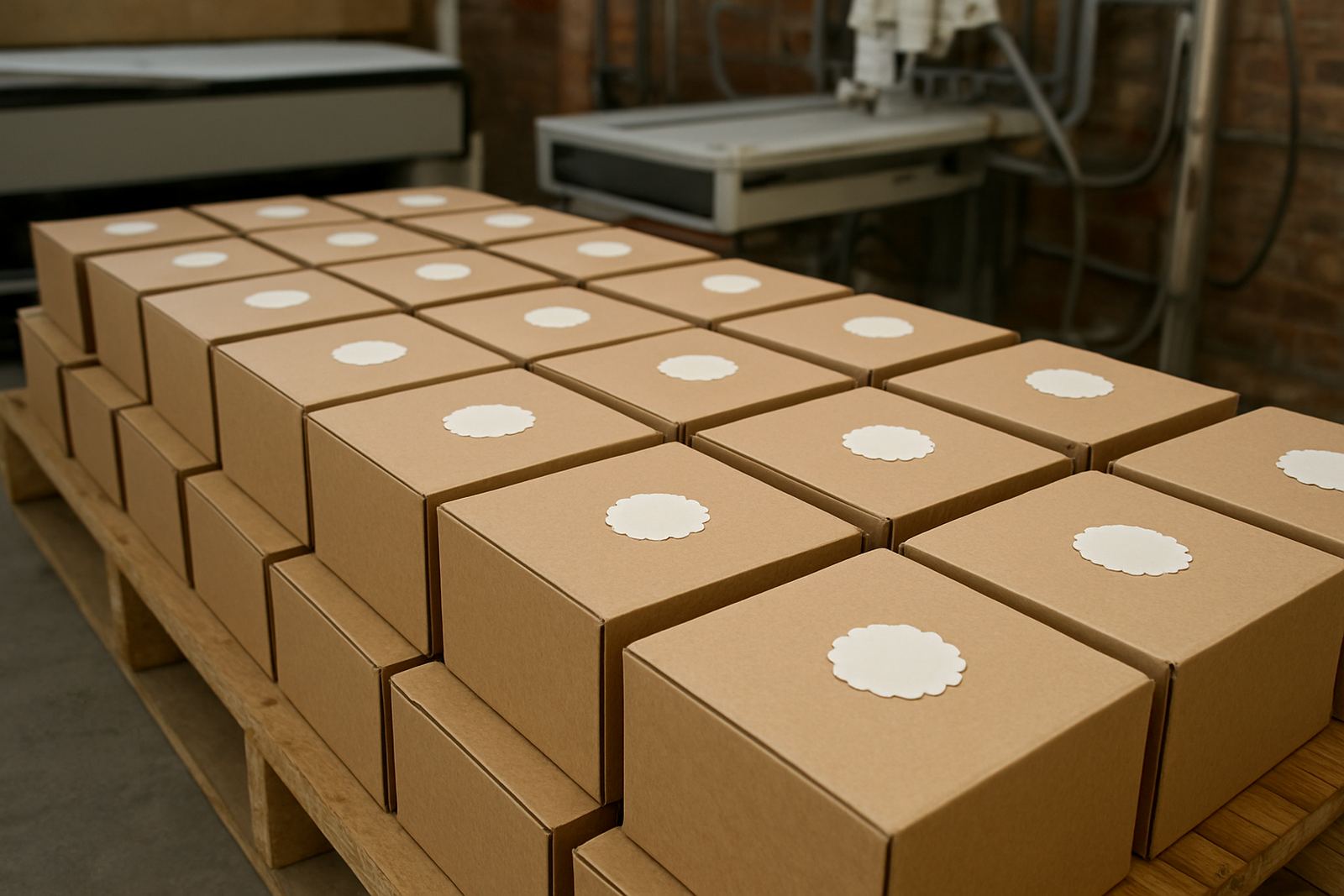
The finished labels came off cleanly, with consistent registration and edges that needed no extra trimming. The client could apply them straight onto the packaging line, and the visual result stayed consistent from the first sheet to the last. There was no wandering cut, no lifting at the corners and no visible mismatch between printed image and final shape. For a packaging job, that is what counts.
The batch also held up well during handling. Sheets were packed in a way that made counting and storage simple, and the labels separated cleanly from the waste matrix. The client told us the first delivery saved time on their side because the labels did not need sorting or correction before use. That kind of outcome is what we aim for on every cut job, especially when the order size is small enough for people to notice the details. It was a neat job, and the line speed held.
- Clean cut edges with no lifting on the corners
- Consistent registration across the completed batch
- Ready for immediate use on the packaging line
- Reduced handling and minimal waste during application
What we would do again for a repeat order
If this Kempton label batch came back next month, we would follow the same route, because the setup worked. We would keep the cut file locked to the approved artwork, confirm the media batch before loading and run the same calibration sequence before production. For repeat work, that is the most efficient way to keep quality consistent without slowing the day down.
We would also keep the same contact point with the client so changes to label size, adhesive choice or finishing preference can be handled early. On repeated runs, even a small shift in artwork can affect registration and waste levels. Better to catch that before the machine starts than to explain it after the fact. The result is fewer delays and better value for the customer.
Support from our Isando team
This project drew on the practical side of our Isando base in Johannesburg, with support from the wider team when needed. Sibusiso Nkosi oversees the business, while the operations and production team keep the day-to-day moving. For jobs like this one, our process is simple: check the artwork, set the machine correctly, test the cut, then finish the batch properly. No shortcuts, because packaging labels have to do their job every time.
For businesses in Kempton Park, Germiston, Boksburg, Midrand and Sandton, that kind of support matters when production windows are tight and there is no time to chase mistakes. Whether it is operator induction, maintenance basics, troubleshooting or a short refresher, we keep the focus on getting the labels cut right the first time. That is the sort of work we are set up for, and its what this batch needed.
Key facts
| Project type | Short-run product labels |
|---|---|
| Client area | Kempton Park |
| Use case | Packaging and shelf-ready labelling |
| Stock | Coated label media with backing liner |
| Cut detail | Tight registration with fine corners and one internal cut-out |
| Timeline | 2 weeks from test to completed batch |