Creative sticker sheets for a Braamfontein brief
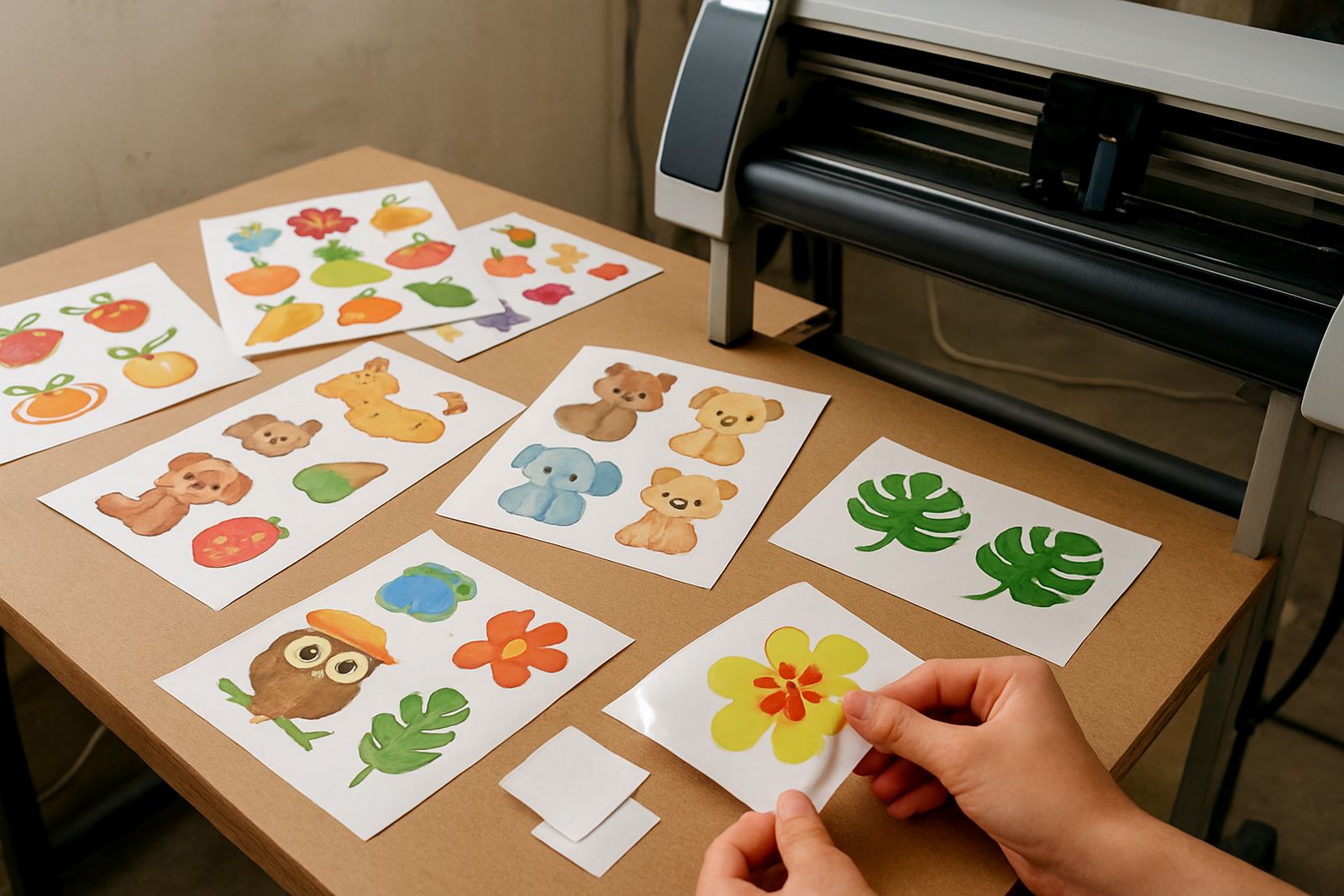
The client was a small creative studio in Braamfontein working on artist-style sticker sheets for merchandise, mailers and event handouts. They wanted the artwork to keep its fine linework, with each individual sticker easy to peel and the printed sheet looking clean enough for a premium retail display.
The brief was straightforward but exacting. Keep the smallest details intact, avoid rough edges, and maintain repeatable registration across the full run. They also needed a finish that could handle handling in a busy studio setting, plus packing into sleeves without the corners lifting. We had to work carefully because the artwork included fine text, narrow borders and several tight internal cuts.
- Client type: creative studio and merchandise supplier
- Area: Braamfontein, Johannesburg
- Use: sticker sheets for resale, packs and promo use
- Style: artist-led artwork with fine detail and clean outlines
What made the job tricky
Sticker sheet work looks simple until the artwork has thin strokes and close spacing. In this case the biggest constraint was keeping the kiss cut accurate without cutting right through the face stock, and without leaving tiny bits that tear when the sticker is lifted. The sheets also had to stay flat enough for trimming and packing, which means the loading and pressure settings have to be spot on.
Because the sheets were going out for use in town and at events, the client wanted a finish that would not mark easily from light moisture or constant handling. Johannesburg humidity is not coastal, but summer moisture and dust can still affect media handling in the workshop. We set up the process with that in mind, and checked every setup against the artwork before production started.
- Fine linework and small type in the artwork
- Close registration marks for accurate cut alignment
- Clean kiss cuts, no deep scoring into the backing
- Flat sheet output for easy packing and distribution
How we set up the cut path and sheet handling
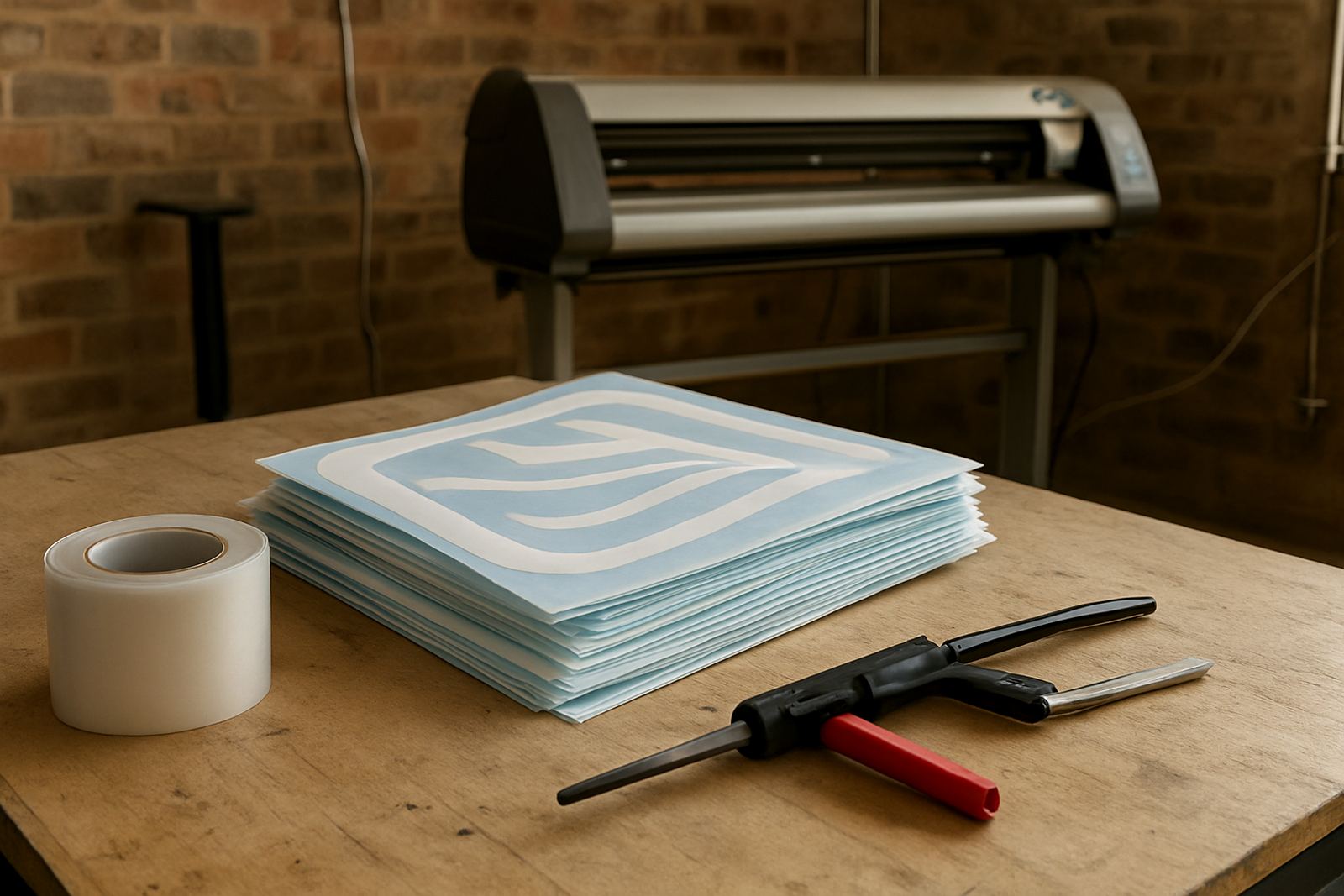
We started with artwork cut lines and registration calibration, then loaded the chosen media and checked blade pressure on a sample sheet. For this type of sheet, the cut path must follow the printed edge exactly while leaving enough backing strength so the sheet still stacks neatly. We also checked how the sheet fed across the bed to make sure there was no skew on repeated passes.
Our production supervisor and technical support lead worked through the first sample run with the client’s approval, then we moved into the main batch once the cut depth and spacing were confirmed. The work included a careful mix of operator induction, workflow guidance and a short troubleshooting session so the client could understand what would be needed if they reordered later. It saved time on the repeat order and kept the setup repeatable.
- Artwork cut lines prepared for each sheet layout
- Media loading checked for feed alignment
- Blade pressure set for kiss cuts, not through-cuts
- Registration calibration verified before the full run
- Operator induction completed for handoff and future reorders
Timeline from artwork check to finished sheets
The project ran over two weeks from first artwork review to final collection. Week one covered file checking, test cuts and approval of the cut depth. Week two covered the main production run, sheet checking, trimming and pack-out. That pace suited the client because they had a launch date and needed a controlled turnaround without last-minute surprises.
We kept the process tight but practical. The client was updated after the sample stage, then again once the full batch was completed and counted. There was no point rushing the finer work, because a single misaligned pass can spoil a whole run. Once the settings were locked in, the rest of the sheets matched properly and the stack quality stayed consistent.
- Week 1: file review, sample cuts, registration calibration
- Week 2: full production, counting, trimming and packing
- Turnaround: 2 weeks total
- Output: sheet sets ready for handover and resale use
Finish quality and the result on the table
The finished sticker sheets came out with crisp outlines, consistent kiss cuts and clean peel points. Small shapes held together properly on the backing, and the printed detail stayed readable right into the narrow areas of the layout. The client wanted a premium look and the final sheets gave them that without making the stickers awkward to remove.
From a practical point of view, the main win was reliability. Every sheet matched the next one, which matters when you are packing dozens or hundreds for clients in Sandton, Midrand or inner-city pickup. The run also showed that the artwork could be repeated later without redesigning the cut path. That saves money and avoids rework on future batches.
- Sharp, even kiss cuts across the full sheet
- Fine detail preserved in small graphics and text
- Easy peel action for end users
- Repeatable setup for future production runs
What we would repeat for the next run
If we were doing the same type of project again, we would keep the same approach: careful artwork checking, a proper sample cut, then production only after the registration is fully confirmed. For sticker sheets with lots of fine detail, that process works better than trying to force speed early. It is a bit slower up front, but it avoids waste and keeps the final sheets looking neat.
We would also keep the media choice matched to the end use. For indoor merch and handout sheets, a clean finish and strong cut control matter more than trying to over-spec the stock. If the sheets are going to be kept in a warm office, packed for shipping, or handled at a market table, the setup should account for that from the start. That is the part that makes the job hold together in real use, not just on the sample.
- Keep sample approval before the main run
- Match stock choice to handling and storage conditions
- Retain the same cut path for repeat orders
- Use a clear handover process for the client team
Sticker sheet support from Isando to nationwide installs
Contour Cutting works from Isando, Johannesburg, and handles cutter installs nationwide, with support linked back to our Sandton, Midrand, Germiston, Boksburg and Randburg areas. For sticker sheets, contour plotter setup and print-and-cut work, the focus is always on clean output and practical training. That includes blade pressure setup, maintenance basics and troubleshooting sessions where needed.
Our team is led by Sibusiso Nkosi, with support from Lerato Mokoena, Johan van Wyk, Ayanda Dlamini, Nadia Jacobs, Thabo Molefe and Ridwaan Daniels. If a studio, print shop or in-house production team needs assistance with cut lines, registration or workflow, we can help set it up properly and keep it running. In a city where deadlines move fast, that kind of control makes a real difference.
- Base: Isando, Johannesburg
- Support areas: Sandton, Midrand, Germiston, Boksburg, Randburg
- Services: operator induction, cut line setup, registration calibration, maintenance basics
- Email: cut@contourcutting.co.za
Key facts
| Project | Braamfontein sticker sheets |
|---|---|
| Client type | Creative studio and merchandise supplier |
| Output | Artist-style sticker sheets with clean kiss cuts |
| Timeline | 2 weeks from file check to final handover |
| Location | Braamfontein, Johannesburg |
| Key setup | Artwork cut lines, media loading, blade pressure and registration calibration |