Batching That Matches Real Shop Flow
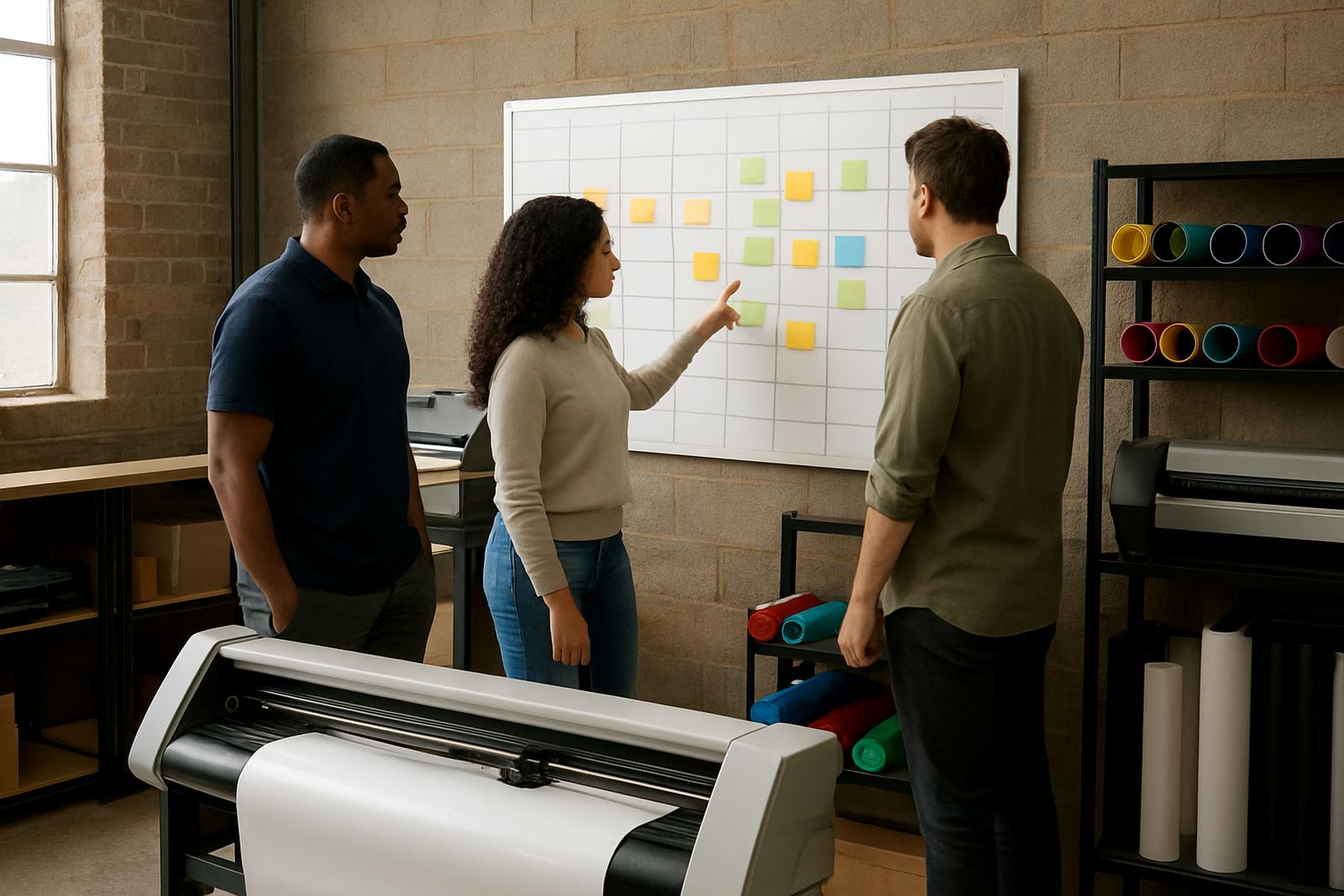
This session focuses on how work actually moves through a South African print-and-cut room, from intake to finished stickers. We map the steps your team uses now, then tighten the sequence so jobs can be grouped by media type, blade setup, size, colour count and delivery deadline. That reduces changeovers and helps stop small delays from turning into a full day of catch-up.
For shops handling signage, promotional runs and custom graphics, batching matters because it keeps the cutter working on similar settings for longer. That means less stop-start time, fewer rechecks and better use of labour. It also makes it easier to plan around load shedding, because you can finish the highest priority batches first and avoid leaving half-cut sheets on the bed, which causes waste.
- Job grouping by material, size and finish
- Priority planning for same-day and next-day work
- Cleaner handoff between print, lamination and cut
- Basic queue rules for small, medium and repeat orders
What the Workflow Session Covers
We cover the production steps that matter on the floor, not theory. Your team learns how to prepare jobs so the cutter spends less time waiting on artwork fixes and more time producing accurate output. We also look at how to set a repeatable routine for registration checks, blade setup, media loading and output sorting.
Each session can be shaped around the machine type in use, the media you run most often, and whether your team handles short runs, larger batches or mixed work for multiple branches. If you need a tighter process for Isando, Sandton or Midrand dispatch, we can work that into the session so your production and delivery timelines line up. It is practical stuff, not just notes on a page.
- Job ticket flow and handover points
- Artwork check rules before production starts
- Cut order planning for multiple jobs on one roll
- Waste control, offcut tracking and re-run prevention
Process Steps From Intake to Finished Output
We run the session in a clear sequence so your team can apply it straight away. First, we look at how jobs are received and logged. Then we check whether the artwork is ready for cutting, whether the media has been loaded correctly and whether the blade pressure is set for the material thickness. After that, we set a batch order that suits your daily volume and delivery promises.
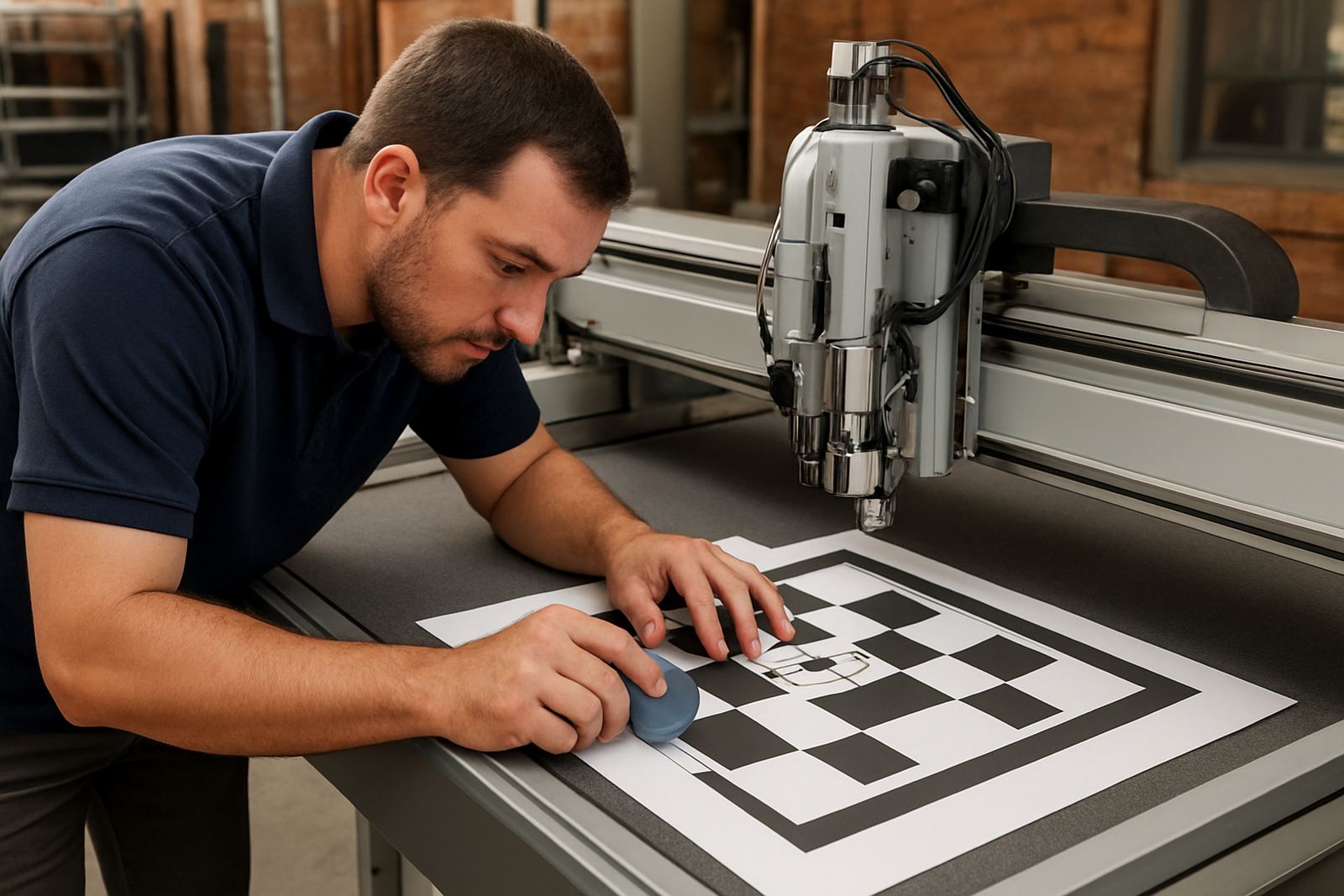
Next, we work through registration calibration and test cuts, because those two steps often decide whether a run goes smoothly or eats up time. Finally, we set the finishing and packing flow so cuts are checked, counted and sorted before dispatch. That keeps rework down and helps prevent the common problem of finished jobs being mixed up with fresh print, especially in busy periods.
- Intake and job checking
- Artwork prep and cut line review
- Media loading and calibration
- Batch cutting, inspection and pack-out
Turnaround for Shops That Need Faster Throughput
Most production workflow sessions are completed in a half day to a full day, depending on how many machines, operators and sites are involved. A single-site team in Isando or surrounding areas can often complete the training in one visit. Multi-branch teams or sites with more than one cutter may need a longer session so we can cover handoff points and production rules properly.
Where needed, we can split the work between on-site time and remote follow-up so the team can apply the process, then come back with real job examples. This works well for businesses that want to improve turnaround without pulling everyone off the floor for too long. For teams dealing with municipal deadlines, bulk promo runs or customer collection windows, even a small workflow change can save a lot of hours over a month.
We also account for local conditions such as humidity in coastal deliveries, power interruptions and the pressure of year-end peaks. A better production order means less spoilage when conditions change and fewer last-minute rushes.
Pricing Approach for Production Workflow Training
Pricing is quoted according to the number of operators, the number of cutters involved, whether the work is on-site or remote, and how much process mapping is needed. If your team wants a single floor session with a basic batching method, the cost stays lower. If you need branch-by-branch workflow rules, supervisor coaching and post-session support, the quote will reflect the extra time.
We keep the pricing structure straightforward so you know what you are paying for. There are no vague add-ons hidden in the small print. If you need a quote for a production room in Johannesburg, Germiston, Boksburg, Randburg or Midrand, we will size it around the team and the actual work volume. In some cases, a short refresher after the main session is enough to lock in the gains.
- Quoted by team size and machine count
- Adjusted for on-site, remote or mixed support
- Can include follow-up coaching after live production use
- Suitable for single branch and multi-branch operations
Maintenance Intervals That Keep Workflow Stable
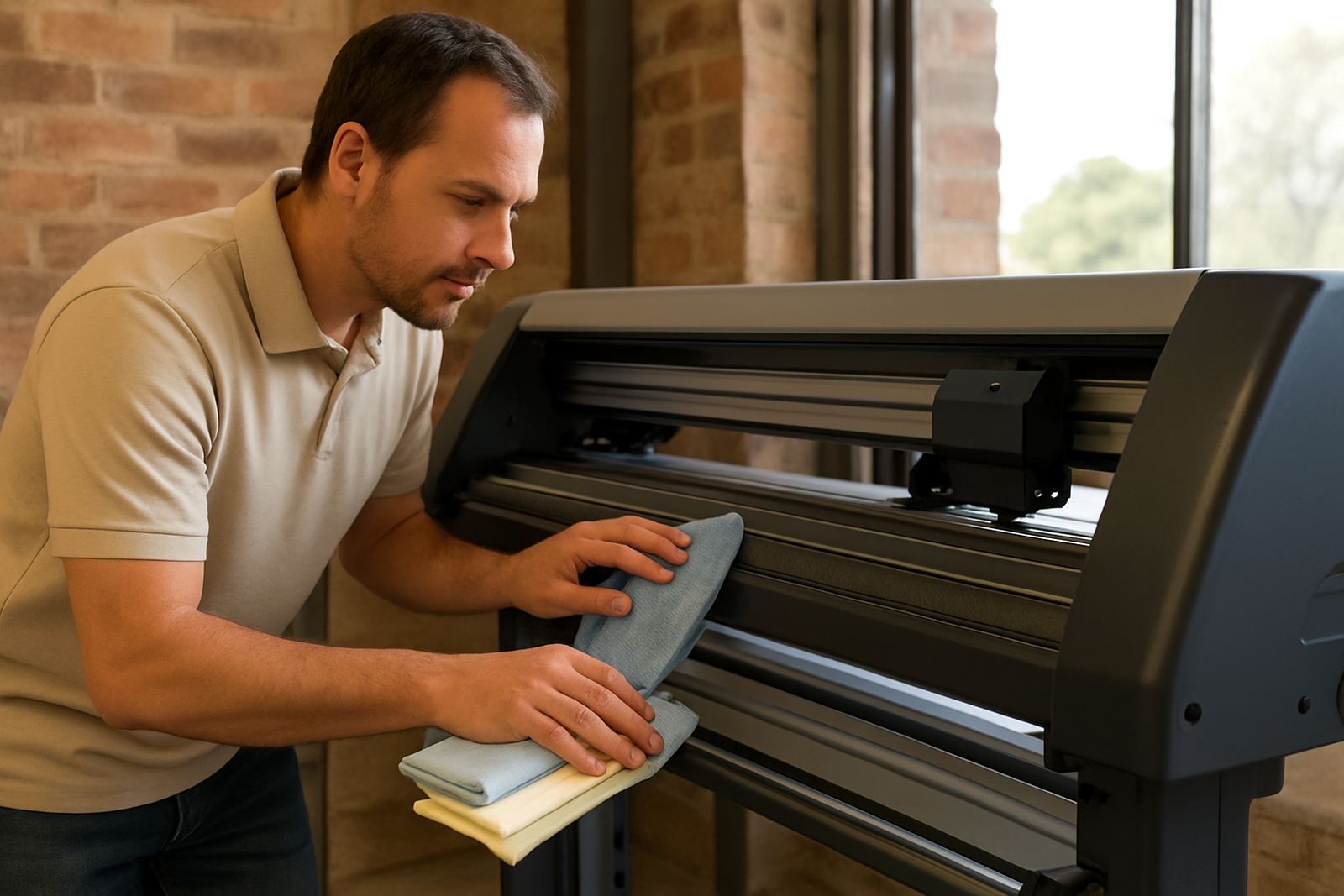
Good workflow is not only about speed, it also depends on keeping the cutter ready for work. During the session we set sensible maintenance intervals so the machine does not drift out of line and slow the batch plan down. That includes blade checks, carriage cleaning, media path inspection and a regular calibration routine tied to production volume.
As a rule, light checks should happen daily, especially in dusty rooms or where the cutter runs long shifts. A more thorough inspection should be done weekly, with deeper maintenance monthly or after heavy production periods. If your shop works near the coast, or in a humid area, we suggest more frequent media checks because stock can curl or shift and that affects cut accuracy. A bit of care here saves time later.
- Daily: blade, path and media check
- Weekly: calibration and test cut review
- Monthly: cleaning and alignment inspection
- After heavy runs: full production reset
Who This Session Suits Best
Production Workflows is suited to print shops, signage teams, promo producers and creative studios that need better output control. It works well for operators who already know the machine but need a cleaner process, as well as supervisors who want the team to follow the same method every shift. If your business is growing and jobs are starting to pile up, this session gives your floor a better rhythm.
The aim is not to make the process complicated. It is to get the right jobs through the right steps, in the right order, with less waste and fewer surprises. That kind of structure helps small teams punch above their weight, and it helps larger teams stay consistent across branches and shifts.
Key facts
| Session type | Workflow training for print-and-cut production teams |
|---|---|
| Primary outcome | Better batching, less waste and faster turnaround |
| Typical duration | Half day to full day |
| Delivery areas | Isando, Johannesburg and nationwide cutter installs |
| Team roles covered | Operators, supervisors and production leads |
| Frequency guidance | Daily checks, weekly calibration, monthly maintenance review |