What the induction covers on day one
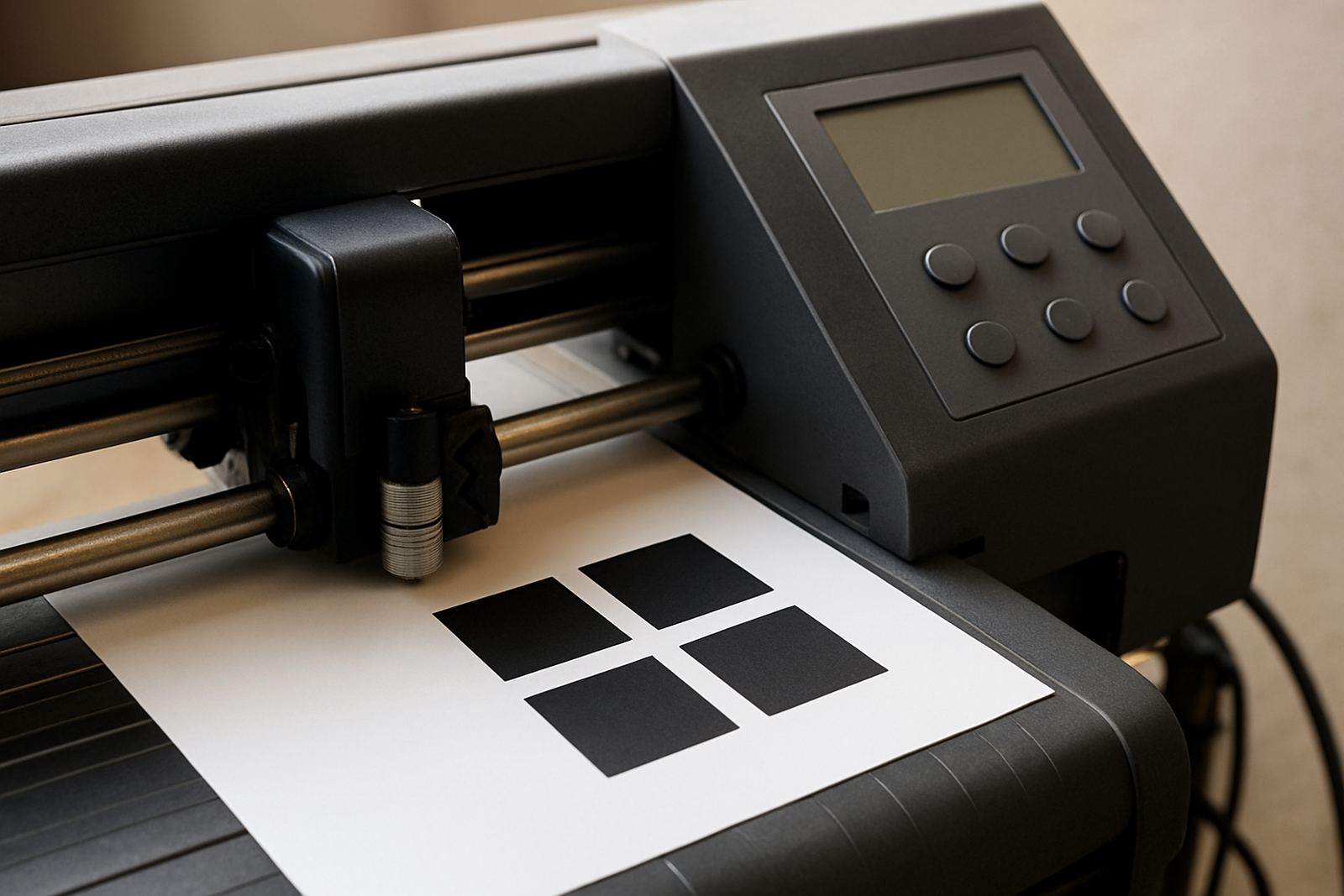
This session is for operators who need to get on the machine quickly and correctly, without guesswork. We focus on the day-to-day tasks that matter in a busy print shop or signage workshop, from loading media to confirming registration marks and setting up a clean cut path.
The aim is simple: reduce spoilage, protect the cutter, and give staff the confidence to handle normal jobs on their own. The training is practical and hands on, with enough time for questions and a short supervised run on sample material.
- Machine overview and control panel basics
- Safe start-up and shut-down steps
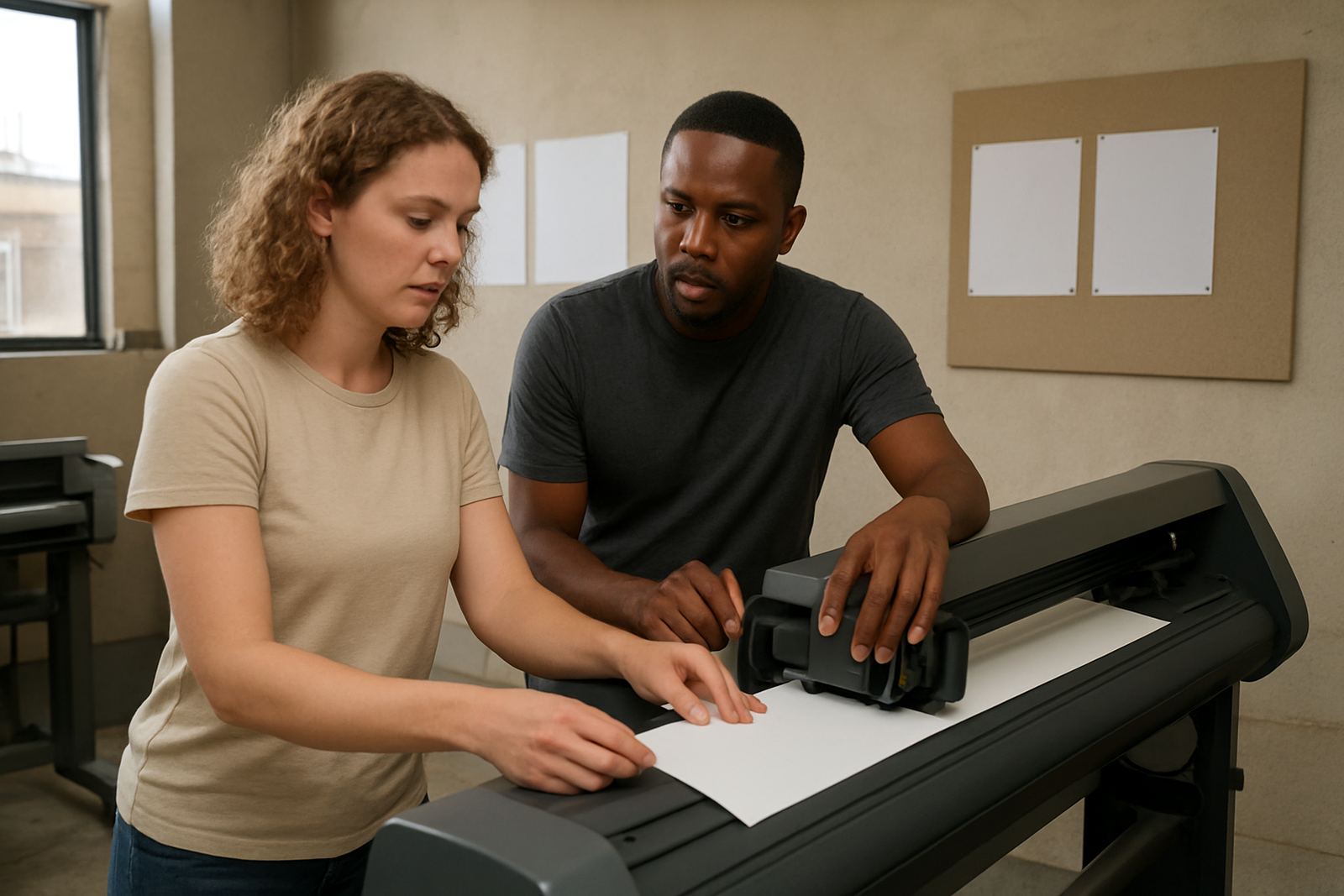
- Media loading and pinch roller positioning
- Blade pressure, speed and test cut checks
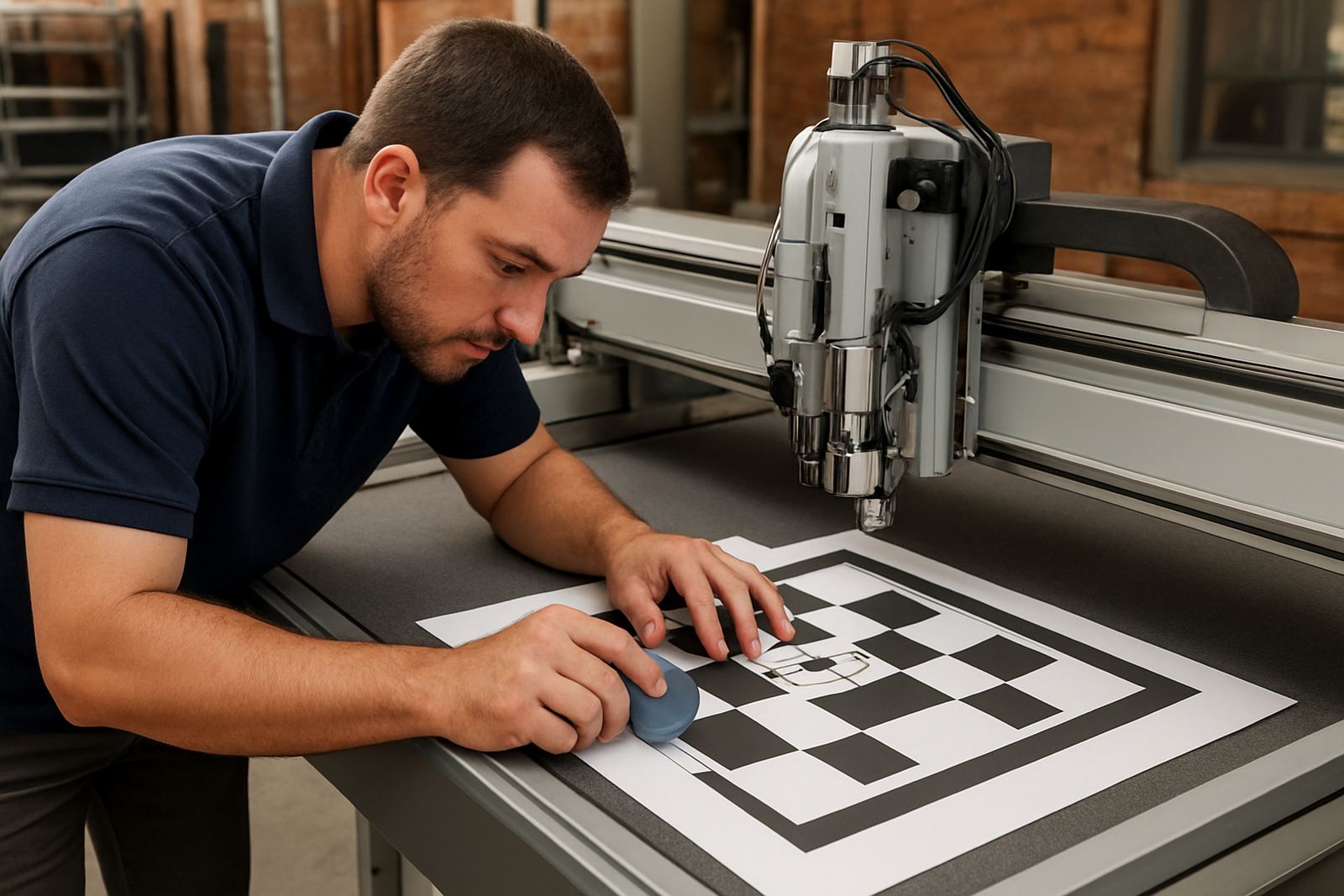
- Registration calibration for print-and-cut work
How we run the training in your workspace
We can complete Operator Induction at our Isando base or on site at your premises in Johannesburg, Gauteng and other centres nationwide. For teams in Sandton, Midrand, Germiston, Boksburg or Randburg, we plan around your production times so the session does not hold up dispatch or same-day cutting.
The process starts with a quick machine inspection and a check of the room conditions. On some sites the air is dry, on others coastal humidity affects media feed and blade behaviour, so we adjust the guidance to suit the actual environment. We also look at power protection because load-shedding and voltage dips can cause nuisance faults or lost settings.
- Site check and machine readiness review
- Walkthrough of controls, menus and safety points
- Hands on loading and alignment exercise
- Test job with live correction where needed
- Operator sign-off and next-step guidance
Machine specs and working limits we explain
Every cutter model behaves a little differently, so induction includes the key specs your team needs to understand before production starts. We show how cutting width affects job setup, which media thickness can be handled cleanly, and where blade pressure should stay for common vinyl and printed film. It is basic information, but it saves real money when staff are under pressure and a job is due out.
We also cover the practical limits that matter in South African workshops, like running costs, cleaning intervals and how often to recalibrate after transport. If a machine has been moved from Isando to another branch or installed after a warehouse reshuffle, we recommend a fresh setup check before the first full run.
- Cutting width and usable media width
- Acceptable film thickness and backing types
- Blade angle and pressure range
- Speed settings for detail work versus general cuts
- Registration tolerance for print-to-cut alignment
What the operator receives after the session
We leave the team with practical notes they can use during normal shifts, not theory that gets filed away and forgotten. That includes a short operating checklist, a safe cleaning routine and reminders for the first signs of wear on blades, pinch rollers and carriage movement. The goal is for the operator to know what normal looks like, and when to stop the machine before a small issue becomes a downtime problem.
The induction also covers who to call when something is outside normal operation. For many workshops, that means the operator logs the fault, the supervisor checks the basics, and our technical support team takes over only when needed. That keeps the workflow tidy and avoids repeated mistakes.
- Start-up and shut-down checklist
- Cleaning points and dust removal notes
- Blade wear indicators and replacement timing
- Fault logging steps for supervisors
- Basic care for cables, clamps and rollers
Turnaround, pricing and booking details
Operator Induction is usually arranged within a short booking window, depending on team size and branch location. A single operator session can often be done in one visit, while larger groups or multi-machine sites may need a longer block so each person gets enough machine time. If you need a rush session before a new staff member starts, tell us early and we will try to fit it in.
Pricing is based on the number of operators, travel requirements and whether the session is at our Isando base or on site. We keep the pricing approach straightforward, with no hidden extras for normal training notes or standard supervision time. For businesses with regular intake, we can also structure repeat induction at set intervals so each new operator starts from the same standard.
Maintenance intervals after induction
Good training only works if the machine is kept in proper order afterwards. We explain the basic maintenance rhythm during induction so operators know what to check daily, weekly and monthly. In South Africa, dust, heat and unstable power can shorten the life of moving parts if the cutter is left unchecked for too long.
For most print shops, a quick daily wipe-down and visual check is enough between scheduled service visits, while a deeper inspection should happen every few months depending on usage. If the cutter is working in a high-volume setup, or the site has frequent power interruptions, we suggest shorter maintenance intervals and a tighter fault log. That keeps the machine accurate and reduces wasted media.
- Daily: clean bed area, check blade condition, confirm rollers
- Weekly: inspect carriage movement and cable condition
- Monthly: verify pressure settings and registration accuracy
- Quarterly: full calibration and wear review
Key facts
| Session length | About 2 to 4 hours depending on operator experience and machine setup |
|---|---|
| Format | On site in Johannesburg and nationwide, or at our Isando base |
| Group size | 1 to 4 operators per session for best hands on attention |
| Equipment covered | Print-and-cut contour plotters and standard cutter workflows |
| Support included | Operating checklist, basic maintenance notes and fault logging guidance |
| Booking lead time | Usually 2 to 5 working days, subject to travel and production schedule |