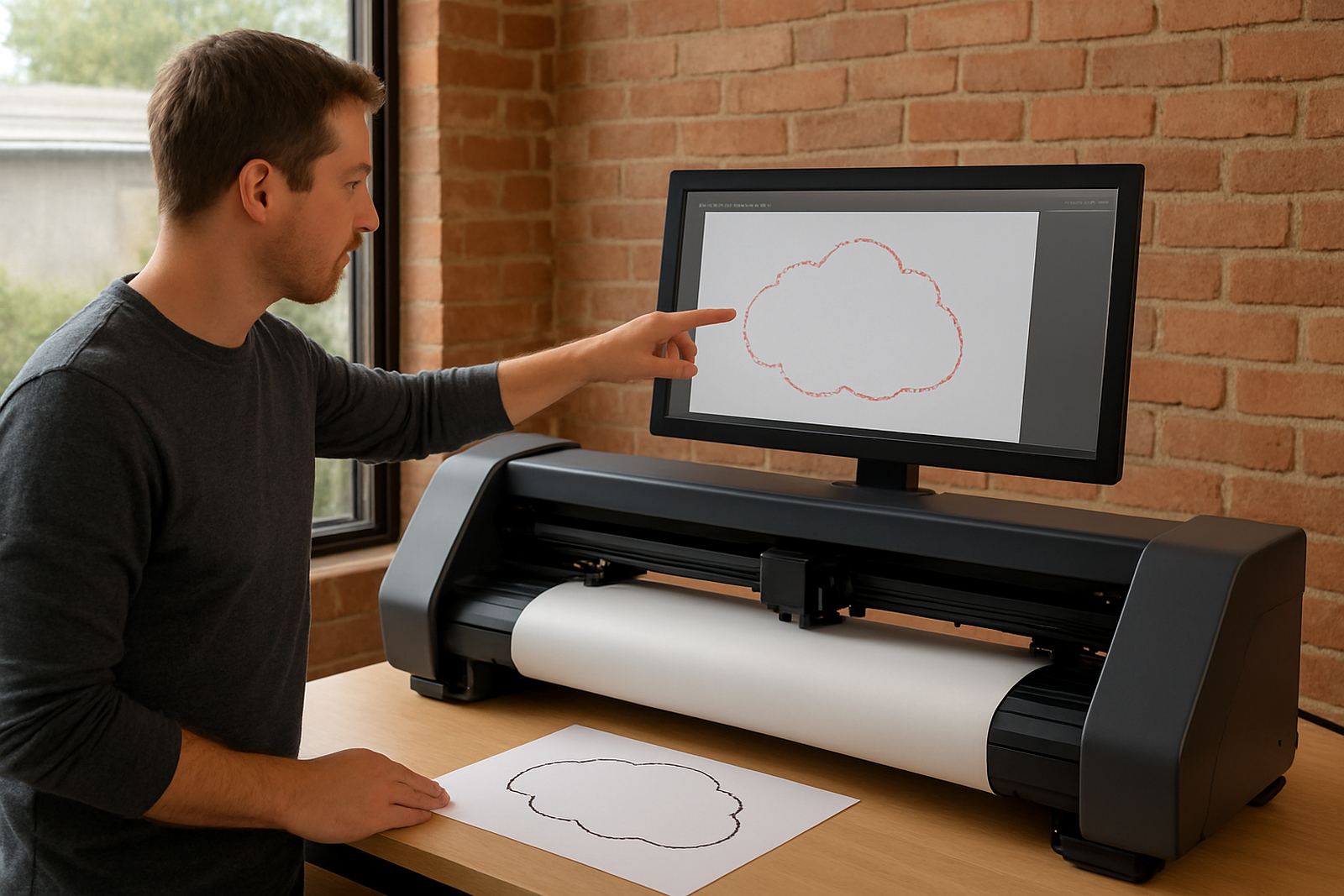
What the media loading session covers
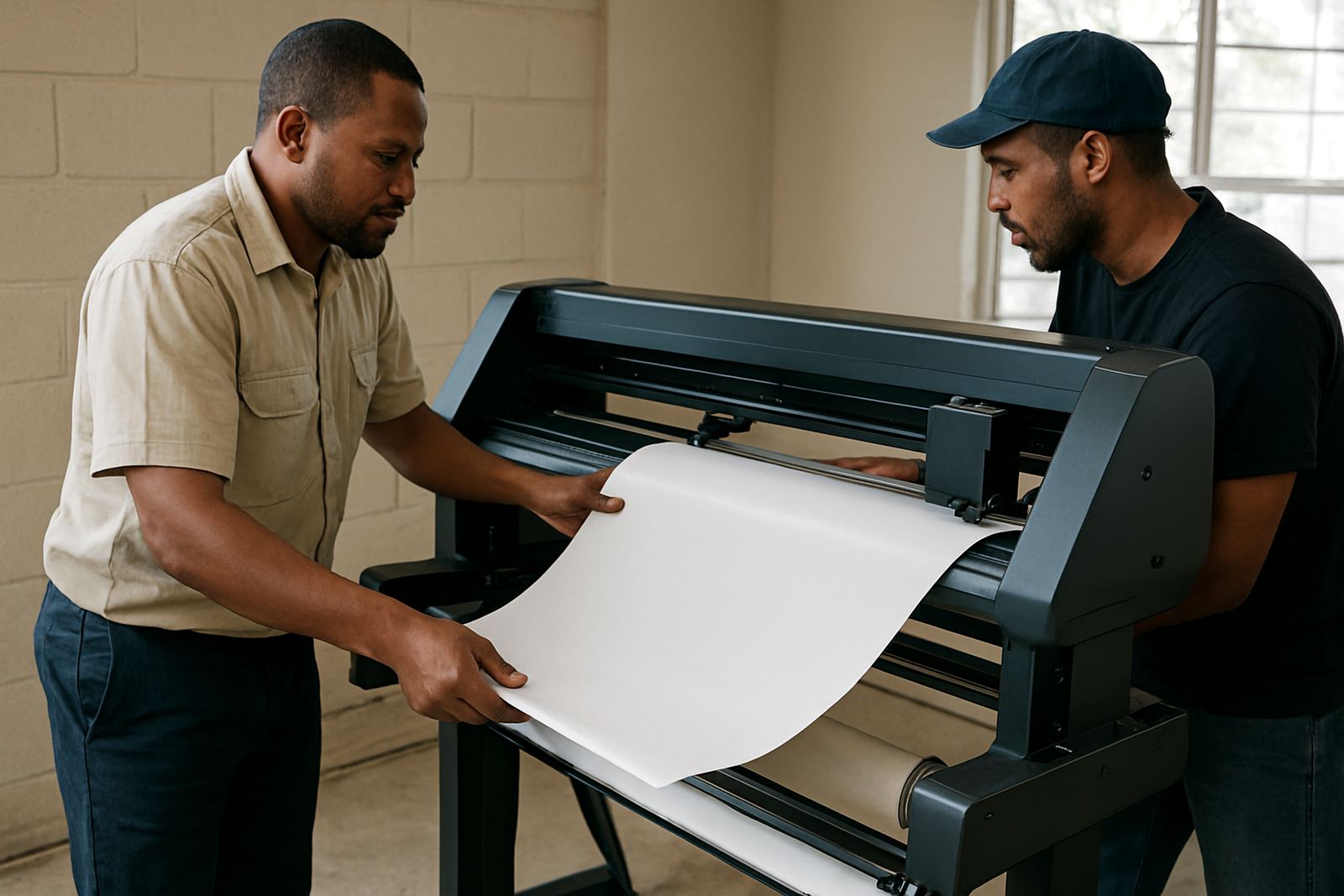
This session is for operators who need cleaner starts, fewer skewed feeds and better control over print-and-cut work. We cover roll loading, sheet alignment, tension control, pinch roller placement and tracking checks on standard production media used across signage, labels and short-run promo work.
The aim is practical output. Your team learns how to handle 540 mm, 760 mm, 1370 mm and 1600 mm rolls, plus common sheet sizes such as A3, A2 and SRA3 stock. We also deal with heavier media, thin self-adhesive film and laminated pieces that can pull off line if the setup is rushed. In a busy shop, one poor load can waste metres and throw off registration, so this session is built to stop that before it starts.
- Roll loading and unwind direction
- Sheet edge alignment and feed square
- Tracking stability checks before cutting
- Media handling for humid coastal conditions and dusty inland sites
How the session is run
We start with a short check of your current media types, cutter model and usual job sizes. Then we move through the load process step by step, using the material your team already works with where possible. If the machine is installed in Isando, Sandton, Midrand, Germiston, Boksburg or Randburg, we can work on site. Nationwide cutter installs and support are also available.
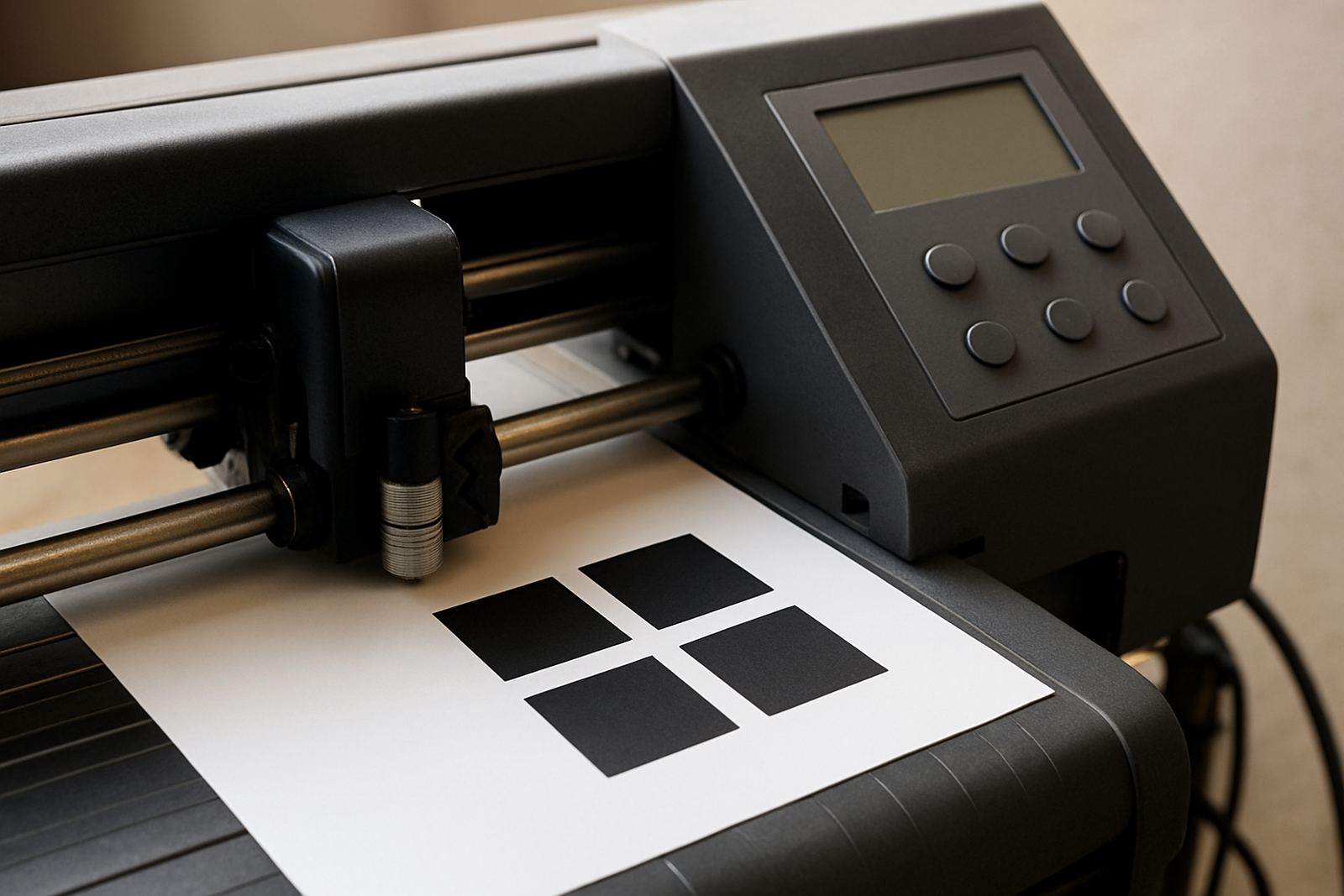
Each session is hands-on. Operators do the loading while we guide them on pressure points, guide roller position and how to spot edge curl, bowing and drift before production begins. For print-and-cut work, we also explain how poor loading affects registration marks and why a neat feed path matters when the machine is running long hours during load-shedding recovery shifts. It saves time, and it cuts waste.
- Initial machine and media check
- Demonstration on correct loading and alignment
- Operator practice with live correction
- Wrap-up notes for daily use
What is included in the training
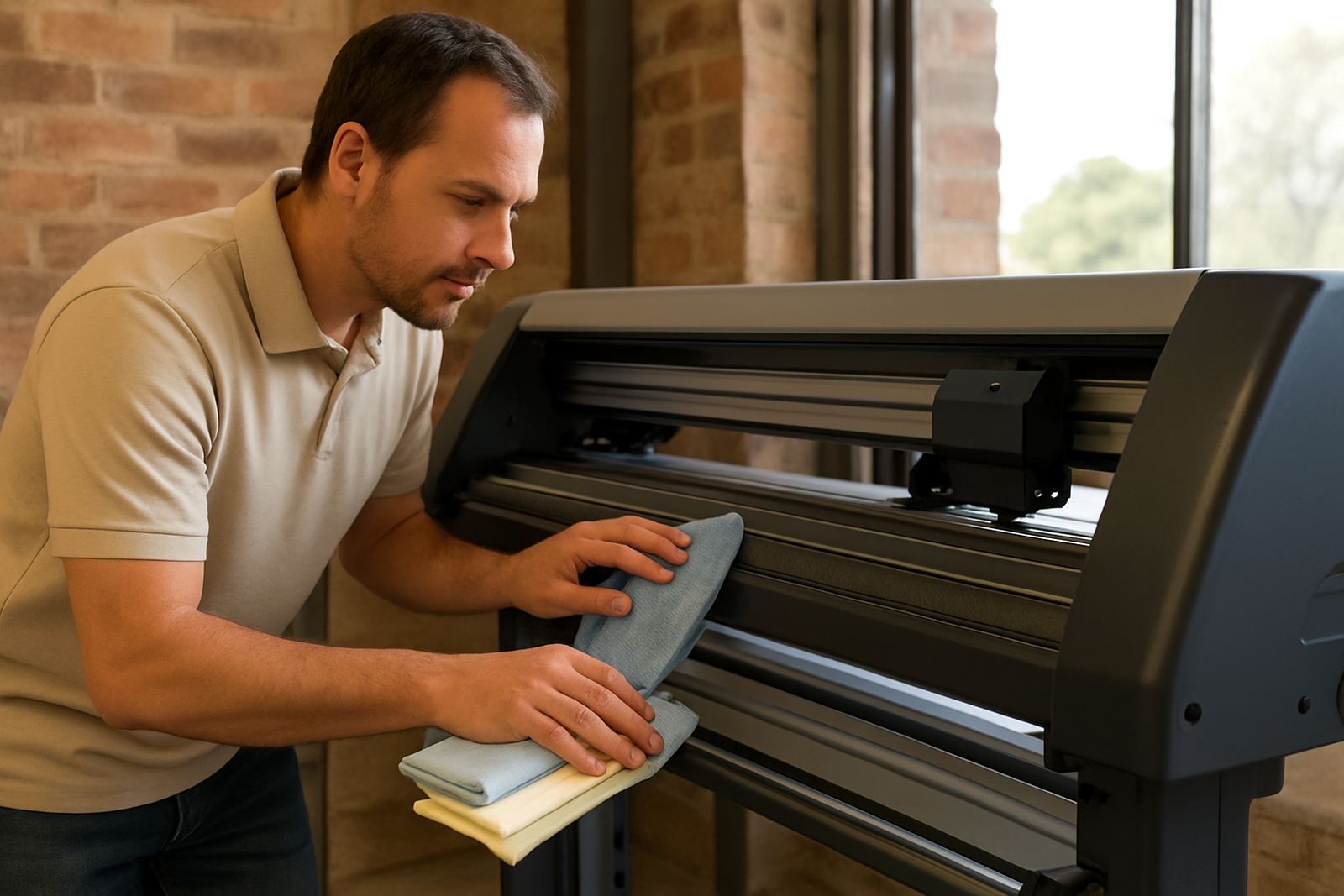
The session is not only about putting material into the machine. It covers the small adjustments that make a difference when you are running jobs for signage, stickers or promotional graphics. That includes how to prevent telescoping rolls, how to keep sheet feed square and how to decide when a media path needs cleaning or a roller needs adjustment.
We also look at common South African production conditions. Heat in an uncooled workshop can soften some films, while coastal humidity can affect backing paper and cause slight curl. Dust from industrial areas around Johannesburg can also build up on feed points and sensors. Your team gets clear guidance on what to watch for, so they can keep the machine producing without unnecessary stoppages.
- Roll and sheet loading technique
- Media path inspection
- Basic cleaning points around feed rollers and guides
- Stability checks for long runs and repeat jobs
Turnaround and booking options
Most media loading sessions can be scheduled as a half-day or full-day training slot, depending on the number of operators and how much practical time is needed. For a small team, a focused session is usually enough. Larger teams or sites with multiple machines may need more time so every operator can load confidently and repeat the process without help.
For businesses in Gauteng, turnaround can often be arranged quickly. If your team needs support after installation, we can book a refresher around production hours to reduce disruption. For regional and out-of-town sites, timing is planned around travel and machine access, with remote refresher support available where a quick follow-up is needed.
Pricing approach and site factors
Pricing is based on the time on site, number of operators, travel distance and whether the session is part of a wider installation or support visit. A single machine with a small team will usually cost less than a multi-machine production floor with several shifts to train. We keep it practical and quote according to the work that needs to be done, not a one-size-fits-all rate.
Where media loading is combined with other services such as artwork cut lines, blade pressure setup or registration calibration, the pricing can be structured as a bundled visit. That helps reduce repeat call-outs and keeps your team moving from setup into production faster. For companies working in Isando, Sandton support areas and other nearby industrial zones, we can often plan visits with limited downtime in mind.
- Quoted per session, team size and travel
- Options for single machine or multiple machines
- Bundle pricing available with related training
- Clear scope before any visit starts
Maintenance intervals and when to retrain
Good loading habits need regular checks. We recommend a maintenance and retraining interval every 3 to 6 months for active production sites, or sooner if you have new operators, new media types or repeated tracking issues. If your cutter is used daily, a short refresher after machine servicing or blade changes can prevent bad habits from creeping in.
If you notice curling rolls, edge wander, inconsistent cut paths or material slipping during longer runs, it is time for another session. Shops that switch between glossy vinyl, reflective film, laminate and thicker stock tend to need more frequent review. A short refresher can save hours of wasted material, especially when deadlines are tight and the job must go out the same day.
- Every 3 to 6 months for busy shops
- After operator changes or staff training gaps
- After cutter servicing or feed-related faults
- When new media widths or thicknesses are introduced
Key facts
| Session length | Half-day or full-day, depending on team size and machine count |
|---|---|
| Media widths covered | 540 mm, 760 mm, 1370 mm and 1600 mm rolls |
| Sheet formats covered | A3, A2 and SRA3 standard production sheets |
| Delivery areas | Isando base with Sandton, Midrand, Germiston, Boksburg and Randburg support |
| Typical review interval | Every 3 to 6 months for active production teams |
| Support format | On site training with remote refresher follow-up available |