What an apparel transfer cutter does on the production floor
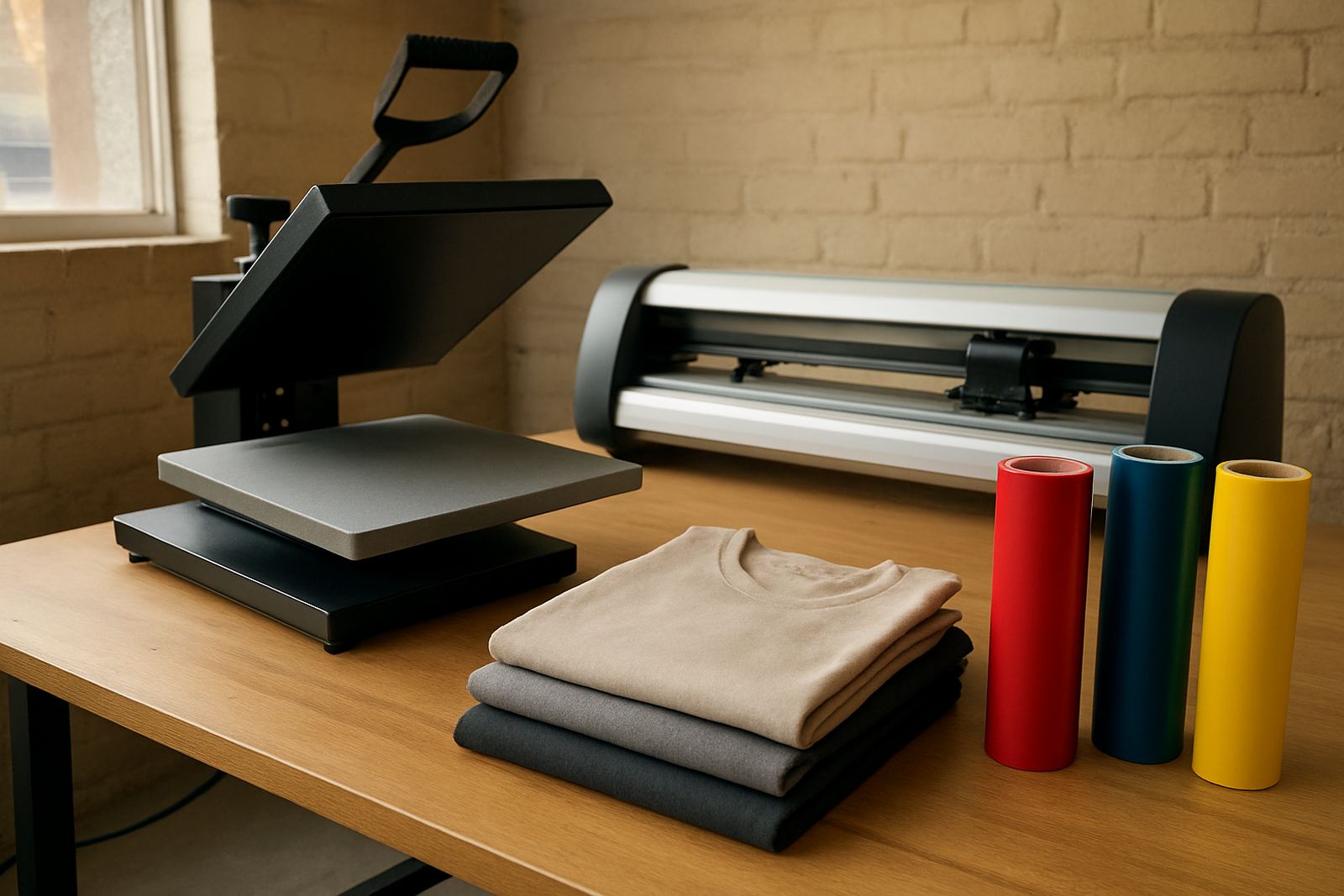
This machine cuts lettering, numbers, logos and team marks into heat-transfer film so they can be weeded and pressed onto garments. At Contour Cutting, we supply print-and-cut systems for businesses that need dependable registration, crisp corners and consistent results across short runs or busy weekly orders.
It is suited to vinyl-type transfer media used for cotton, polycotton, polyester and many performance fabrics. For shops handling schoolwear, club kit, security uniforms or branded T-shirts, the cutter saves time compared with hand cutting and gives a neater edge on curved artwork and fine text.
- Suitable for names, squad numbers, sponsor marks and event wear
- Works with roll-fed transfer film in common production widths
- Helps reduce rework caused by uneven knife pressure or drifting material
Sizes, cutting widths and common setup options
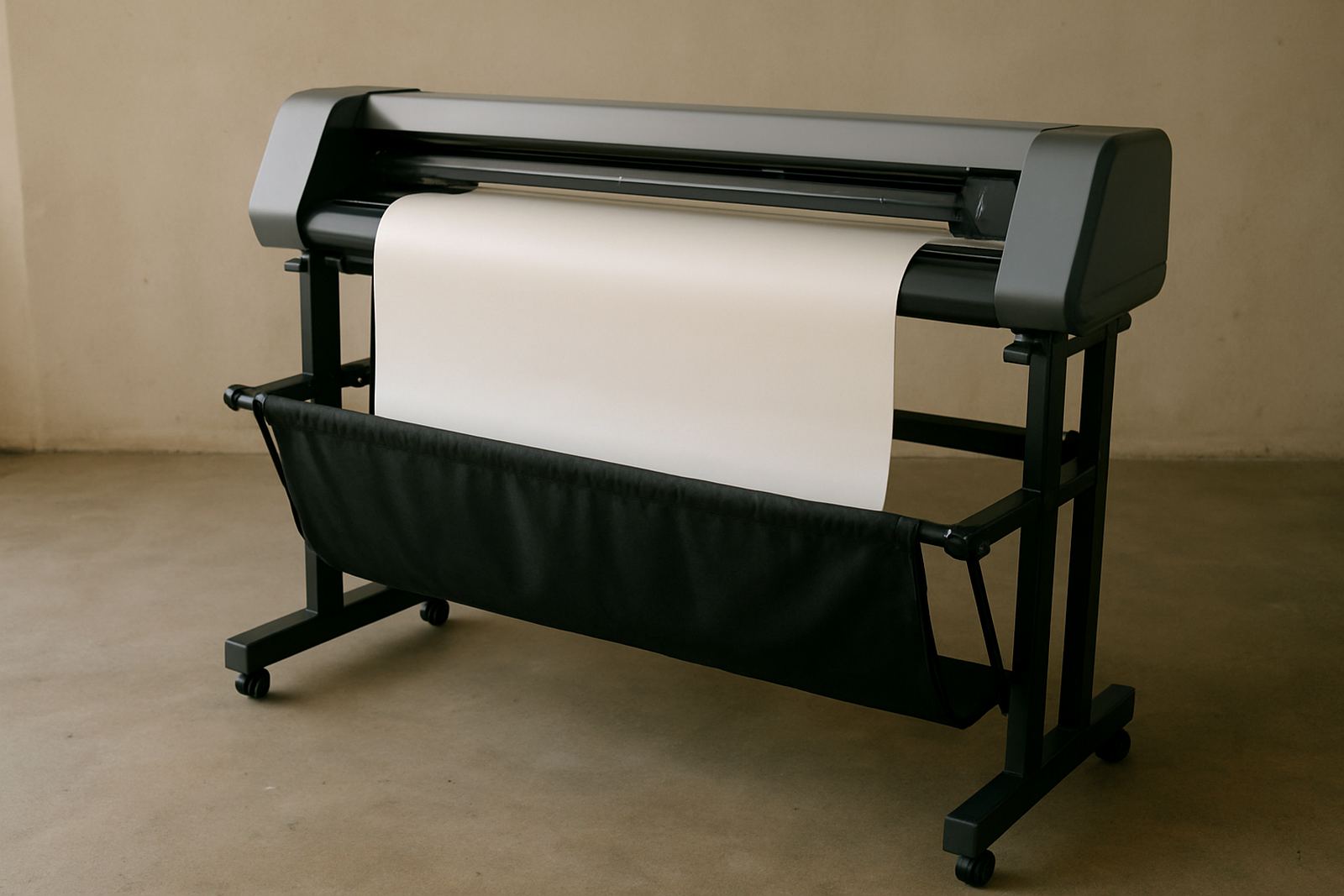
Apparel transfer cutters are normally chosen by the width of film you plan to run and the volume you need to clear in a day. A compact unit can handle smaller studio jobs, while a wider machine suits garment factories, sign shops and print rooms cutting multiple names or larger graphics at once.
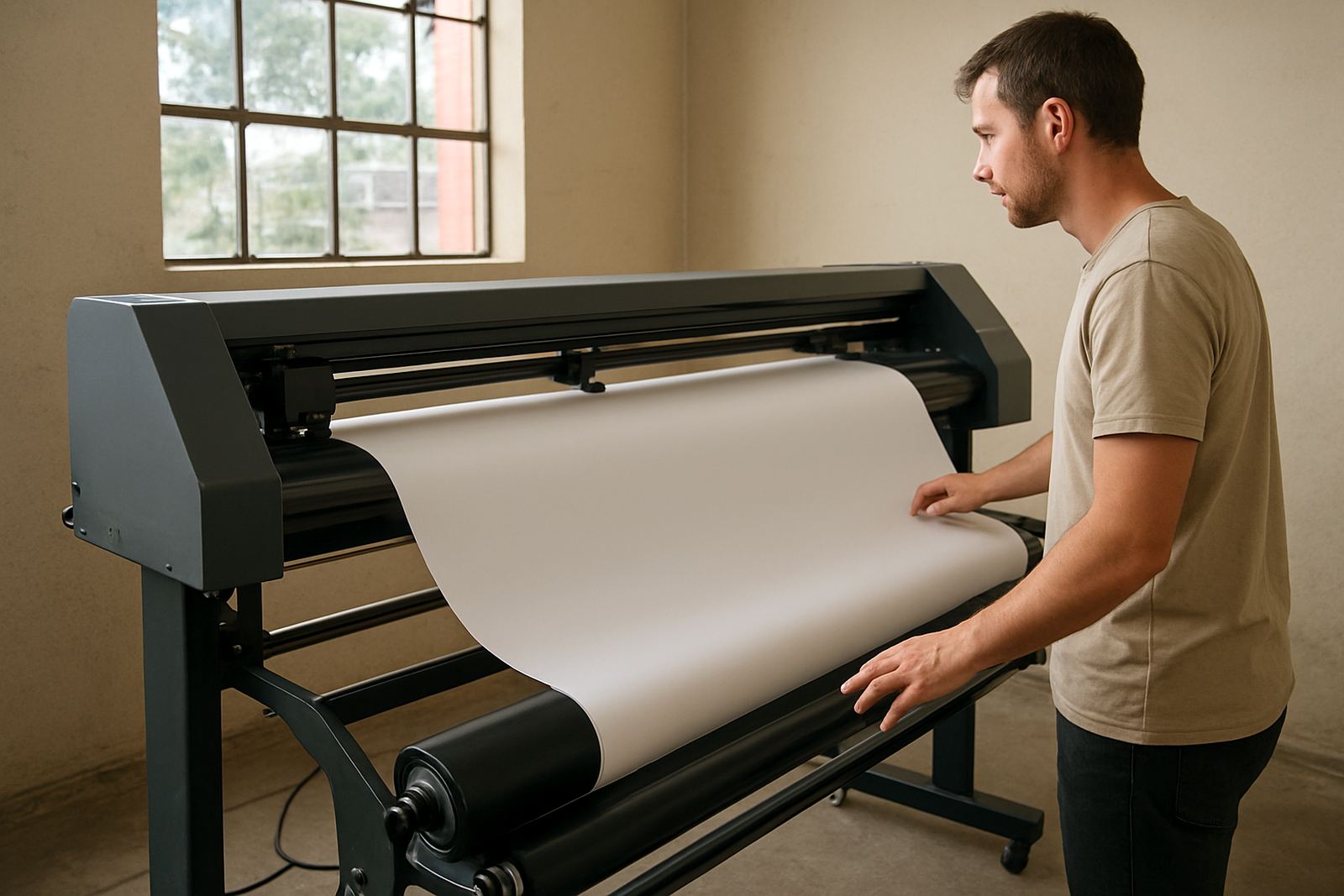
We help match the cutter to your media width, workspace and output target. If you need to cut narrow rolls for numbering or wider sheets for full chest logos, it is worth checking the usable cut width, pinch roller spacing and material path before ordering.
- Typical usable cut widths: 330 mm, 600 mm, 720 mm and 1200 mm
- Sheet or roll feed depending on your workflow
- Adjustable blade pressure for softer PU film and thicker specialty media
- Registration support for printed transfers where print-and-cut alignment matters
Where this cutter suits best in South Africa
This product fits garment branding operations in Johannesburg, Pretoria, Durban, Cape Town and production sites across the country. It is a practical choice for clothing decorators in Isando, Midrand, Sandton, Germiston, Boksburg and Randburg who need clean transfer output without sending jobs out for trimming.
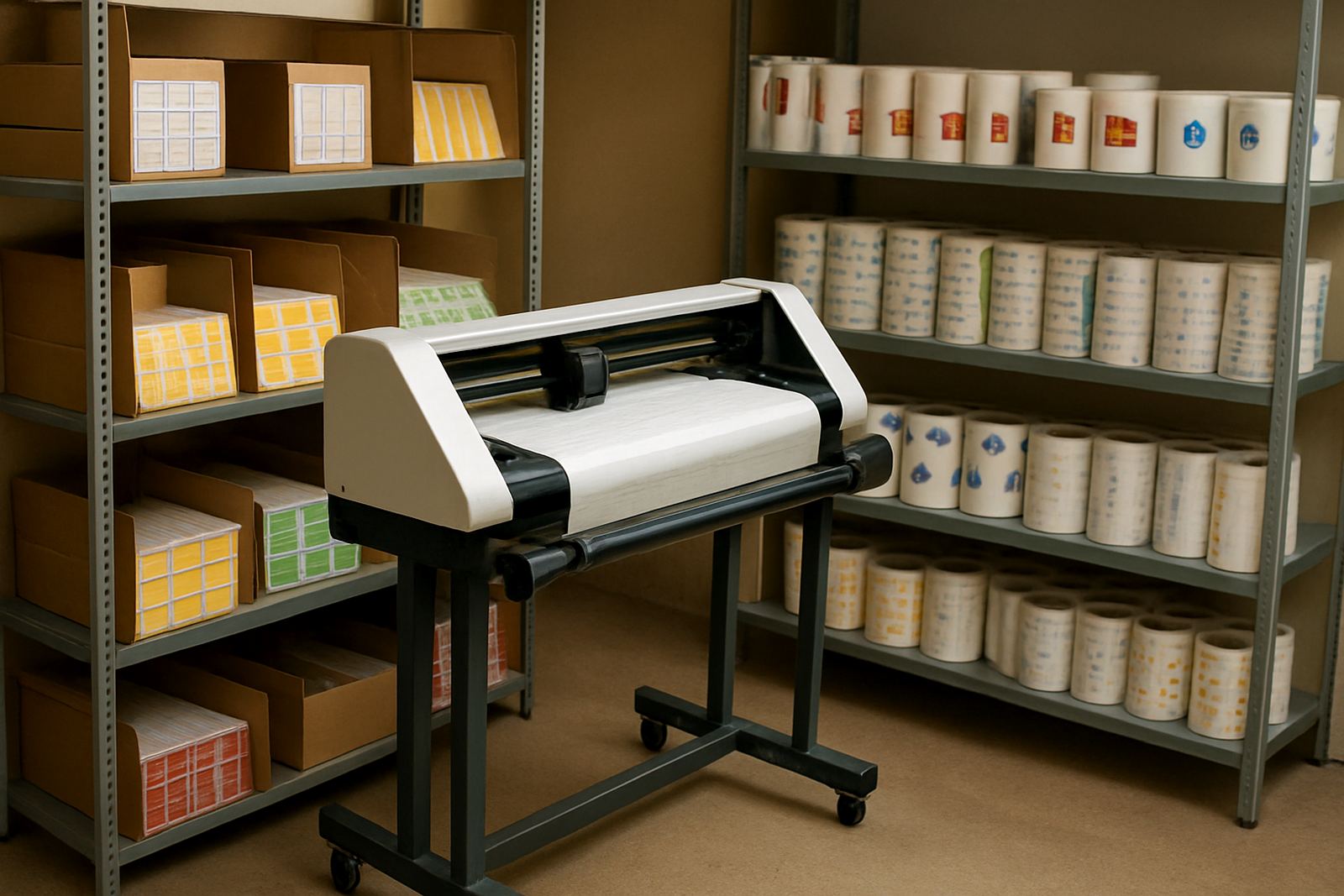
It also works well for mobile brand teams, sports clubs, print resellers and promotional companies that want faster turnaround on names and numbering. In coastal areas such as Durban and Gqeberha, film storage and machine cover habits matter because humidity can affect media handling. In summer, dust and static can catch at the edges so a tidy work area helps, no one wants a batch lifted and curled before pressing.
- Garment branding and corporate clothing
- School, club and sports kit production
- Promo wear, campaign shirts and event crews
- Short-run custom graphics and personalised numbering
Installation, power and workspace requirements
For install jobs in Gauteng and nationwide cutter deliveries, the machine needs a stable table or stand, enough clear feed space and a reliable power supply. Most apparel transfer cutters run from standard 220V single-phase power, with low consumption compared with larger heat equipment. A clean, level surface is important because even slight wobble can affect tracking on long rolls.
If the site has load-shedding, we recommend planning for battery backup or a small inverter setup so cut files are not interrupted mid-job. Keep the cutter away from open windows, compressors and heavy foot traffic. Allow space at the front and back for feed and take-up, especially on longer production runs.
- Standard 220V power supply
- Single-phase connection for typical shop use
- Level bench or stand with front and rear clearance
- Backup power advised where load-shedding affects production
Care, servicing and everyday upkeep
Good upkeep keeps the blade cutting cleanly and prevents drag marks on thin film. Wipe down the rollers, check blade wear and make sure media dust is not building up around the carriage. On busy sites, a short daily clean and a weekly inspection usually saves a lot of grief later on.
Our team can assist with Operator Induction, Maintenance Basics, Troubleshooting Session and Remote Refresher support. We also help with Blade Pressure Setup, Media Loading and Registration Calibration so staff can keep work moving without guessing. If the cutter starts skipping corners or lifting tiny letters, the cause is often pressure, blade depth or worn media path components rather than the file itself.
- Clean rollers and knife path regularly
- Replace blades before small details start tearing
- Keep transfer film sealed against dust and moisture
- Check calibration after moving the machine
What to check before you place an order
Before ordering, confirm the widest artwork you need to cut, the type of transfer film you use and whether you need print-and-cut registration. Measure your available floor space and ask whether the cutter will sit in one place or move between jobs. If you are cutting for uniforms, check the typical name length, number size and whether your work includes fine outlines or small sponsor text.
It also helps to know who will run the machine day to day. A trained operator can get through more work with fewer mistakes, while a supervisor may want Production Workflows and Supervisor Coaching for repeat orders. For sites with more than one branch, such as Sandton Support or Midrand Support, we can help standardise the setup so output stays the same across teams.
- Artwork size and maximum film width
- Media type: PU, flock or other transfer film
- Expected daily volume and turnaround time
- Need for on-site install, training or remote support
- Power access and backup power plan
Key facts
| Product type | Heat-transfer film cutter for garment branding |
|---|---|
| Typical cut widths | 330 mm, 600 mm, 720 mm and 1200 mm |
| Power requirement | 220V single-phase standard supply |
| Compatible media | PU transfer film, flock and similar garment films |
| Best use | Names, numbers, logos and promotional wear |
| Support options | Install, induction, calibration, troubleshooting and refresher training |