What a Roll Feed Cutter Does on the Floor
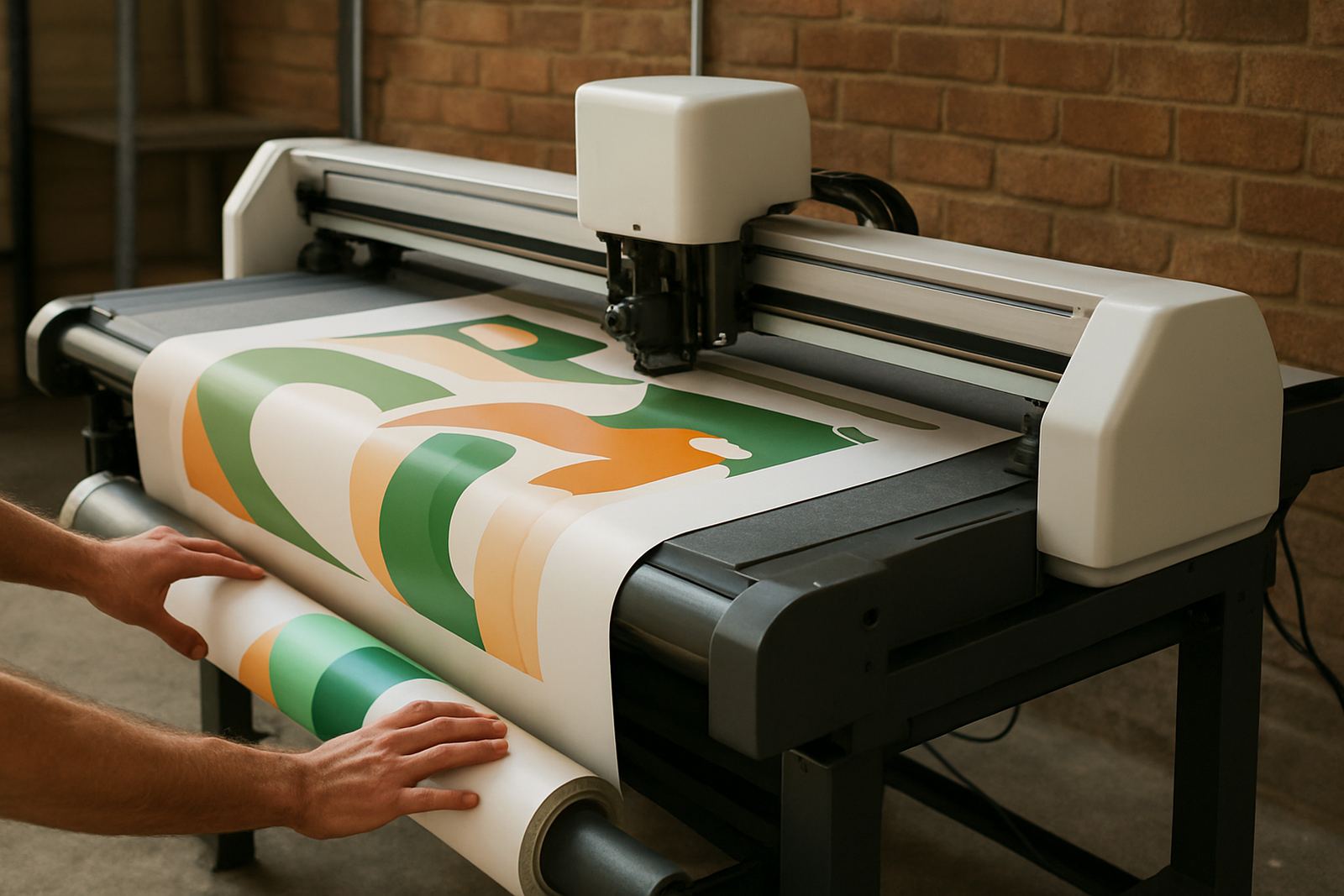
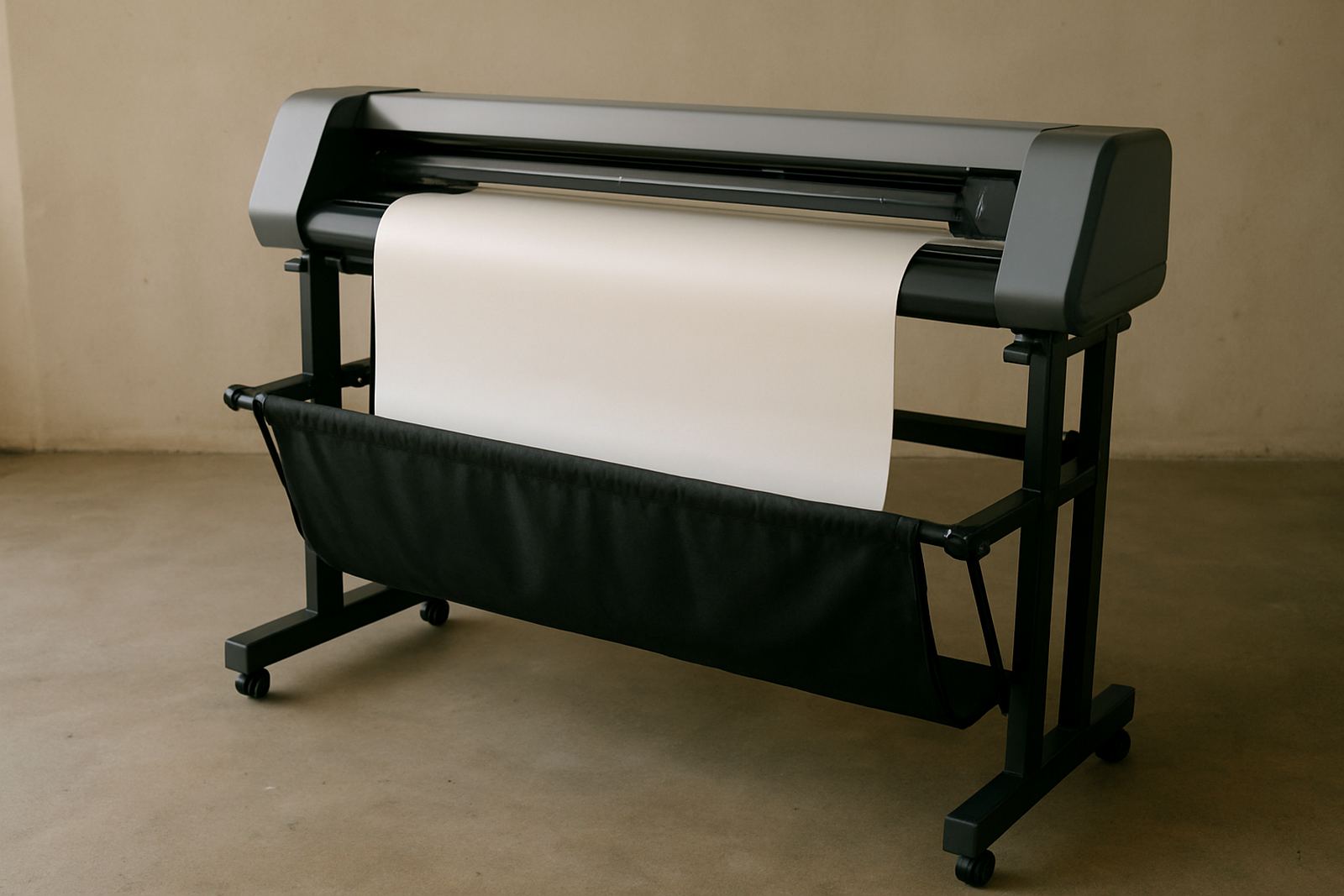
A roll feed cutter is made for work that comes off a roll and needs to be cut in long runs without constant stopping. It feeds the media through in a controlled way, keeps alignment steady, and follows cut paths for signs, stickers, decals, labels and branded graphics. For shops doing repeated jobs, it saves time and reduces hand trimming.
In practical terms, this suits busy print rooms, sign makers and in-house production teams that need neat edges and repeatable cuts. It is especially useful where operators are dealing with coated vinyl, PP media, self-adhesive stock, reflective films and other materials that can shift if the feed is not set properly.
Sizes, Feed Widths and Cutting Setup Options
We supply print-and-cut contour plotter systems in a range of working widths to suit different production volumes. The right size depends on the media width you use most often, the amount of trimming you want to avoid, and how much floor space you have in the production area. In many Johannesburg and Gauteng print rooms, the best fit is the machine that handles the widest regular job without wasting material.
- Compact units for smaller label and sticker runs
- Mid-width systems for everyday sign and promo work
- Wide-format roll feed systems for long graphics and batch jobs
- Options for manual or guided registration setup
- Output support for repeated cut paths and nested artwork
Some teams need a cleaner finish on intricate shapes, while others want faster throughput on large quantities. We help match the cutter to the volume, material thickness and workflow, so you are not overbuying or under-specifying the machine.
Where This Cutter Suits Best
This product suits businesses that produce stickers, promotional labels, packaging samples, decals, numbering, window graphics and short-run signage. It also works well for creative studios that run detailed artwork, where the cut must follow the print exactly and not wander on curved edges or small text.
It is a good fit for operations in Sandton, Midrand, Germiston, Boksburg and Randburg that need dependable output every week. Coastal clients also use these systems, but care must be taken with humidity and storage, because damp air can affect media curl and adhesive behaviour if stock is left open for too long.
- Sign shops handling mixed vinyl and sticker orders
- Print rooms doing repeat runs for retail and events
- Brand teams producing internal labels and markings
- Installers who need pre-cut components for site work
- Creative studios needing fine detail on smaller formats
Installation, Power and Site Requirements
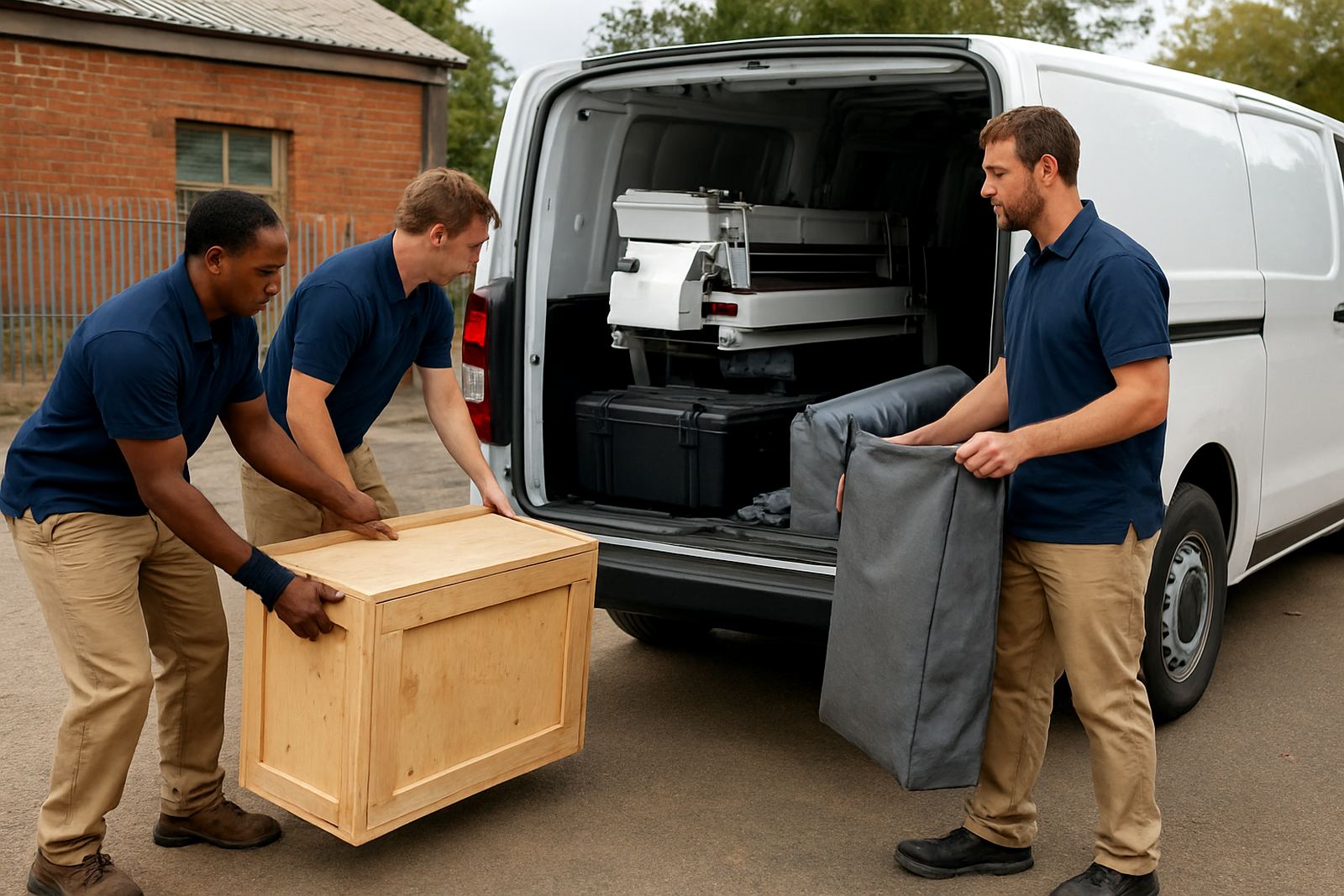
Roll feed cutter installations are handled nationwide, with our base in Isando, Johannesburg and support through Sandton, Midrand, Germiston, Boksburg and Randburg. Site checks should be done before install so the machine has enough space for feed in, feed out and operator movement. A level surface matters, because uneven floors can affect tracking and consistency over longer jobs.
Most units need standard electrical supply and a clean working area with controlled dust. No gas supply is normally required. In South Africa, load-shedding planning is important, so many operators keep their cutter on a protected circuit or backup power arrangement to avoid losing a job mid-run. The machine should also be placed away from direct sun and open doors where wind can lift lighter media.
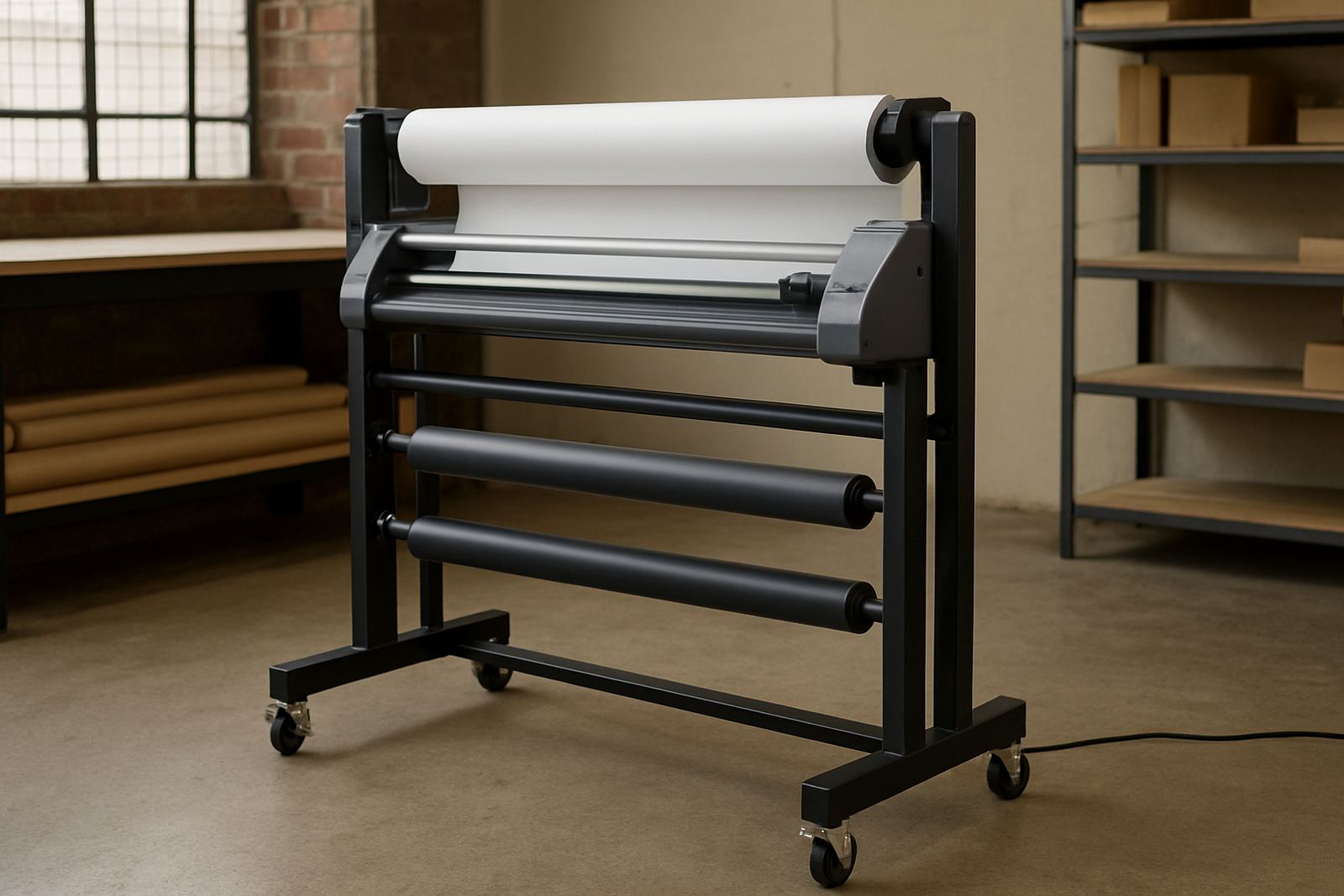
- Allow clear space for full roll input and finished output
- Keep power stable with surge protection and backup where possible
- Use a clean table or stand for loading and unloading media
- Plan around load-shedding if you run long unattended sequences
Care, Blade Checks and Servicing Intervals
Like any precision cutter, this equipment works best when the blade, rollers and feed path are kept clean. Dust, adhesive build-up and small scraps can affect cut quality over time. In busy production rooms, a short end-of-day clean saves trouble the next morning. Operators should check blade pressure, hold-down tension and registration settings before starting a batch, especially after changing media type.
We offer maintenance basics, troubleshooting sessions and supervisor coaching so your team can keep production moving. Training can include operator induction, artwork cut lines, media loading, registration calibration, production workflows and remote refresher support. If a job starts drifting or the media is slipping, it is usually better to stop and check the setup than push through and waste material.
For coastal or humid conditions, keep spare blades and media sealed. If your team handles many short runs, build a weekly service habit instead of waiting for a failure. That small routine prevents downtime and keeps cut quality more even, especially on fine details and narrow elements.
What To Check Before You Place an Order
Before ordering, confirm the widest roll you want to process, the materials you use most often, and the smallest detail you expect the cutter to hold. It also helps to know whether you need manual loading, registration support, or a higher-output setup for unattended work. If your artwork has small lettering or nested shapes, the machine must be matched to the level of detail, not only the roll width.
- Largest media width and typical roll length
- Material types, thickness and adhesive finish
- Daily or weekly output volume
- Space available for loading, cutting and collection
- Power availability and backup plan during outages
- Need for operator training, remote support or supervisor coaching
Our team, led by Sibusiso Nkosi with support from Lerato Mokoena, Johan van Wyk, Ayanda Dlamini, Nadia Jacobs, Thabo Molefe and Ridwaan Daniels, helps customers choose the right setup for their production needs. That includes practical advice on artwork prep, cut line setup and the way your team will use the machine day to day.
Key facts
| Product type | Continuous-feed roll cutter for print-and-cut production |
|---|---|
| Typical media | Rolled vinyl, sticker stock, labels, decals, reflective films and similar flexible materials |
| Working widths | Available in compact, mid-width and wide-format options depending on production need |
| Power | Standard electrical supply with surge protection recommended |
| Installation | Nationwide install and setup from Isando, Johannesburg |
| Support | Operator training, calibration, maintenance basics and troubleshooting assistance |