Start with the real job, not the machine
Before you price a cutter, list the work you need done each month. A shop doing steady repeats for vehicle lettering, safety labels or promo stickers has different needs to a studio that only needs short runs now and then. If your work changes weekly, buying may lock you into a setup that is too fixed for the job.
As a rule, buying starts to make sense when cut work is regular, the artwork is repeatable, and you have someone who can handle media loading, blade pressure setup and registration calibration without wasting material. If the work is ad hoc, or your team is already stretched, a cutting service usually costs less in the real world.
- Count how many cut jobs you do per week
- Measure the average run size in metres or sheets
- Check if the artwork repeats or changes often
- Decide who will run the machine on busy days
When buying a cutter makes financial sense
Owning a cutter suits businesses with predictable output and a clear return path. If you are cutting daily for signage, packaging samples, labels or in house branding, the machine can save time and reduce waiting on outside suppliers. It also helps when jobs need quick turnarounds, especially in Johannesburg where same day delivery can matter.
A cutter can be a good fit if your team can keep production moving through load-shedding, manage spare blades, and maintain clean media storage in a dusty or humid area. In coastal towns, moisture affects vinyl and liners, while inland heat can make media curl if it is stored badly. That sort of practical detail matters more than a brochure spec.
- You have enough monthly volume to keep the machine busy
- You can train one or two operators properly
- You need repeatable output and tighter turnaround times
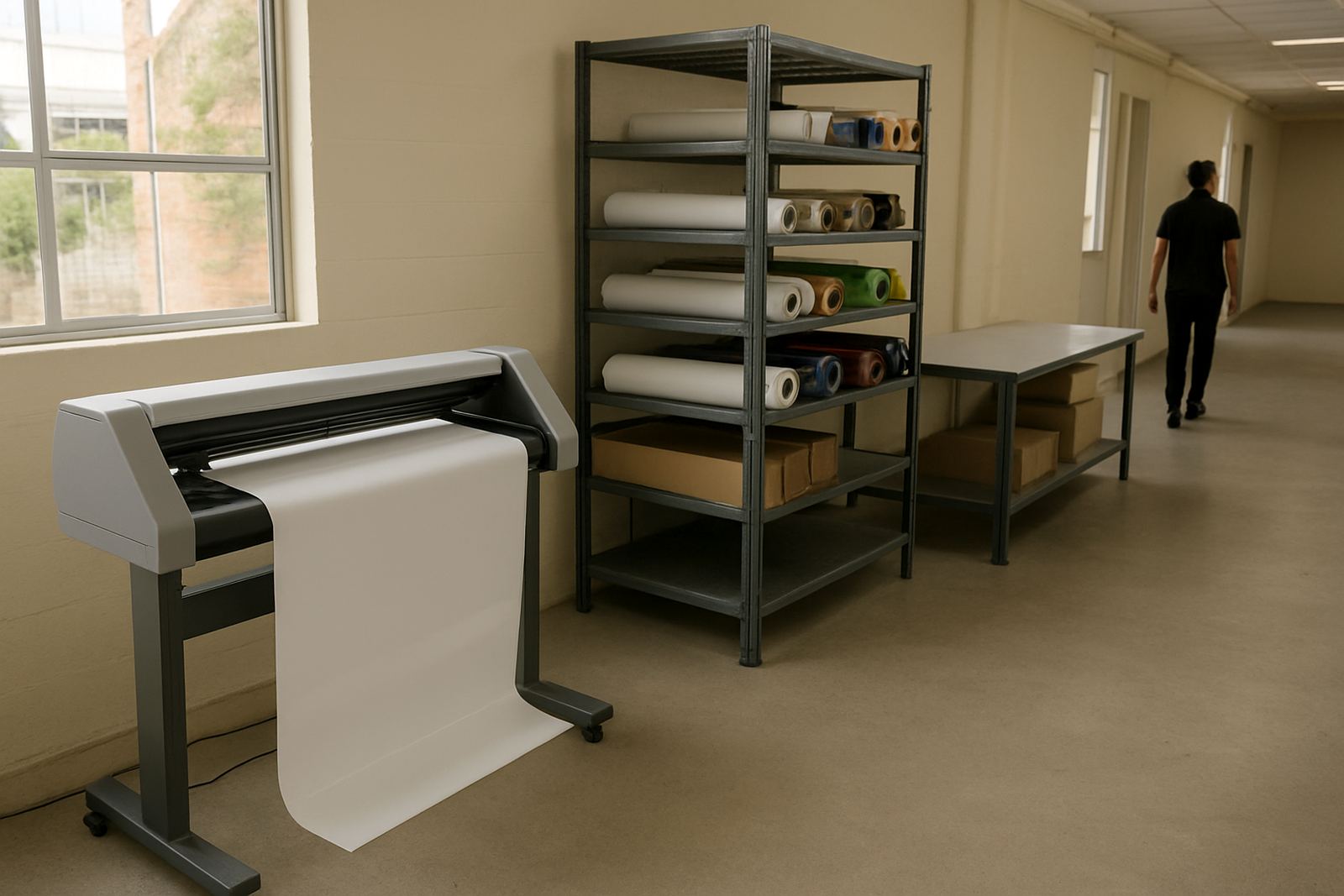
- You have space for rolls, offcuts and a safe work area
When a cutting service is the better choice
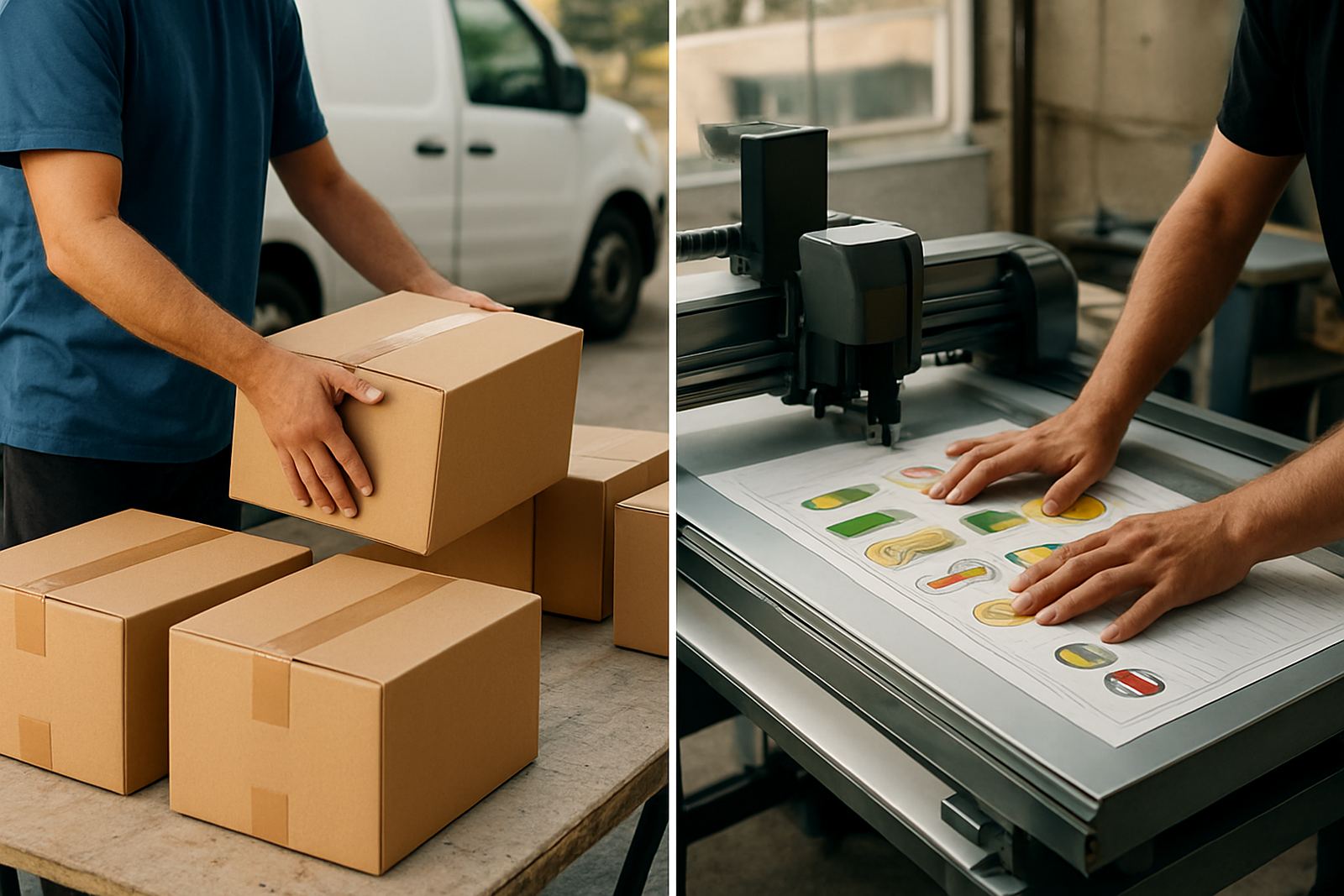
A cutting service is often the smarter option for smaller teams, new businesses, or anyone who only needs cut graphics from time to time. You avoid the upfront cost of the machine, the learning curve, blade replacement and the risk of downtime. You also do not have to worry about keeping the machine busy just to justify it.
This works well for creative agencies, sign shops taking on overflow, event firms, and businesses that need clean production without setting up their own cutter room. If your jobs come in bursts, or the artwork needs careful setting up before every run, paying for the service can be far more practical. It also helps when staff turnover is high and training time is limited.
- Use a service when jobs are irregular or seasonal
- Choose a service if you lack a trained operator
- Choose a service if you want to avoid repair risk
- Choose a service if storage and floor space are tight
A simple decision checklist before you spend
Work through these questions before you buy. If you answer yes to most of them, owning a cutter starts to look sensible. If not, outsourcing will likely save money and headaches.
- Do we have consistent cut volumes every month?
- Can we keep the machine supplied with suitable media?
- Do we have a clear operator, or a backup if they are off sick?
- Can we service basic faults without stopping production for days?
- Will the machine still be useful in 12 to 24 months?
If you are unsure on two or more of these points, a service trial is often the safest next step. It lets you test artwork cut lines, registration accuracy and turnaround without committing capital too early.
What support matters after the sale
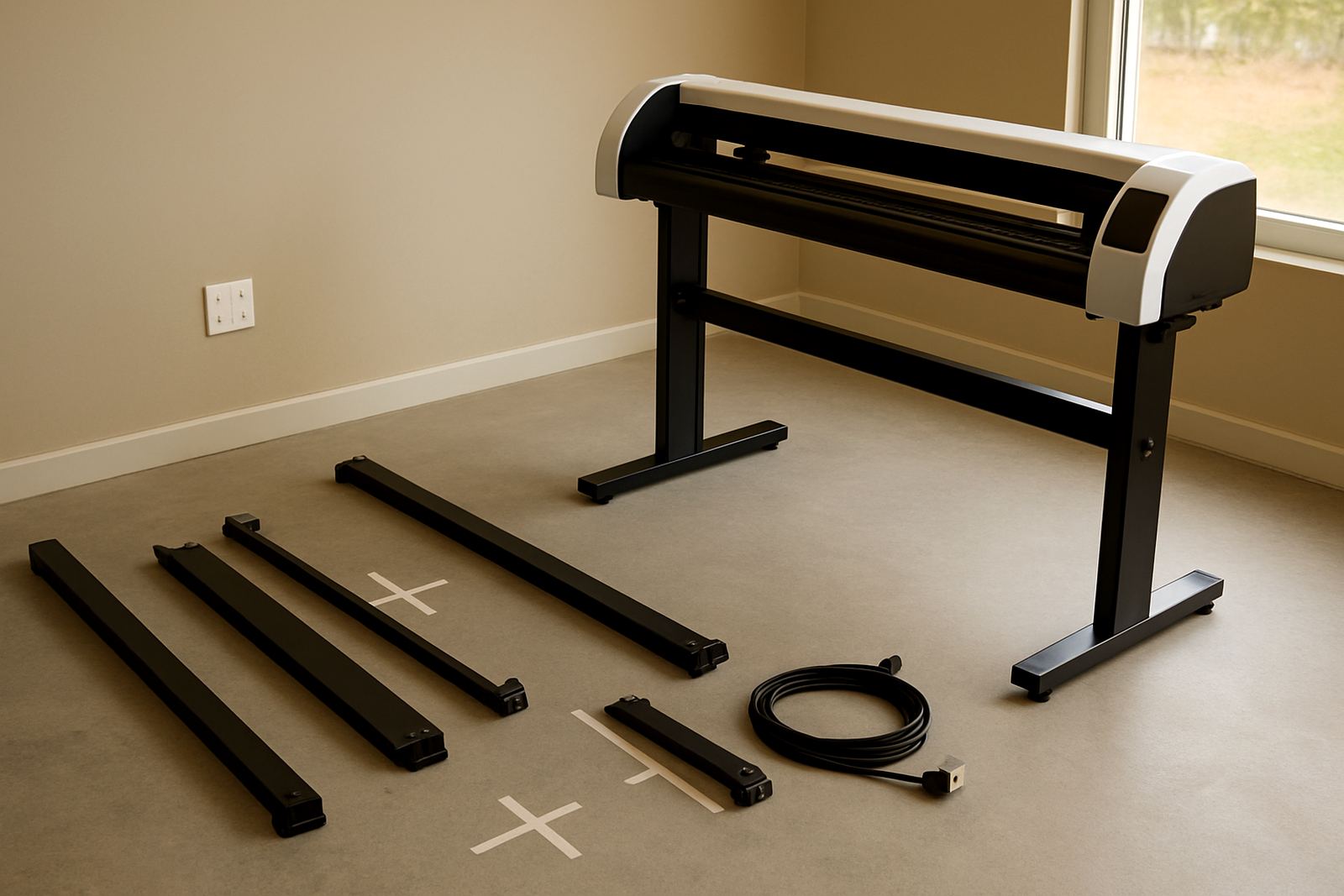
The machine itself is only part of the decision. The bigger issue is whether your team can use it properly after install. At Contour Cutting, support can include operator induction, artwork cut lines, media loading, blade pressure setup, registration calibration, production workflows, maintenance basics, troubleshooting session, remote refresher and supervisor coaching. That support matters in busy production rooms where one small setting can waste metres of material.
For national cutter installs, it helps to have local support touchpoints in Isando, Sandton, Midrand, Germiston, Boksburg and Randburg, especially if you need follow-up after the first week. In practice, good training reduces scrap, limits stoppages during load-shedding, and helps your team keep production moving without panic.
A practical way to compare service cost and ownership
Do a 12 month comparison instead of looking only at the purchase price. Include the cutter, installation, blades, training, maintenance, scrap material, operator time and downtime. Then compare that total with the annual cost of using a cutting service for the same volume.
If you run low volumes, the service route often wins because you pay only for the work you need. If your volumes are steady and your turnaround times are tight, ownership can win, but only if the machine is properly used. A cutter that sits idle is expensive. A cutter that is set up badly is even more expensive, because every bad registration or dull blade costs you stock.
- Machine price
- Install and training
- Blades and consumables
- Power interruptions and restart time
- Waste from miscuts or poor setup
If you are still unsure, test the workflow first
The safest path is often to test the process before buying. Send a typical job through a cutting service and see how long artwork prep takes, how the material behaves, and how much back and forth is needed. That gives you a real view of what your internal team would face every day.
If the job repeats cleanly, arrives in regular batches, and your team can commit to training, then a cutter may be worth it. If the work is mixed, short run, or tied to deadlines that move every week, keeping the cutting outsourced is usually the better commercial choice. Either way, the decision should be based on volume, labour and control, not just the idea of owning equipment.