What a Window Film Cutter does on site
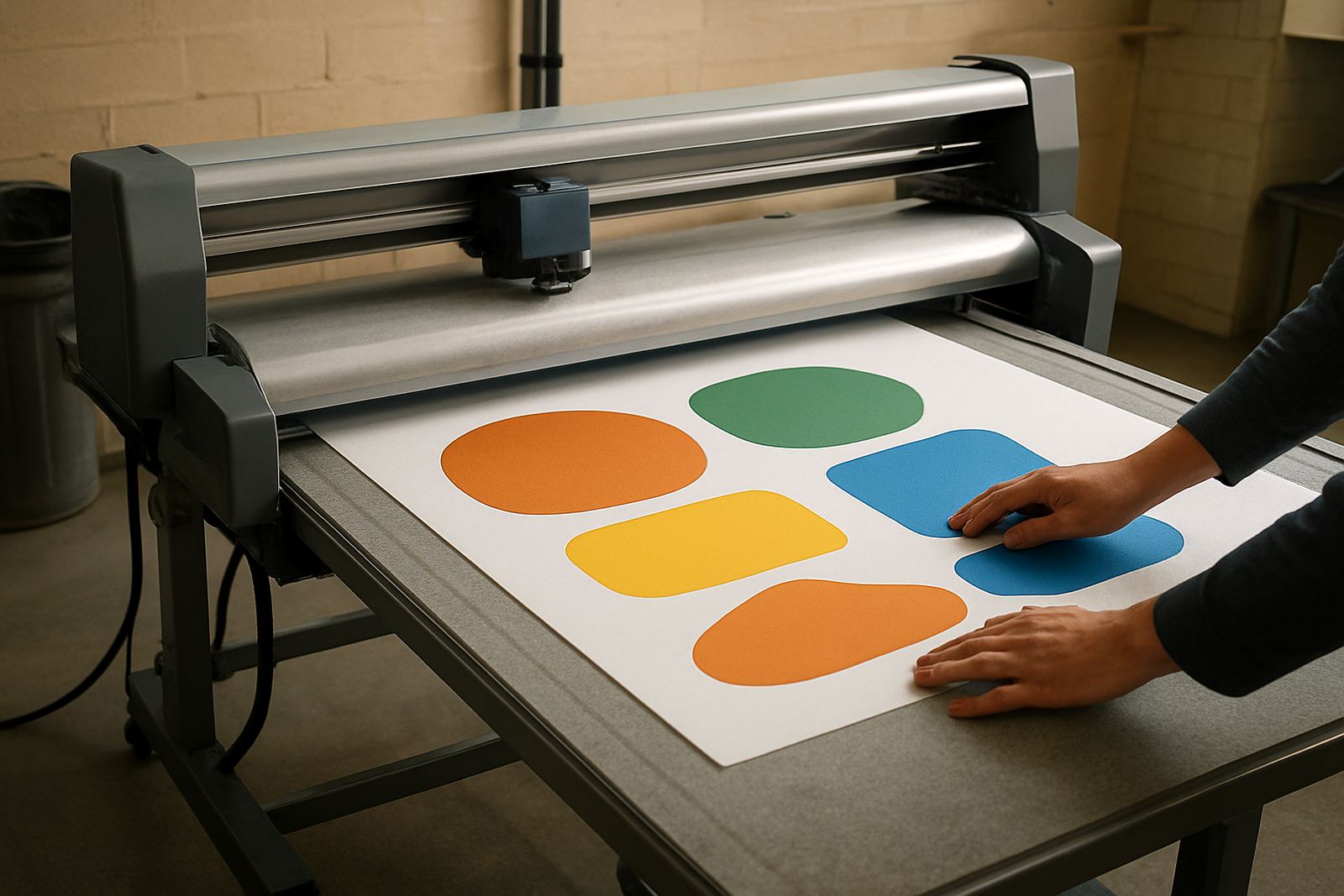
This cutter is set up for thin films used on glass, from frosted privacy patterns to small branding panels and directional strips. It handles neat contour work so installers can match glass sizes, door panels and shaped inserts without hand trimming every job.
For businesses in Johannesburg, Pretoria, Durban and coastal towns, the value is in repeatability. You cut the same lettering, logo or pattern again and again with the same finish, even when the job queue is busy and the power is not always steady.
Sizes and setup options for different work volumes
Window film cutters are commonly supplied in working widths from 600 mm up to 1 370 mm, with table or stand mounting depending on space. Smaller units suit shop fronts and short runs, while wider machines are better for full glass panels, larger branding strips and fitted privacy screens.
- Working width: 600 mm, 900 mm, 1 200 mm or 1 370 mm
- Media thickness: thin adhesive film, standard vinyl and light laminate film
- Feed method: roll fed film or sheet fed pieces
- Drive: stepper or servo driven, depending on duty cycle
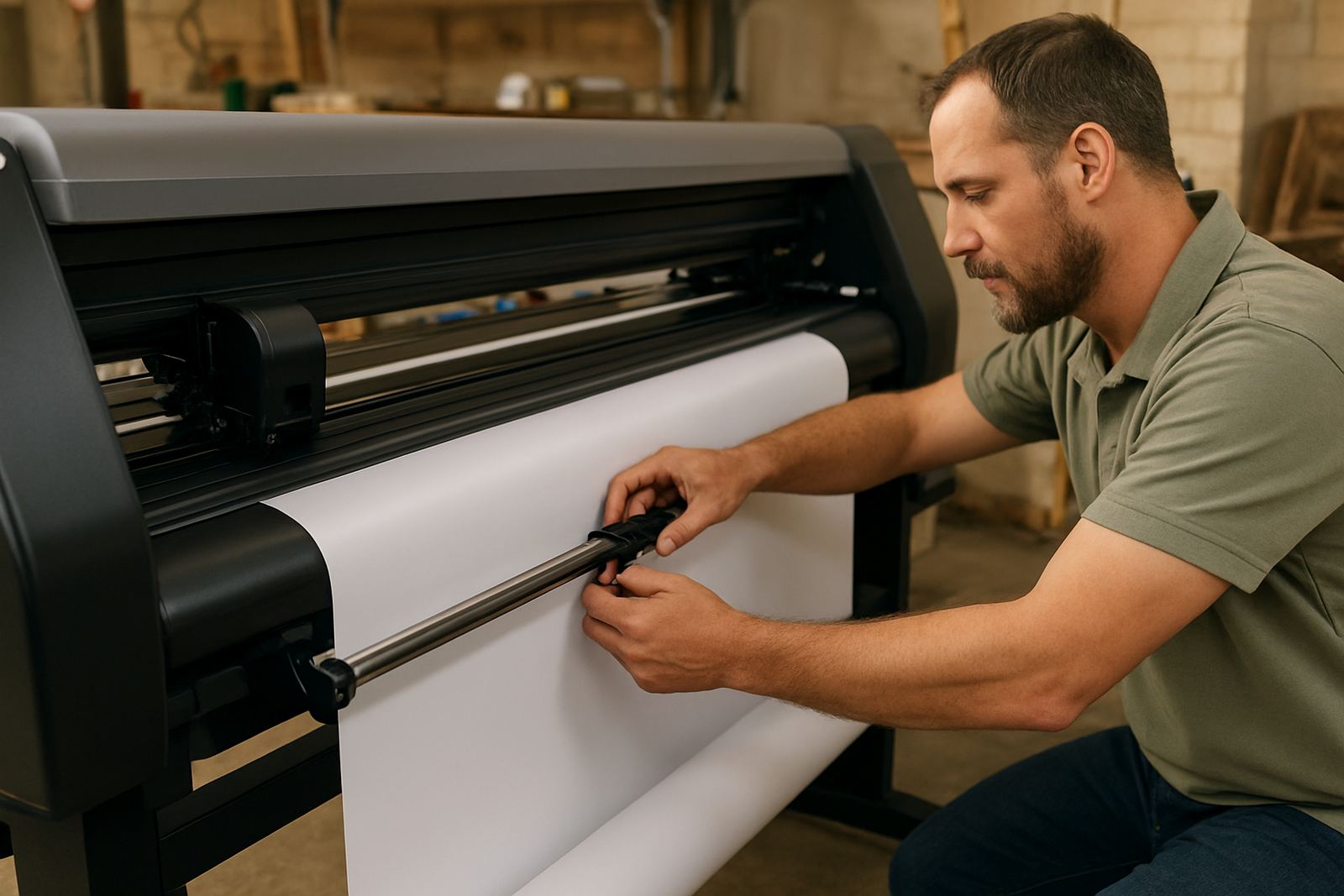
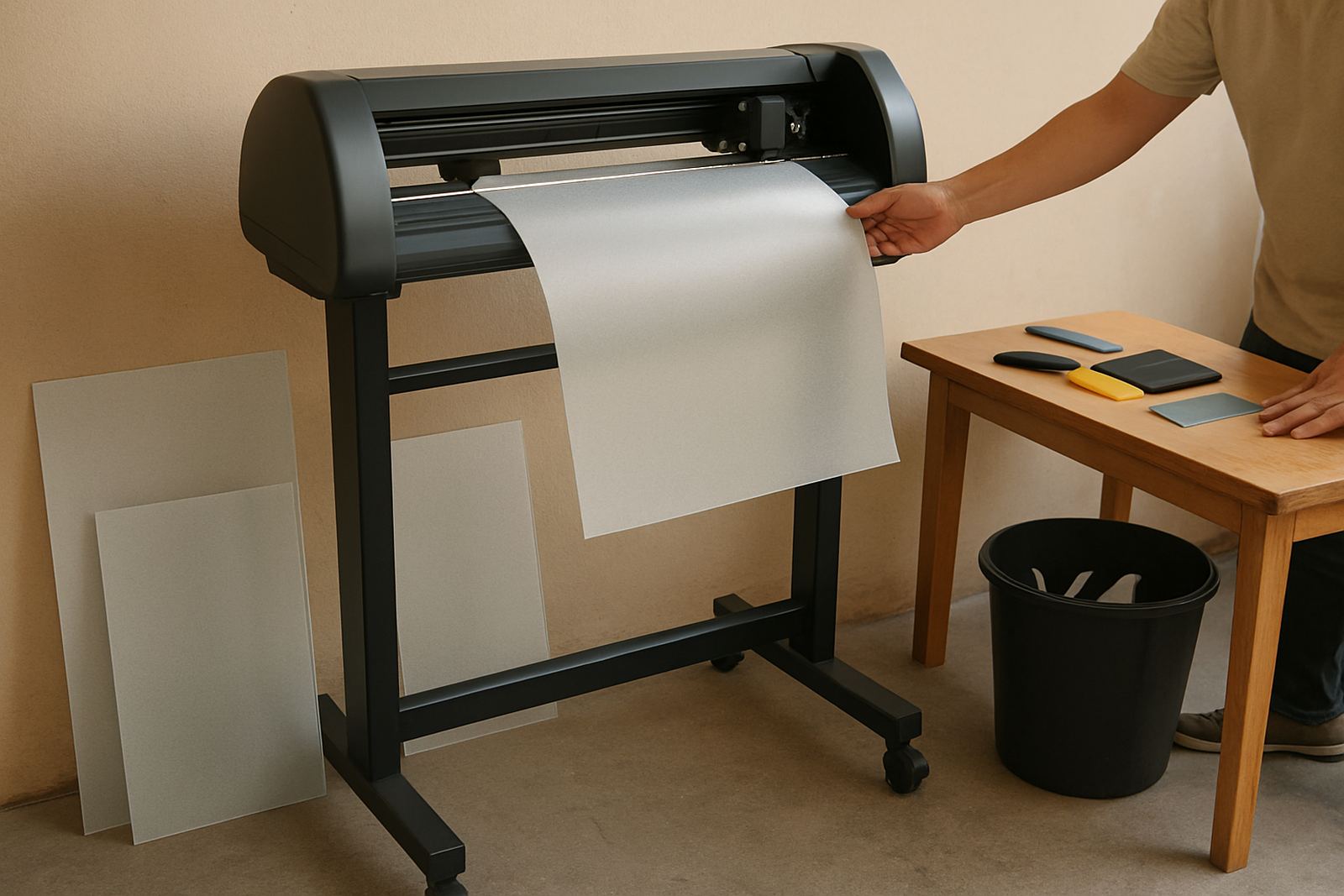
- Stand option: floor stand with take up support for longer runs
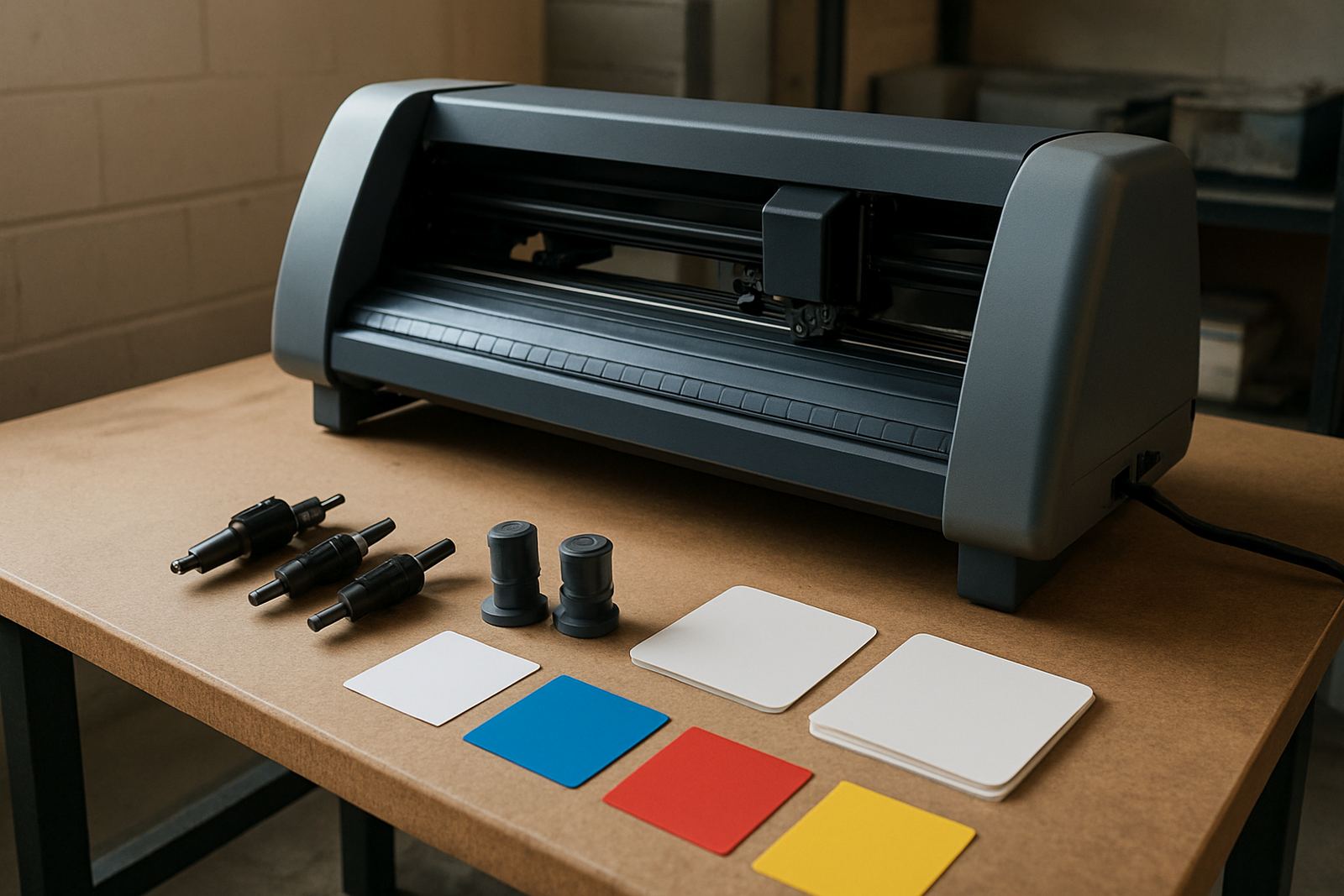
If you need a cutter for a small production room, the compact setup saves floor space. If you run a sign shop or fitment team with daily orders, the wider format gives more room to work and reduces joins.
Where this cutter fits best
The machine suits privacy film installers, sign makers, glass graphic suppliers and franchise teams that need neat glass-facing work. It is also a good fit for corporate branding, office partition film, retail window promos and schools or medical rooms that need controlled privacy without heavy printed panels.
- Shopfront branding strips and sales promos
- Office and clinic privacy film
- Meeting room glass markings
- Directional arrows and safety notices
- Decorative frosting patterns for homes and showrooms
Because glass jobs are often measured in millimetres, the cutter must keep consistent registration. That matters when you are fitting along a frame, around handles or next to existing tint, because a small shift can show up immediately once the film is applied.
Installation, power and workspace needs
Most Window Film Cutter installations need a level surface, a clean dust free room and enough room for roll feed, output and operator movement. A 220 V single phase supply is typical, with a grounded plug point close by. For areas with load shedding, a suitable inverter or UPS can protect the control system and keep the job in progress from being lost mid cut, which saves time and waste.
No gas supply is needed. The main requirement is stable power and a clean environment. In humid coastal areas like Durban or Gqeberha, keep film rolls sealed and store blades properly, because moisture can affect adhesive handling and edge quality. In dusty industrial areas around Isando and Germiston, regular cleaning makes a real difference.
- Power: 220 V single phase, grounded
- Floor space: allow room for roll loading and unloading
- Environment: dry, dust controlled workspace
- Support: network or USB connection depending on model
Cut quality, training and day to day care
Good cut quality starts with the right blade pressure, correct media loading and clean artwork cut lines. Our team can assist with operator induction, media loading, registration calibration and production workflow setup, so the machine is ready for proper use and not just switched on and left to guess work.
Routine care is simple but must be done often. Clean the feed area, check blade wear, confirm pinch rollers are free of dust and keep the cutter in a steady position. A quick inspection before the first job each morning helps avoid lifted corners, drag marks and missed cuts.
- Wipe dust from rails and rollers daily
- Replace blades when edges start to fray
- Check cutter pressure after changing film type
- Keep spare pinch rollers and blades on hand
- Run a test cut before longer production runs
What to check before you place an order
Before ordering, confirm the widest glass panel you need to cut, the type of film you use and whether you need printed registration support or straight cut work only. If your team does both privacy film and branded glass graphics, ask for a model that can handle repeated short runs as well as longer production shifts.
It also helps to check who will be using the cutter. A production supervisor may want faster set up and more control, while a new operator may need guided training on blade pressure, cut lines and maintenance basics. If you work across Sandton, Midrand or Boksburg, keep after sales support and service access in mind so downtime stays limited.
- Largest cut width needed
- Type of film and liner used
- Daily volume and shift length
- Need for remote support or onsite install
- Available power point and backup power
Local support from Isando to sites nationwide
Contour Cutting is based in Isando, Johannesburg, with support across Sandton, Midrand, Germiston, Boksburg and Randburg. Cutter installs can be arranged nationwide, and technical help is available for setup, training and troubleshooting when the job needs to keep moving.
For quotes or product checks, email cut@contourcutting.co.za. If you are comparing cutters for privacy film, branding strips or custom glass work, the team can help you match the machine to your output, not just the brochure spec.
Key facts
| Product type | Dedicated cutter for privacy film, branding strips and glass graphics |
|---|---|
| Working widths | 600 mm, 900 mm, 1 200 mm and 1 370 mm options |
| Power | 220 V single phase, grounded supply |
| Media | Thin adhesive film, standard vinyl and light laminate film |
| Connection | USB or network connection depending on model |
| Support | Operator induction, calibration, maintenance basics and troubleshooting |