Built for bigger sticker runs and cleaner finishes
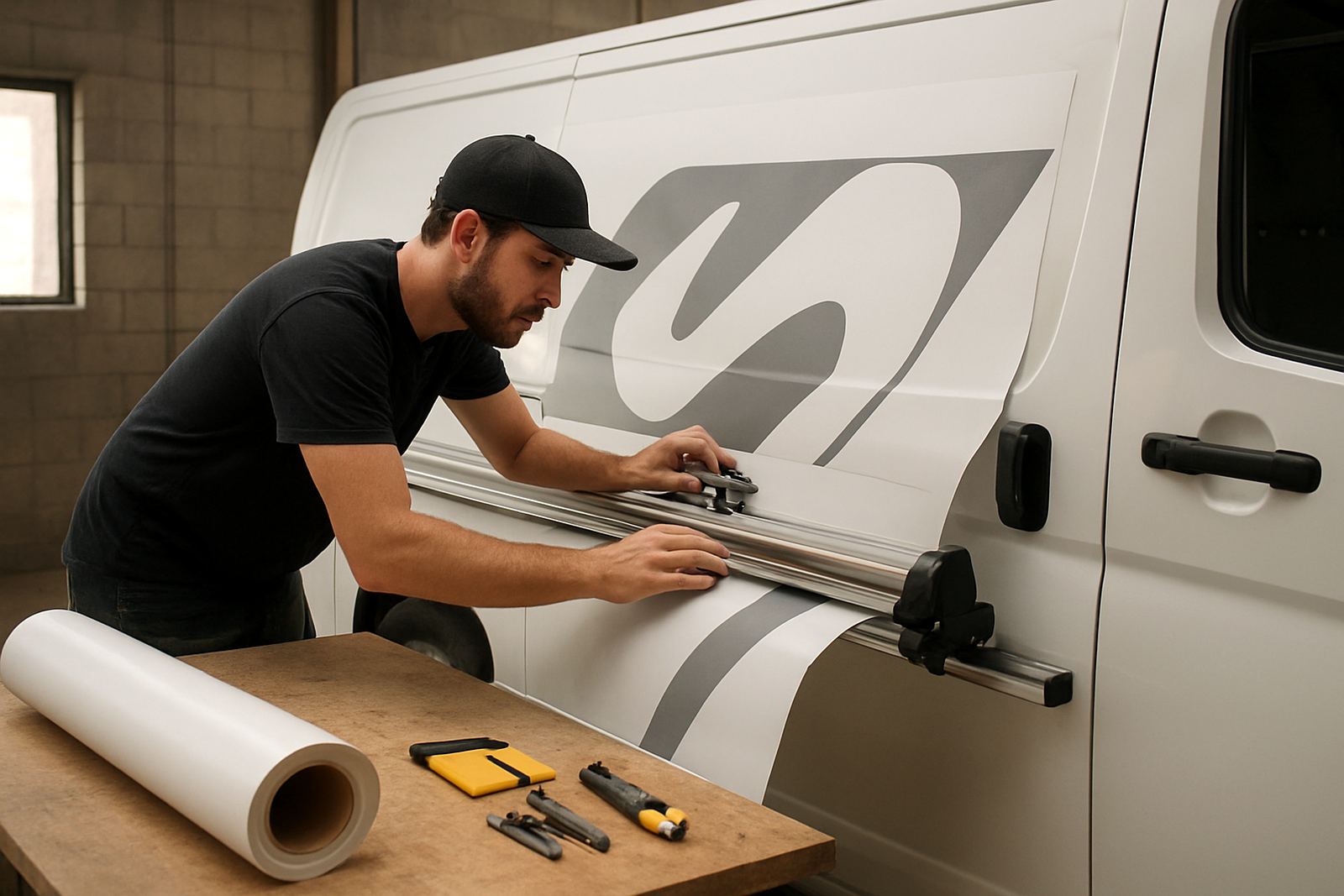
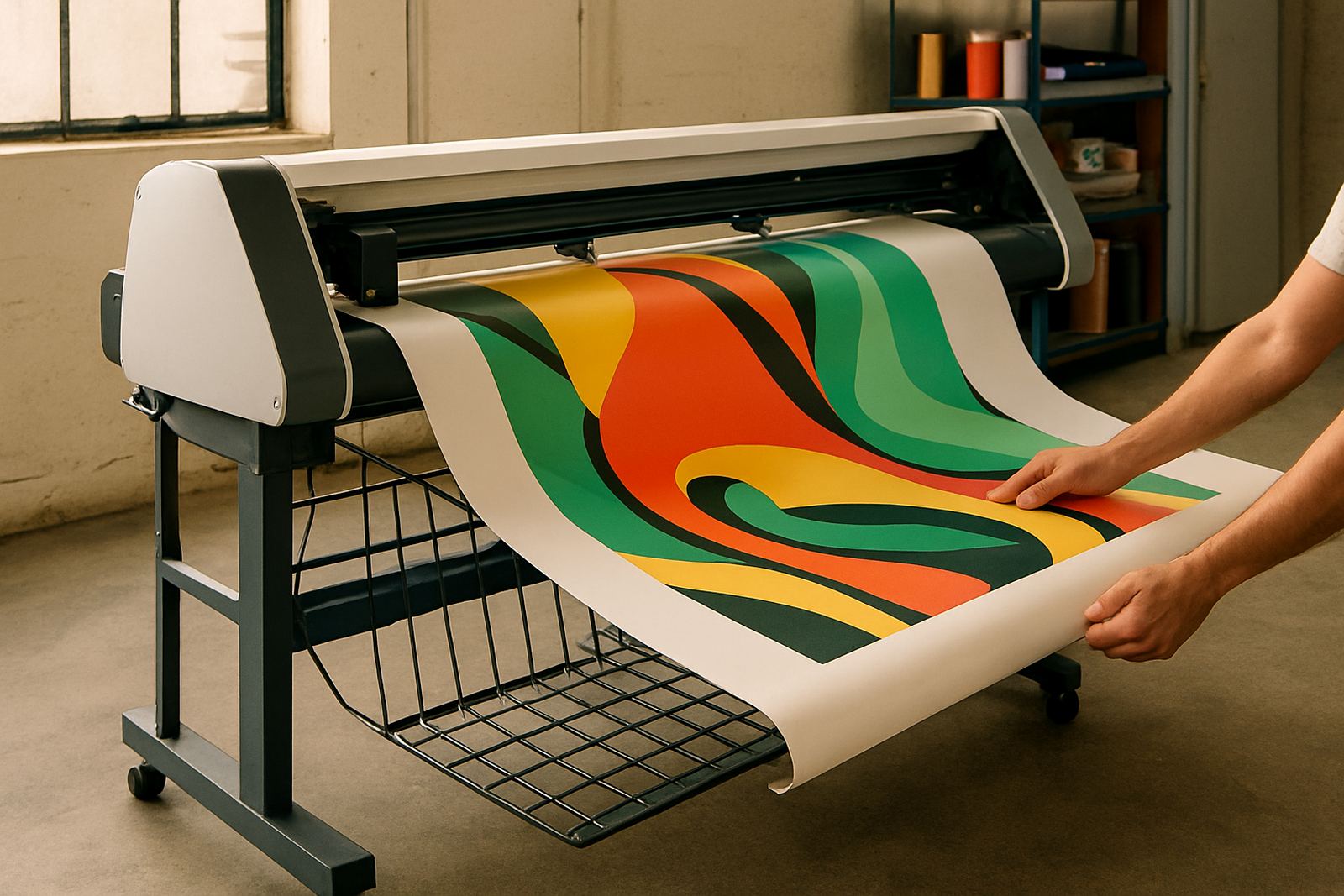
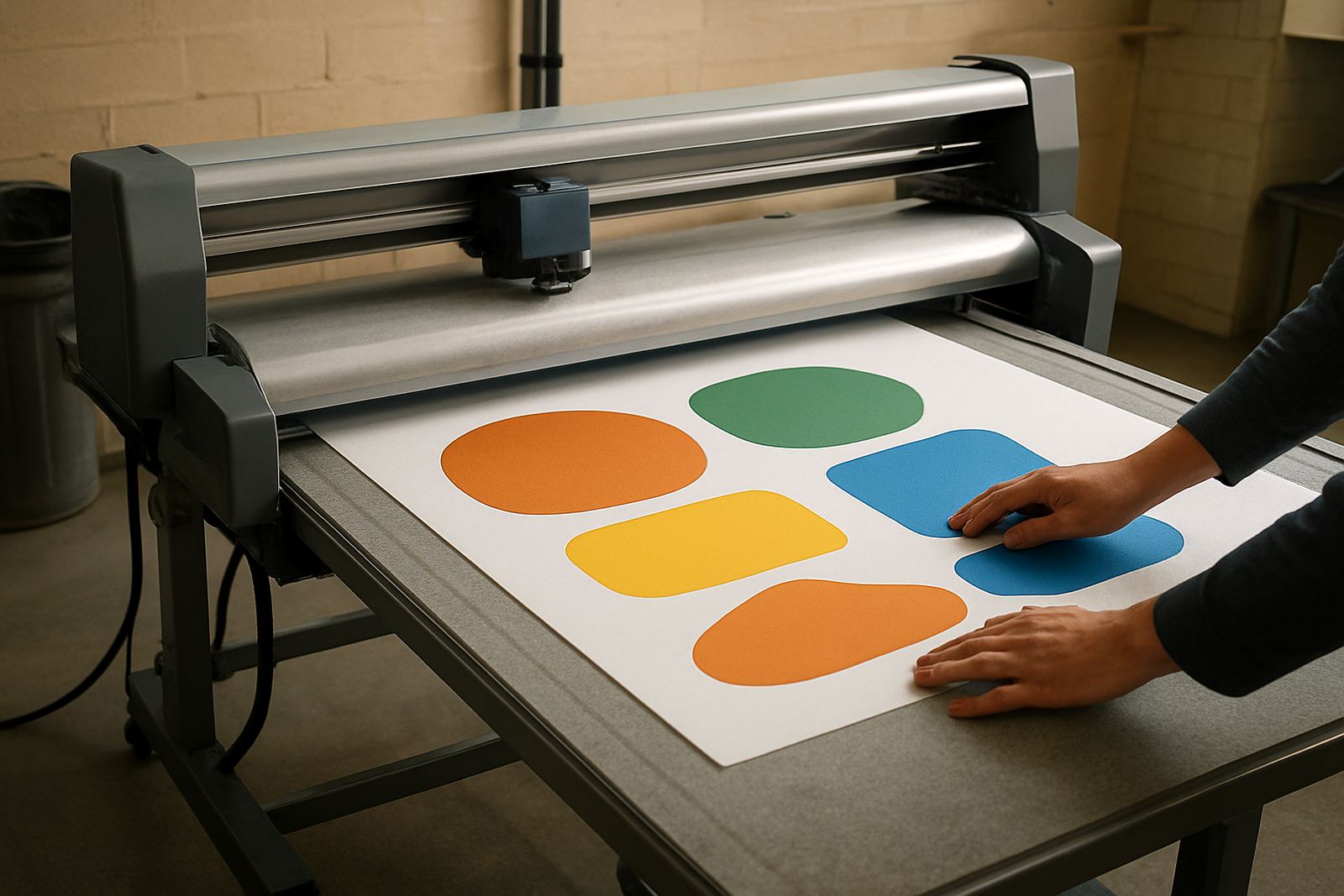
The Stickerline 1500 is made for businesses that cut beyond small label work. With a 1 500 mm class cutting width, it handles wide sticker sheets, long decal panels and campaign graphics that need accurate contour cutting after printing. It is a practical fit for sign shops, in-house marketing teams and print rooms handling retail promotions, event graphics and branded floor stickers.
It is especially useful where repeat cuts must match the printed outline closely, even on detailed shapes. That makes it a good choice for window graphics, promotional packs, product stickers and short-run custom jobs. If your work changes often, the machine gives you enough width and control to manage mixed production without constantly breaking sheets down smaller.
For many Gauteng shops, that extra width saves time on nesting and finishing, and it helps when orders come in on tight lead times. In our experience, teams often use the 1500 size for jobs that were previously split across two machines or handled by hand with too much waste.
Spec range and size options to plan around
Before ordering, it helps to match the cutter to your media size, workflow and floor space. The Stickerline 1500 is suited to larger-format print and cut work, but it still needs careful room planning so operators can load material square and remove finished pieces without bending corners.
- Cutting width: up to 1 500 mm class media
- Typical use: sticker sheets, floor decals, retail graphics and panel decals
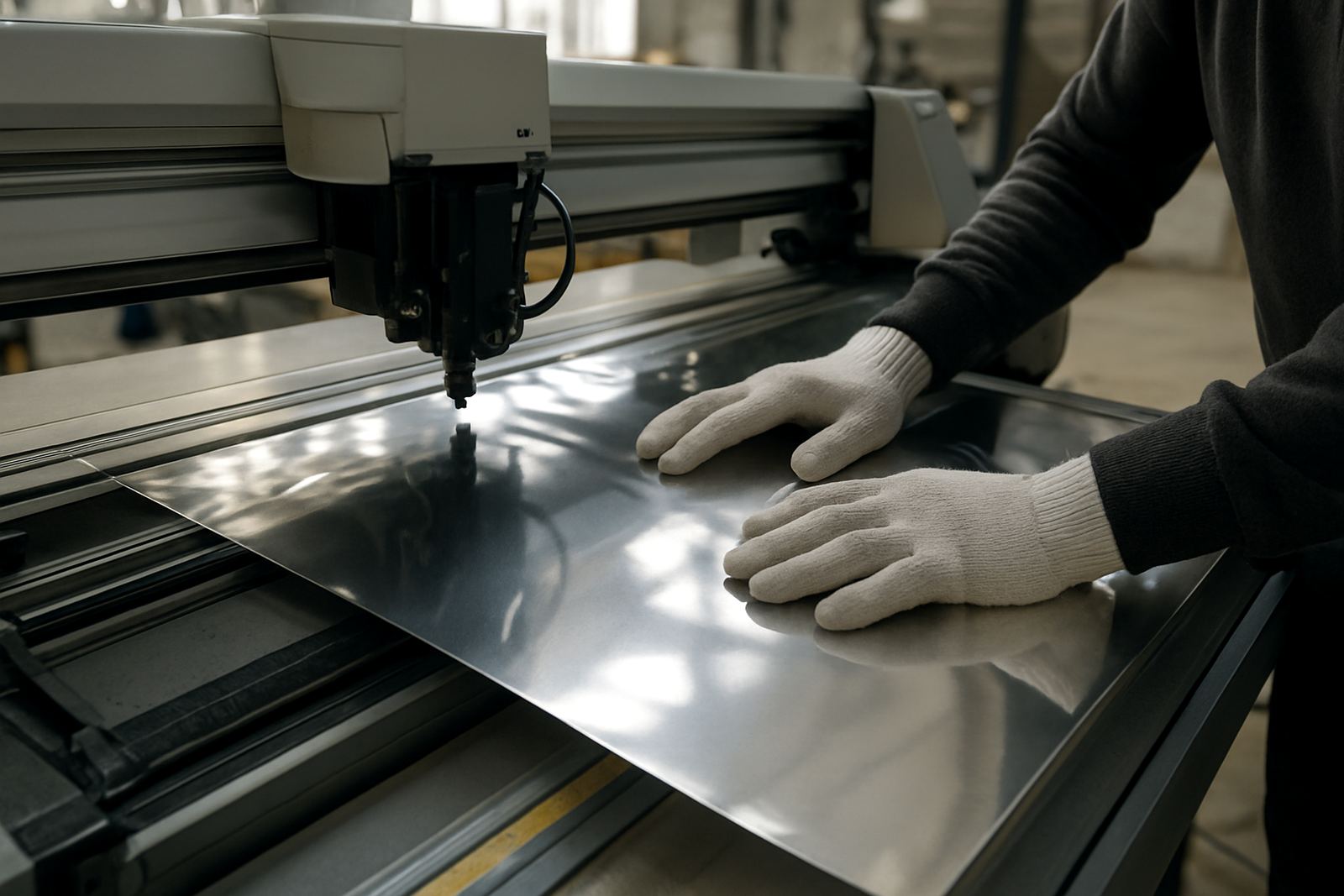
- Media types: vinyl, printed self-adhesive media, laminated sheets and light reflective films
- Cut control: contour tracking for printed registration marks
- Operator setup: adjustable blade pressure and speed settings
- Workflow fit: short-run jobs, repeat batches and mixed artwork production
If you are comparing options, ask about the sheet size you normally print, the widest job you expect to run, and whether you need stand alone operation or a cutter that sits into a larger print room process. Those details matter more than brochure figures when the machine is being used every day.
Where it suits best in South African production
The Stickerline 1500 suits shops in Johannesburg, Sandton, Midrand, Germiston, Boksburg and Randburg that need reliable output for customer orders and in-house branding work. It also works well for cutters going into Durban, Cape Town, Gqeberha and inland towns where access to a service team must still be straightforward.
Because the unit is aimed at production work, it is a good match for companies that need consistent cuts on retail promotions, estate agent boards, shopfront graphics, school events and branded floor markings. Coastal humidity can affect some self-adhesive materials, so it is worth storing media flat and letting prints acclimatise before cutting. In dry inland rooms, static and dust can become the bigger issue.
For load-shedding, a stable power setup is important. A small UPS or inverter line for control electronics can help with safe shutdowns and reduce re-setting after an outage, although the cutter itself does not need gas or compressed air. It is a straightforward electric machine, not a specialty utility install.
Installation, power and day-to-day setup
We install cutter systems nationwide and help with commissioning on site or by remote session where the setup is simple. The machine should sit on a stable level surface, with enough clearance for loading, take-up handling and safe operator movement. If the cutter is placed too tight against a wall, accuracy usually suffers because media does not feed cleanly.
- Power: standard single-phase electrical supply is typically sufficient
- Gas: not required
- Air: not required for normal operation
- Floor space: allow room for the cutter body, operator access and media feed lengths
- Environment: keep away from high dust, open windows and damp storage corners
- Support: installation, registration calibration and workflow setup available
Our team in Isando assists with media loading, blade pressure setup, registration calibration and production workflow checks. For new operators, a correct first setup saves a lot of time later on and avoids wasted sticker stock, which gets expensive quickly on larger sheets.
Care, servicing and keeping cut quality consistent
Cut quality depends on clean blades, correct pressure and regular checks on tracking and rollers. A machine can run well for a long time, but only if operators do the simple bits properly and do not push worn consumables too far. Dust, vinyl scraps and adhesive build-up can all affect the final edge.
Basic care should include wiping down the cutting path, checking blade wear, confirming registration marks are read clearly and making sure media is loaded square before each run. If the machine starts cutting too deep, lifting corners or leaving small tags uncut, the issue is usually setup rather than the whole system. That said, a service call is worth it when the fault keeps coming back.
We provide maintenance basics, troubleshooting sessions, remote refresher support and supervisor coaching. Teams in active production often book a follow-up after a few weeks, once real jobs have highlighted the weak spots in the process. That usually gives the best result, because the questions are specific and the operator has real examples to work with.
What to confirm before you place an order
Every cutter order should be matched to the work you actually produce, not only the widest sheet on paper. If you are ordering the Stickerline 1500, check the dimensions of your most common jobs, how many sheets you cut per shift and whether operators will use one machine or rotate across several. Small details can change the right spec by quite a bit.
- Maximum print width and usable cut width needed
- Typical media thickness and whether you laminate before cutting
- Registration method used on your printed jobs
- Daily volume and average shift length
- Operator experience level and training needs
- Available power, table space and access for installation
If you have floor graphic work or retail campaigns on the books, tell us the panel sizes and the turnaround time you are working to. We can then advise whether the 1500 is the right fit, or whether your process needs a different media handling approach. It is better to check this upfront than to find out after the first busy week.
Local support from Isando to nationwide install sites
Contour Cutting is based in Isando, Johannesburg, with support reach into Sandton, Midrand, Germiston, Boksburg and Randburg. The team is led by Sibusiso Nkosi, with operations, technical and training support handled by staff who understand production pressure and practical installation issues. When a cutter is going into a live print room, we know there is usually no spare day to waste.
We support operator induction, artwork cut lines, production workflows and troubleshooting sessions, and we can also arrange remote refresher training for teams outside Gauteng. For businesses that need the machine to earn its keep from day one, that combination of install help and follow-up makes a real difference. If you need the cutter set up properly, not just dropped off, that is the point of contact to use.
Key facts
| Product | Stickerline 1500 broad-format cutter |
|---|---|
| Cutting width | Up to 1 500 mm class media |
| Media types | Vinyl, self-adhesive prints, laminated sheets, light reflective films |
| Power | Standard single-phase electrical supply |
| Gas or air requirement | Not required |
| Best suited for | Sticker sheets, floor graphics, retail campaigns and custom decals |