What a vehicle graphic cutter does in daily production
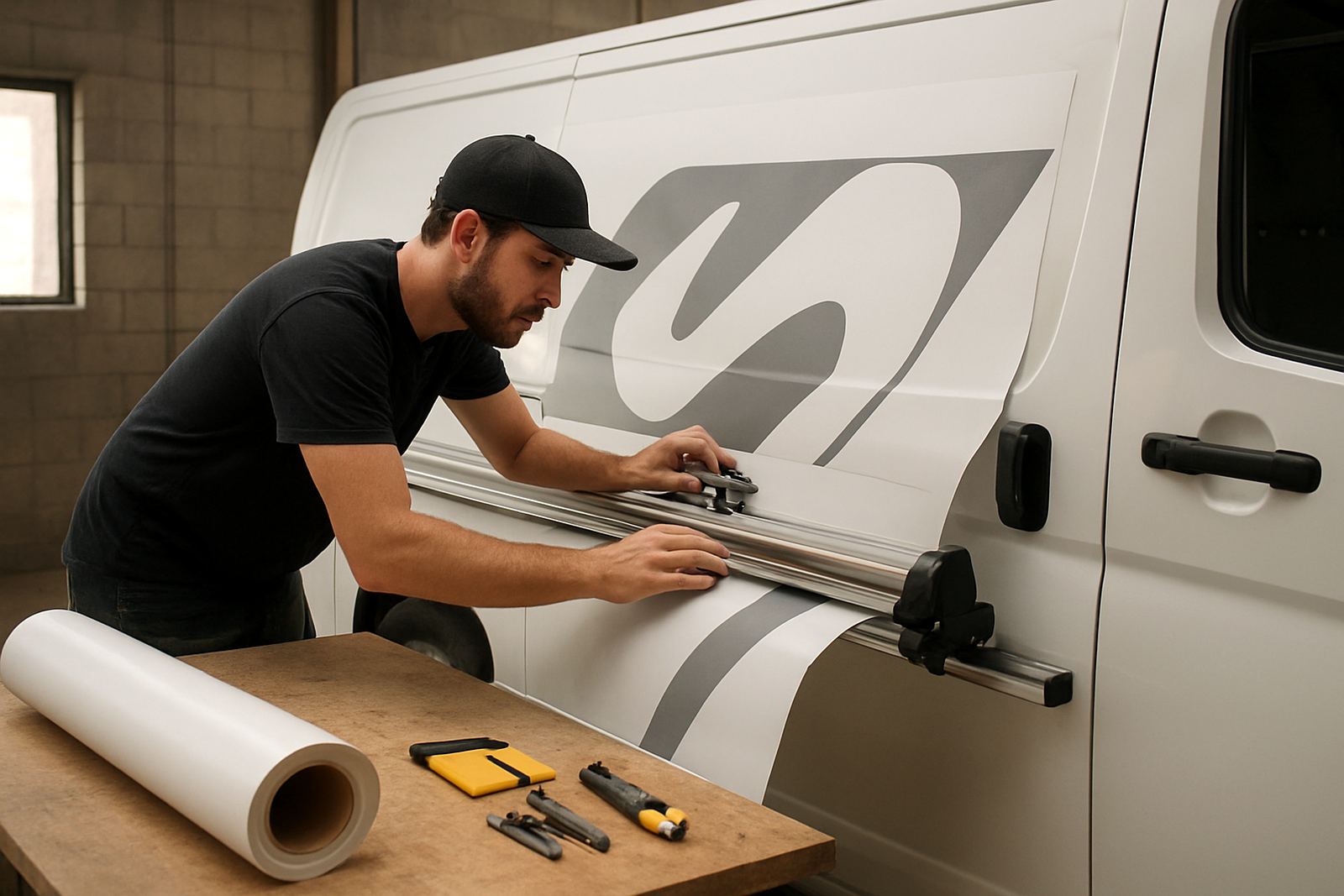
This machine is made for cutting printed or plain vinyl into the shapes needed for vehicle branding. That can mean long side stripes, door logos, fleet numbers, reflective chevrons, full contour-cut decals and small detail work around badges, handles and wheel arches. The longer track and stable feed help keep the material moving straight, which matters when you are cutting metre after metre for a municipal fleet or courier company.
For many shops, the value is not only the cut quality but the repeatability. Once the blade pressure, offset and registration are set, the cutter can keep pace with production work without constant re-adjustment. That saves time on a busy floor, especially when orders come in with tight handover dates and the installer is waiting for finished graphics.
- Suitable for fleet decals and service vehicle branding
- Handles long graphics for bakkies, panel vans and trucks
- Useful for contour-cut printed stickers and reflective vinyl
- Supports workshop output where accuracy is needed across multiple units
Sizes, tracking length and cutting widths to look at
Vehicle graphic cutters are usually chosen for their usable width, not just the overall frame size. A narrower machine may suit door logos and panel work, while a long-track unit gives more confidence on extended side graphics. If you are doing recurring fleet work in Johannesburg, Durban, Cape Town or Gqeberha, it helps to choose a model that can take your widest common media without pushing the edges.
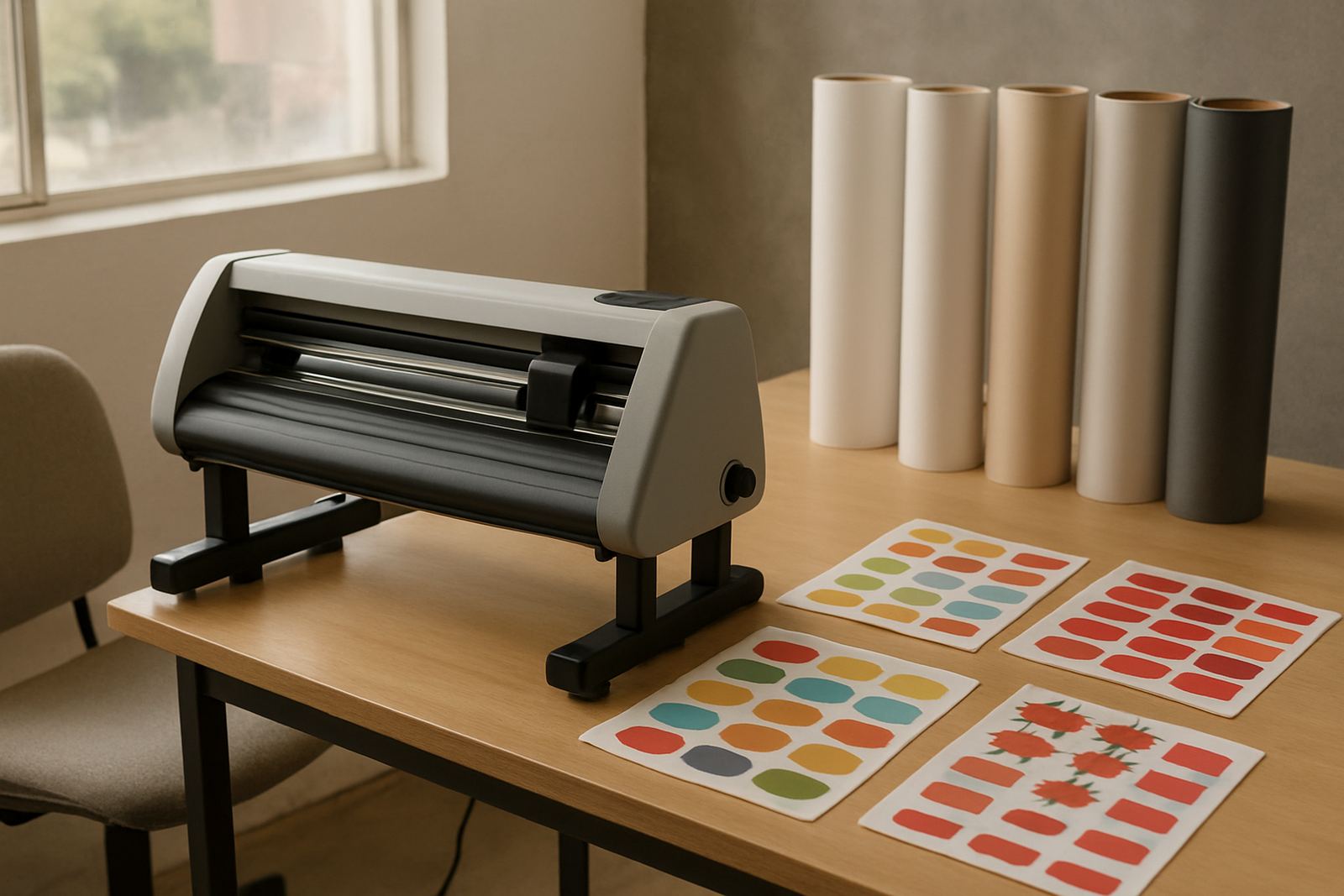
Typical options include smaller workshop units for decal sheets and larger production cutters for long runs and continuous feed work. Some users need contour-cut registration scanning for printed jobs, while others need a straight tracking machine for plain vinyl and striping. The correct setup depends on how often you cut, the average job length and whether the output must line up to print marks or cut paths.
- Common cutting widths: 630 mm, 1 300 mm and 1 600 mm
- Long-track beds suit extended vehicle side panels
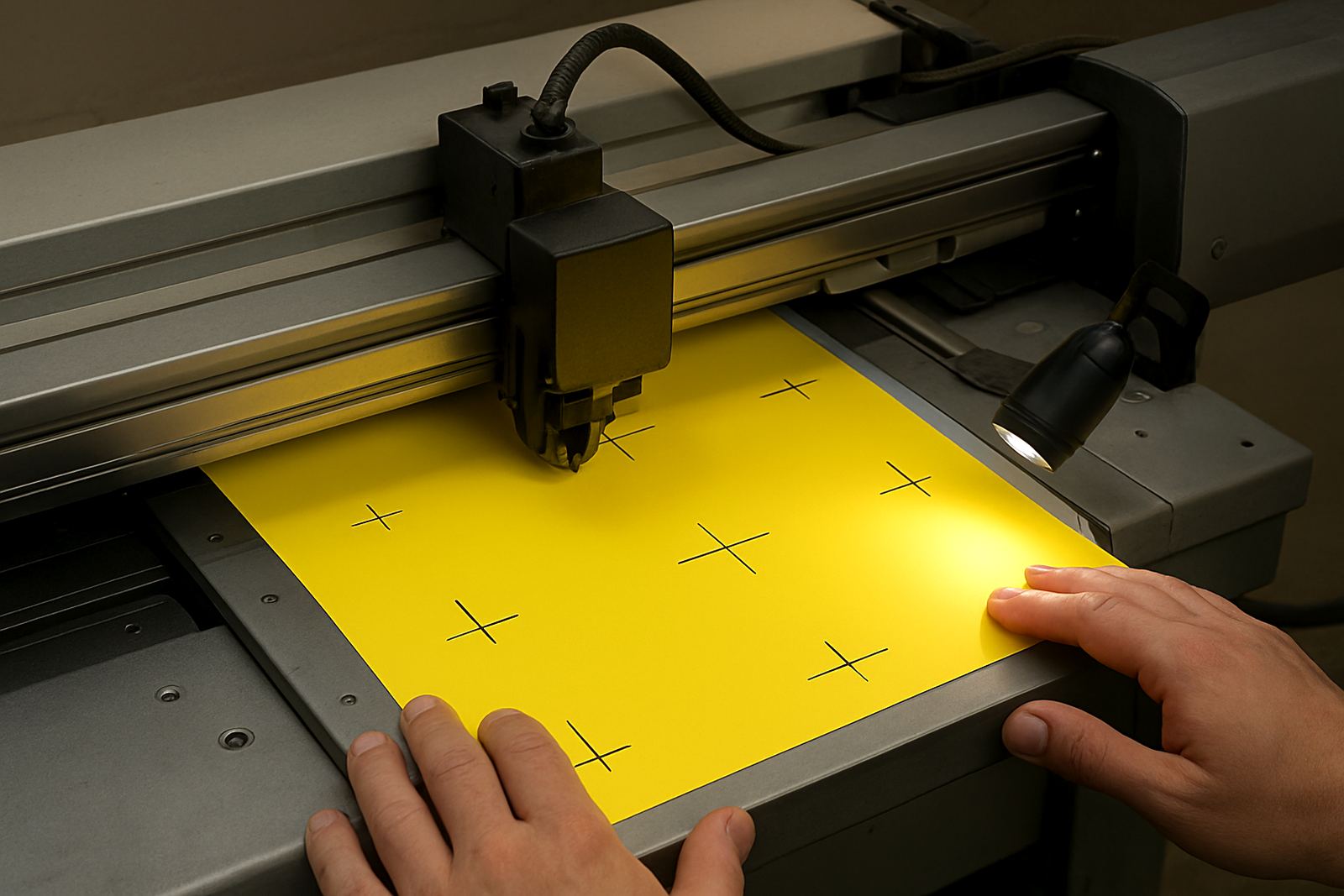
- Registration mark reading is useful for printed contour work
- Choose feed width with a little working margin for skew control
Where this cutter suits best
This product suits sign makers, vehicle branding teams, print-and-cut departments and installers who need consistent contour output. It is particularly handy for fleets that need one design repeated across multiple vehicles, because the cutter keeps the shape consistent from the first unit to the last. In busy seasons, that consistency matters as much as speed.
It also fits shops that work with mixed materials. A proper vehicle graphic cutter can handle standard vinyl, reflective film, mask material and some printed self-adhesive media, provided the blade and settings are matched to the job. Coastal humidity can affect adhesive handling, so many Durban and East London workshops keep media sealed and conditioned before cutting. That small step reduces lifting and edge curl.
- Fleet branding and re-branding work
- Sign shops producing decals and striping
- Print-and-cut teams dealing with contour graphics
- Vehicle installers needing neat pre-cut panels
Installation, power and workspace needs
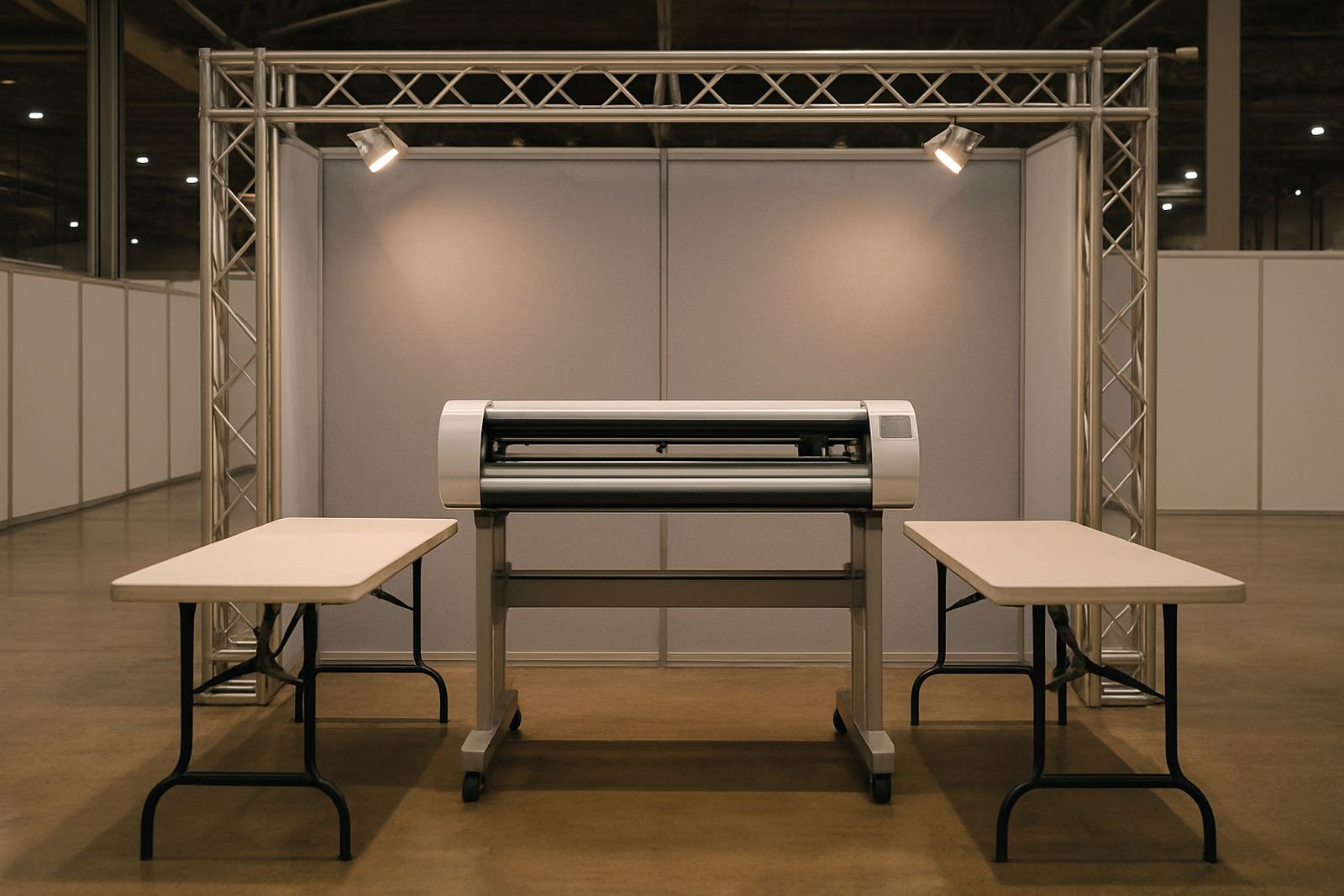
Most cutters need a level bench or stand, a clean electrical feed and enough space for roll handling in front and behind the machine. For long-track use, the machine should sit in a straight line with the feed path clear. If the floor is uneven or the stand twists, tracking suffers and you can end up with skew on longer jobs.
Power requirements vary by model, but a standard single-phase supply is common. In South African workshops, load-shedding planning is essential. If you are cutting high-value fleet graphics, a small inverter or UPS can protect a job in progress and keep the controller safe during interruptions. On sites with unstable power, it is also worth checking surge protection and earthing before first use.
- Allow space for media feed and take-up on both sides
- Level stand or bench improves tracking on long cuts
- Single-phase power is common, but check the exact load draw
- Backup power is useful where load-shedding affects production
Care, servicing and daily operator habits
Good cutting results depend on basic care. Keep the pinch rollers clean, clear dust from the track and check the blade holder for wear. On shops that run daily, the blade and cutting strip need regular attention because vinyl scraps and adhesive can build up faster than people expect. A quick clean before the first job of the day can save a lot of bad cuts later.
Servicing also means training the operator to recognise when pressure is too high or the blade is starting to drag. If the corners lift or the liner scores too deeply, the setup needs checking. Our team in Isando and the Sandton, Midrand, Germiston, Boksburg and Randburg support areas can assist with operator induction, troubleshooting and supervisor coaching so the machine is used correctly from day one. Simple habits make a real difference, and the machine lasts longer too.
- Clean rollers and cutting strip regularly
- Replace worn blades before edge quality drops
- Store vinyl flat or upright in a dry area
- Check alignment after moving the machine or stand
What to confirm before you place an order
Before ordering, check the widest vehicle graphic you expect to cut, the type of media you use most, and whether you need printed contour registration or plain cutting only. It also helps to confirm your daily volume. A small shop cutting a few door logos a week has different needs from a fleet supplier turning out dozens of sets for service bakkies and delivery vans.
Ask about blade type, downforce range, software compatibility, tracking length and the availability of practical support after installation. If your team is new to print-and-cut production, request guidance on artwork cut lines, media loading, blade pressure setup and registration calibration. That early setup time prevents waste. For nationwide installs and training from Johannesburg, contact cut@contourcutting.co.za with your vehicle graphic sizes and production needs.
- Maximum material width and usable cutting width
- Need for contour registration or plain vinyl cutting
- Daily output volume and longest job length
- Training, support and servicing requirements
Key facts
| Product type | Long-track vehicle graphic cutter for fleet decals, stripes and contour-cut graphics |
|---|---|
| Typical cutting widths | 630 mm, 1 300 mm or 1 600 mm options depending on production needs |
| Media compatibility | Cut vinyl, reflective film, mask material and selected printed self-adhesive media |
| Power | Single-phase supply commonly used, final load depends on model |
| Installation | Bench or stand mounted with straight infeed and outfeed space |
| Support | Nationwide installation with operator induction and technical support from Isando |