What a Take Up Reel does during production
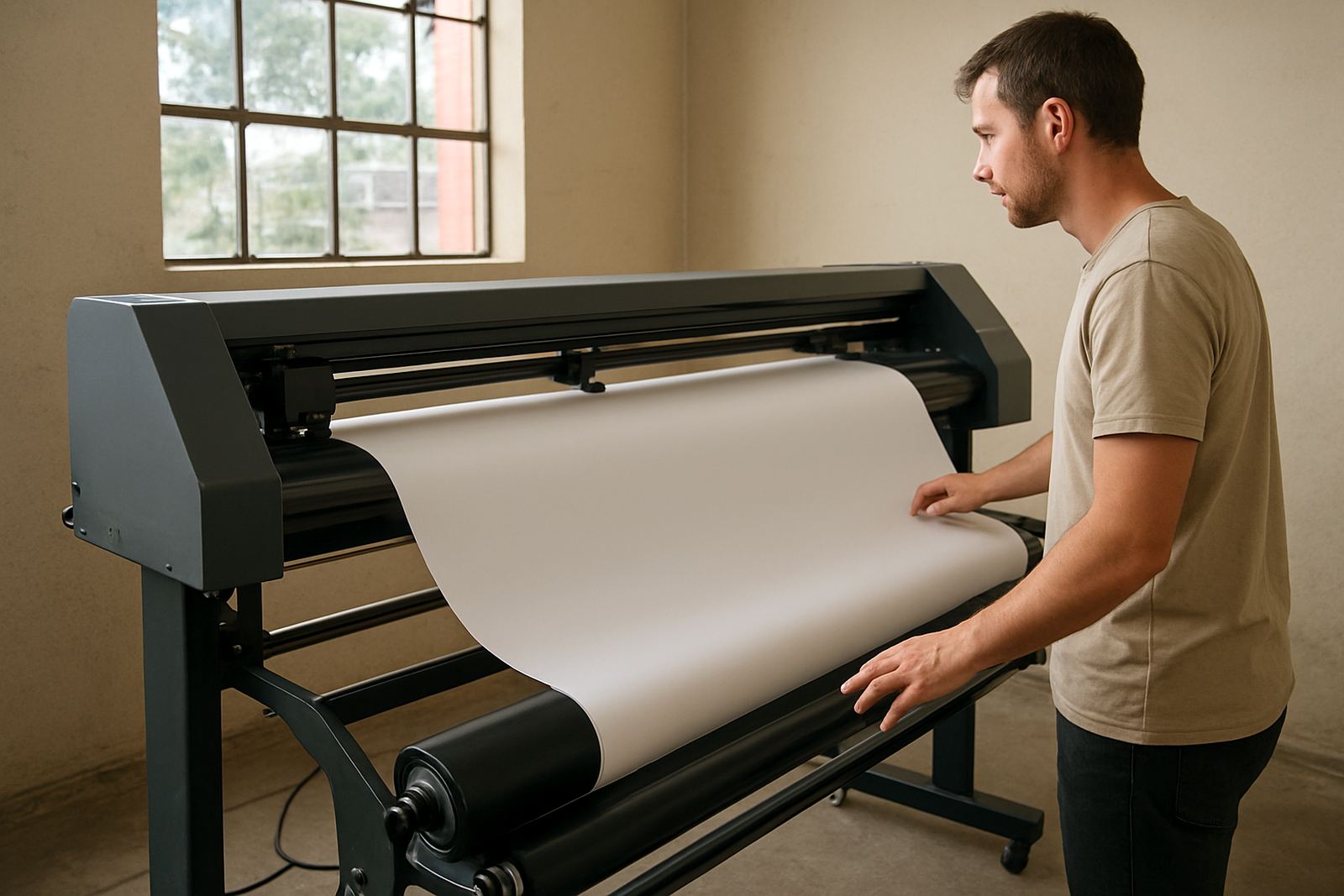
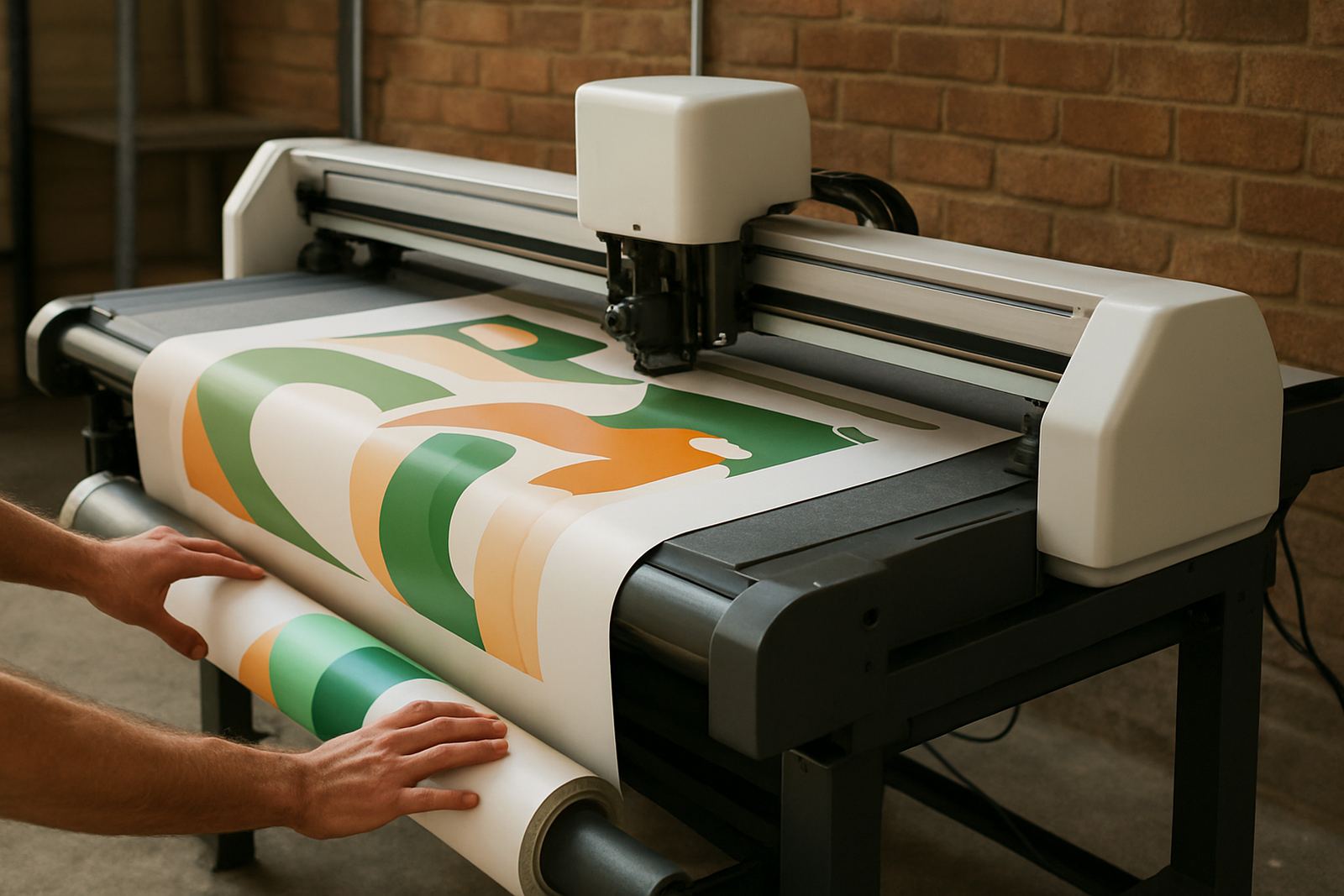
A take up reel is a winding system fitted to a print-and-cut plotter or similar production machine to collect finished media as it exits the cutter. Instead of letting long vinyl, sticker stock or composite media curl, snag or collect dust, the reel keeps tension on the web and builds the output into a neat roll. That matters when you are running metres of work at a time, especially on busy days when one operator is handling more than one job.
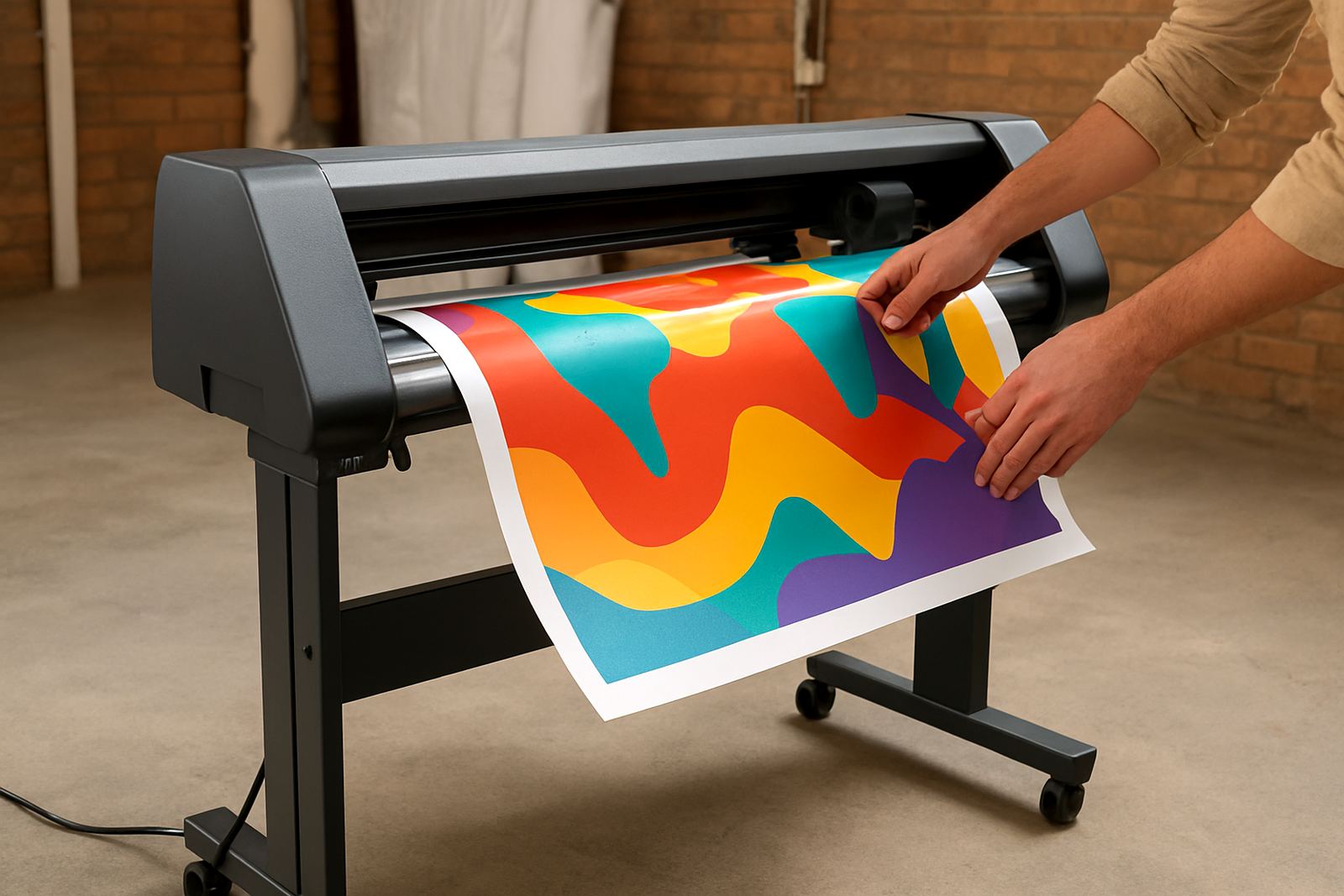
In practical terms, the reel helps keep printed artwork flat and aligned while the machine continues working. It reduces handling, which means fewer fingerprints, less edge damage and a better chance of keeping registration stable from the start of a run to the end. For businesses doing repeat signage work or batch sticker production, it can save a lot of time and a fair bit of frustration too.
Who uses it and where it fits best
This add-on suits production teams that cut long runs of graphics, decals, labels, window film or contour-cut promotional material. It is especially useful in shops where output cannot be lifted manually every few minutes. If your work includes school branding, fleet decals, retail promotions, floor graphics or event signage, a take up reel can make the workflow much cleaner.
- Signage workshops running longer vinyl or print-and-cut jobs
- Print rooms handling repeated small batches and variable artwork
- Businesses working in warm or dusty areas where media should not sit on the floor
- Teams in Johannesburg, Germiston, Boksburg, Midrand or Sandton that need smoother production flow
- Install crews preparing material for dispatch to sites nationwide
It also helps in coastal conditions where humidity can affect how media behaves after printing. Keeping the output wound properly reduces the chance of the edge picking up dirt or moisture while the job is still in process. On a noisy floor with load-shedding interruptions, having the media already supported can make restart easier after power returns.
Sizes, options and common set ups
Take up reel units are selected to match the width and roll handling needs of the plotter or cutter they support. The right size depends on the media you use most often, the outside diameter of your rolls, and whether you want the reel to handle light sticker stock or heavier production media. We supply and advise on suitable options for local production environments, so the setup suits the job not just the brochure.
Typical options include adjustable roll support arms, manual or motor-assisted winding control, and brackets that integrate with the machine frame. Some sites only need a basic guided reel for medium-length output, while others need a wider, heavier-duty set up for frequent production. If your team works with different materials during the week, it is worth checking that the reel can cope with the widest media and the heaviest finished roll without strain.
- Compatible media widths from narrow labels through to wider sign vinyl runs
- Roll support for lighter and heavier output, depending on production volume
- Adjustable mounting positions for different machine footprints
- Options for manual control or assisted winding, depending on model
- Suitable for contour cutting workflows where consistent tension matters
Installation, power and site requirements
Installation is straightforward when the machine frame, floor space and media path are checked properly before fitting. The reel needs enough clearance behind or beside the plotter so the finished output can travel freely without rubbing against walls, trolleys or other equipment. In busy Isando production spaces, this detail often decides whether the reel works well or becomes another obstacle.
Power needs are normally modest. Most take up reel solutions use a low-demand motor or control circuit, and some setups are fully mechanical or tied into the host machine. There is no gas requirement. What matters more is stable mounting, level flooring and a clean route for media to travel from the cutter to the reel. If the site has frequent outages, we recommend checking how the reel behaves after restart so the operator can recover the job without wasting material.
When we install nationwide, we also look at cable routing, operator access and safe reach around the machine. A reel should not block loading, trimming or maintenance access. If the cutter is in a shared production area, it should be set so staff can work around it without crossing the media path or putting hands near moving parts.
Care, servicing and operator habits
A take up reel needs basic care rather than heavy servicing, but regular checks help it keep running properly. Dust, adhesive residue and offcut bits can build up near rollers and guides, especially in shops cutting self-adhesive material day after day. Wipe down contact points, inspect the wind direction and make sure the tension remains even across the roll.
Operators should also watch for media skew, loose edges and roll build-up that is not winding square. If the output starts tracking to one side, stop and correct it before the roll gets too large. That saves material and avoids a crooked wound roll that can be difficult to feed again. A short weekly check is usually enough for many sites, though high-volume rooms may need a more regular routine.
- Keep rollers clean and free from adhesive dust
- Check tension before each production run
- Inspect brackets and fasteners for movement
- Store spare media away from sunlight and moisture
- Ask for servicing if the reel starts slipping or winding unevenly
What to check before you order
Before ordering, confirm the width of your most common media, the maximum roll size you need to handle and the type of cutter or plotter the reel must work with. Check the clearance around the machine, whether the reel needs to sit on the left or right side and how much space is available behind the unit. If you have a mixed production line, make sure the reel can support the heaviest material you use without overloading the mount.
It also helps to confirm whether your team needs training on setup and operation. A good reel is only useful if the operator understands media loading, registration calibration and the correct way to start and stop a run. We can assist with operator induction, blade pressure setup, production workflows and troubleshooting so the whole process stays practical from day one. If your site has more than one shift, a short refresher for each team often pays off.
If you are comparing options, ask for the measurements in millimetres, the compatible machine model, and whether the reel is intended for light duty or repeated production use. That makes it easier to match the accessory to your work, rather than guessing and hoping it fits later.
Key facts
| Product type | Take up reel add-on for print-and-cut production |
|---|---|
| Function | Controls and winds longer output during cutting runs |
| Typical media widths | Set to suit machine and media, commonly 600 mm to 1600 mm |
| Mounting | Frame-mounted or machine-integrated depending on setup |
| Power needs | Low-demand electrical supply where motor-assisted, no gas required |
| Best use | Sticker runs, signage work, decals, labels and longer contour-cut jobs |