Built for long runs, wider media and repeatable accuracy
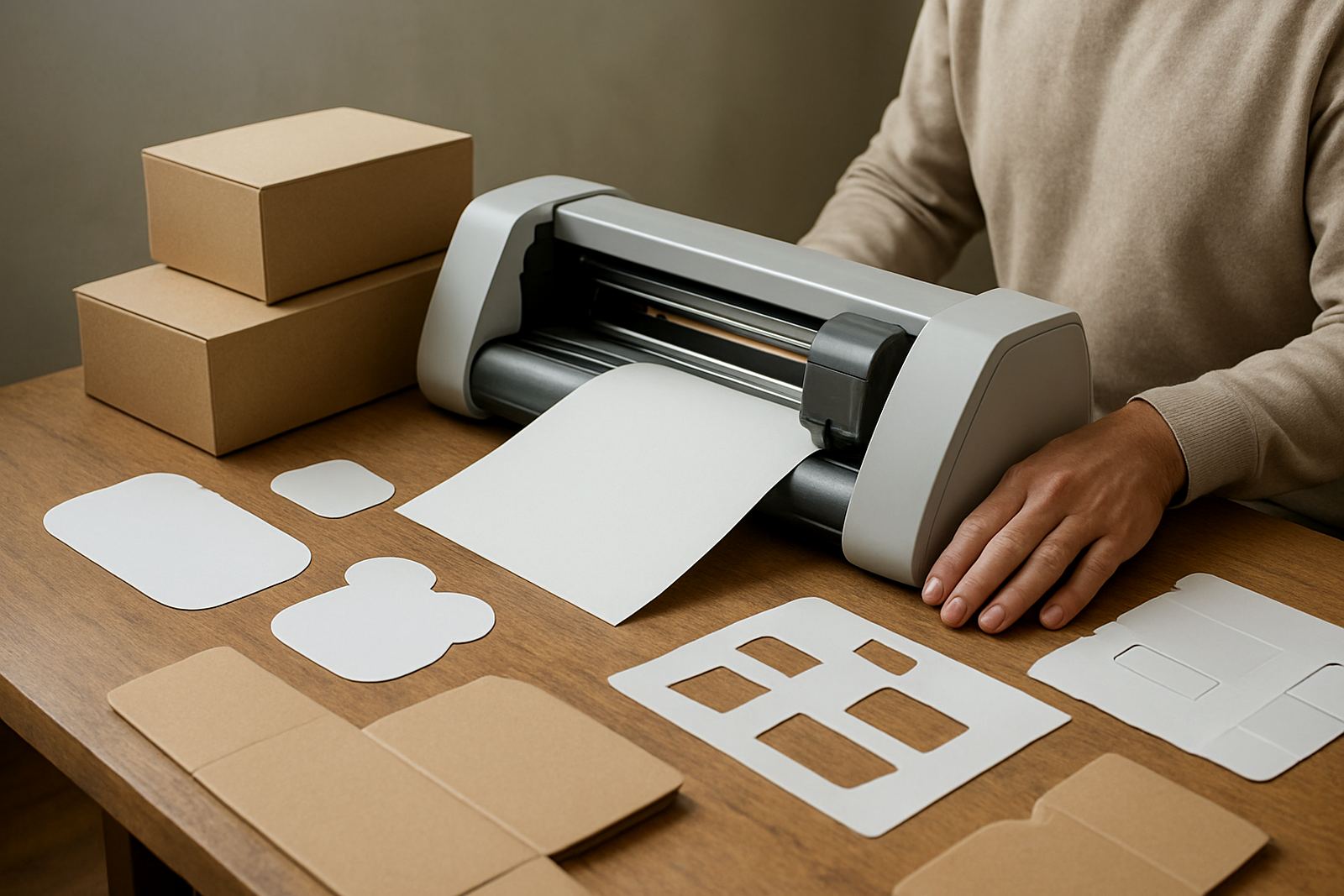
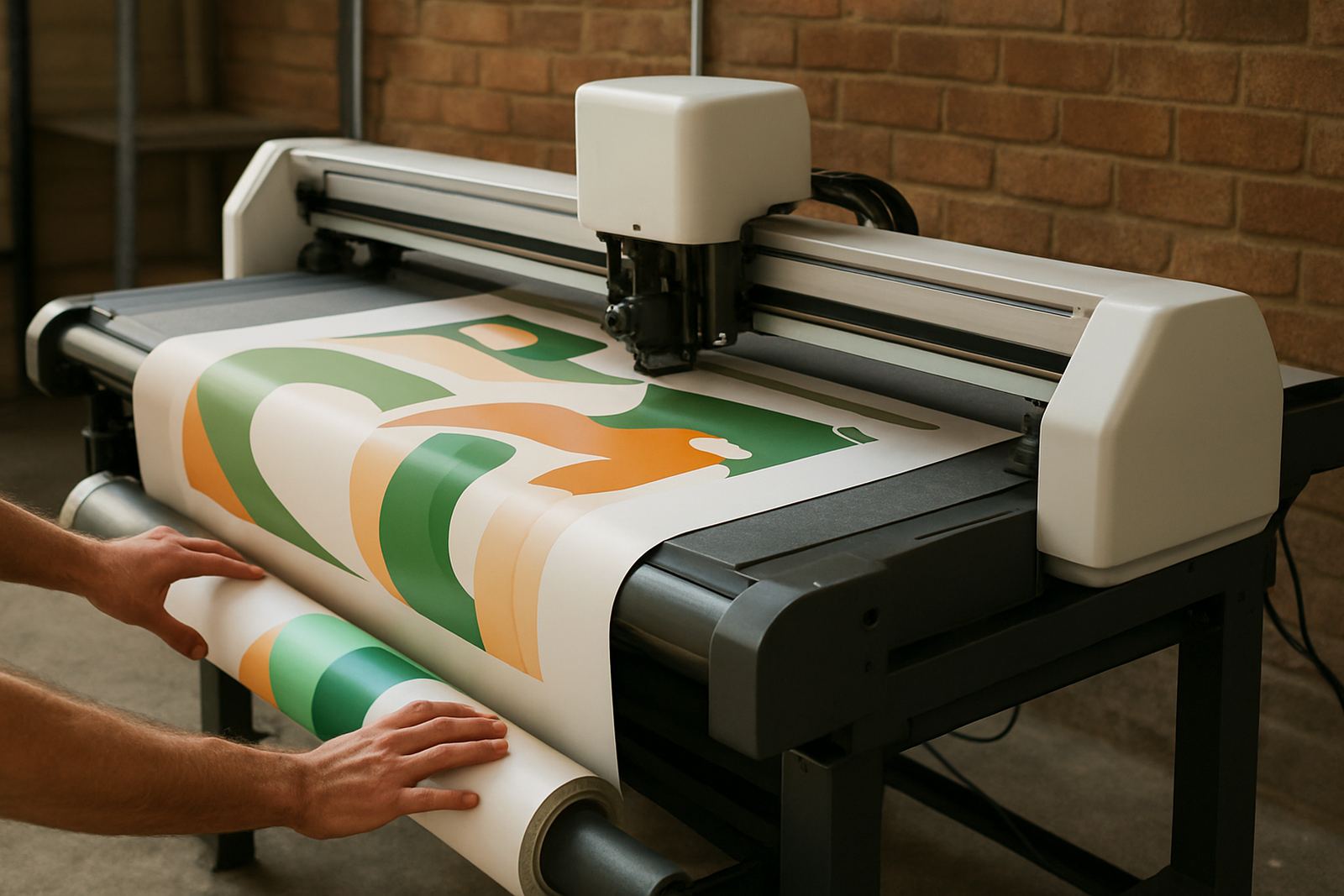
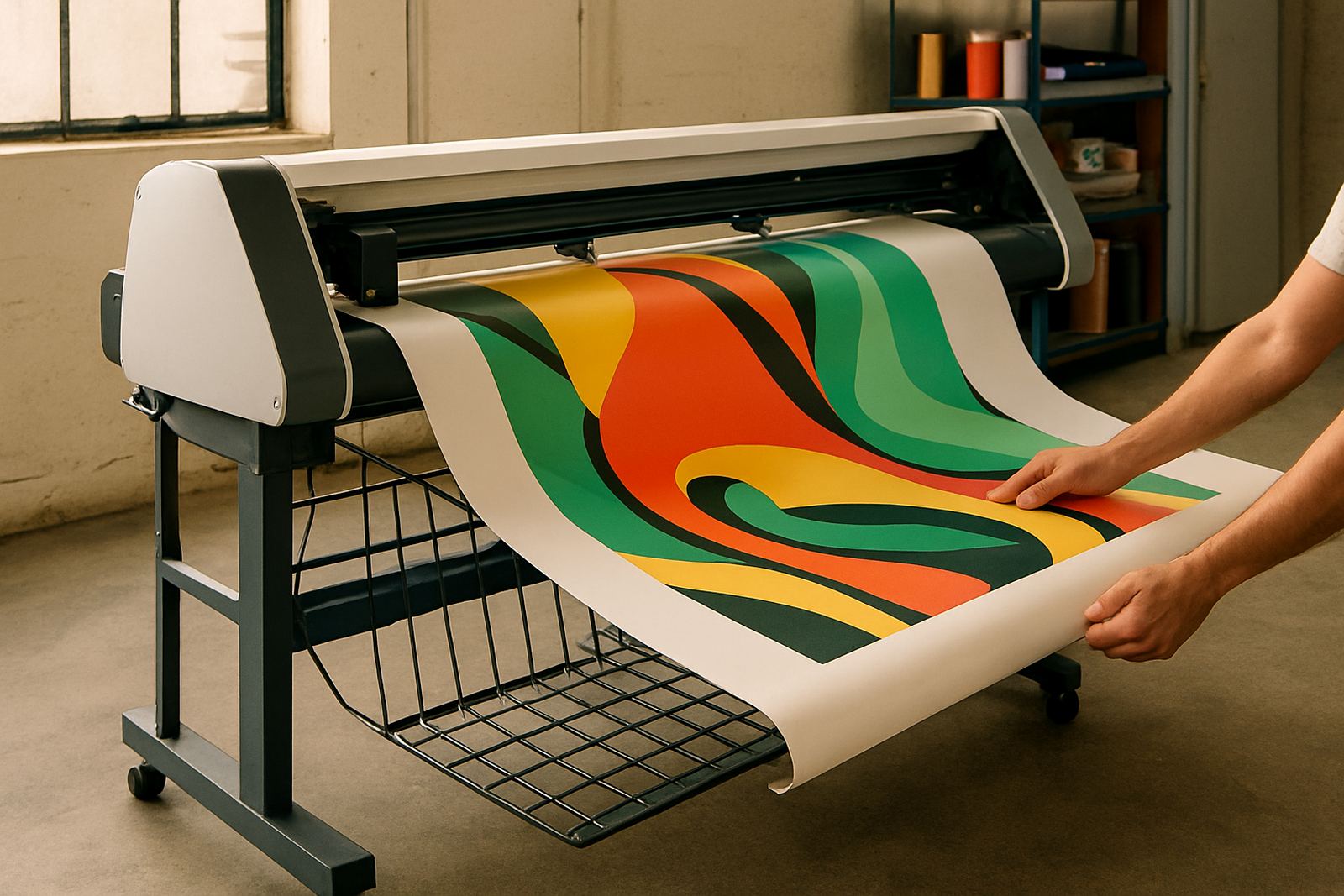
The Production Cutter 1800 is a high-capacity print-and-cut solution for businesses that handle longer graphics, wider vinyl and regular production output. It is used where short-bed cutters start slowing the job down, especially on vehicle side panels, fleet markings, directional signs and promotional graphics that need tidy contours and consistent registration.
In practical terms, the 1800 class gives you more working room for jobs that are too long for smaller units. That extra length helps reduce sectioning on larger artwork, which saves time and keeps joins to a minimum. For print shops in Johannesburg, Durban, Cape Town or smaller towns doing couriered work, that matters when a client wants the job ready by Friday afternoon and the weather is warm, humid or dusty.
- Suitable for longer panels and repeated production work
- Good fit for print-and-cut signage, decals and vehicle graphics
- Helps reduce split jobs and visible joins
Sizes, options and practical setup choices
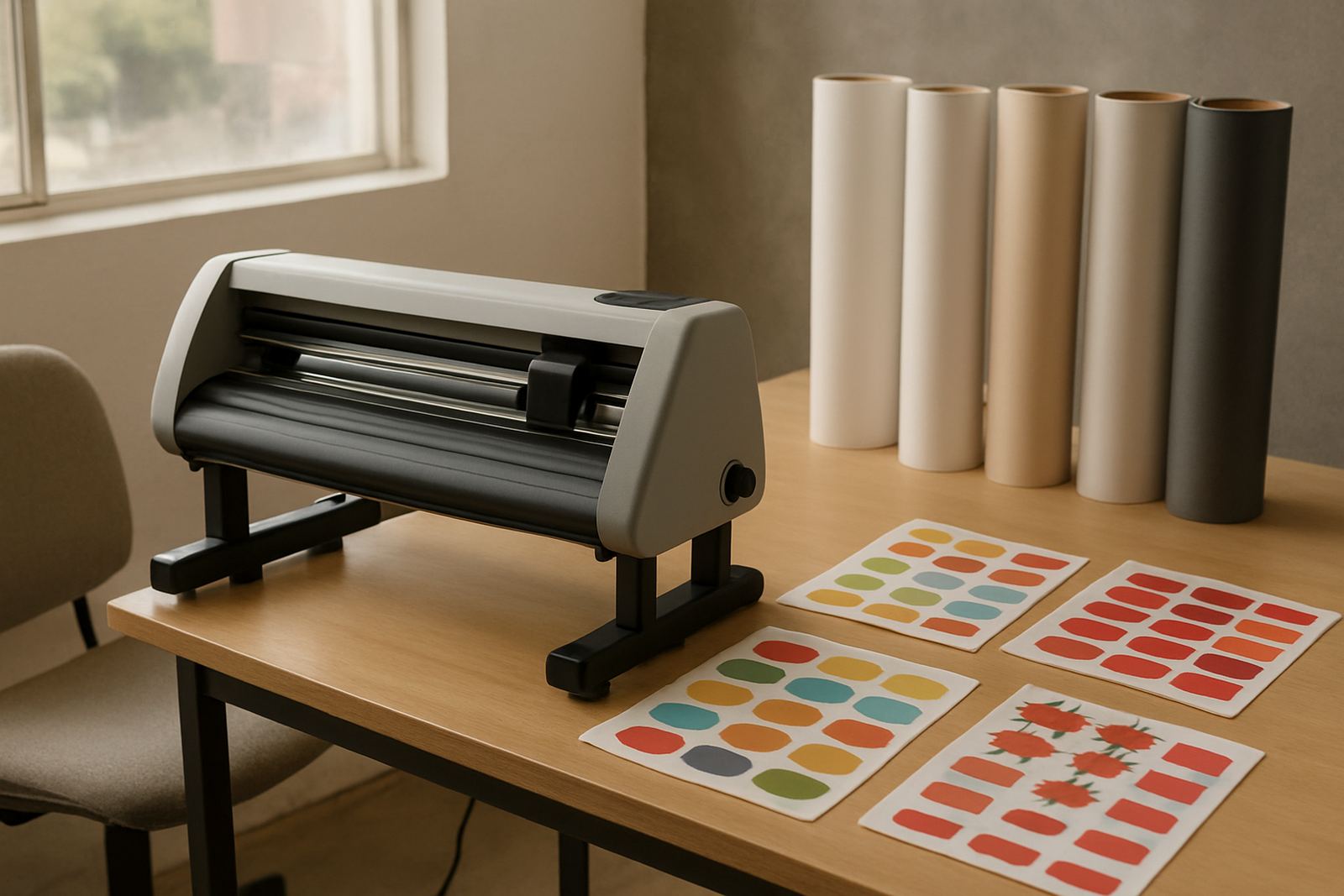
The Production Cutter 1800 is generally selected for its wider cutting area and production-friendly layout. Exact configuration depends on the media you run, the volume you expect, and whether you are cutting standard vinyl, printed media or more detailed promotional graphics. Many operators prefer a machine that can accept long feeds without constant repositioning, because that keeps the workflow steady and cuts down on handling errors.
When choosing options, think about the work you do most often. If you regularly produce fleet lettering or long directional strips, a machine set up for stable tracking is worth more than extra features you will never use. For team environments, the right setup also supports quicker training for operators and fewer mistakes during changeovers.
- Configurable for longer artwork and repeat production
- Useful where tracking and media handling are important
- Better suited to shops with mixed signage and graphic work
Where the 1800 fits best in South African production
This model suits sign makers, print shops, branding studios and installers who need accurate cut lines for a broad range of work. It is a strong option for vehicle graphics, shopfront branding, exhibition pieces, warning labels, custom stickers and contour cut decals. If your clients ask for sharp corners, small text and reliable registration, a properly set cutter can make a real difference to finish quality.
In coastal areas like Durban or Gqeberha, dust and humidity can affect media handling and blade performance, so stable room conditions and regular cleaning matter. In Gauteng, where power interruptions and load-shedding can interrupt a shift, it helps to plan your cutting workflow around UPS coverage and sensible power management. That kind of planning keeps production moving and avoids rework.
- Vehicle graphics and fleet identification
- Promotional stickers and branded decals
- Signage shops handling mixed short and long runs
Installation needs, power planning and workshop readiness
For a cutter in this class, installation should allow enough floor space, clear operator access and a clean media path. The machine should sit on a level surface with room for long feed lengths and safe material handling. In Isando and other industrial areas, it is also important to allow for dust control and a sensible cable route, especially where multiple machines share one room.
Power planning is straightforward, but it should be taken seriously. A stable mains supply is best, with surge protection and backup support where needed. If your site experiences load-shedding or unstable voltage, it is wise to discuss your power setup before installation. There is no gas requirement for the cutter itself, but workshop ventilation, dust extraction and good lighting still matter for operator comfort and accurate finishing.
- Level floor space with enough room for long media feeds
- Surge protection and backup power recommended
- No gas connection needed, but clean workshop conditions help
Care, servicing and keeping cut quality consistent
A production cutter lasts longer and performs better when the basics are done regularly. Keep the rails clean, check blade wear, and make sure pinch rollers are free of adhesive build-up. In a busy workshop, small bits of vinyl and paper can collect fast, so a daily clean can prevent tracking problems later. A machine that is looked after properly will also hold registration better on long jobs.
Servicing should include calibration checks, blade pressure review and a look at the cutting strip and drive components. If cuts begin to lift at corners or score too deeply into the liner, that is usually a sign that the settings need attention. It is also worth training more than one person on basic care, so the machine does not sit idle when one operator is off sick or on site.
- Clean rails, rollers and blade area regularly
- Check pressure and registration before large runs
- Replace wear parts before cut quality drops
What to confirm before you order
Before ordering, confirm the media widths you use most often, the longest job length you want to run in one pass, and the materials you cut every week. Ask whether you need operator induction, artwork cut lines, blade pressure setup or troubleshooting support at handover. If your team is new to production cutting, a short induction can save a lot of wasted media and a few headaches too.
You should also check your workshop access, door widths and installation path, especially if the unit is going into an upper-floor site or a shared industrial unit. If you work across Johannesburg, Sandton, Midrand, Germiston, Boksburg or Randburg, it helps to plan support visits and training around your production calendar. For national installs, courier timing, site readiness and operator availability all need to line up.
- Media widths and longest cutting length required
- Power availability, backup power and workshop access
- Training needs for operators and supervisors
Key facts
| Model | Production Cutter 1800 |
|---|---|
| Cutting width | 1800 mm class |
| Best for | Long panels, vehicle graphics, larger output |
| Typical materials | Vinyl, printed media, sticker stock and contour cut jobs |
| Installation | On-site setup available nationwide |
| Support options | Operator induction, calibration, troubleshooting and refresher training |