Controlled cutting for sticker sheets and labels
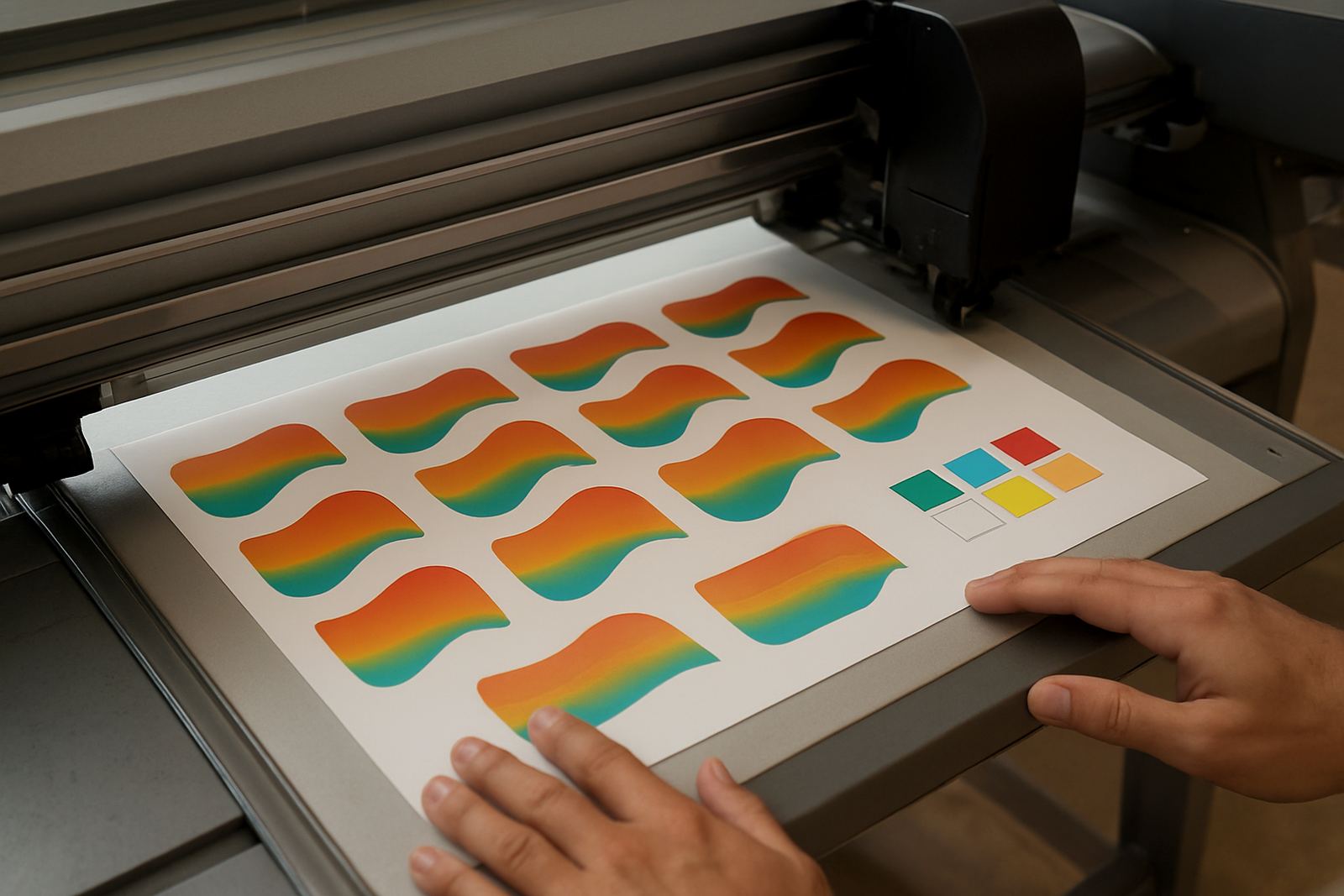
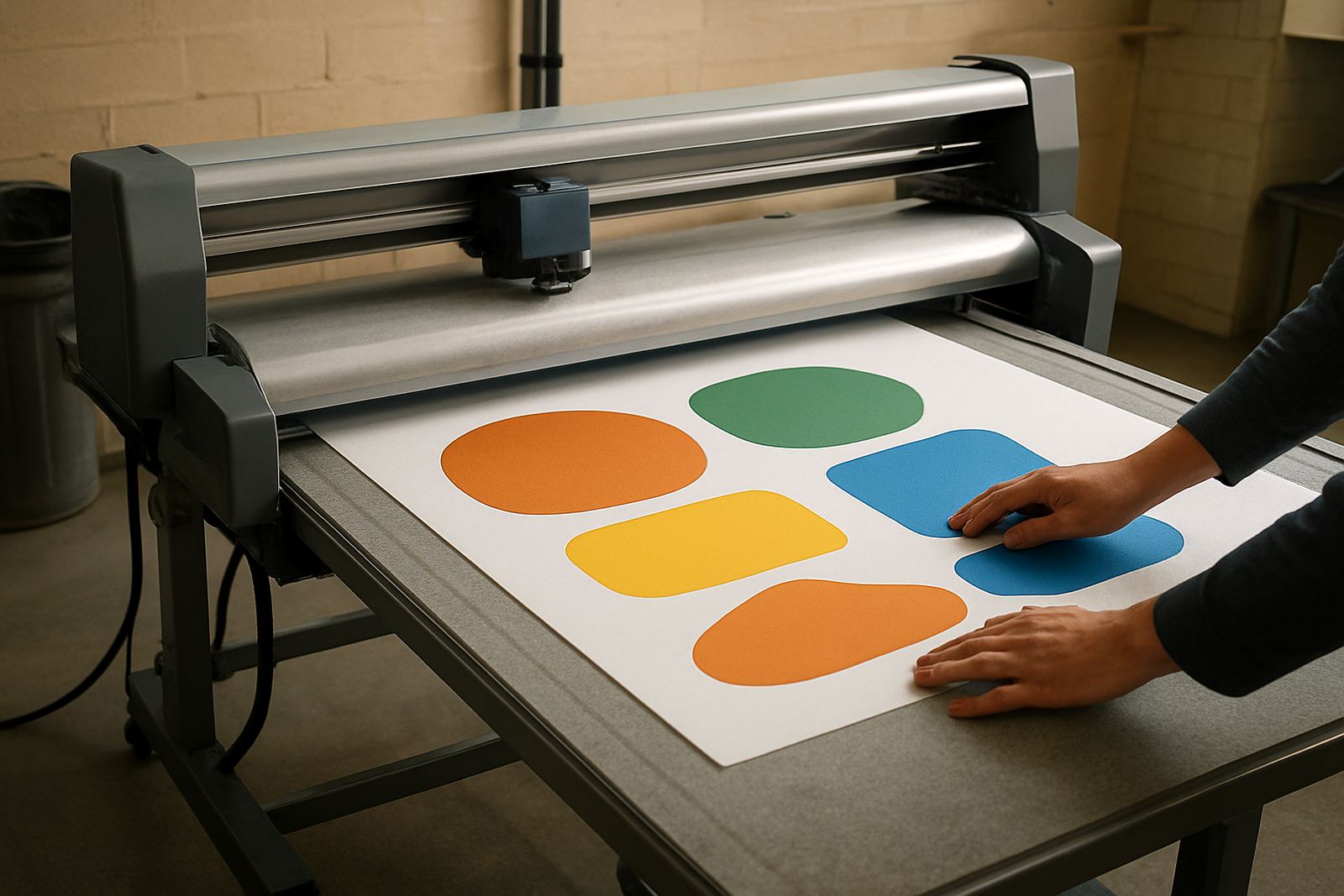
This unit is made for jobs where you want the top layer cut cleanly but the liner left in place. That means sticker sheets stay easy to weed and handle, while finished pieces peel away neatly for packing, resale or application. It is a practical fit for print shops, signage rooms and in-house marketing teams working with short runs or frequent design changes.
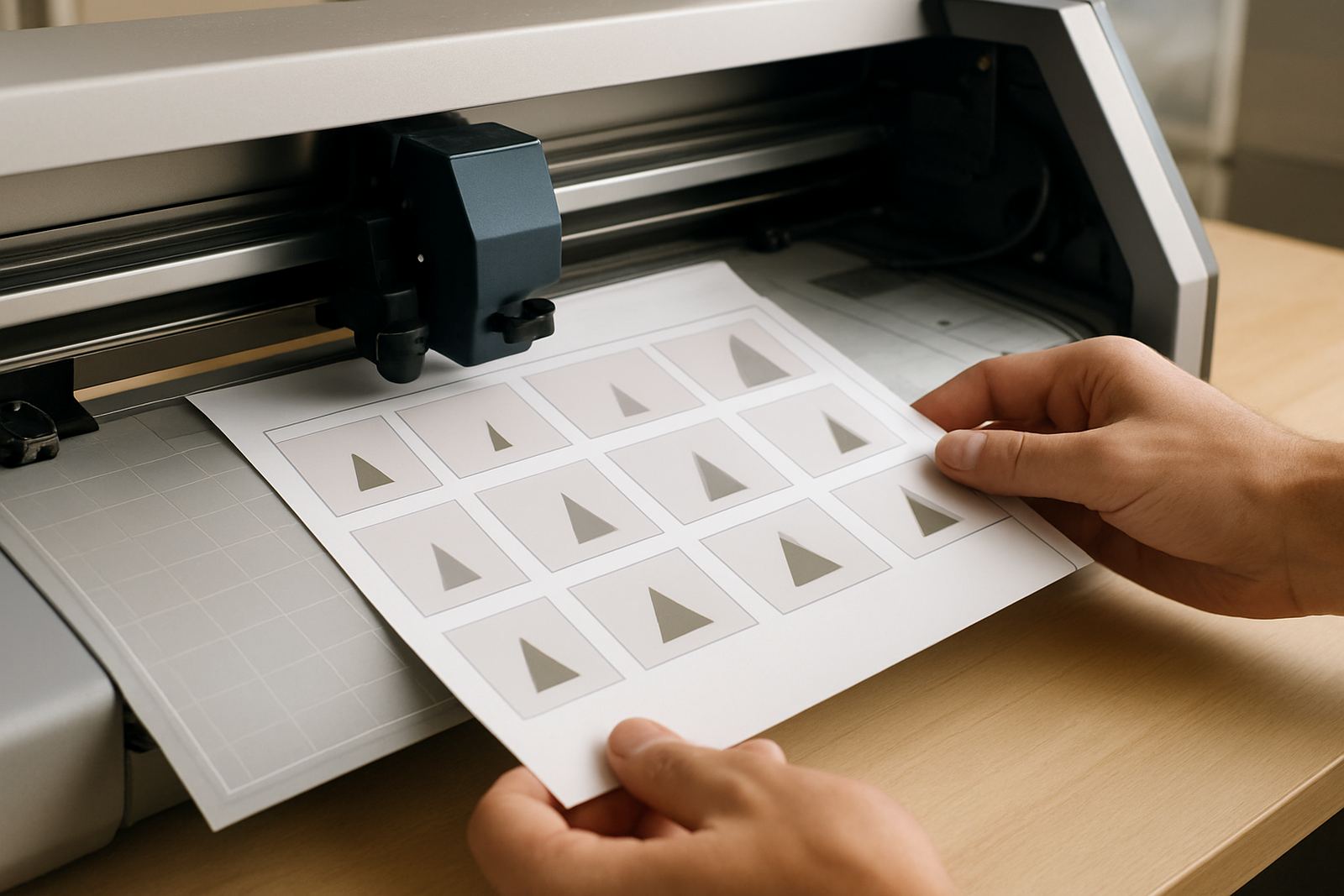
On a good setup, the cut depth is controlled to fractions of a millimetre, which helps reduce liner cuts and waste. In daily use that matters when you are running anything from 50 sticker sheets to a few thousand labels a week. The result is cleaner edges, less rework and fewer rejected batches.
- Supports kiss cutting on self-adhesive sticker stock
- Suitable for labels, decals, product packs and promotional sets
- Works well where the backing paper must stay intact
Typical sizes and machine options
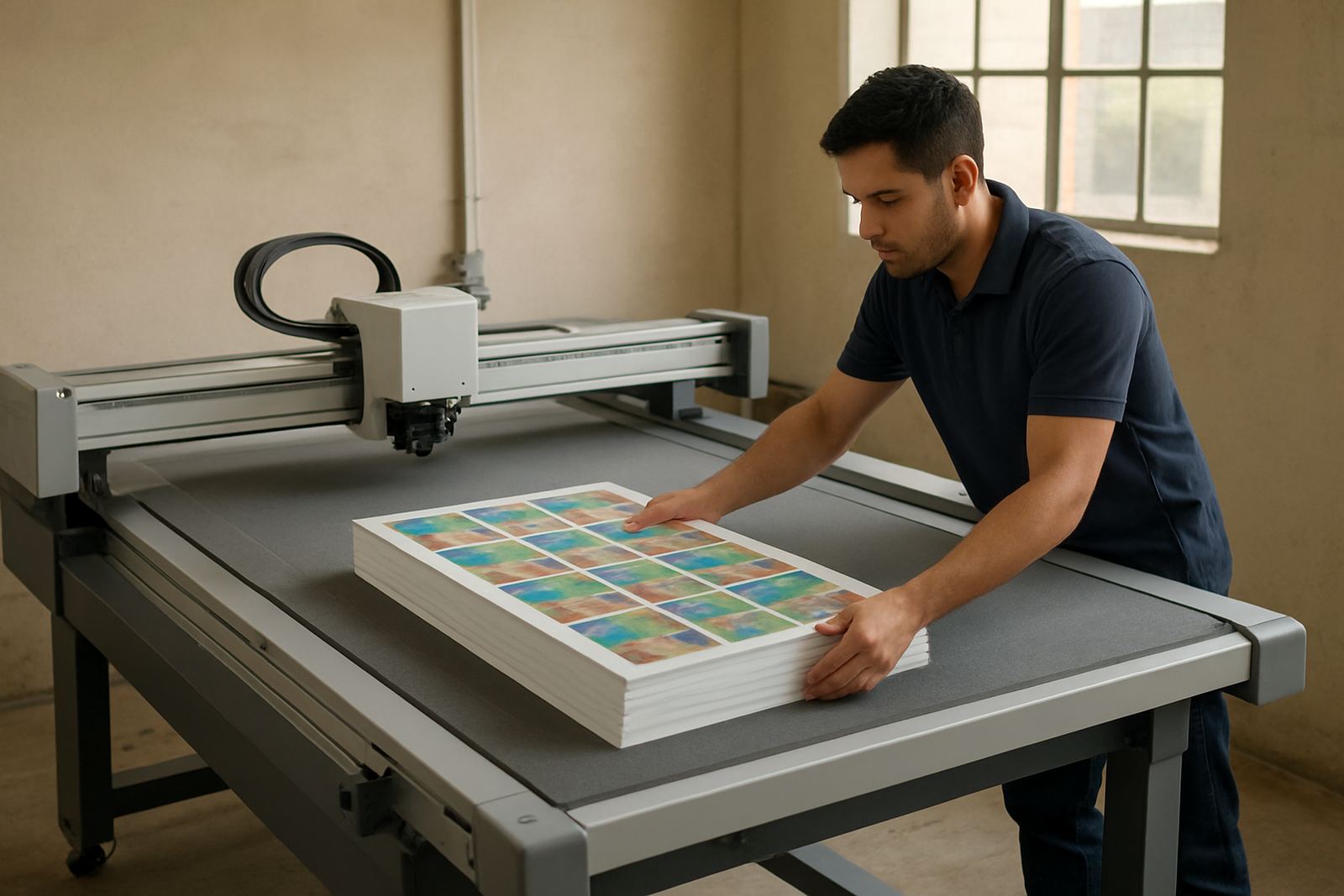
Kiss cut plotter sizes are usually chosen by media width and the size of the jobs you plan to run. Smaller units suit compact label work, while wider models handle A1 sheets and bigger signage pieces more comfortably. If you are cutting mixed work, it helps to match the bed or feed width to your most common sheet size, not just the biggest one.
Most buyers look for stable feed, fine blade adjustment and accurate registration reading. Servo driven movement is preferred for cleaner cornering and a smoother finish on intricate shapes. For shops doing repeat jobs, a good clamp or feed system is worth more than extra speed alone.
- Common working widths: 330 mm, 600 mm, 800 mm and wider
- Typical sheet lengths: from short label sheets to long-run panels
- Registration mark reading for printed and cut-to-shape work
Where this unit suits best
This is the right tool for businesses producing sticker packs, brand labels, safety decals, product seals and custom graphics. It is also useful for creative studios making event giveaways, school labels, packaging samples and small retail runs. In Johannesburg, Durban, Cape Town and coastal towns, the kiss cut approach is popular because it keeps premium label stock neat even in humid conditions.
Because the backing stays in place, these sheets are easier to stack, count and dispatch. That helps if you are supplying retail stores, contractors or resellers who want ready-to-use sheets rather than loose cut pieces. It also saves time at packing tables, which is a real help when orders land late and you still need to finish before close of business.
- Print shops with short turnaround times
- Signage businesses producing decals and instruction labels
- In-house teams handling branded packs and event material
Installation, power and site needs
For installation, allow a clean, level floor space with enough room for loading sheets, servicing the blade area and keeping finished work nearby. Most units only need a standard single-phase power supply, but the exact draw depends on the motor and controller package. A proper surge protector is smart in areas where load-shedding or voltage dips are common, and it can save costly down time.
There is no gas requirement for this type of cutter. If you are placing the machine in a production room, keep it away from dust, direct sunlight and damp walls. In coastal areas, storage of media matters too, because moisture can affect sheet flatness and registration. A dry room with steady airflow usually gives the best day to day result. Small typo can creep in if you are rushing, so the team should keep the cutter area tidy and checked after each shift.
- Level floor with enough infeed and outfeed space
- Standard single-phase electrical supply on most models
- No gas line required
- Surge protection recommended for unstable supply areas
Care, servicing and operator training
Good cut quality depends on regular care. Blades wear gradually, pinch rollers collect dust and adhesive residue can build up on the feed path. A quick daily clean and a weekly inspection will prevent most common issues. If you are running heavy volumes, plan for more frequent blade changes and calibration checks, especially where media changes from paper labels to thicker vinyl.
Contour Cutting offers operator induction, artwork cut lines, media loading, blade pressure setup, registration calibration, production workflows, maintenance basics, troubleshooting sessions, remote refresher support and supervisor coaching. That support is useful when you have a new operator on shift, or when a machine starts missing marks after a long production day. It saves time and helps the team keep output consistent, even when orders come in fast.
- Clean blades and rollers to reduce drag
- Check registration marks before long runs
- Keep spare blades and cutting strips on hand
- Book refresher training after staff changes
What to check before you order
Before placing an order, confirm the widest media you need to process, the thickness of the stock and whether your jobs are cut from printed sheets or plain material. It also helps to know if you need contour reading for a single registration point or more detailed sheet alignment. If you are cutting glossy labels, test how the sensor handles reflection, because that can affect setup on some materials.
Ask about blade type, maximum cut pressure, speed settings and the software workflow used for your artwork. You should also check whether the machine suits your space, loading height and daily output. If you are based in Gauteng, the Isando team can assist directly, with support around Sandton, Midrand, Germiston, Boksburg and Randburg, and installs available nationwide. That kind of planning makes ordering easier and helps avoid surprises after delivery.
- Media width, sheet size and maximum cutting area
- Material type, thickness and adhesive backing
- Required registration accuracy and daily volume
- Power point location and room layout
Key facts
| Cutting method | Controlled kiss cut for printed sheets and label stock |
|---|---|
| Material range | Self-adhesive paper, vinyl, laminated prints and similar media |
| Working widths | Approx. 330 mm to 800 mm and wider depending on model |
| Accuracy | Fine depth control for clean top-layer cutting |
| Power | Standard single-phase supply on most units, model dependent |
| Installation | Nationwide installs from Isando, Johannesburg |
| Support | Operator training, calibration, maintenance and remote refresher support |