A hire cutter for pressure weeks and fast turnarounds
The Compact Hire Cutter is a short-term hire option for print shops, brand teams and event contractors that need clean contour cutting on demand. It suits overflow production when your own machine is booked out, as well as launches, roadshow graphics, retail activations and seasonal campaigns that cant wait for outside delays.
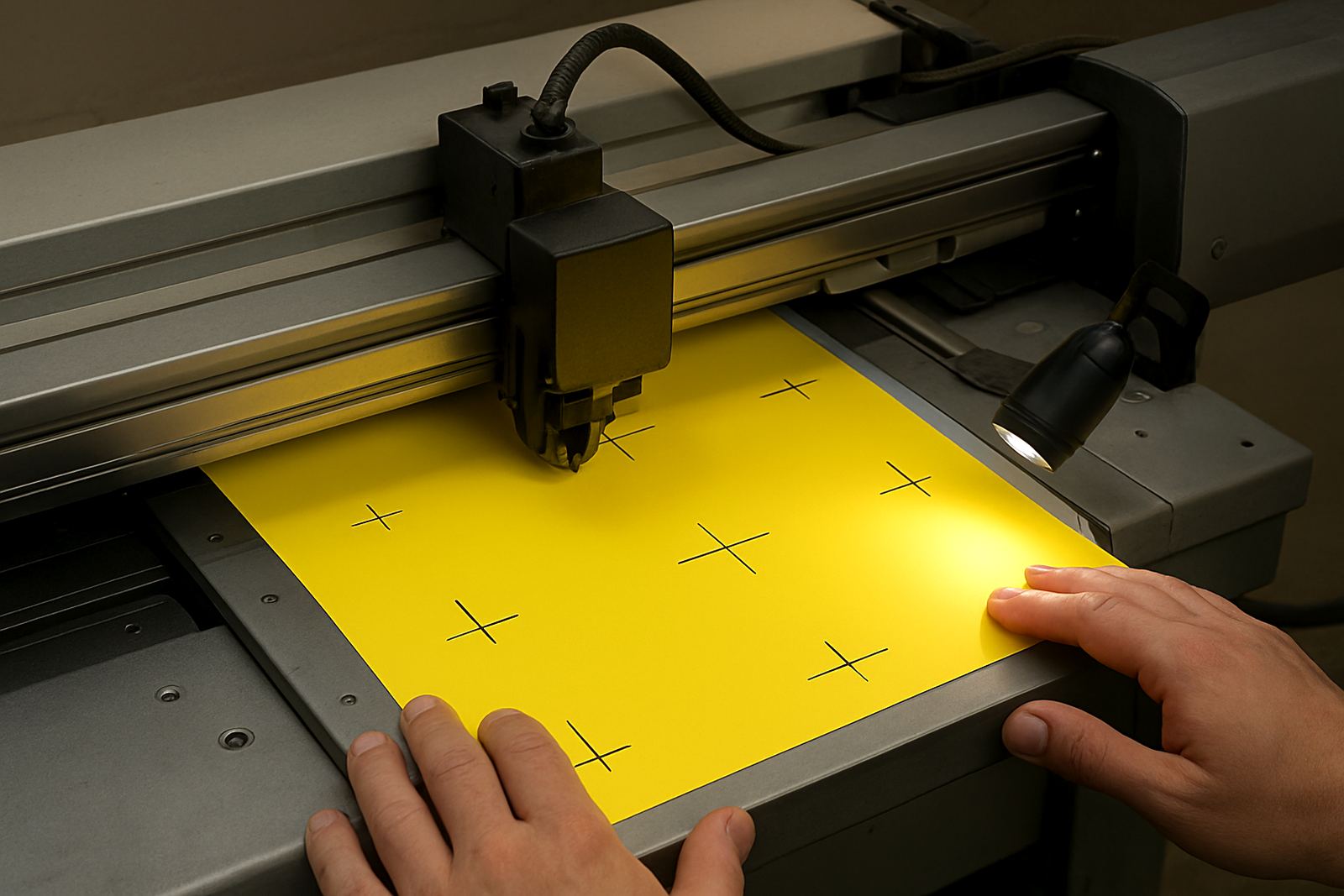
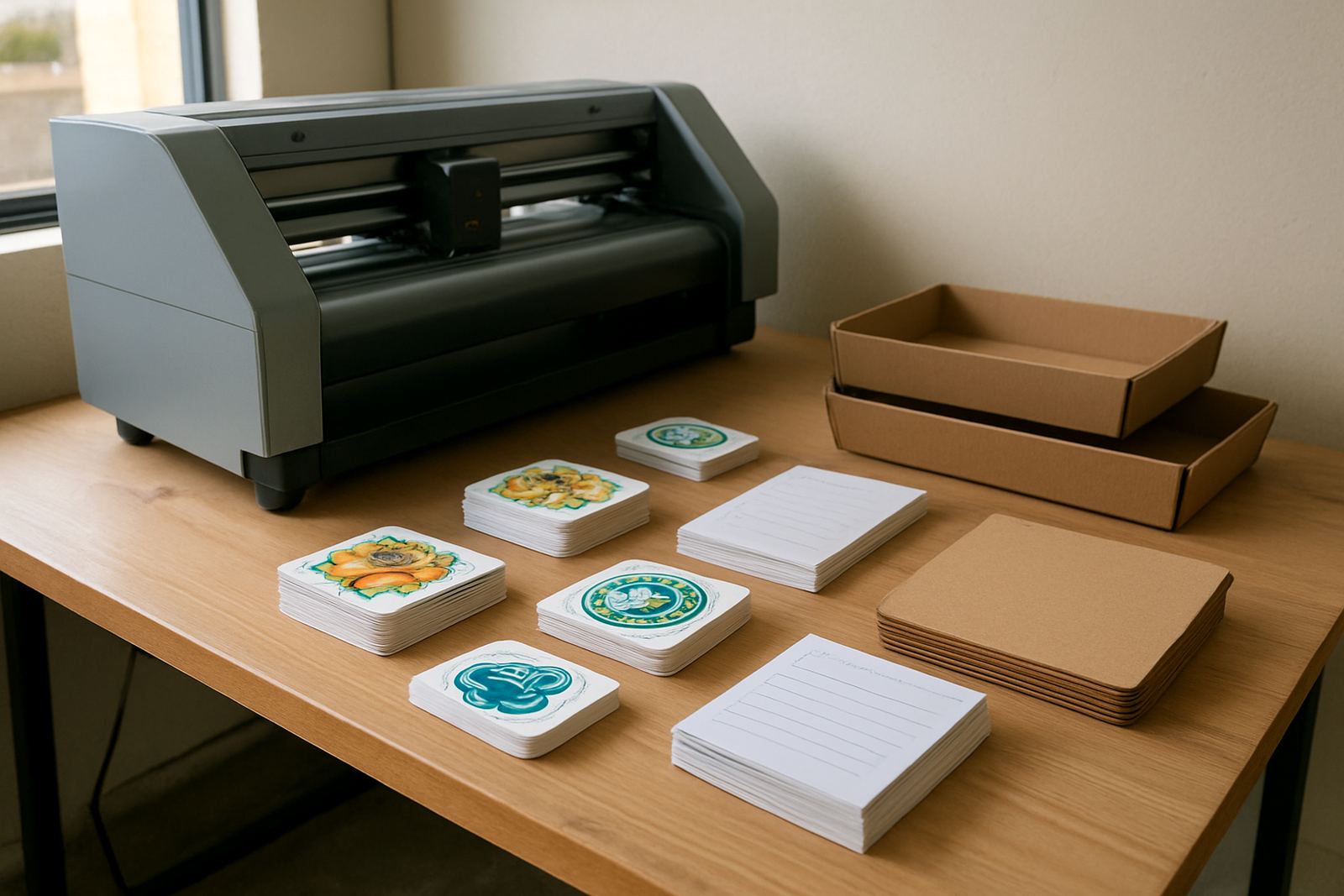
Because it is set up for precise registration and repeat cutting, it works well on stickers, decals, labels, light signage panels and promotional pieces where edge quality matters. It is commonly hired for jobs in Johannesburg, Pretoria, Durban, Cape Town and the coastal towns where humidity can affect media handling if stock is left open too long.
- Short-term hire for a few days, weeks or longer project runs
- Suitable for busy print rooms, agencies and event production teams
- Helpful when you need exact cut lines and neat finishing
Machine sizes and practical cutting options
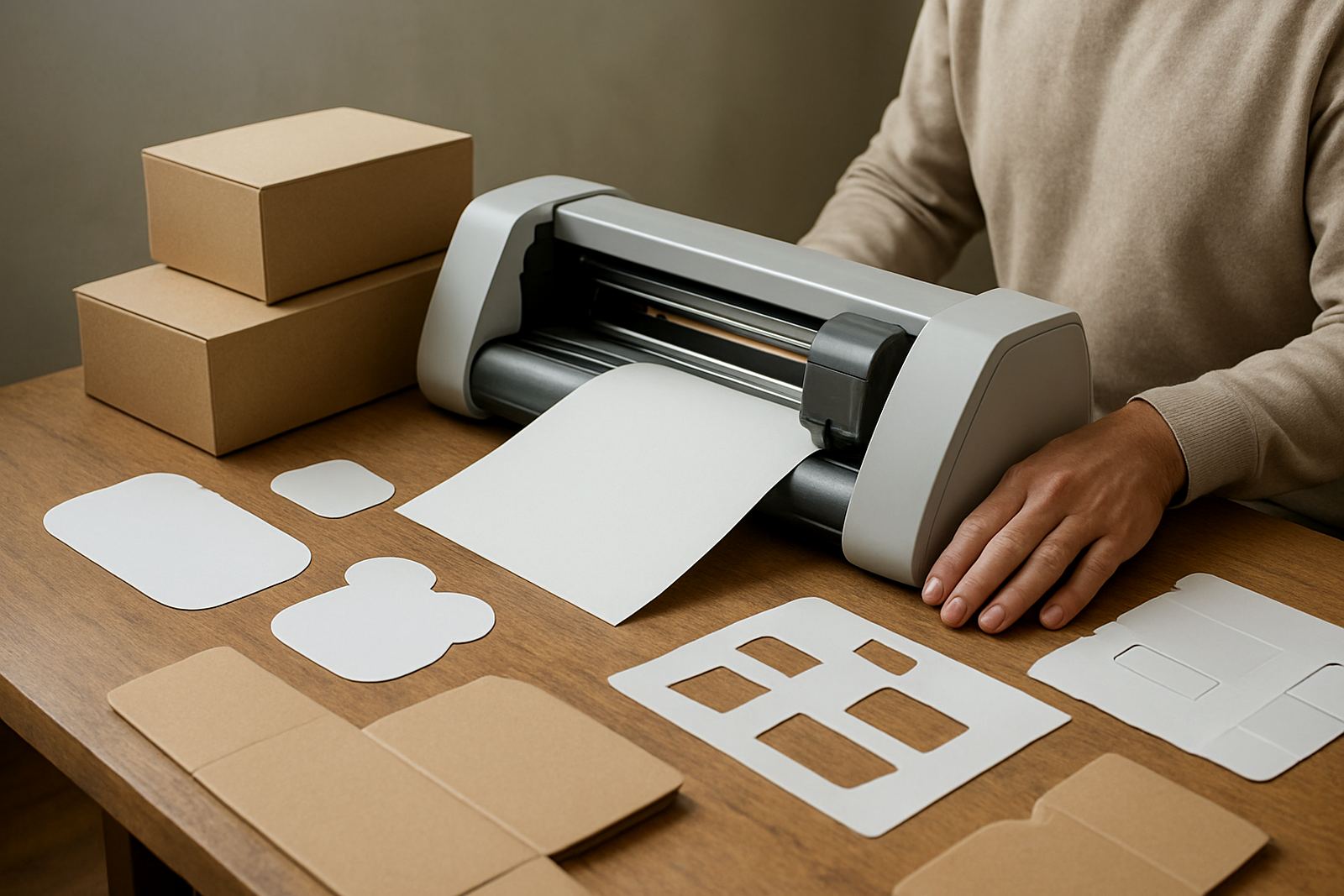
Hire units are offered in compact formats that fit smaller production spaces and still give stable output for daily use. The typical working width is 610 mm, with selected units available up to 1 200 mm for wider graphics and longer runs. For most promotional work, the compact format is the easiest to place and move, especially in an Isando factory, a Sandton office floor or a temporary event prep area.
Cutting depth and media choice matter more than size alone. The machine is suited to self adhesive vinyl, printed wrap film, thin reflective media, laminate backed stickers and similar flexible stock. It is not intended for thick board or heavy rigid substrates, and it performs best when media is flattened and well fed. A small misfeed can waste a sheet, so operator care counts.
- Working widths commonly 610 mm or 1 200 mm
- Suitable for printed vinyl, decals, labels and light promotional graphics
- Best results on flat, dry, well prepared media
Where the hire cutter fits best
This hire option suits businesses that need one machine to cover a sharp peak in demand. It is ideal for signage teams running municipal compliance decals, agency teams producing launch graphics, and event suppliers making same week items for stages, pop ups and sponsor activations. It also works for training sessions where staff need hands on time with a cutter before a larger purchase.
In Gauteng, the hire cutter is often used in tight production windows where load-shedding planning matters. If your site has backup power, we can plan the hire around your inverter or generator setup. For longer projects near the coast, keep the machine and media in a dry, temperature stable room because damp stock can lift at the edges and cause registration issues.
- Overflow production for print shops and signage workshops
- Launches, exhibitions, roadshows and retail activations
- Training periods and temporary campaign work
Installation, power and site setup
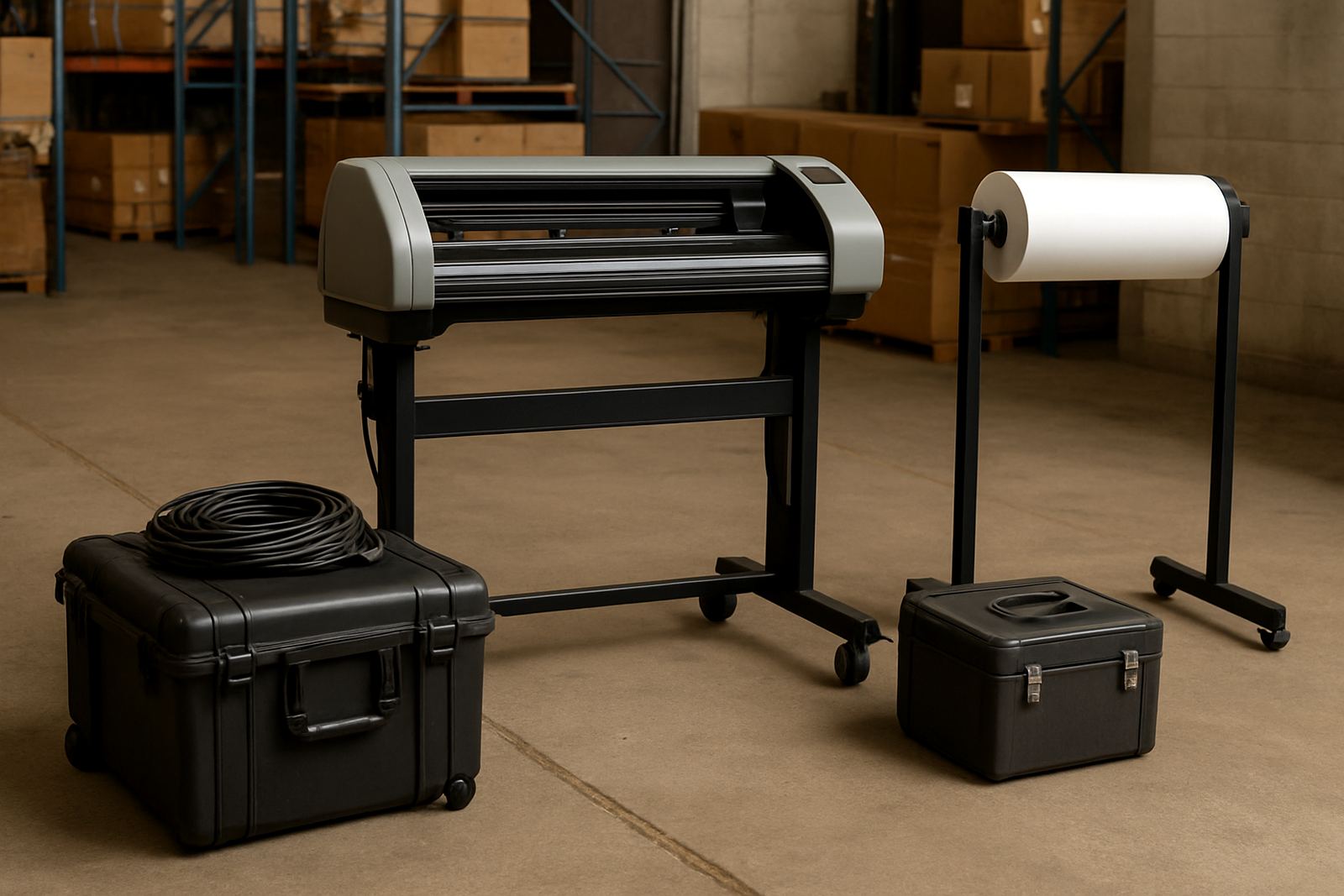
The Compact Hire Cutter is supplied for straightforward placement and quick start-up. A level table or stand, clean floor space and safe access to power are the basics. Most units run on standard 220 to 240 V single phase power, with modest current draw compared with heavier production equipment. No gas supply is needed.
Before delivery or collection, check that the site has enough clearance for media feed and collection at the rear and front of the unit. If the machine is being used in a shared production room, leave room for operator movement and a clean path for finished output. We can also assist with operator induction, registration calibration and workflow setup so the first job starts properly. Please note your power point is close enough, not across the room behind other kit.
- Standard 220 to 240 V single phase supply
- No gas requirement
- Needs level placement, clean feed space and operator access
Care, servicing and day to day handling
Hire equipment works best when treated like production gear, not storage gear. Keep blades clean, remove dust after use and avoid leaving media under tension overnight. In humid areas like Durban, Richards Bay or the Eastern Cape coast, store film and stickers in sealed packaging where possible. On dusty sites, wipe down the feed area before each run and check that the pinch rollers are free of scraps.
We cover basic maintenance guidance, troubleshooting and production workflow support as part of our service offering. That includes blade pressure setup, media loading, cut line preparation and registration checks. If the cutter shows uneven tracking, odd sound or missed corners, stop and check before carrying on. It is better to correct one setting than waste a whole batch.
- Keep blades, rollers and feed paths clean
- Store media flat, dry and away from direct heat
- Use support early if tracking or registration starts drifting
What to confirm before you order
To match the right hire unit to your job, confirm the media width, print size, volume per day and the type of finish you need. Also check whether you are cutting kiss cuts, full cuts or both. If the job includes contour work on pre printed graphics, make sure your artwork has proper cut lines and registration marks. A bad file wastes time and can slow the whole queue.
It helps to tell us the project location, the duration of hire and whether you need onsite setup or remote support. For larger roll runs, ask about blade pressure settings, operator induction and backup planning for load-shedding windows. The right prep keeps the hire economical and lowers the risk of rework, which is where costs quietly run up.
- Confirm media width, daily volume and cut type
- Share artwork with proper cut lines and registration marks
- State project location, duration and support needs upfront
Key facts
| Product type | Short-term compact contour cutter hire |
|---|---|
| Working width | 610 mm standard, selected units up to 1 200 mm |
| Power | 220 to 240 V single phase |
| Gas requirement | None |
| Supported media | Printed vinyl, decals, labels, laminate backed stickers, light signage film |
| Ideal use | Overflow work, launches, event production and training |