Fast turnaround for short label jobs
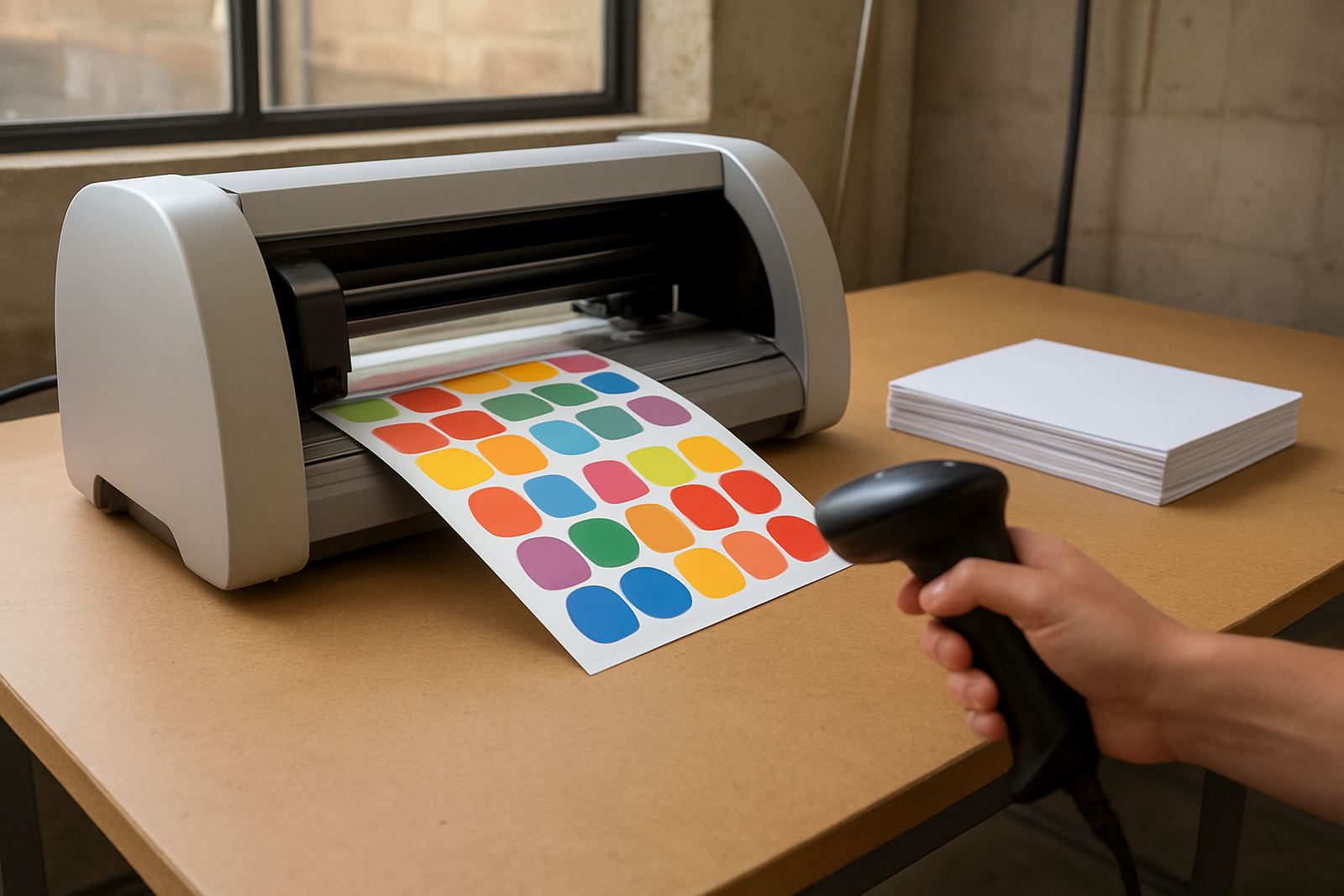
A short run label cutter is used when you need neat, repeatable cuts on smaller quantities without setting up a full manufacturing line. It is ideal for digital print shops, promotional studios and packhouse teams that do not want to wait on outside finishing for 100, 500 or 1 000 labels. The machine reads registration marks, follows artwork cut lines and handles odd shapes such as circles, bottle labels, die-cut product stickers and short promotional runs.
For businesses in Johannesburg, Isando, Germiston and Midrand, that matters when a client phones on Monday and wants labels by Wednesday. It also helps where jobs change often, because the operator can move from one artwork set to the next with less downtime. In practice, that means better control over lead times, and fewer reprints when a small batch needs a last minute correction.
- Personalised labels for retail packs
- Event stickers and launch giveaways
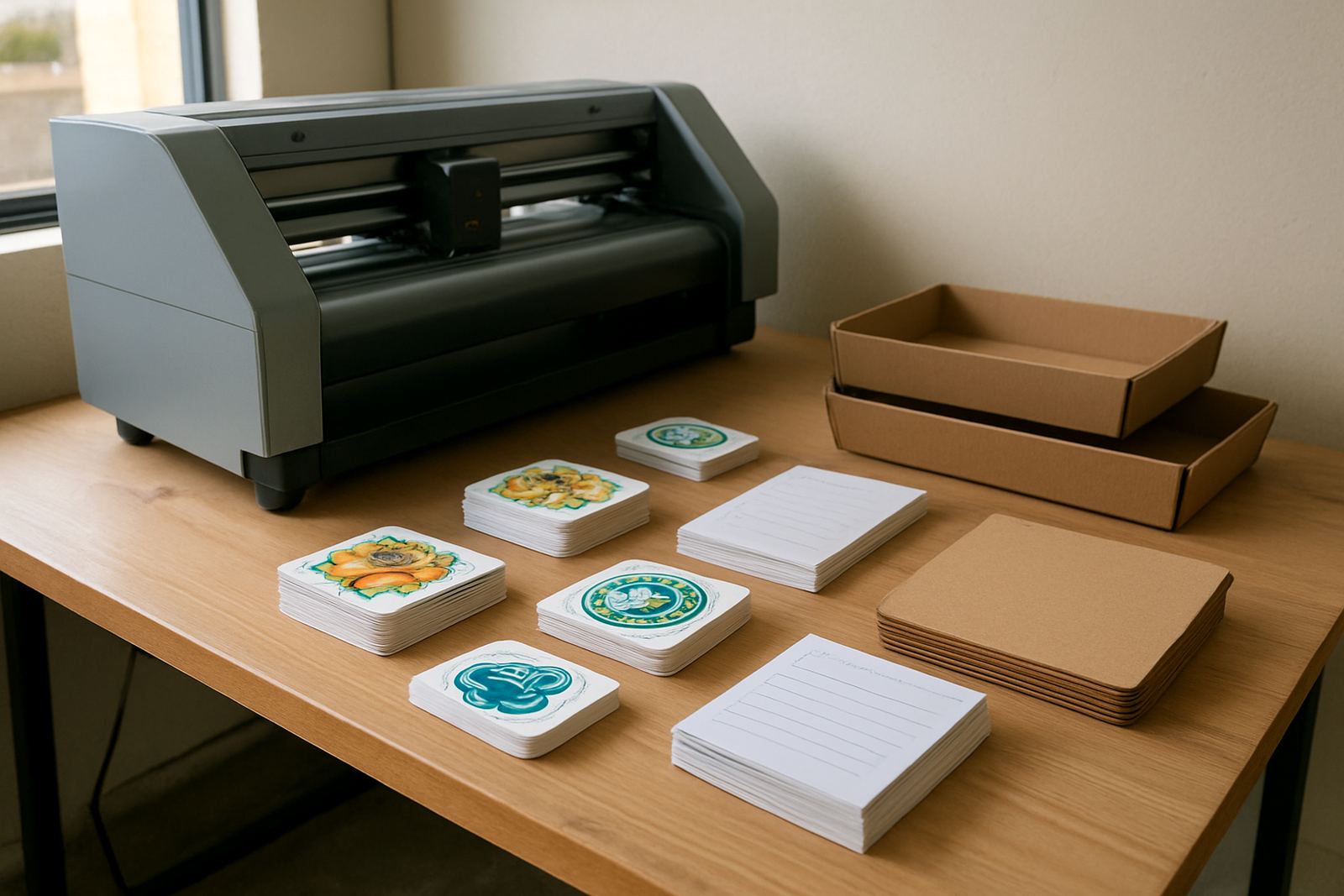
- Short batch product labels
- Test runs before larger print quantities
Sizes, media and cut options that suit real production
The right setup depends on the label size, sheet format and the type of media you use. Short run units are commonly chosen for widths from about 330 mm up to 1 300 mm, with working lengths suitable for repeated feeding of sheets or roll media. We recommend checking your artwork size, core size and preferred cut path before you order because that affects the cutter width and the registration system you need.
Typical media includes self-adhesive vinyl, paper label stock, clear film, laminated print, synthetic label media and kiss-cut sticker sheets. If your labels have small internal cut-outs or fine corners, blade control becomes more important than raw speed. For heavier stock or laminated finishes, the operator may need slower passes and adjusted pressure settings, especially in humid coastal conditions where media can curl a bit.
- Label sizes from small 20 mm marks to larger panel formats
- Roll-fed or sheet-fed workflows
- Kiss-cut and through-cut options depending on media
- Suitable for matte, gloss and clear label stock
Where this cutter works best
This product suits businesses that need short run output without committing to high-volume converting. It works well for branding studios, craft label producers, corporate gifting teams, schools, hospitality suppliers and signage departments. If your work includes event stickers, variable product names, seasonal promotions or same-day label changes, the machine gives you the flexibility to keep production in house.
It is also practical for teams serving different sites across Gauteng and beyond. A client in Sandton may want premium event stickers, while another in Boksburg may need warehouse labels with barcodes and simple numbering. The cutter can be set up to handle both, provided the artwork is prepared correctly and the media feeding is consistent. That variety is where short run finishing pays for itself, especially when jobs are small but frequent.
- Signage and print shops
- Food and beverage labels
- Promotional and event merchandise
- In-house marketing and pack departments
Installation, power and site preparation
Contour Cutting handles cutter installs nationwide, with support from the Isando base and assistance in Sandton, Midrand, Germiston, Boksburg and Randburg. Before installation, we check the floor space, table height, access route, network needs and whether the operator station has enough room for media handling. A clean area, stable surface and decent dust control make a real difference to output quality.
Most short run label cutters run on standard single-phase power, typically 220V to 240V, with a dedicated plug point recommended. No gas connection is needed. Because South African premises often deal with load-shedding, voltage dips and backup changeovers, it is wise to plan for a surge protector or UPS on the control side. That helps protect settings and reduces the risk of interrupted jobs. In some sites, especially near industrial areas, compressed air may be used for related finishing equipment but the cutter itself generally does not require gas or air.
- Allow enough bench and feed space for rolls or sheets
- Keep the machine away from direct sun and damp walls
- Use stable power with surge protection
- Check that the operator can safely lift media rolls where needed
Setup training that keeps jobs moving
Machine performance depends on the person running it, so training is part of the package. Contour Cutting offers Operator Induction, Artwork Cut Lines, Media Loading, Blade Pressure Setup, Registration Calibration, Production Workflows, Maintenance Basics, Troubleshooting Session, Remote Refresher and Supervisor Coaching. This matters when a new operator is learning how to match print to cut, or when a manager wants consistent output across shifts.
Training is led by people who know production realities, not just machine menus. Ayanda Dlamini oversees production support, Thabo Molefe handles technical questions, and Nadia Jacobs coordinates training so teams understand the practical steps. If a job is shifting because of a stretched lamination film or a slightly off-centre printed sheet, the operator should know how to correct it without wasting a whole batch. Small adjustments save time, and yes that includes the odd label run that arrives after 4pm when everyone is in a hurry.
- Hands-on setup on site or remote refresher sessions
- Registration mark checks before production starts
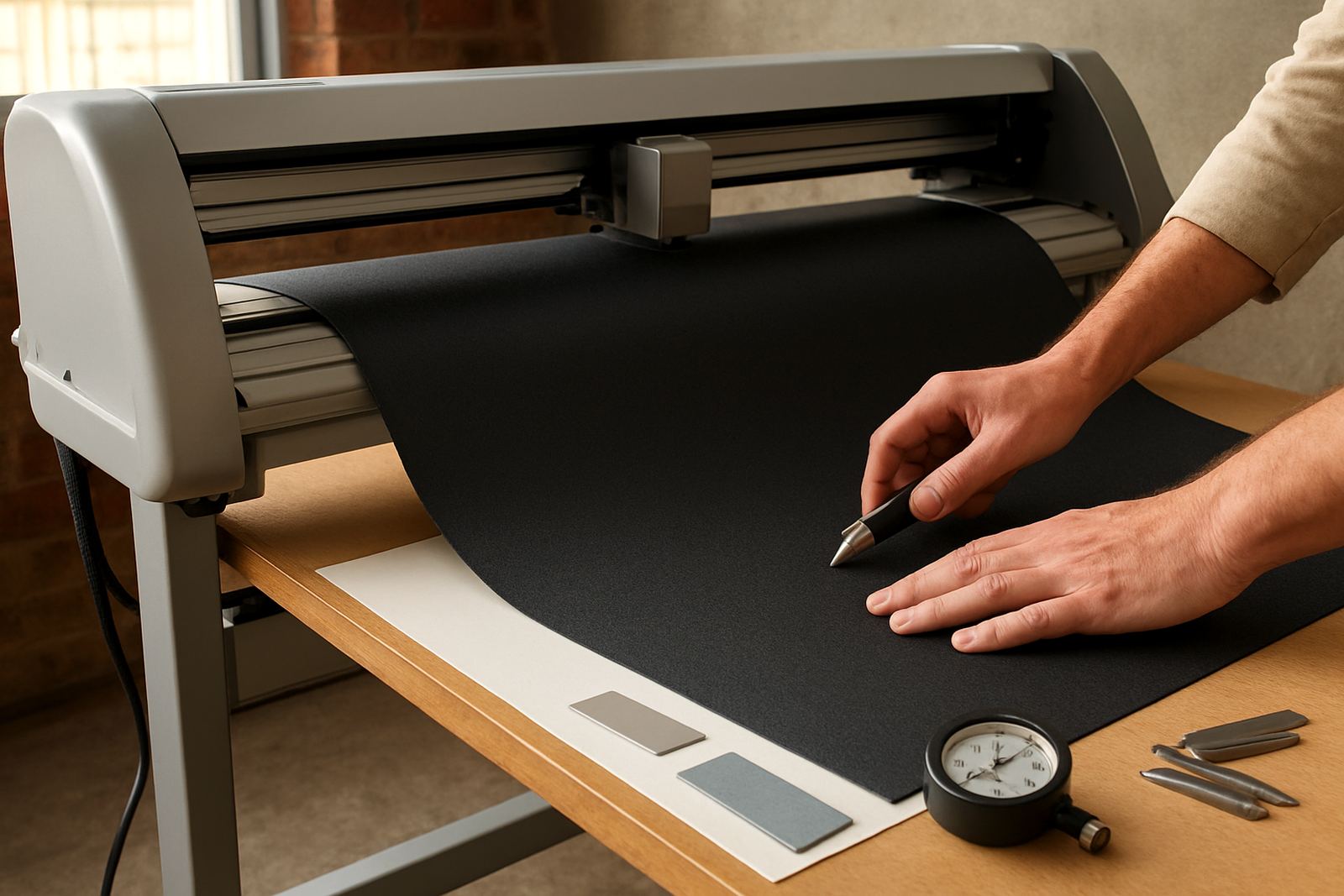
- Blade pressure and offset adjustment guidance
- Simple maintenance routines for daily use
Care, servicing and what to ask before ordering
Like any finishing equipment, a short run label cutter works best when it is kept clean and checked regularly. Dust, adhesive residue and worn blades can affect line accuracy, especially on small text or close-set shapes. Wipe the feed path, inspect blade holders, and replace consumables before they start damaging the edge. In humid areas near the coast, keep spare media in sealed packaging so the sheets stay flat and do not absorb moisture.
When you order, check the exact cut width, media type, maximum material thickness, registration method, spare blade availability and the support you will receive after delivery. It is also worth confirming whether your artwork team can export proper cut lines, because a cutter will only be as accurate as the file sent to it. Sibusiso Nkosi and the team at Contour Cutting can talk through the job requirements and match the unit to the actual print flow, not a guessed one. That gives you better uptime and fewer surprises once the machine is on site.
- Confirm cut width and usable media size
- Ask about blade life and replacement parts
- Check artwork file requirements before purchase
- Plan routine servicing and operator refreshers
Key facts
| Product type | Short run print-and-cut label cutter |
|---|---|
| Typical media | Self-adhesive vinyl, paper labels, clear film, laminated print, synthetic label stock |
| Working width | Common options from about 330 mm to 1 300 mm |
| Power | 220V to 240V single-phase, dedicated point recommended |
| Cut modes | Kiss-cut, through-cut and contour registration cutting |
| Support | Nationwide installation, operator training and remote troubleshooting |